Optimizing Ocean Freight Operations in a Digital Era
Thursday, July 30 2026
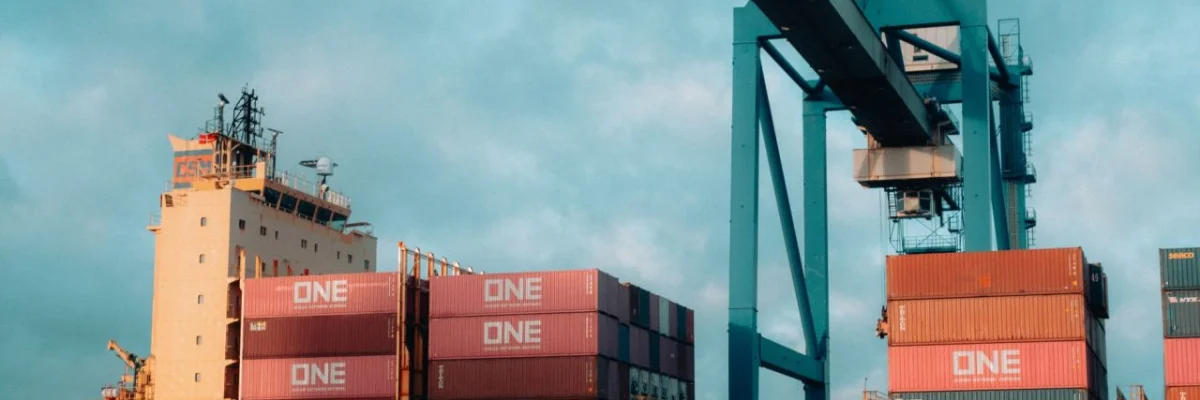
The global shipping industry is currently navigating a period of rapid digital transformation, requiring freight forwarders to shift from legacy systems toward integrated, cloud-based architectures. As supply chain complexities increase, the ability to maintain real-time visibility, manage documentation efficiently, and ensure compliance has become the primary differentiator for successful logistics firms. Freight forwarders must now leverage modern technology to simplify complex ocean transport workflows, reduce manual entry errors, and provide superior client experiences. By embracing automation, forwarders can unlock significant capacity for growth while navigating the volatile market conditions that define modern sea freight shipping and international trade logistics.
Modernizing Documentation Processes
Efficient documentation is the backbone of ocean freight logistics, yet manual processing remains a significant bottleneck for many companies. Digitizing these workflows allows teams to automate data capture, reducing the risk of clerical errors and accelerating the overall clearance cycle.
- Automated Bill Loading: Advanced platforms automatically extract data from bills of lading to populate internal systems, which significantly reduces manual data entry labor for your busy administrative logistics staff.
- Digital Document Storage: Secure cloud storage provides your team with instant access to essential shipping documents, ensuring that every file remains organized, retrievable, and safe from physical damage.
- Standardized Compliance Checks: Automated verification tools scan documents against regulatory requirements, which helps your firm avoid costly penalties while maintaining high standards for international maritime trade documentation compliance.
- Real-time Validation Loops: Integrated software systems validate information as it is entered, preventing common mistakes from propagating through the entire supply chain and delaying your important ocean shipments.
Adopting digital documentation solutions enables freight forwarders to streamline their daily operations while significantly improving accuracy across every shipment file. This transition minimizes the time spent on repetitive tasks, allowing your team to focus on higher value activities like client relationship management. By modernizing these critical processes today, your business gains a competitive edge through speed, reliability, and enhanced productivity for all international clients.
Achieving Real-time Cargo Visibility

Visibility is no longer an optional luxury but a core expectation from modern shippers. Implementing robust tracking tools enables forwarders to provide precise status updates, fostering trust and transparency throughout the entire sea freight delivery process for every customer.
- Live Shipment Tracking: Leverage real-time integration with ocean carriers to receive automatic status updates, ensuring your team always knows the exact location of every container currently in transit.
- Exception Management Alerts: Sophisticated monitoring systems notify your staff immediately when delays or deviations occur, allowing for proactive communication with customers before minor issues become major operational problems.
- Customer Transparency Portals: Provide your clients with dedicated portals to check the status of their cargo, which reduces the number of inbound status inquiries your team receives.
- Performance Analytics Dashboard: Analyze historical tracking data to identify recurring bottlenecks, which empowers your management team to make better decisions regarding route planning and carrier partnership selections long-term.
Mastering real-time visibility transforms how forwarders interact with clients by replacing uncertainty with reliable data. When stakeholders can access accurate tracking information at any moment, confidence in your services increases dramatically. Investing in these visibility tools creates a seamless experience that differentiates your brand in a crowded market while providing the actionable insights needed to optimize your global freight forwarding operations.
Enhancing Carrier and Port Collaboration
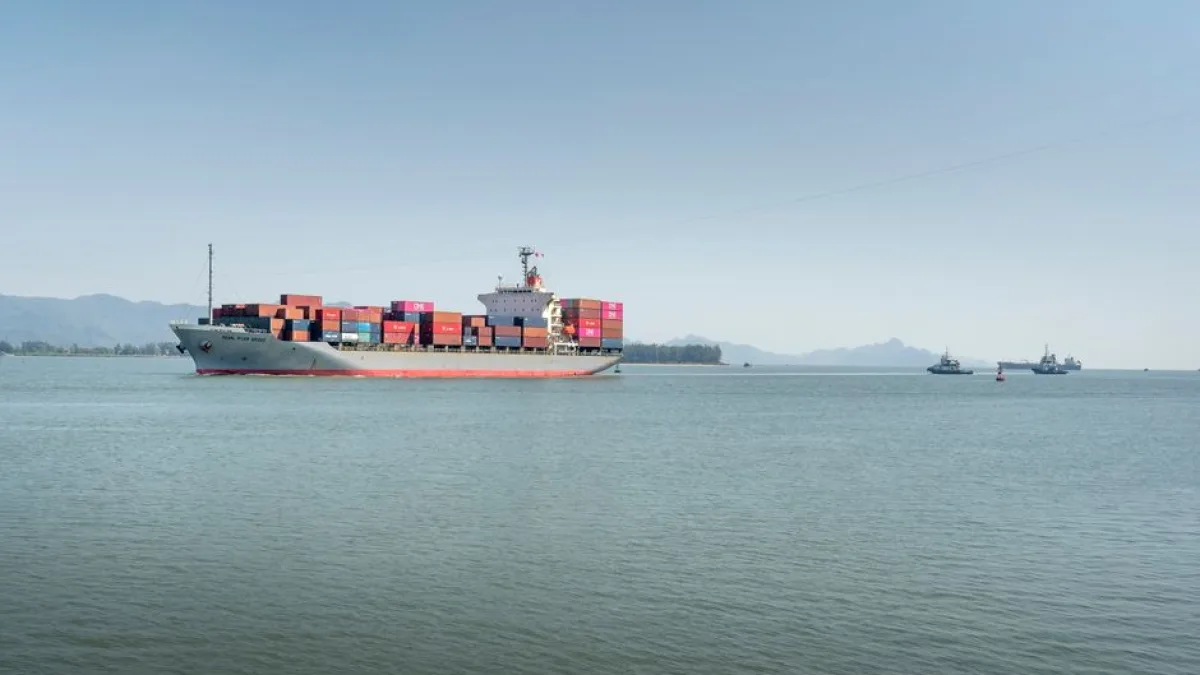
Strong partnerships with ocean carriers and port authorities are essential for successful freight forwarding. By utilizing digital communication platforms, forwarders can synchronize schedules and resource allocation more effectively, ensuring smoother cargo handoffs at every stage of the journey.
- Seamless EDI Integration: Implement electronic data interchange solutions to automate communication with ocean carriers, which ensures that your booking requests and status updates are processed without delay.
- Port Terminal Coordination: Share data directly with terminal operators to schedule pickups and drop-offs efficiently, which reduces container dwell time and avoids unnecessary detention fees for customers.
- Centralized Carrier Communication: Keep all correspondence with shipping lines in one central repository, which helps your team track negotiations and service agreements across multiple global shipping partners.
- Resource Scheduling Tools: Coordinate truck and rail transfers at the port of destination using shared digital calendars, ensuring that your ground transport assets are aligned perfectly.
Effective collaboration relies on the rapid exchange of accurate information between all parties involved in the logistics chain. By removing communication silos, forwarders can coordinate complex multi-modal movements with greater ease and precision. These digital connections build stronger relationships with service providers, leading to better contract rates and improved service reliability, which ultimately benefits the bottom line for your entire freight forwarding organization.
Scaling Operations Through Cloud Integration
As your forwarding business grows, legacy software often struggles to keep up with the increasing volume of data. Cloud-based freight software offers the scalability needed to manage larger cargo volumes while maintaining high performance across all your regional office locations.
- Global Data Access: Cloud platforms allow your team members to access shipment data from anywhere in the world, which is vital for firms with remote staff or international offices.
- Automatic System Updates: Software providers handle all backend maintenance and security patches automatically, which keeps your systems running on the latest technology without requiring dedicated IT staff.
- Unlimited Data Scaling: Manage thousands of additional shipments without hardware limitations, as cloud servers automatically adjust to your company's growing storage and processing needs during busy seasons.
- Advanced Security Protocols: Protect your sensitive client data with enterprise-grade encryption and regular security backups, which are included standard in reputable cloud-based freight management software solutions today.
Scaling your operations requires a foundation that grows alongside your business requirements without adding unnecessary technical debt. Cloud technology provides the flexibility to adapt to changing market conditions quickly and efficiently. By leveraging these scalable solutions, your freight forwarding business can maintain high service standards even during periods of rapid expansion, ensuring your long-term success in the dynamic ocean freight industry.
Conclusion
Embracing digital transformation is the most effective way for freight forwarders to improve operational efficiency and client satisfaction. By integrating modern software solutions into documentation, visibility, and collaboration workflows, your company can achieve unprecedented growth. Start your digital journey today by evaluating your current systems and identifying areas where automation can make the most significant impact on your daily business success.