Optimizing Ocean Freight Operations for Modern Freight Forwarders
Friday, July 31 2026

The global shipping industry faces unprecedented complexity as supply chains evolve to meet high customer expectations for transparency and speed. Freight forwarders must navigate fluctuating fuel prices, port congestion, and shifting regulatory requirements while managing countless documents across multiple partners. Relying on manual processes in this digital era often leads to errors and delays that hurt your bottom line. By embracing cloud-based technologies and strategic process improvements, forwarders can gain visibility into every stage of the journey. This guide explores essential strategies to modernize your ocean freight workflows, ensuring your business stays competitive and agile in a dynamic, high-stakes global marketplace.
Digitizing Documentation Workflows

Modernizing your document management system is critical for reducing administrative bottlenecks. Digital platforms allow teams to collaborate on bills of lading and invoices in real-time, eliminating the risks of human error and lost physical paperwork during the transit process.
- Automated Data Entry: Implement software that automatically captures data from shipping documents to prevent manual keying errors and significantly accelerate the speed of your booking and invoicing operations.
- Centralized Cloud Storage: Maintain a single source of truth by storing all shipping documents in a secure cloud environment that is accessible to authorized stakeholders across the globe.
- Instant Document Sharing: Use digital portals to share essential customs and compliance papers with agents and clients immediately to ensure that cargo moves through ports without unnecessary delays.
- Smart Validation Tools: Deploy validation rules that flag discrepancies in shipping weights or commodity codes before documents are submitted to ocean carriers to avoid costly fines and administrative fees.
Adopting a digital-first approach transforms how your team interacts with critical shipping documentation. Instead of chasing down emails and paper files, staff members access structured data instantly. This shift reduces the operational overhead associated with manual filing and data entry. Your company benefits from improved accuracy and faster turnaround times, allowing your team to focus on high-value client communication and long-term strategic growth goals.
Improving Container Visibility
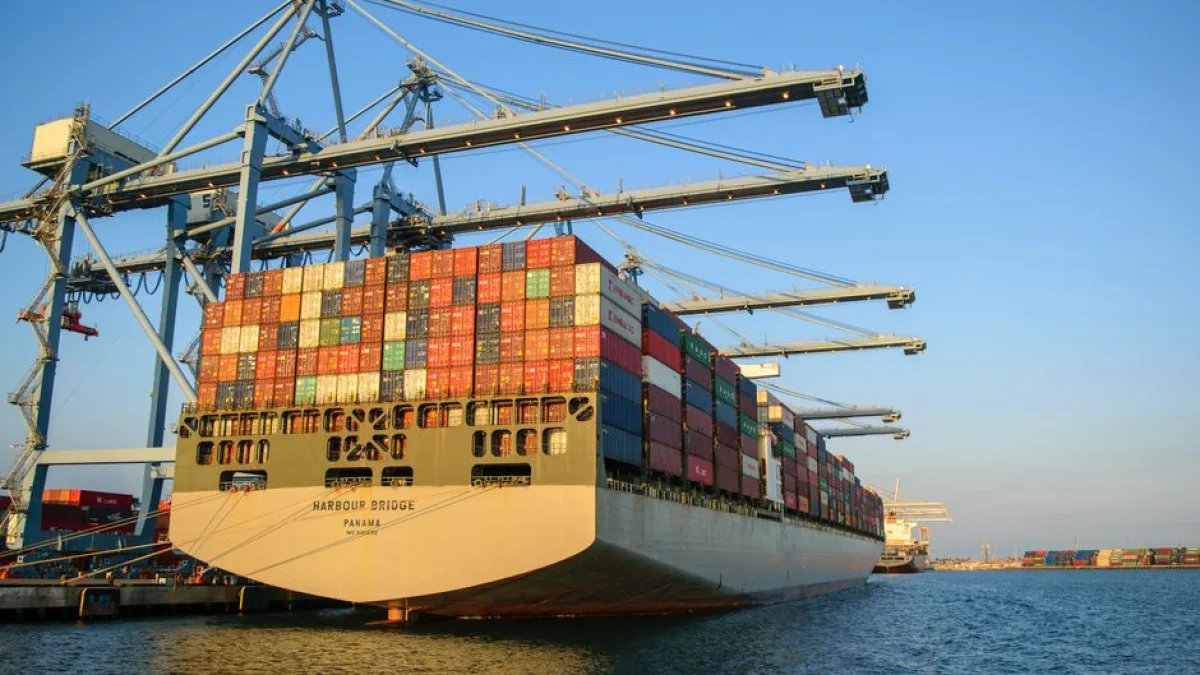
Real-time container tracking is no longer a luxury but a standard requirement for your clients. By integrating with carrier APIs, your platform provides live location data that allows for proactive communication and effective planning against potential port or vessel disruptions.
- Real-Time API Integration: Connect your freight software directly to ocean carriers to pull live container status updates, arrival estimates, and departure times without needing to browse separate websites.
- Automated Status Alerts: Configure your system to send proactive notifications to clients as containers reach key transit milestones, which builds trust and reduces incoming status update inquiries.
- Predictive Exception Management: Utilize dashboard analytics that identify delays early, allowing your operations team to suggest alternative routing options to clients before the situation escalates further during transit.
- Comprehensive Tracking Dashboards: Provide clients with a branded portal where they view all their active shipments on a single map, giving them complete peace of mind regarding cargo location.
Visibility serves as the backbone of superior customer service in the current logistics climate. When you provide accurate information to shippers, you empower them to manage their own internal operations more effectively. This transparency distinguishes your brand from competitors who still rely on fragmented tracking methods. As you automate these updates, your team handles fewer routine queries, saving hours of manual work every single day.
Streamlining Carrier Communications
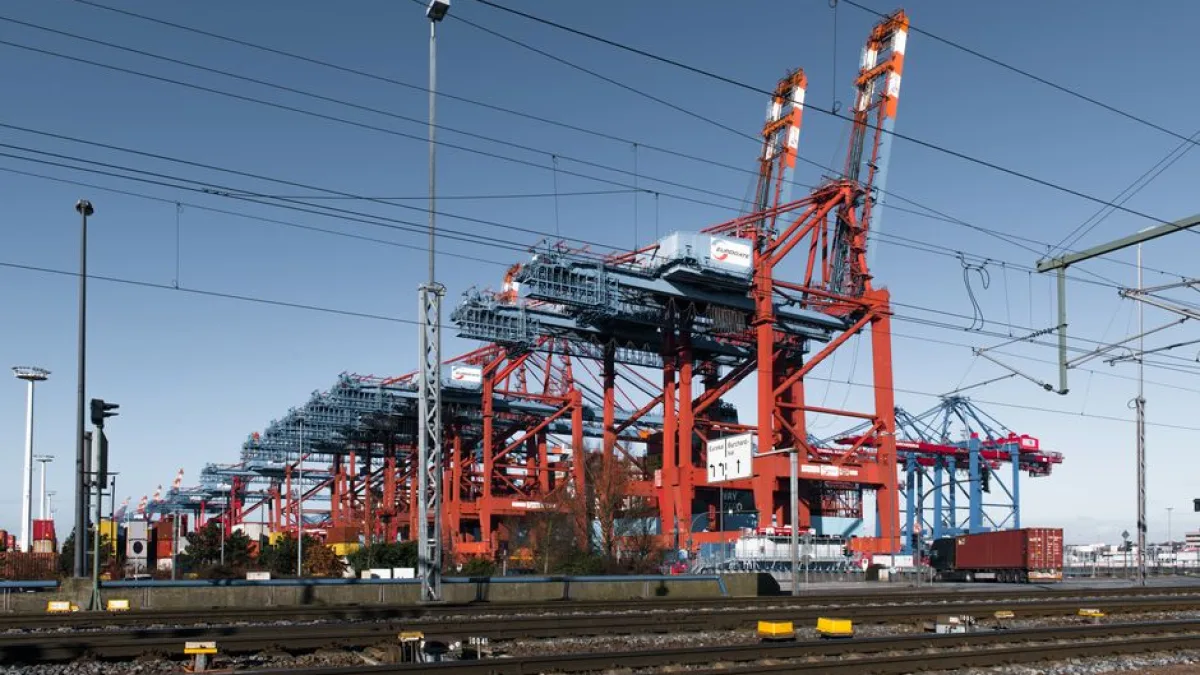
Effective collaboration with ocean carriers is essential for securing space and favorable rates. Utilizing integrated communication tools within your software ensures that requests for quotes and booking confirmations are managed efficiently and transparently between all parties involved in the chain.
- Unified Booking Portals: Submit booking requests directly to multiple shipping lines through a single interface, which simplifies the process of comparing available space and current market rates globally.
- Structured Communication Threads: Keep all correspondence regarding specific shipments linked to the digital file, preventing critical instructions from getting buried in busy and cluttered employee email inboxes.
- Automated Rate Requests: Generate standardized RFQs that are sent to multiple ocean carriers simultaneously to ensure you receive the most competitive pricing for your client specific shipping requirements.
- Carrier Performance Tracking: Monitor carrier reliability metrics such as on-time arrival rates and damage incidents to help you make informed decisions about which partners to prioritize moving forward.
Strengthening the bridge between your team and ocean carriers reduces friction and accelerates your operational cycle. When communication follows a clear, digital path, you minimize the chance of missed deadlines or misunderstandings. This organizational discipline allows you to negotiate better terms with carriers and maintain high service quality. Consistent communication practices create a reliable reputation that attracts new business partners and ensures sustainable operational success.
Managing Compliance Effectively

Navigating the complex landscape of international maritime regulations requires precision and diligence. Integrated compliance modules help you track changing customs requirements across different jurisdictions, ensuring that every shipment meets legal standards and avoids detention at international port borders worldwide.
- Automated Customs Reporting: Use software modules that map your shipping data to required regulatory formats, ensuring that declarations are accurate, compliant, and submitted well ahead of local deadlines.
- Updated Regulatory Databases: Rely on software that updates its internal rule sets automatically as customs regulations change, helping you remain compliant in every country where you manage cargo.
- Audit Trail Records: Maintain a permanent, searchable log of every compliance action taken for every shipment, providing necessary evidence during regulatory audits or internal company performance reviews.
- Screening for Sanctions: Integrate automated party screening tools to ensure that you are not conducting business with restricted entities, effectively protecting your firm from significant legal risks.
Staying compliant is a foundational requirement for any reputable forwarder operating in the global market. While the regulatory environment shifts frequently, automated systems provide a safety net that protects your firm from costly penalties. By embedding compliance checks into your daily workflow, you foster a culture of accuracy. This proactive stance satisfies strict audit requirements while building lasting trust with your international shipping clients.
Conclusion
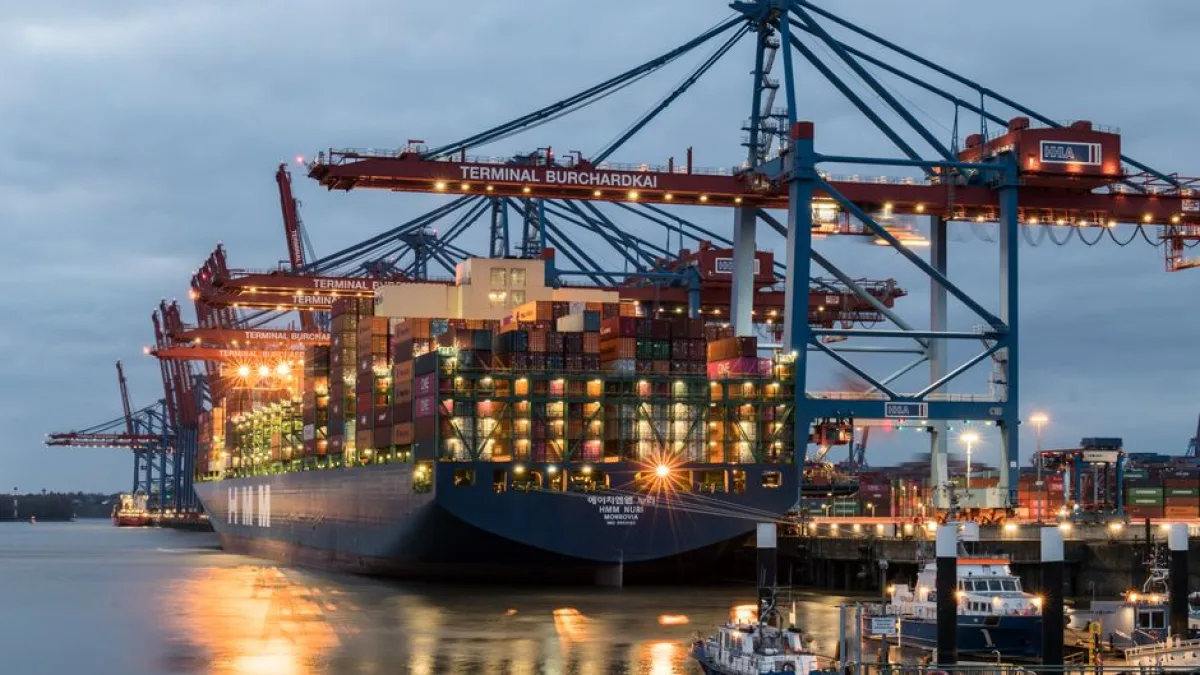
Advancing your ocean freight operations requires a balance of smart technology and disciplined process management. By digitizing documentation, enhancing visibility, streamlining carrier relations, and prioritizing compliance, you build a foundation for long-term scalability. These improvements not only increase your internal productivity but also elevate the service quality you provide to your customers. Start implementing these cloud-based strategies today to stay ahead in the industry.