Optimizing Ocean Freight Operations in a Digital Era
Saturday, August 1 2026

Navigating the complex landscape of global ocean freight requires more than just traditional logistical expertise in the modern age. As supply chains face constant volatility and increasing demands for transparency, freight forwarders must pivot toward sophisticated digital solutions to remain competitive. By integrating automated workflows, real-time data visibility, and cloud-based management systems, your organization can effectively mitigate risks while improving overall throughput. This transition is no longer optional for firms aiming to maintain profitability and deliver exceptional service standards. Embracing these technological advancements allows your team to move past manual bottlenecks and focus on high-value client relationships that define long-term success.
Leveraging Real-Time Cargo Tracking
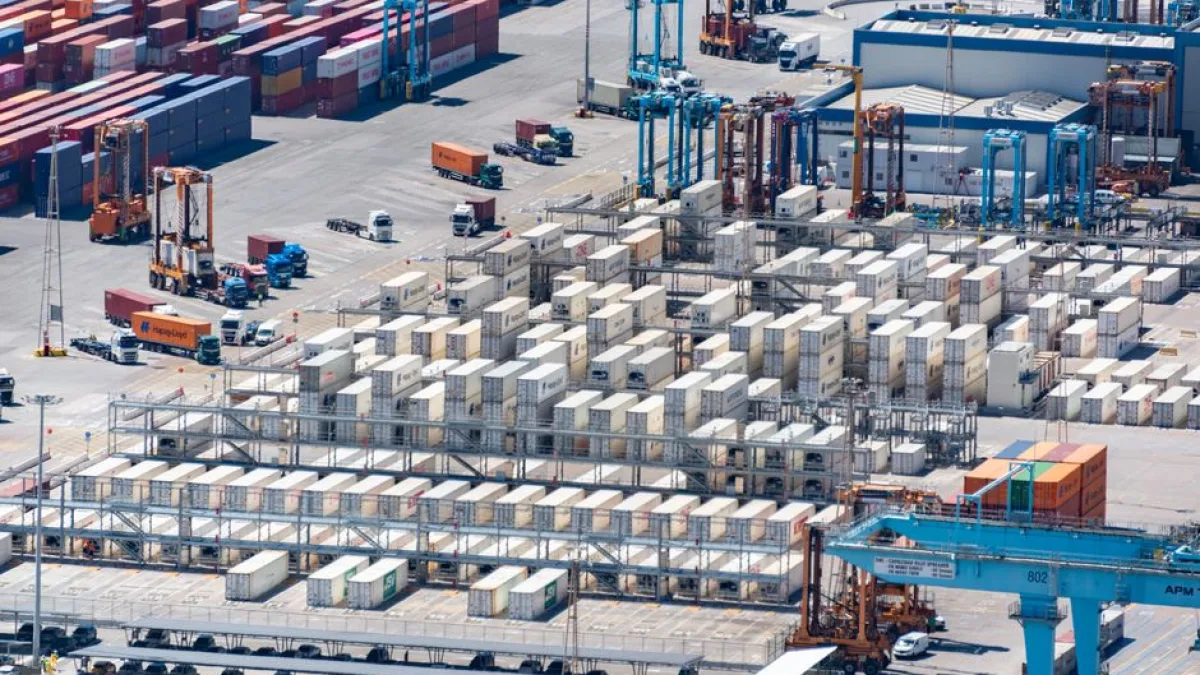
Real-time visibility serves as the backbone of modern shipping, allowing logistics professionals to monitor shipments across vast oceans with precision. By capturing live data points, freight forwarders can anticipate delays and provide customers with accurate ETAs throughout the entire journey.
- Automated status updates: Proactive notifications inform your clients immediately about any changes in vessel scheduling or port congestion, reducing the manual labor involved in constant email communication regarding shipment status.
- Risk mitigation planning: Accessing granular data allows logistics managers to identify potential bottlenecks early and reroute cargo before minor issues escalate into costly operational delays for your primary customers.
- Enhanced client trust: Offering a transparent digital portal for tracking cargo increases accountability and demonstrates your firm's professional commitment to reliability in an unpredictable global trade environment today.
- Centralized data access: Consolidating tracking information into one cloud platform ensures that every stakeholder has an identical view of the truth, preventing errors caused by outdated spreadsheet logs.
Implementing sophisticated tracking software fundamentally changes how you interact with your clients and carriers. Instead of spending hours chasing updates, your team can rely on automated alerts to manage exceptions effectively. This shift improves operational speed, lowers administrative costs, and creates a superior service experience that keeps your firm ahead of competitors who are still relying on legacy processes and fragmented manual systems.
Digital Documentation and Compliance

Managing global trade documentation requires strict adherence to international standards and meticulous attention to detail. Digital systems now replace physical paperwork, significantly reducing human errors and ensuring that compliance requirements are met swiftly without delaying your critical ocean cargo movements.
- Paperless processing workflows: Moving documents to the cloud eliminates the risk of losing physical files while speeding up approval cycles for customs clearance and essential carrier documentation processing.
- Automated compliance checks: Intelligent software platforms verify documentation against current international regulations automatically, ensuring that every shipment meets legal standards without requiring manual oversight from your staff.
- Secure data storage: Keeping records in encrypted cloud storage protects sensitive client information from cyber threats and ensures that your firm maintains complete data privacy and security.
- Version control systems: Automated software tools track every modification made to bills of lading or invoices, maintaining a perfect audit trail that supports legal and operational transparency.
Digital transformation in documentation acts as a force multiplier for your back-office efficiency. When you automate the generation and validation of shipping documents, you minimize the risk of expensive fines or port detention fees. This disciplined approach to data management empowers your team to handle higher volumes of shipments with greater accuracy, allowing you to scale operations profitably without expanding your headcount excessively.
Improving Carrier Performance Management

Evaluating carrier performance is vital for maintaining high service levels and cost-effective routing. By leveraging analytical insights, you can compare carrier reliability, pricing, and transit times, enabling your organization to make data-driven decisions that favor the most efficient shipping partners.
- Benchmarking carrier reliability: Analytical tools track how often carriers meet their schedules, helping you identify partners who consistently deliver on time and avoid those prone to frequent delays.
- Optimized rate procurement: Accessing historical rate data helps you negotiate better contracts with ocean carriers, ensuring your firm stays competitive in a market that fluctuates throughout the year.
- Performance based selection: Digital dashboards highlight the best performing carriers for specific trade lanes, allowing your team to assign cargo to providers who offer the best overall value.
- Unified carrier communication: Integrated communication tools streamline interactions with multiple carriers, centralizing all booking requests and responses into a single efficient interface for your logistics staff.
Continuous monitoring of carrier performance creates a significant competitive advantage by lowering costs and increasing the reliability of your service offerings. When your freight forwarding business has the data needed to select the best carriers for each specific route, you provide superior value to your customers. This data-driven strategy fosters stronger professional partnerships with carriers and secures your reputation as a reliable logistics leader.
Enhancing Customer Portal Engagement

A modern customer portal transforms how your clients interact with your services by providing self-service options and instant information access. By putting the power of logistics data into the hands of your customers, you reduce your administrative burden significantly.
- Instant quote generation: Providing your customers with tools to get immediate freight quotes encourages faster bookings and reduces the time your sales staff spends on manual estimates.
- Self-service document retrieval: Clients can download their invoices and bills of lading directly from your portal, saving your team from answering repetitive requests throughout the busy week.
- Visual data analytics: Interactive dashboards provide clients with a clear overview of their shipping activity, which adds significant value and encourages them to increase their booking volume.
- Personalized client experience: Customizable portal settings allow your customers to configure their preferred notification settings and view specific reports that are most relevant to their internal business goals.
Investing in an intuitive customer portal creates a sticky ecosystem that builds long-term loyalty and reduces client churn. Clients appreciate the speed and autonomy that digital platforms offer in an industry traditionally known for slow response times. By delivering a modern, professional, and accessible interface, you differentiate your company as a forward-thinking partner that prioritizes efficiency and empowers customers to manage their operations.
Conclusion

Adopting cloud-based software is essential for freight forwarders striving to modernize their ocean freight operations in a demanding global market. By integrating tracking, digitizing documentation, and improving carrier management, you position your firm for sustainable growth. Start upgrading your technology stack today to experience improved operational efficiency and increased customer satisfaction. MakeCargo provides the tools necessary to stay competitive in this fast-paced logistics environment.