Optimizing Ocean Freight Operations in a Digital Era
Sunday, August 2 2026
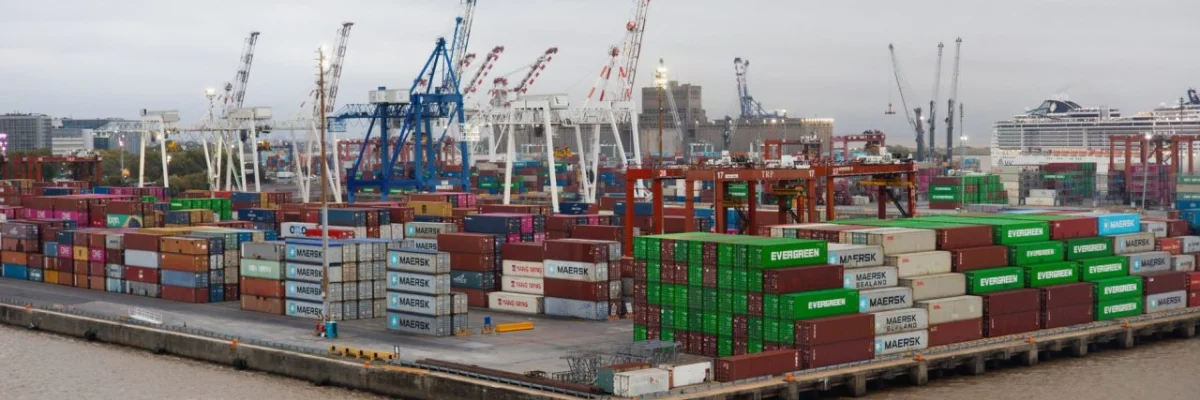
Navigating the complexities of modern ocean freight requires more than just logistical experience. As global supply chains face unprecedented pressure from fluctuating fuel costs, port congestion, and shifting trade regulations, forwarders must evolve to maintain profitability and service reliability. Moving away from manual spreadsheets and siloed communication is essential for scaling your business effectively. By leveraging cloud-based platforms like MakeCargo, forwarders gain the visibility and automation tools needed to manage high-volume shipments with precision. Embracing these technological advancements allows professionals to anticipate potential disruptions before they impact their bottom line, ensuring seamless delivery cycles for global partners.
Modernizing Fleet Management
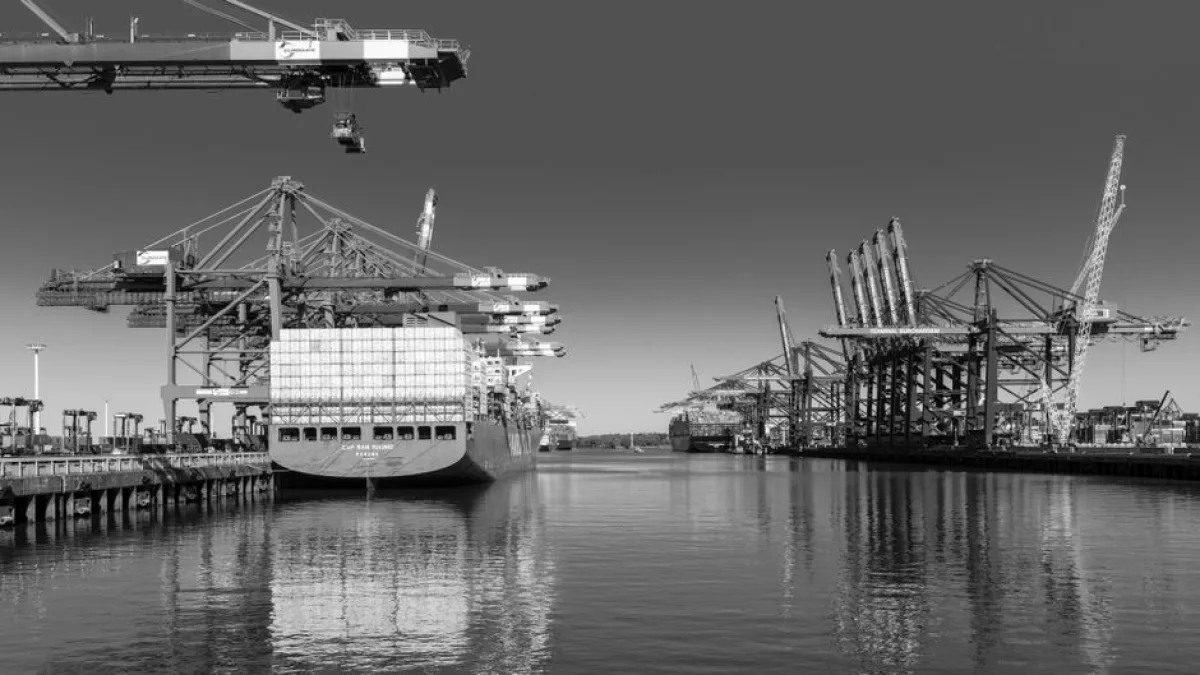
Advanced tracking technology enables forwarders to monitor vessels in real-time, providing immediate visibility into transit status. This digital approach transforms how teams handle scheduling and route optimization by replacing outdated manual entry methods with automated data streams that reduce human error.
- Automated Tracking Tools: Real-time data integration allows logistics teams to monitor vessel positions constantly, ensuring that any schedule changes are communicated to end clients with extreme speed and accuracy.
- Digital Documentation Flows: Transitioning from paper bills of lading to electronic systems significantly minimizes processing time while reducing the risk of costly administrative delays during the customs clearance phase.
- Predictive Capacity Planning: Utilizing software to analyze historical shipment patterns helps forwarders forecast future space requirements, enabling better negotiation power with carriers during peak seasons of the year.
- Enhanced Client Portals: Providing shippers with direct access to shipment status updates minimizes the administrative burden on your staff, freeing them to focus on high-value logistical strategy tasks.
Adopting these digital tools creates a foundation for operational excellence that is difficult to replicate with traditional methods. By centralizing all shipment data in a single interface, your team avoids fragmented information silos that often lead to communication breakdowns. Investing in infrastructure now ensures that your business remains resilient against market volatility while simultaneously improving the overall experience for your diverse customer base worldwide.
Streamlining Customs Documentation
Managing global trade compliance requires strict adherence to international shipping regulations and documentation standards. Automating the preparation of essential shipping manifests and import declarations eliminates bottlenecks that frequently cause containers to stall at busy ports during the critical inspection stages.
- Automated Compliance Checks: Integrated systems automatically verify if shipment documentation meets regional regulations, preventing errors that could lead to hefty fines or significant delays at international border crossings.
- Standardized Filing Processes: Utilizing pre-built templates for all customs paperwork ensures that every submission is consistent, readable, and fully compliant with current international maritime trade law requirements.
- Secure Data Storage: Cloud-based systems provide robust encryption for sensitive trade data, ensuring that your company maintains high security standards while keeping all historical records easily searchable.
- Real-time Regulatory Updates: Modern software platforms automatically push notifications regarding changes in regional trade laws, allowing your team to adjust their operational strategies without manual intervention.
Efficient documentation management is a critical component of successful freight forwarding that directly impacts your company reputation. When filing is handled quickly and accurately, your cargo moves through ports with minimal friction. This level of reliability encourages repeat business from clients who value consistent service. By optimizing these workflows, you reduce the time spent on repetitive tasks and increase profitability margins across every shipment.
Managing Carrier Relationships

Building strong connections with ocean carriers is essential for securing competitive rates and reliable space allocation. A digital platform serves as the central hub for managing these professional interactions, ensuring that rate negotiations and space bookings are handled transparently and with great professional efficiency.
- Integrated Rate Management: Storing all carrier quotes and contracts in one searchable database empowers your team to compare options instantly, ensuring that you always select the best route.
- Digital Booking Requests: Submitting booking requests through automated portals eliminates the need for endless email threads, ensuring that your requests reach carrier booking desks without any data loss.
- Performance Metric Tracking: Tracking carrier reliability through historical shipment data allows you to make informed decisions regarding which partners best suit your specific client requirements and budget.
- Streamlined Invoice Audits: Automated reconciliation of carrier invoices against original quote agreements prevents overcharging and simplifies the financial department workflows, keeping your cash flow positive and consistent.
Effective management of your carrier network leads to better service levels and improved pricing structures for your clients. When you communicate through structured, digital channels, you demonstrate a high level of professionalism that fosters long term partnerships. These relationships provide a buffer during industry shortages, giving your cargo priority status when capacity is tight. Always aim for transparency to build enduring professional trust.
Leveraging Real-time Analytics
Data-driven decision making is the hallmark of top-tier freight forwarders who dominate the market. By utilizing analytics dashboards to visualize shipping performance, leaders can identify trends, monitor profit margins, and adjust their service offerings to meet changing global trade demands efficiently.
- Customizable Reporting Dashboards: Gain instant insights into your entire shipping operation through visual data representations that highlight critical KPIs such as delivery times and net shipment costs.
- Profitability Trend Analysis: Understand which shipping lanes offer the highest return on investment, allowing your sales team to focus efforts on the most lucrative trade routes available today.
- Resource Allocation Strategy: Use empirical data to determine where your staff is over-extended, helping you optimize team scheduling to improve productivity during extremely high volume periods each month.
- Client Behavior Insights: Analyze historical booking trends per client to anticipate their needs, allowing you to provide proactive solutions that build loyalty and increase your total market share.
Harnessing the power of your own data provides a competitive edge that is impossible to ignore in this industry. When you base your strategies on actual performance metrics rather than gut instinct, you mitigate risk and maximize potential gains. This analytical approach empowers your leadership team to drive growth, refine operations, and stay ahead of the competition in a rapidly shifting global environment.
Conclusion
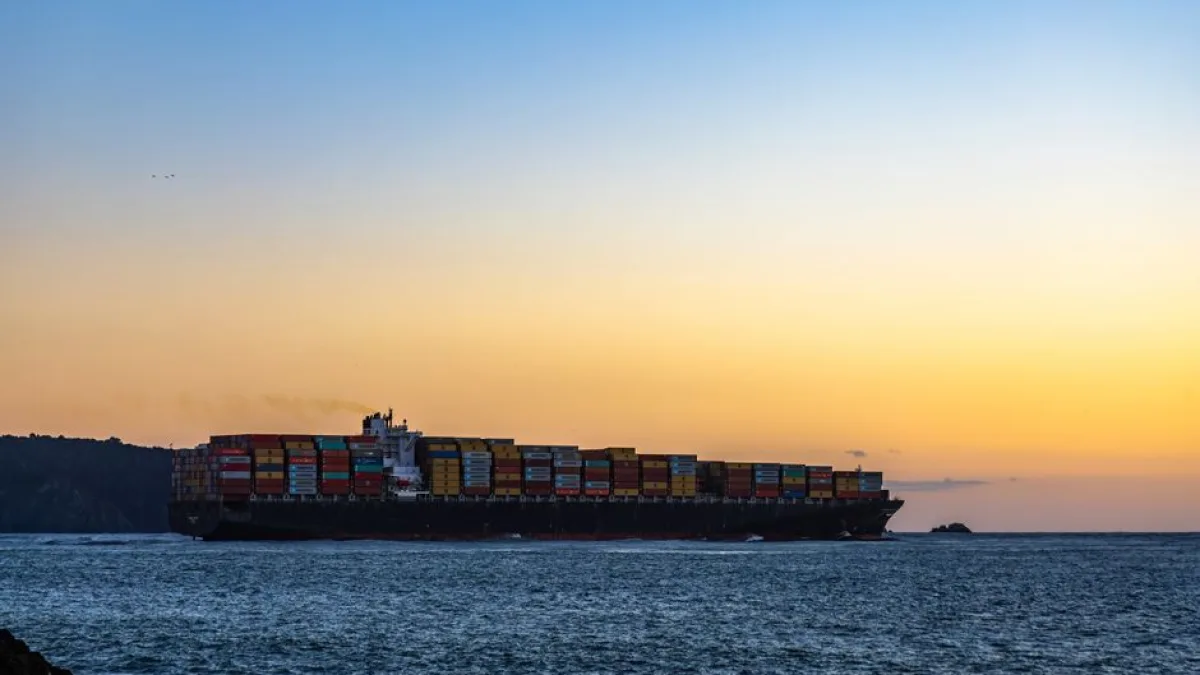
Success in ocean freight relies on your ability to integrate technology, maintain strong carrier relationships, and leverage data to make informed decisions. By streamlining these core operational areas, you position your freight forwarding business for long-term growth and stability. We encourage you to audit your current digital tools today. A more efficient, automated future for your logistics operations is well within your reach.