Optimizing Ocean Freight Operations in a Digital Era
Monday, August 3 2026

Modern ocean freight logistics faces unprecedented volatility, demanding higher levels of agility and precision from every freight forwarder. As supply chain complexities multiply, the reliance on manual processes and legacy spreadsheets becomes a significant bottleneck to growth and profitability. To remain competitive, professionals must embrace digital transformation by integrating cloud-based software that provides end-to-end visibility and automated workflows. By modernizing your operational backbone, you can effectively navigate fluctuating capacity, rising fuel costs, and shifting consumer expectations. Adapting to these changes is no longer merely an option; it is a fundamental requirement for long-term success in the global shipping industry today.
Digitizing Booking Management
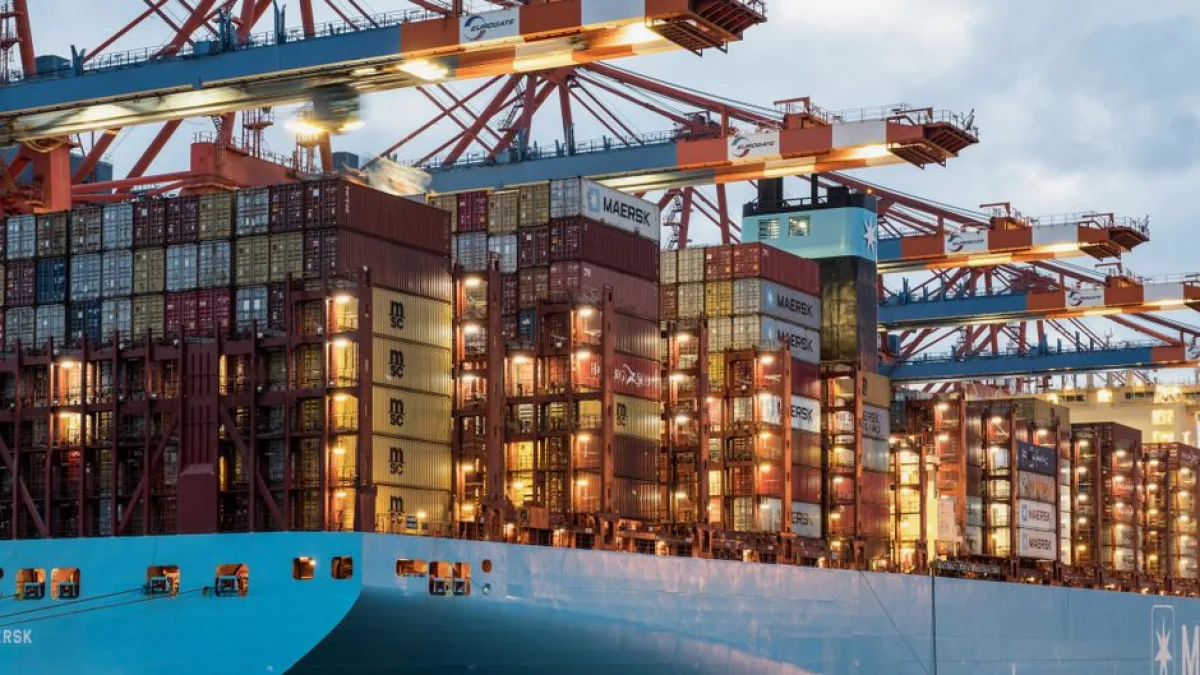
Digital transformation starts with how your team handles bookings. By centralizing requests, you reduce errors and improve speed, allowing your staff to focus on high-value tasks instead of mundane data entry and repetitive email chains that slow down your operations.
- Automated Data Entry: Implement automated capture systems to extract shipment details directly from incoming emails, drastically reducing human error while speeding up the document processing time for every single customer request.
- Centralized Booking Portal: Provide your clients with a secure portal to submit requests, which helps keep all communication and documentation in one accessible location for your entire operations team.
- Real-time Quote Validation: Use integrated software tools to validate shipping rates instantly, ensuring that every booking confirmation is accurate and aligned with the current market pricing and carrier availability.
- Improved Collaboration Tools: Utilize digital messaging features within your platform to connect shippers and carriers, which eliminates the fragmented communication often caused by lengthy and confusing email chains between parties.
Transitioning from traditional manual workflows to digital booking management is essential for modern freight forwarders. This shift creates a foundation for scalability, allowing your team to handle larger shipment volumes without increasing overhead costs. By streamlining these front-end processes, you improve customer satisfaction significantly, as clients receive faster updates and more accurate responses, which ultimately builds lasting loyalty in an increasingly crowded and competitive global market.
Enhancing Real-time Visibility
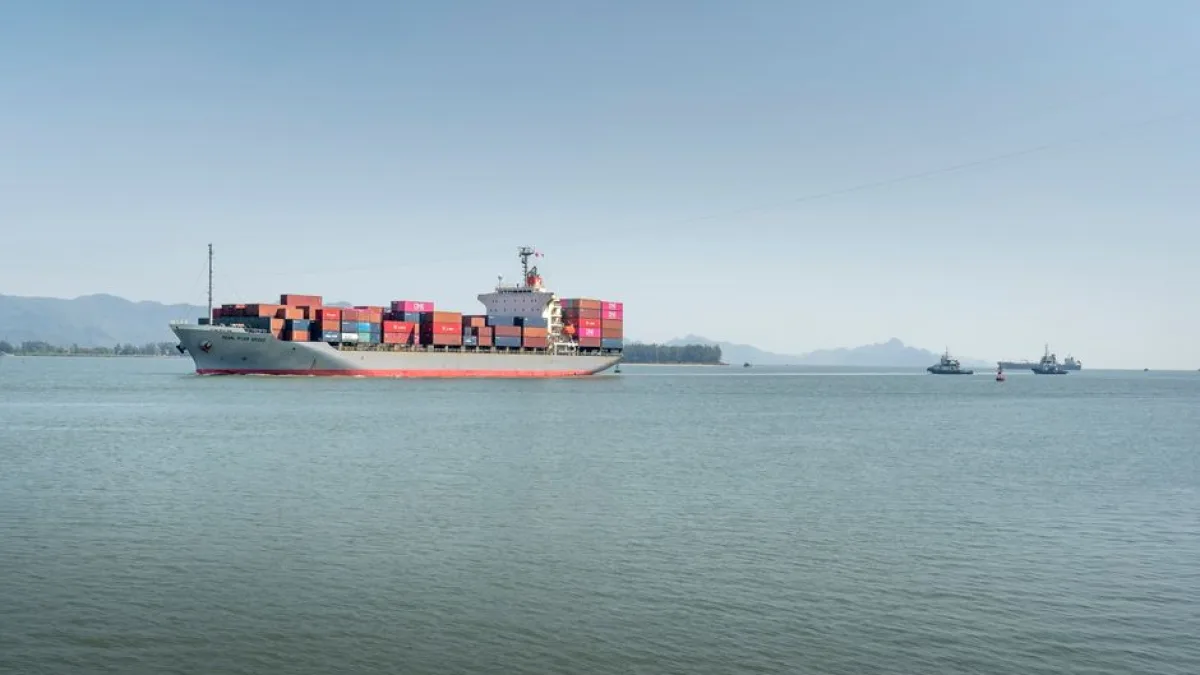
Visibility is the key to maintaining trust with shippers in a volatile market. Advanced tracking tools allow you to monitor vessel progress across oceans, providing your team with the data necessary to manage expectations regarding potential delays or schedule changes.
- Live Vessel Tracking: Integrate live GPS satellite data into your freight platform to give clients transparent updates regarding the exact location of their containers throughout the entire sea journey.
- Automated Delay Alerts: Configure proactive notification triggers that automatically inform your team and your customers the moment a shipment schedule deviates from the initial plan, enabling faster problem solving.
- Milestone Event Monitoring: Track key shipping milestones such as vessel departure, arrival at transshipment ports, and final port discharge to maintain complete awareness of the container flow and status.
- Integrated Port Data: Access real-time port congestion metrics and terminal productivity reports to gain a deeper understanding of potential bottlenecks that could affect your clients and future shipments.
Providing your clients with high-quality tracking data transforms your role from a simple service provider to a trusted logistics partner. When you offer consistent, accurate visibility, you reduce the time your support team spends answering status inquiries. This creates a more transparent relationship, allowing your clients to plan their own inventory and sales cycles with greater confidence while you focus on handling complex logistics issues.
Streamlining Documentation Workflows
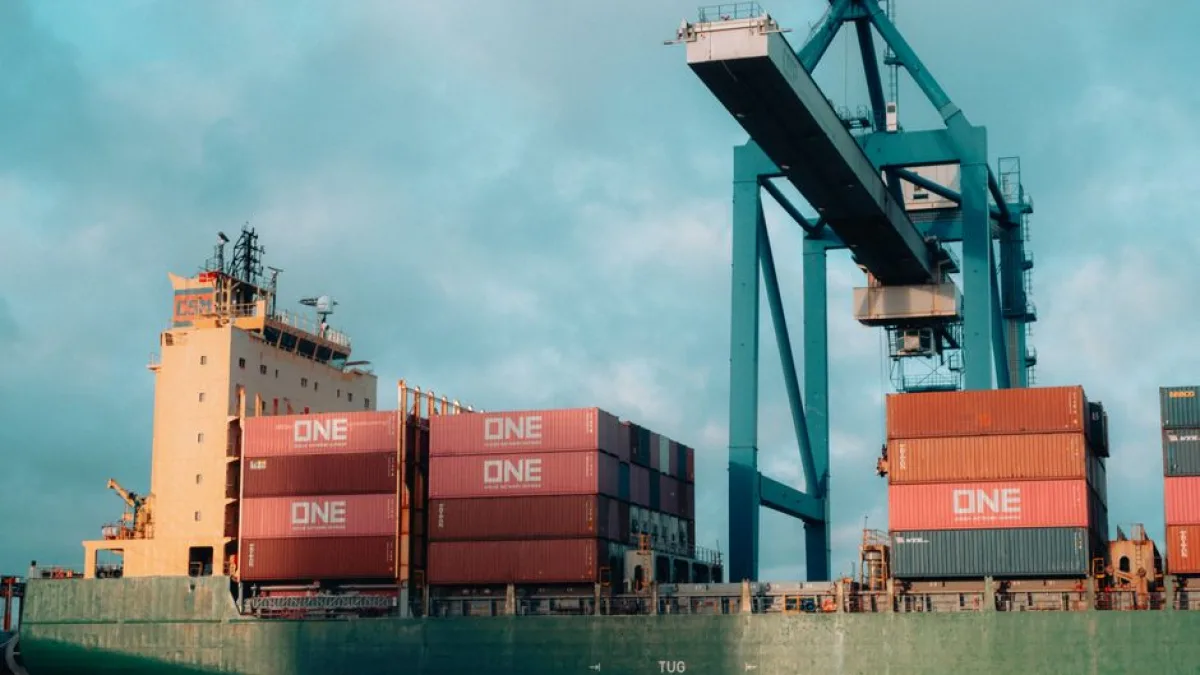
Effective documentation is the heart of international trade, yet it is often the most time-consuming task for forwarders. Utilizing cloud-based document management allows for seamless collaboration, ensuring that every essential bill of lading and customs form is accurate and compliant.
- Paperless Document Storage: Transition your physical filing systems to secure cloud storage to ensure that all critical shipment paperwork is easily searchable, highly organized, and accessible from any location.
- Dynamic Template Generation: Use pre-filled digital templates that pull data from your shipment records to generate accurate shipping documents, which saves valuable time and minimizes the risk of compliance errors.
- Digital Approval Workflows: Implement internal review processes that allow team members to approve and sign documents electronically, ensuring that the final paperwork is verified before it reaches the authorities.
- Secure Sharing Portals: Enable your customers and agents to access, review, and download their own shipping documents securely, which removes the need for insecure email attachments and protects sensitive data.
Digitizing your documentation process significantly reduces the administrative burden on your staff while enhancing overall accuracy. By removing the reliance on physical paper trails, your agency becomes more efficient and prepared for audits. Furthermore, a digitized approach ensures that your team can provide faster service, keeping your operations moving smoothly even during peak shipping seasons when documentation volume is typically at its highest level.
Optimizing Carrier Performance

Selecting the right carrier requires more than just checking the lowest rate. By analyzing historical performance data and reliability metrics, you can make informed decisions that improve the service quality your customers receive during their critical supply chain operations.
- Vendor Performance Metrics: Track key performance indicators such as carrier transit time accuracy and container availability to help you identify which shipping lines provide the most reliable service levels.
- Comparative Cost Analysis: Use software analytics to compare real-time rates against historical data, ensuring that you select the most cost-effective carriers without compromising on essential transit time requirements.
- Relationship Management Tools: Maintain detailed records of all carrier interactions and contract terms to foster stronger partnerships, which can be beneficial when negotiating better rates or space allocation.
- Capacity Utilization Planning: Evaluate your historical volume trends to predict future capacity needs, allowing you to secure space with preferred carriers in advance and avoid last-minute market price spikes.
Data-driven carrier management is a powerful tool for modern freight forwarders who want to maintain high service standards while managing costs. By leveraging software to gain insights into carrier performance, you move beyond guesswork and start making strategic decisions that benefit your bottom line. This level of optimization ensures that your clients receive the highest value possible, strengthening your brand reputation within the industry.
Conclusion

Adopting digital tools is no longer a luxury but a requirement for ocean freight professionals aiming to thrive in a globalized market. By automating bookings, enhancing visibility, digitizing documentation, and analyzing carrier performance, you can build a more resilient and profitable business. Embrace the transition to cloud-based logistics software today to drive efficiency and deliver the superior service that your clients expect and deserve.