Optimizing Ocean Freight Operations in a Digital Era
Monday, August 3 2026
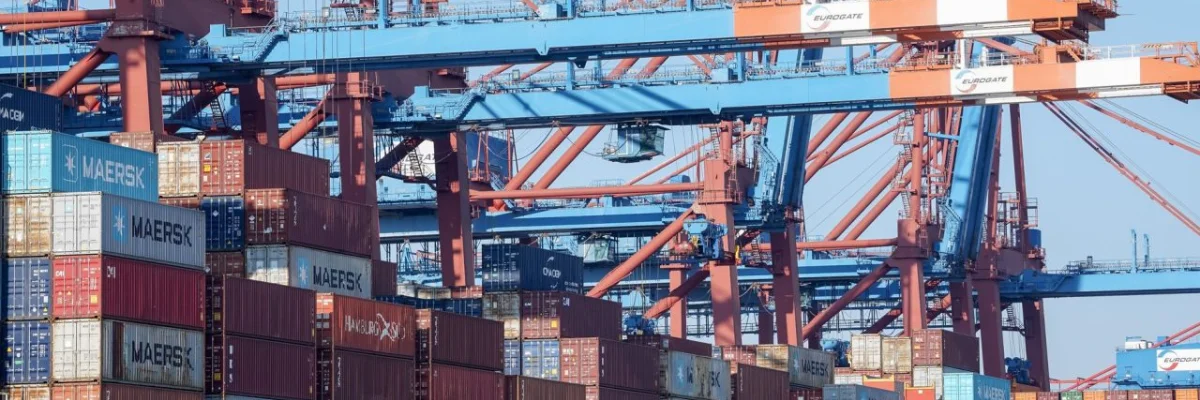
Modern ocean freight logistics demands unprecedented levels of agility and precision to navigate volatile global supply chains. As freight forwarders face increasing pressure from rising container costs and unpredictable port congestion, the traditional manual approach to documentation and vessel tracking is no longer sufficient. Leveraging advanced cloud-based software solutions allows professionals to transform complex workflows into streamlined, data-driven processes. By prioritizing real-time visibility and automated communication, companies can mitigate risks and enhance customer satisfaction throughout the shipping journey. This guide explores the essential pillars of modernizing maritime operations to ensure your firm remains competitive in an evolving marketplace.
Digitizing Booking Management
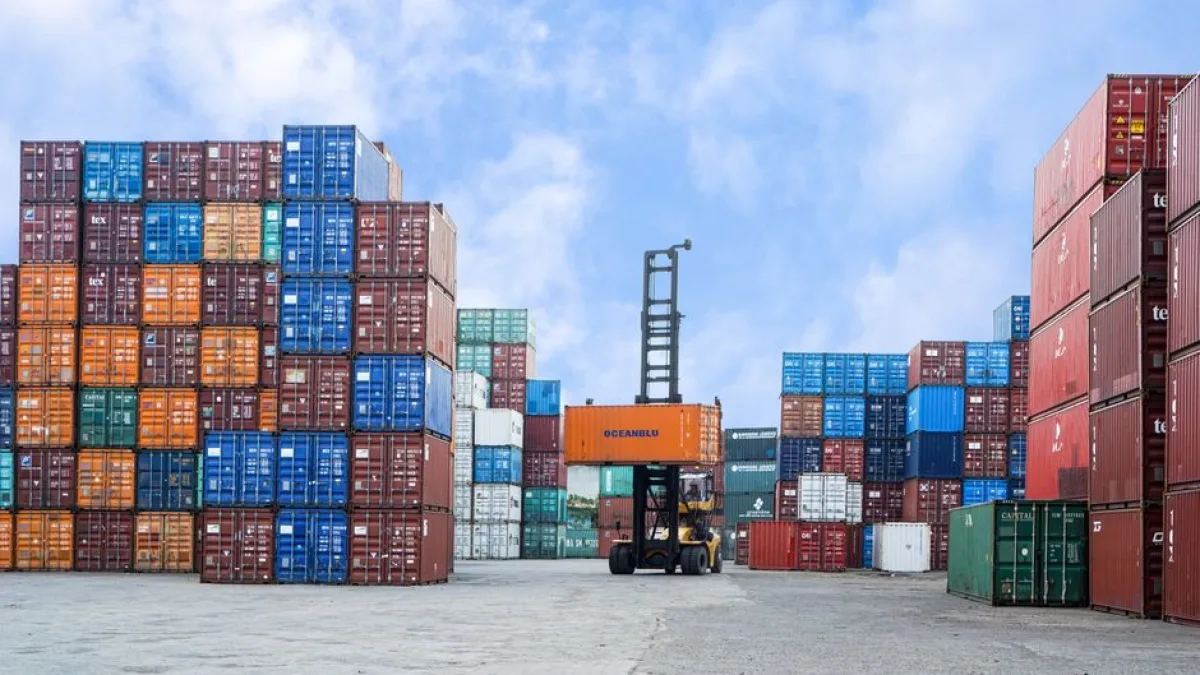
Digital transformation begins with how your team manages booking requests from clients. By moving away from email chains and spreadsheets, forwarding firms can centralize data and eliminate errors, ensuring that every shipment detail is captured accurately within a single source of truth.
- Instant Quote Generation: Automated quoting tools allow your team to provide clients with instant pricing, reducing wait times and increasing the conversion rate for your ocean freight services.
- Centralized Booking Portal: A unified platform enables customers to submit booking requests directly, ensuring that all necessary documentation is uploaded and verified before processing the initial logistics.
- Real-time Capacity Checks: Integrated systems provide live updates on vessel availability, helping you make informed decisions when securing slots for your clients on specific trade lanes.
- Error Reduction Protocols: Automated validation checks during the booking entry process prevent common mistakes like incorrect container weights or misspelled consignee details, significantly reducing costly manual rework.
Transitioning to a digital booking workflow empowers your logistics team to focus on strategic client growth rather than administrative data entry. When every team member accesses the same live data, coordination improves across every department. This operational clarity minimizes misunderstandings and speeds up the entire booking lifecycle, ensuring that your firm handles larger shipment volumes without sacrificing the quality or accuracy of your service delivery.
Enhancing Shipment Visibility

Achieving granular visibility throughout the transit process is critical for modern freight forwarders. Tracking vessel progress requires more than simple milestones; it demands integrated software that provides proactive alerts, allowing you to manage exceptions before they escalate into serious delays.
- Automated Tracking Updates: Advanced software platforms fetch status updates directly from carrier APIs, providing your customers with reliable information regarding container positions and estimated times of arrival.
- Exception Management Alerts: Intelligent systems monitor shipping milestones and trigger automatic notifications whenever a vessel is delayed, helping you communicate proactively with impacted stakeholders and partners.
- Integration with APIs: Connecting your freight software with global carrier data streams ensures that you receive accurate, verified updates without needing manual manual tracking calls.
- Customer Transparency Dashboards: Providing your clients with private access to their shipment journey builds immense trust and reduces the heavy volume of routine status update inquiries.
Proactive visibility transforms your customer service from a reactive role into a competitive advantage. When your team identifies delays before the customer calls, you regain control over the communication narrative. This shift not only improves client retention but also allows your staff to work more efficiently, moving away from frantic status checks and toward high-value problem solving for complex shipping challenges.
Optimizing Documentation Workflow

Processing shipping documents remains one of the most time-consuming tasks in ocean freight. Manual handling of bills of lading and commercial invoices is prone to errors, but cloud-based document management tools can automate these workflows to boost overall productivity.
- Automated Document Storage: Secure cloud storage ensures that every bill of lading, packing list, and customs document is organized and accessible to authorized team members instantly.
- Template Based Generation: Pre-defined document templates reduce the time spent creating common shipping forms, ensuring consistency and regulatory compliance across all your firm's outgoing client communications.
- Digital Approval Chains: Electronic signature integration allows stakeholders to review and approve documents remotely, drastically cutting down the time previously lost waiting for physical document signatures.
- Seamless Version Control: Versioning tools ensure that your staff always works with the most recent document iteration, preventing the common, costly mistakes associated with using outdated forms.
By streamlining documentation, your team eliminates the bottleneck of repetitive administrative work that often slows down shipping cycles. When systems handle the routine document generation and filing, logistics coordinators gain back hours of valuable time each week. This efficiency gain translates into faster billing cycles and improved cash flow, allowing your business to scale operations while maintaining the high standards expected by clients.
Strengthening Carrier Partnerships
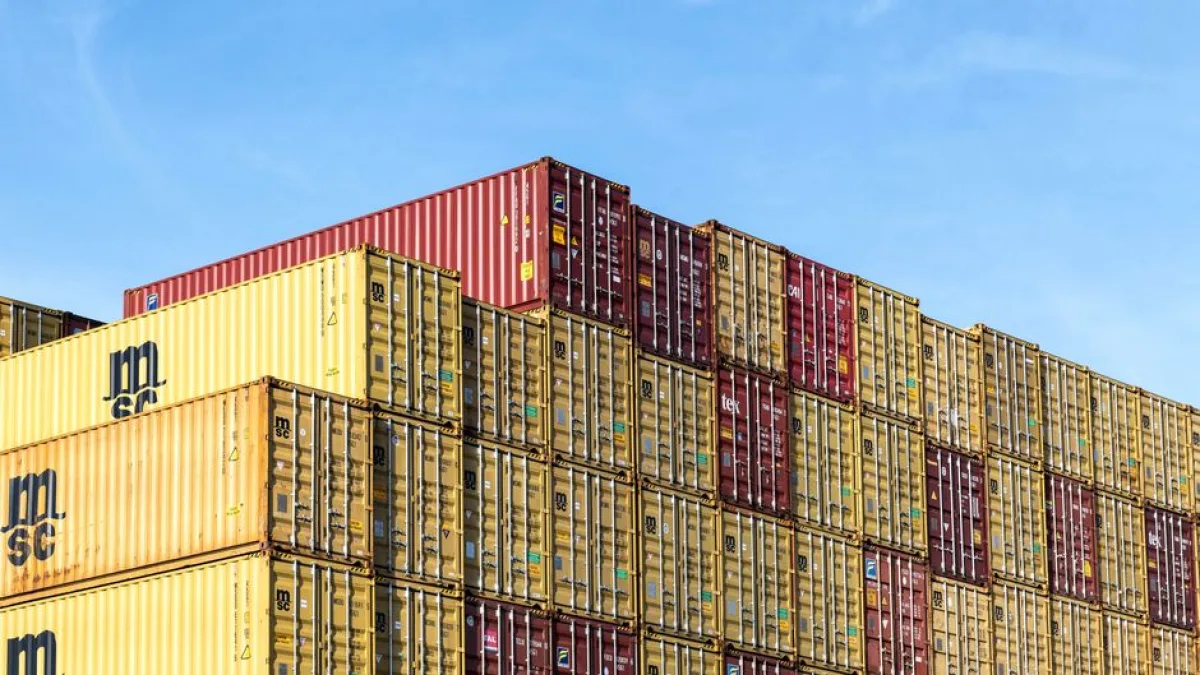
Success in ocean freight depends heavily on the strength of your carrier relationships. Effective software platforms provide the insights necessary to evaluate carrier performance, enabling your firm to negotiate better rates and choose the most reliable service partners for key routes.
- Performance Analytics Dashboards: Analytical tools visualize carrier transit times and reliability metrics, allowing you to compare service providers based on actual data rather than anecdotal information alone.
- Rate Management Tools: Centralized databases for contract rates allow your team to easily find the most cost-effective options for specific lanes, maximizing your profit margins per container.
- Collaboration Communication Channels: Dedicated communication modules within your software foster better interaction with carrier agents, ensuring that queries are resolved faster and collaboration remains transparent throughout.
Deepening partnerships through data-driven insights creates a more stable supply chain for your clients. By demonstrating your commitment to transparency and performance, you secure better access to space during peak seasons. Investing in tools that monitor these relationships ensures your forwarding firm remains a preferred partner for carriers while delivering consistently superior results for every shipper in your global network.
Conclusion

Optimizing your ocean freight operations requires a combination of robust software tools and a commitment to process innovation. By centralizing bookings, improving visibility, automating documents, and leveraging carrier data, you create a scalable foundation for future growth. Implement these digital strategies today to reduce operational costs, eliminate manual errors, and provide the exceptional service levels your clients demand in this competitive global industry.