Optimizing Ocean Freight Operations in a Digital Era
Monday, August 3 2026
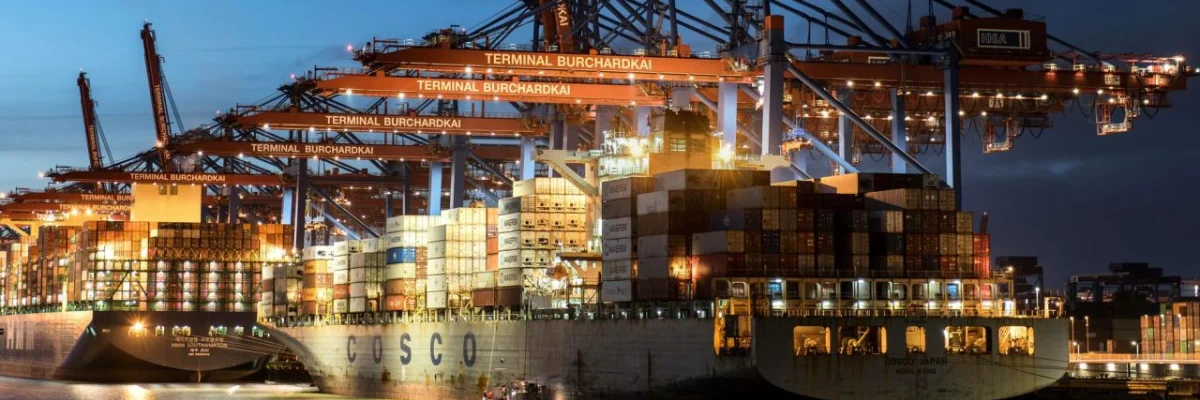
The global shipping industry is currently navigating a period of rapid digital transformation, necessitating a move away from legacy manual processes toward integrated software solutions. For freight forwarders, the complexity of managing ocean freight lies in the coordination of multiple stakeholders, fluctuating capacity, and unpredictable transit times. By leveraging cloud-based platforms, professionals can gain real-time visibility into their supply chains, significantly reducing administrative overhead and human error. As market competition intensifies, the ability to make data-driven decisions while maintaining transparency with clients becomes the primary differentiator for forwarders aiming to scale their operations and achieve long-term sustainability in the maritime sector.
Modern Container Terminal Logistics
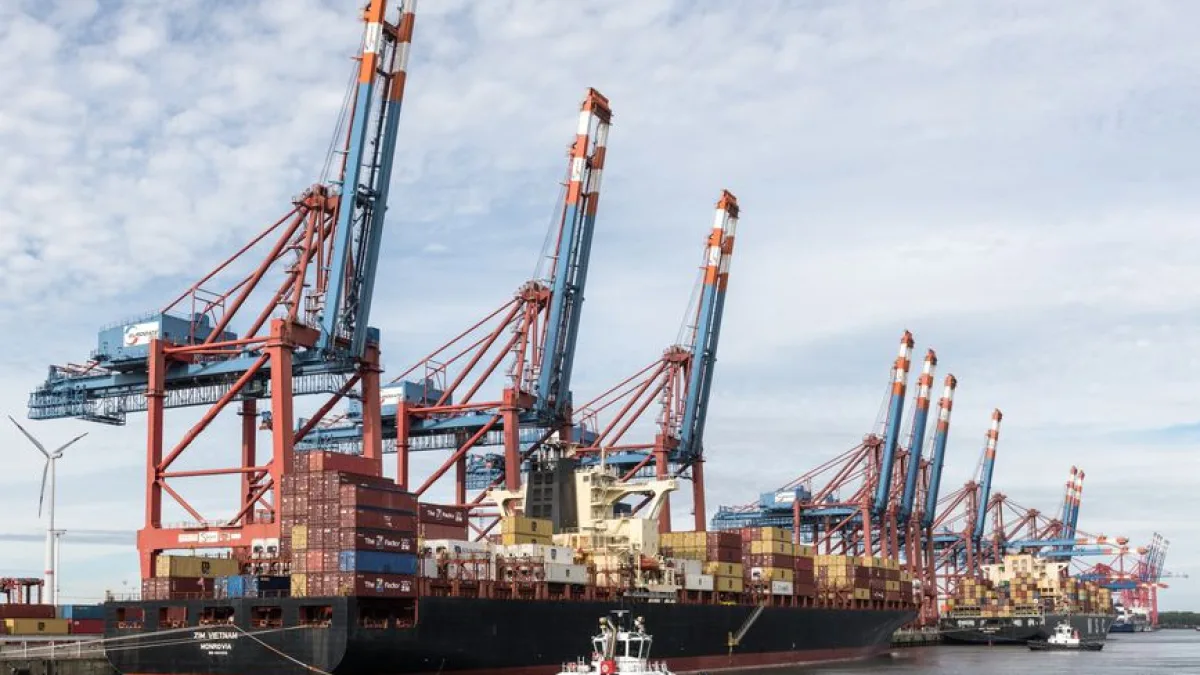
Efficient terminal management is the backbone of successful ocean freight logistics. By monitoring port congestion and equipment availability, forwarders can proactively adjust routing to avoid costly delays that impact bottom-line profitability for their clients throughout the entire transit process.
- Automated Tracking Systems: Integrating real-time data allows logistics providers to monitor container movements across global ports, providing stakeholders with accurate updates that reduce uncertainty and improve overall shipping reliability.
- Port Congestion Mitigation: Advanced software tools identify potential bottlenecks at major hubs, enabling teams to reroute shipments effectively before significant delays occur at busy global container terminals.
- Equipment Availability Tracking: Keeping precise logs of chassis and container availability ensures that cargo moves swiftly from the dock to inland transport without unnecessary wait times.
- Digital Documentation Flow: Streamlining the exchange of bills of lading and arrival notices minimizes manual entry tasks, accelerating the cargo clearance process at international border crossings.
Mastering the intricacies of terminal operations requires a commitment to digital integration and continuous process refinement. When freight forwarders utilize centralized platforms, they effectively synchronize every stage of the shipment lifecycle. This proactive approach to logistics management not only safeguards cargo integrity but also enhances the overall customer experience by providing consistent, reliable service regardless of the scale or complexity of the maritime voyage.
Optimizing Carrier Selection Strategies

Choosing the right carrier involves balancing cost against service reliability and transit speed. With access to real-time performance analytics, forwarders can objectively assess carrier capabilities, ensuring that every booking aligns with the specific requirements and budgetary constraints of their logistics clients.
- Performance Analytics Dashboards: Evaluating historical carrier data helps forwarders identify service partners that consistently meet deadlines, allowing for better strategic planning when booking capacity during high peak seasons.
- Rate Comparison Tools: Instant access to diverse shipping quotes enables companies to secure the most competitive pricing, directly increasing profit margins while maintaining high standards of service.
- Capacity Management Software: Predicting market fluctuations allows forwarders to secure space ahead of time, ensuring consistent shipment flow even during periods of heavy global trade demand.
- Sustainability Metric Reporting: Providing clients with transparent carbon emission reports helps businesses align with modern environmental regulations while promoting greener shipping options for their long-term supply chains.
Strategic carrier selection serves as the foundation for a resilient ocean freight business model. By moving beyond traditional manual spreadsheets and adopting automated booking systems, forwarders can handle increased volume with greater accuracy. This evolution in planning capability empowers teams to negotiate better terms, ultimately creating a more stable and profitable environment for freight professionals who prioritize long-term growth and operational excellence.
Managing Complex Customs Compliance

Navigating the labyrinth of international trade regulations requires extreme precision and constant updates. Automated compliance modules assist forwarders in validating documentation against local laws, which prevents fines and ensures that cargo moves through customs checkpoints without unnecessary and expensive administrative friction.
- Regulatory Compliance Alerts: Automatically receiving notifications about changing international trade laws ensures that every shipment adheres to regional requirements, significantly lowering the risk of expensive custom penalties.
- Digital Document Validation: Verification software cross-references manifest details with safety data, eliminating clerical errors that often lead to shipments being held up for extended periods at borders.
- Tariff Classification Accuracy: Streamlined databases help users assign the correct commodity codes to goods, ensuring that taxes and duties are calculated accurately for all international freight movements.
- Sanction Screening Tools: Integrating automated checks for restricted parties ensures that every business transaction complies with global trade policies, protecting the firm from potential legal complications.
Compliance is a critical pillar of risk management within the maritime freight industry. By automating routine verification tasks, forwarders can focus their human capital on complex problem-solving rather than administrative data entry. Maintaining a clean record of compliance is essential for preserving the reputation of a freight forwarding firm while ensuring that global goods move seamlessly across international borders without interruption.
Leveraging Real Time Visibility

Visibility is no longer just a luxury but a fundamental necessity for modern freight forwarding. Real-time data streams empower forwarders to provide immediate, actionable intelligence to their customers, fostering deep trust and distinguishing their services from competitors who still rely on legacy communication.
- End to End Visibility: Offering clients a clear view of their inventory from the point of origin to the final destination enhances transparency and builds lasting professional trust.
- Predictive Delay Alerts: Using machine learning to anticipate potential transit delays allows forwarders to communicate effectively with clients, enabling them to make informed decisions for their businesses.
- Automated Client Notifications: Sending real-time status updates through a dedicated portal reduces the need for manual status queries, saving significant time for customer service teams every day.
- Exception Management Workflows: Identifying specific shipping anomalies quickly enables rapid response actions, ensuring that small issues are resolved before they escalate into significant cargo delivery failures.
Achieving total visibility creates a powerful competitive advantage for any logistics company operating in today's crowded market. By digitizing the customer experience, forwarders can offer the clarity and precision that modern shippers demand from their partners. This data-centric approach transforms standard shipping services into a value-added experience, ultimately solidifying long-term partnerships and positioning the firm as a leader in international freight logistics.
Conclusion

Future-proofing your freight forwarding business requires a dedicated transition to modern, cloud-based infrastructure. By focusing on automation, compliance, and real-time visibility, professionals can navigate the complexities of ocean freight with confidence and efficiency. Embracing these technological shifts ensures that your organization stays competitive in a rapidly changing global landscape. Start exploring how MakeCargo can streamline your daily operations and scale your success today.