Optimizing Ocean Freight Operations for Modern Logistics
Tuesday, August 4 2026
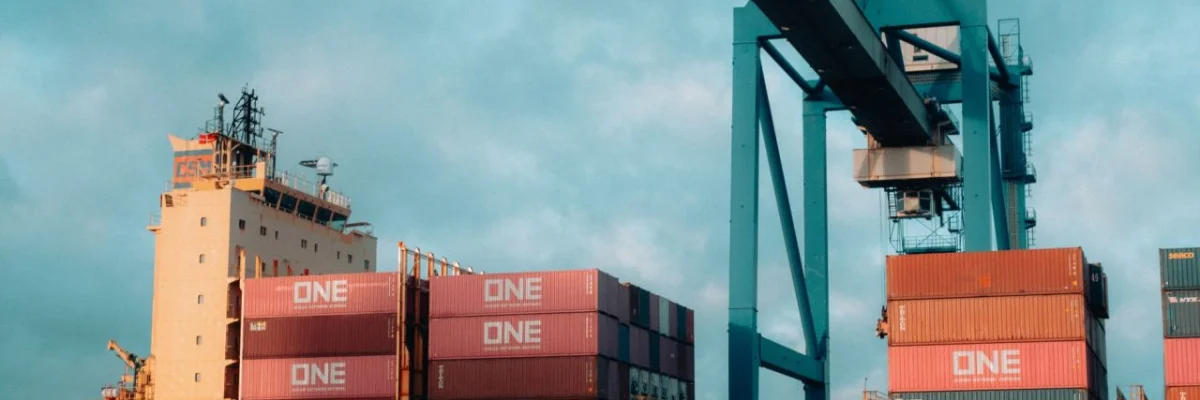
Navigating the complex landscape of global ocean freight requires more than just reliable shipping lines and competitive pricing. As supply chain volatility becomes the new normal, freight forwarders must leverage advanced technology to maintain visibility and operational efficiency. From managing container shortages to navigating intricate customs regulations, the modern forwarder acts as a strategic partner to shippers worldwide. By integrating digital solutions, your team can automate manual tasks, reduce costly errors, and ensure seamless communication across international borders. Embracing these technological shifts is no longer a luxury for industry leaders but a fundamental requirement for scaling operations in an increasingly interconnected global market.
Streamlining Port Logistics
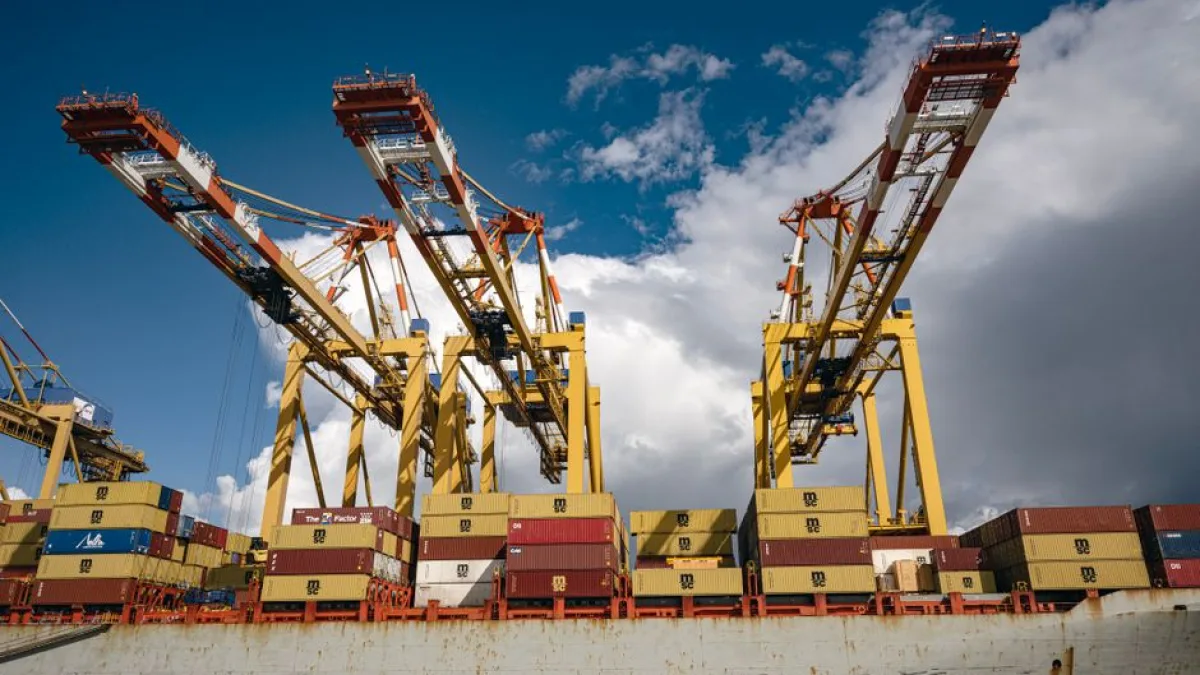
Efficient port operations rely on the seamless coordination of terminal arrivals and vessel scheduling to prevent expensive bottlenecks. Freight forwarders who master the art of port logistics minimize dwell times, ensuring that your clients goods move swiftly through the terminal gates.
- Real-time vessel tracking: Advanced digital platforms provide live updates on vessel locations, allowing your team to anticipate potential delays and proactively adjust delivery schedules to keep clients fully informed.
- Automated gate appointments: Integrating software directly with port authorities enables automated scheduling of drayage trucks, which significantly reduces waiting times and optimizes your overall inland transportation fleet utilization.
- Terminal throughput optimization: Analyzing historical port congestion data helps you choose the most efficient routes, effectively bypassing high-traffic terminals to ensure cargo arrives at the final destination ahead of schedule.
- Container yard management: Utilizing cloud-based dashboards to monitor container statuses helps you identify empty units quickly, reducing storage fees and improving the overall turnaround speed of your shipping equipment.
By shifting away from legacy spreadsheets and adopting centralized software platforms, your agency gains a competitive edge in terminal coordination. These tools offer granular visibility into every stage of the transit process, allowing you to react instantly to unexpected disruptions at the port. Ultimately, this level of control translates into lower operational costs and enhanced client trust, solidifying your reputation as a reliable and efficient freight forwarding partner.
Digital Documentation Management

Modern freight forwarding demands a paperless approach to documentation to eliminate the risk of lost files and processing delays. Managing bills of lading and commercial invoices through a digital portal ensures compliance and accuracy for every single global shipment.
- Electronic document storage: Keeping all shipping documents in a secure cloud repository allows your staff to access critical paperwork from anywhere in the world, ensuring no document is ever misplaced.
- Automated data entry: Smart character recognition tools extract information from paper forms, reducing human error and speeding up the booking process while saving your team valuable hours each day.
- Instant compliance checks: Automated systems verify that all customs documents meet international requirements before submission, preventing costly fines and stopping potential delays at the border for your important cargo.
- Secure digital signatures: Utilizing verified electronic signature platforms simplifies the approval process between shippers and carriers, allowing for rapid finalization of contracts without needing physical meetings or mailing original documents.
Transitioning to an automated documentation workflow removes the administrative burden that typically slows down ocean freight teams. When information is digitized and searchable, your staff can focus on high-value tasks like customer service and business development rather than manual data entry. This investment in digital infrastructure pays for itself by reducing operational overhead and accelerating the overall billing cycle for your forwarder business.
Optimizing Carrier Relations
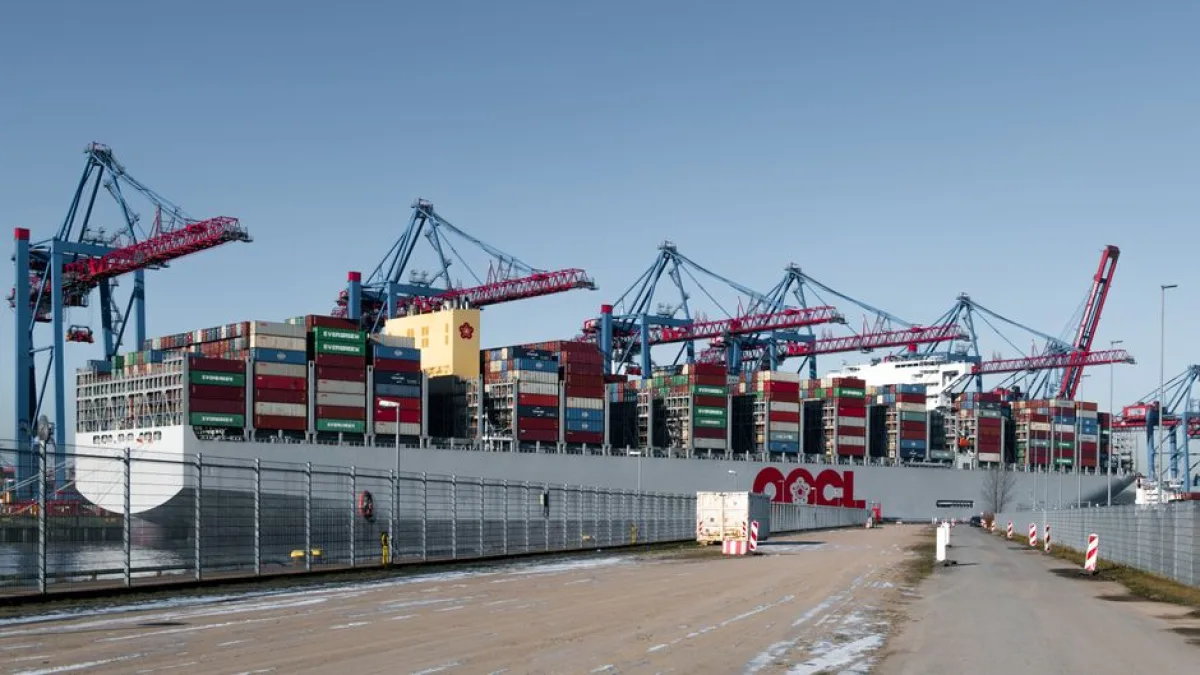
Building strong partnerships with shipping lines is vital for securing competitive space allocations during peak seasons. Effective communication and performance monitoring help maintain favorable rates and ensure that your cargo remains a priority even during periods of limited container availability.
- Performance analytics tracking: Monitoring carrier transit times and reliability scores allows you to make data-driven decisions when selecting partners, ensuring you always provide the best service for your customers.
- Centralized rate management: Maintaining a database of current spot and contract rates enables your team to provide instant quotes to clients, maximizing your margins while maintaining competitive market pricing.
- Space allocation forecasting: Sharing accurate shipment projections with carriers early in the process improves your chances of securing necessary space during tight peak seasons when capacity is extremely limited.
- Automated communication channels: Direct API connections between your software and carrier systems ensure that booking confirmations and status updates flow directly into your platform without any manual intervention required.
Active carrier management transforms your relationship with shipping lines from a transactional interaction into a strategic alliance. By leveraging data to demonstrate your consistent volume and reliability, you gain more leverage during contract negotiations. This strategic approach ensures that you provide exceptional value to your shippers, keeping your rates competitive while ensuring that your cargo moves smoothly through the global ocean freight network.
Enhancing Customer Transparency

Shippers today demand total visibility into their supply chain, requiring forwarders to provide proactive updates at every stage of the journey. Offering a branded customer portal gives your clients peace of mind and reduces the number of inbound status inquiries.
- Client-facing visibility dashboards: Providing your shippers with access to a customized portal allows them to track their own cargo, reducing the burden on your team for manual status updates.
- Proactive milestone notifications: Setting up automatic email or SMS alerts for key transit milestones ensures that your clients are always aware of their cargo location without needing to ask.
- Transparent cost breakdown: Clearly displaying all shipping charges and surcharges within the customer interface builds trust, preventing misunderstandings and ensuring that your billing process is completely transparent and fair.
- Integrated communication tools: Enabling secure messaging features directly within the tracking portal facilitates quick communication, allowing clients to ask questions and get responses without leaving your specialized freight software platform.
Providing a superior digital experience is the most effective way to retain customers in a saturated market. When shippers can access their own data, they feel empowered and connected to their logistics process, which increases overall loyalty and long-term retention. Investing in customer-centric technology allows you to deliver a premium service level that differentiates your firm from competitors while scaling your own internal logistics operations.
Conclusion
Mastering ocean freight requires the perfect balance of strategic partner management, digital documentation, and transparent communication. By adopting modern software solutions, your team can automate complex workflows and deliver superior value to your global clients. Now is the ideal time to evaluate your internal processes and implement tools that drive efficiency. Contact the MakeCargo team today to transform your freight forwarding operations effectively.