Optimizing Ocean Freight Operations in the Digital Age
Wednesday, August 5 2026

The global shipping landscape is undergoing a massive transformation driven by rapid technological adoption and changing market demands. For modern freight forwarders, the complexity of managing ocean freight extends far beyond booking space and processing bills of lading. Successfully navigating carrier schedules, port congestion, and fluctuating surcharges requires a sophisticated approach to data management and real-time visibility. By leveraging cloud-based platforms, logistics professionals can move away from manual spreadsheet tracking toward a proactive model. This shift empowers teams to minimize delays, reduce administrative burdens, and provide superior service levels that secure long-term partnerships in an increasingly competitive international supply chain environment.
Mastering Carrier Capacity Management
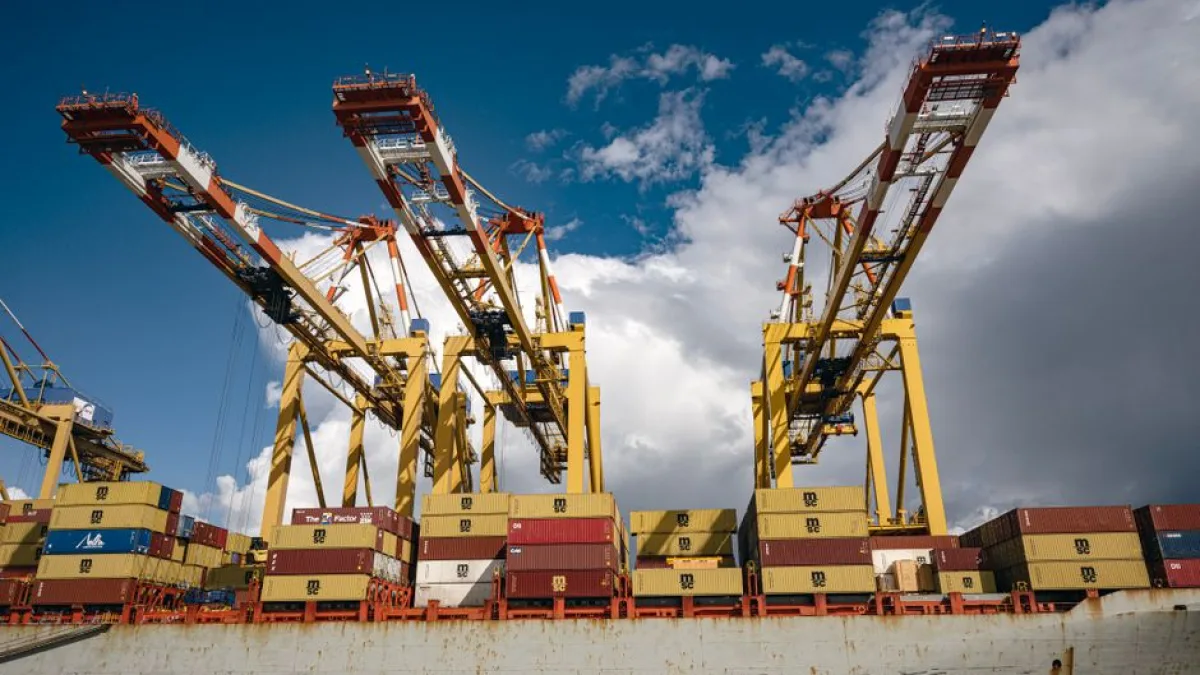
Efficiently managing carrier capacity requires precise coordination and foresight during peak seasons. By visualizing space allocations and comparing multiple carrier options in a single interface, forwarders can ensure they meet customer deadlines while maintaining profitability despite volatile market shifts and space constraints.
- Automated booking systems: Integrated booking modules allow forwarders to instantly compare rates and space availability across multiple shipping lines to secure the best options for their specific cargo requirements.
- Capacity trend monitoring: Advanced analytics provide visibility into historical carrier performance and space constraints, helping teams anticipate shortages before they disrupt critical supply chain timelines for their valued clients.
- Strategic vessel selection: Evaluating carriers based on transit times and reliable port rotations ensures that shippers receive consistent performance data, which directly influences their long-term trust in operations.
- Optimized allocation planning: Digital dashboards facilitate the allocation of container space to high priority shipments, ensuring that critical deadlines are met regardless of the current global container availability.
Optimizing how your firm interacts with carrier capacity directly impacts your bottom line and customer satisfaction scores. When you move beyond fragmented email communications and adopt integrated digital tools, your team gains the ability to make data driven decisions in seconds. This speed allows for proactive communication with shippers, preventing potential bottlenecks and keeping the entire supply chain moving smoothly through even the busiest shipping seasons.
Leveraging Real-Time Cargo Visibility
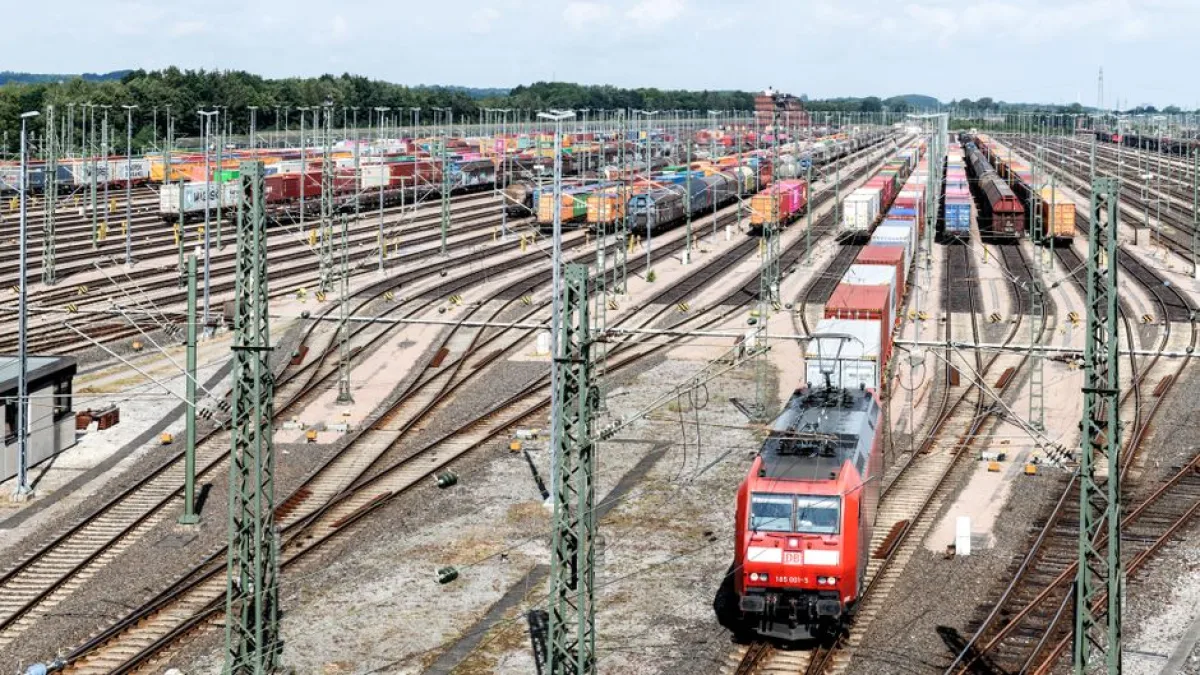
Real-time visibility acts as the backbone for modern logistics management in the ocean freight sector. Accessing live status updates allows forwarders to track containers across international waters, providing accurate arrival estimates and minimizing the uncertainty that often plagues traditional global shipping operations.
- Live GPS tracking: Implementing cloud-based tracking software allows for granular updates on container location, providing shippers with accurate status changes as vessels traverse global shipping routes daily.
- Exception alert protocols: Automated notifications alert operations teams to potential delays, enabling them to troubleshoot issues such as port congestion or customs holds before they cause significant.
- Enhanced shipment transparency: Providing clients with a self-service portal creates a sense of confidence, as they can monitor their cargo progress without needing to call your office.
- Data driven reporting: Compiling historical tracking data helps identify recurring delay patterns at specific ports, allowing for smarter route planning and better vessel selections in future freight projects.
Visibility is no longer an optional luxury in the freight industry because modern shippers demand instant access to their inventory status. By utilizing advanced tracking features within your management software, you transform your customer service from reactive to proactive. Providing this level of clarity strengthens your reputation as a reliable forwarder who stays ahead of problems while ensuring goods reach their final destinations on time.
Streamlining Documentation and Compliance

Managing the endless stream of documentation required for international ocean freight is a significant source of operational friction. Simplifying these workflows through digital automation saves countless hours, reduces error rates in filing, and ensures that every shipment complies with evolving global trade regulations.
- Electronic bill processing: Moving away from paper-based bill of lading workflows toward digital document management reduces manual data entry errors and speeds up the entire billing process.
- Automated compliance checks: Integrated compliance tools automatically verify documentation against local customs regulations, preventing costly penalties and reducing the likelihood of shipments being detained at international borders.
- Secure document storage: Keeping all shipping documents in a centralized, cloud-based repository ensures that team members have instant access to necessary records during audits or inspections.
- Smart template generation: Standardizing shipping documents using pre-populated templates minimizes the time spent creating recurring paperwork, allowing staff to focus on high-value logistics strategy tasks instead.
Digital documentation management is the key to scaling your freight forwarding operations effectively. By digitizing your paperwork, you create a unified record that is accessible from anywhere, fostering better collaboration between international offices and domestic partners. This transition eliminates common administrative bottlenecks, allowing your team to process more shipments in less time while maintaining full compliance with the complex laws governing international trade today.
Enhancing Partner and Agent Collaboration

The success of an ocean freight shipment often relies on the seamless cooperation between international partners and local agents. Fostering strong communication channels through a shared cloud platform ensures everyone operates from the same information, which reduces friction and accelerates the overall transit speed of goods.
- Centralized communication hubs: Using dedicated portals for agent interaction keeps all correspondence linked to specific shipments, ensuring that no vital piece of information is lost in threads.
- Shared project visibility: Giving global partners access to the same dashboard creates a single source of truth, effectively removing discrepancies in shipment status or arrival time expectations.
- Collaborative workflow tools: Digital tasks and reminders keep remote teams aligned on pending requirements, such as clearing customs or arranging last-mile delivery, to avoid unnecessary shipment delays.
- Standardized data exchange: Utilizing API integrations for data sharing ensures that information flows flawlessly between different regional partners, maintaining consistency across the entire supply chain network today.
Strong collaboration is the engine that drives international logistics performance. By providing your partners with the right digital infrastructure, you bridge the gap between continents and simplify complex logistics chains. This unified approach prevents errors, fosters mutual trust, and improves the overall quality of your freight services. When everyone works together effectively, your entire firm becomes more resilient and capable of handling complex challenges.
Conclusion
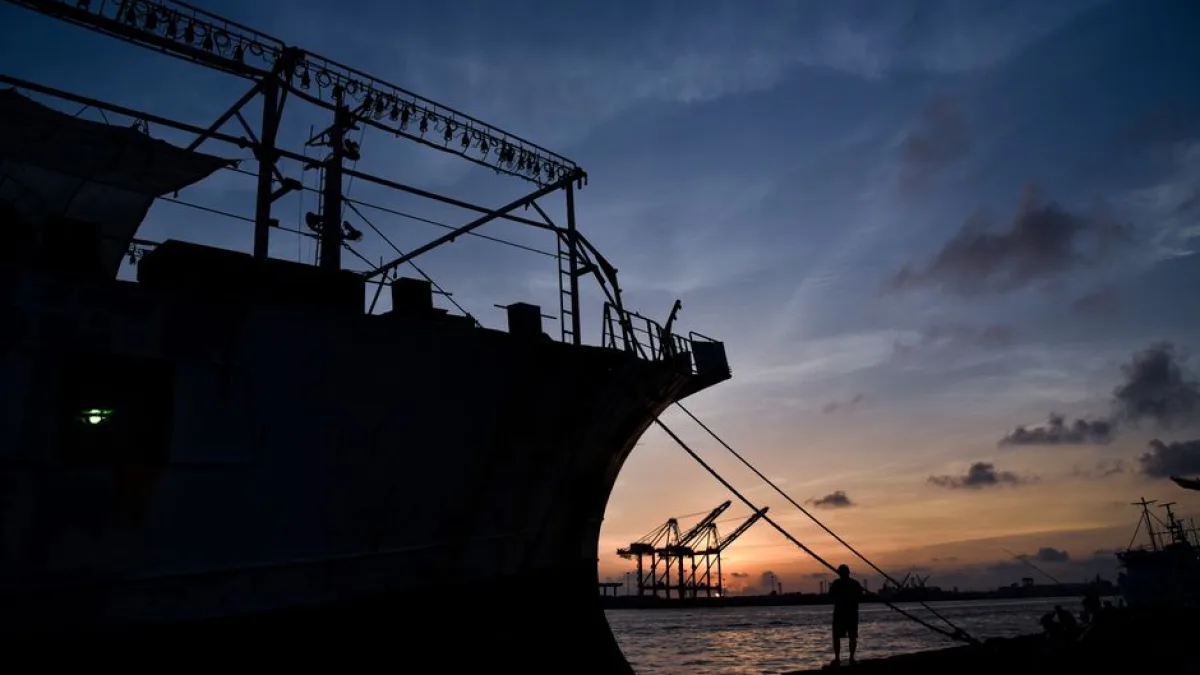
Mastering ocean freight requires a combination of smart technology adoption and a commitment to operational excellence. By focusing on carrier capacity, real-time visibility, automated documentation, and seamless partner collaboration, your freight forwarding business can overcome modern supply chain obstacles. Investing in cloud-based solutions today prepares your firm for the future, ensuring you remain a reliable and competitive partner for your clients worldwide.