Optimizing Ocean Freight Operations in the Modern Digital Era
Wednesday, August 5 2026
Navigating the complex landscape of global ocean freight requires more than just reliable carriers and steady capacity. As global supply chains face unprecedented volatility, forwarders must leverage advanced digital infrastructure to maintain visibility and operational efficiency. Moving away from manual processes is no longer a luxury but a fundamental necessity for companies aiming to scale profitably. By integrating cloud-based platforms into your daily workflows, you can automate routine tasks, minimize human errors, and provide your clients with the transparent, real-time data they demand in today is fast-paced logistics market. This article explores essential strategies for modernizing your ocean freight operations.
Mastering Container Logistics Efficiency
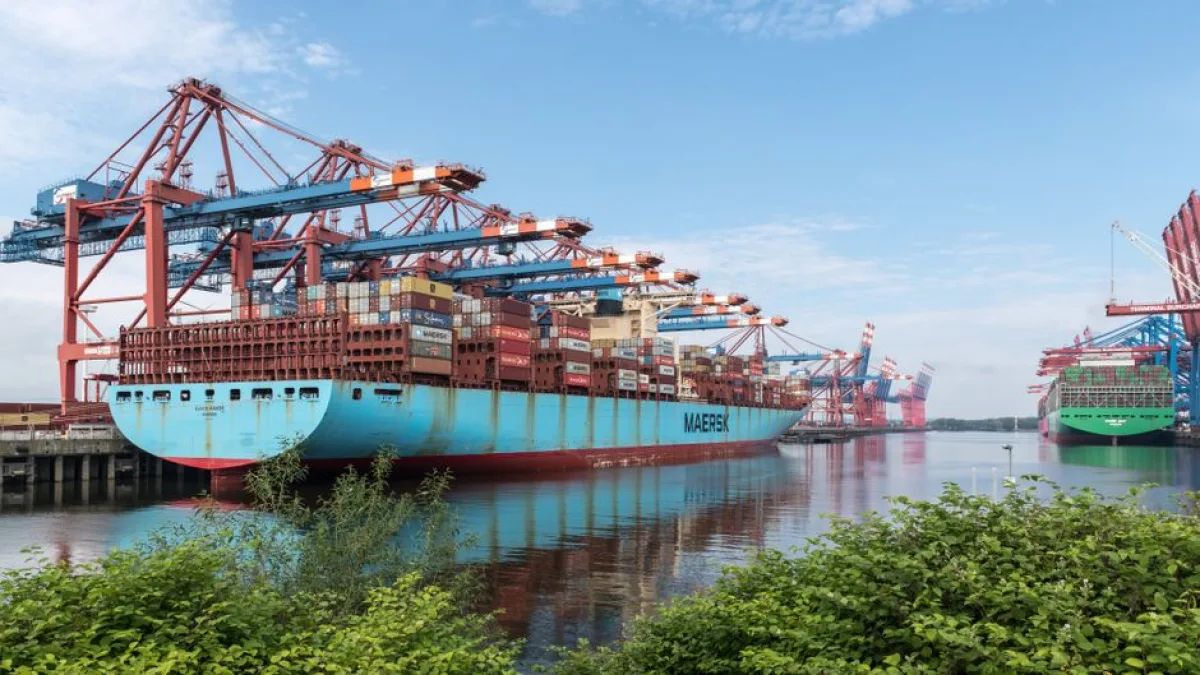
Modern container management requires precise coordination to ensure that every unit is tracked from origin to final destination. By utilizing digital tools, forwarders can synchronize documentation and movement data, reducing the risk of bottlenecks at busy international port terminals.
- Automated Tracking Updates: Real-time visibility tools automatically update shipment milestones, which reduces the manual workload on your customer service team and provides instant status updates to your valued clients.
- Digital Document Handling: Transitioning to cloud-based document management allows your staff to store, share, and retrieve bills of lading or packing lists instantly without physical paper storage burdens.
- Resource Capacity Planning: Predictive analytics allow you to forecast vessel space requirements based on historical data, ensuring that your bookings align perfectly with fluctuating market supply and demand.
- Seamless Port Integration: Integrating your software with port authority systems ensures that container gate-in and gate-out notifications are received instantly, which speeds up your overall processing time significantly.
Optimizing these processes creates a foundation for scalable growth that manual spreadsheets simply cannot support. When your team spends less time hunting for information and more time analyzing logistics patterns, your freight forwarding business gains a clear competitive advantage. Embracing these digital workflows ensures you remain resilient against market shocks while maintaining high service standards for your international clients throughout the entire transit process.
Enhancing Carrier Communication Channels
Effective collaboration with shipping lines is the backbone of successful ocean freight logistics. Strengthening these digital connections minimizes delays and ensures that critical rate information and space availability are communicated clearly across all participating logistical stakeholders involved daily.
- Integrated Booking Portals: Centralizing booking requests through a single cloud platform eliminates email fragmentation, allowing your team to manage all carrier interactions from one convenient, unified digital dashboard.
- Rate Management Tools: Using automated rate databases allows you to compare quotes from multiple carriers in seconds, ensuring that you always select the most cost-effective routing options.
- Instant Status Alerts: Automated notifications keep your team informed about schedule changes or blank sailings immediately, allowing you to proactively adjust plans before any major disruptions occur globally.
- Unified Messaging Systems: Internal communication logs attached directly to specific shipments ensure that every team member understands the context of carrier negotiations without needing lengthy follow-up email chains.
Strong communication channels bridge the gap between complex logistics plans and physical execution on the water. When carrier data flows seamlessly into your internal systems, your team can resolve issues rapidly and prevent minor hiccups from becoming expensive cargo delays. Investing in these digital communication links turns your carrier relationships into a powerful asset that drives efficiency and improves your operational bottom line.
Streamlining Customs Clearance Processes

Navigating customs regulations is a high-stakes task that demands absolute accuracy and timely submission of paperwork. Digital tools help standardize compliance procedures, significantly reducing the probability of shipment seizures or hefty fines at international borders during the transit.
- Standardized Data Entry: Cloud platforms provide templates for customs declarations that auto-fill critical shipment details, which drastically reduces manual typing errors and speeds up the entire clearance submission process.
- Compliance Monitoring Tools: Automated checks compare your documentation against international trade regulations, ensuring that you avoid common compliance pitfalls and maintain a clean record with government authorities.
- Electronic Filing Capabilities: Direct integration with government customs portals allows for immediate submission of documents, which decreases the time cargo spends waiting in the bonded customs warehouse area.
- Audit Trail Archives: Maintaining a comprehensive digital history of all customs interactions provides necessary transparency, making it easy to retrieve records for future compliance audits or reviews.
Maintaining a smooth customs process is essential for keeping supply chains moving without interruption. By automating the most tedious parts of documentation and compliance, you empower your staff to focus on complex exceptions that require expert human judgment. This proactive approach to clearance ensures that your clients avoid unexpected penalties and keeps their cargo arriving on time despite the complex regulatory environment.
Scaling Through Cloud Infrastructure

The future of freight forwarding relies on the agility provided by cloud-based software solutions. These platforms enable teams to collaborate across global time zones, providing the flexibility required to manage complex ocean freight operations from any location.
- Global Accessibility Features: Cloud platforms allow your remote or international office staff to access shipment data securely at any time, promoting a truly collaborative and efficient work environment.
- Data Security Measures: Robust encryption and regular automated backups protect your sensitive client data from cyber threats, ensuring that your business maintains trust with all stakeholders.
- Rapid System Scalability: Cloud infrastructure allows your business to add new users or features quickly, ensuring your technology grows alongside your increasing volume of ocean freight shipments.
- Advanced Data Analytics: Powerful dashboard tools transform raw shipment data into actionable insights, helping you identify trends that can save your clients money and increase profitability.
Transitioning your operations to a scalable cloud infrastructure is the most effective way to prepare for the demands of the modern logistics industry. By providing your team with the right tools, you foster a culture of efficiency and continuous improvement. Investing in this technology today ensures that your freight forwarding firm remains relevant, profitable, and capable of handling future market growth challenges.
Conclusion

Modernizing your ocean freight business requires a blend of smart technology and strategic operational planning. By focusing on automation, connectivity, and data accuracy, you can overcome common industry challenges and provide superior service. Take the first step toward transforming your workflow by exploring cloud-based solutions today. Your commitment to digital excellence will secure your position as a leader in the global shipping market.