Optimizing Ocean Freight Operations for Modern Freight Forwarders
Thursday, August 6 2026
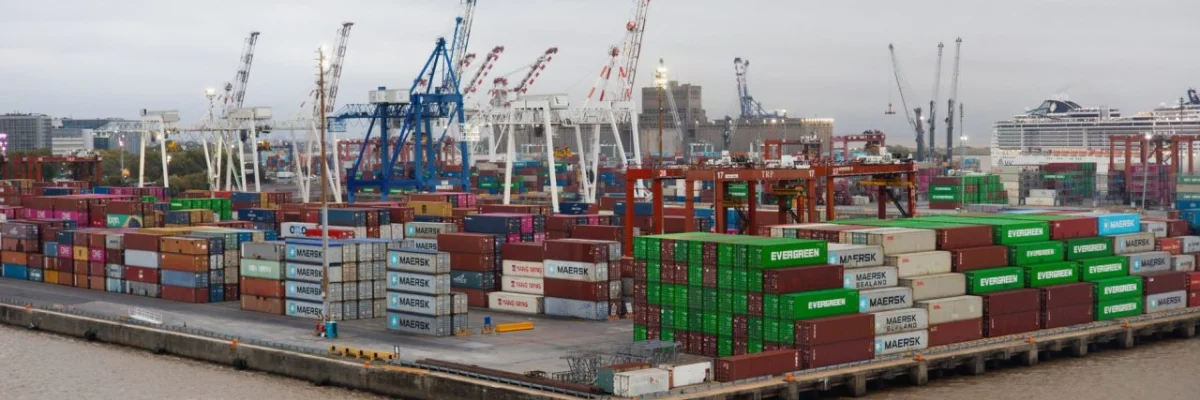
The global shipping landscape is evolving at a rapid pace, demanding that freight forwarders adopt smarter digital strategies to maintain a competitive edge in ocean freight. As port congestion and supply chain volatility become the new normal, forwarders must move beyond manual workflows to ensure operational excellence. Cloud based platforms now empower teams to gain real-time visibility, manage complex documentation, and communicate seamlessly with carriers. By embracing automation and data-driven insights, modern logistics providers can transform their internal processes, reduce costly delays, and deliver superior customer service while navigating the intricate complexities of international sea trade today.
Streamlining Booking Processes
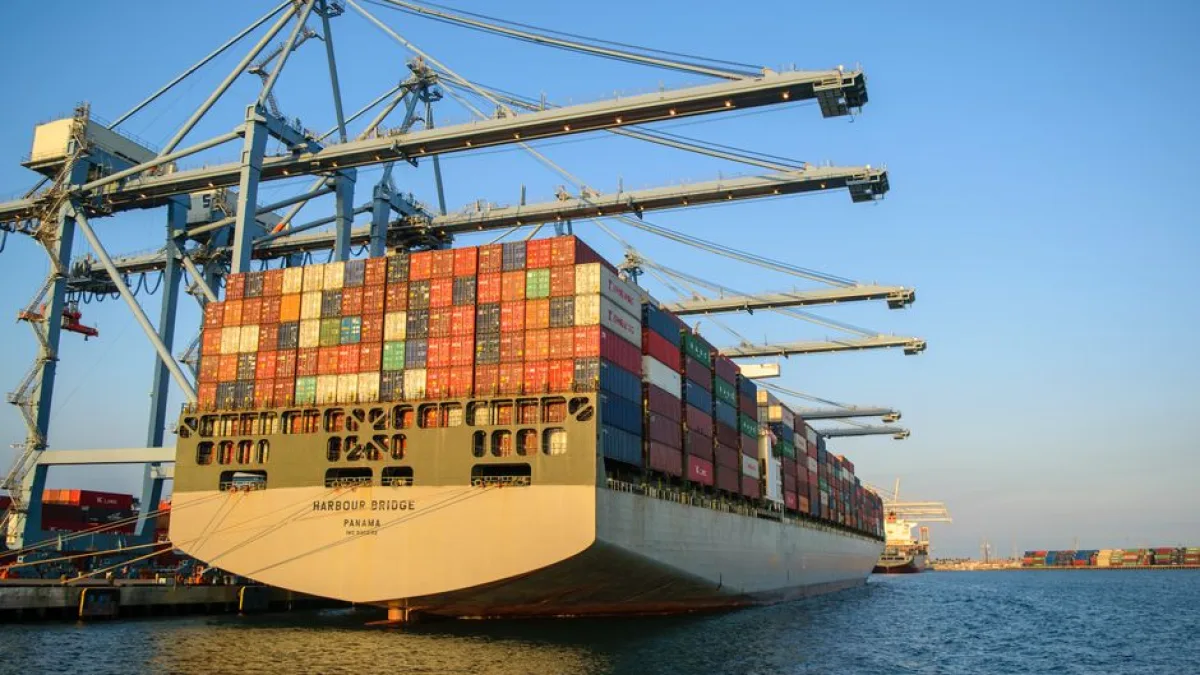
Efficient booking management serves as the foundation for successful ocean freight operations, minimizing manual entry errors and accelerating turn times. Digitized platforms allow forwarders to compare rates across multiple carriers instantly, ensuring that logistical decisions are based on accurate data and current market trends.
- Automated Rate Comparisons: Quickly aggregate and evaluate various carrier quotes to find the most cost effective routing options for your specific cargo requirements without wasting valuable time on manual spreadsheets.
- Instant Booking Confirmation: Eliminate the back and forth email chains by using integrated digital tools that sync directly with carrier systems to secure space on vessels in real time.
- Documentation Accuracy Checks: Utilize smart software features to validate shipping data automatically against customs requirements and carrier standards to prevent costly delays during the complex export filing process.
- Vendor Relationship Management: Maintain a centralized database of all carrier contracts and performance metrics to strengthen your partnerships and leverage better shipping rates for your recurring client volumes.
By shifting to an automated booking workflow, forwarders reclaim hours previously lost to administrative burdens. This operational shift enables staff to focus on high value tasks like strategic planning and customer retention. As digital connectivity becomes standard, your ability to provide fast, reliable booking services will directly reflect on your reputation. Invest in software that bridges the gap between your office and carrier terminals effectively.
Real Time Shipment Tracking

Maintaining full visibility over container movements is essential for managing client expectations and mitigating the impact of unforeseen supply chain disruptions during transit. Modern tracking solutions provide transparent updates that keep every stakeholder informed from the initial port pickup to the final destination.
- Live Vessel Tracking: Monitor the exact location and movement of your shipments across global oceans using satellite data feeds integrated directly into your central freight management software platform.
- Automated Status Alerts: Configure customizable notification triggers to inform your team and your clients the moment a vessel hits a major milestone or experiences an unexpected transit delay.
- Geofencing Port Activities: Set up digital zones around critical ports to receive immediate updates when containers arrive at terminals, depart for inland transport, or complete loading processes.
- Exception Management Tools: Quickly identify shipments that fall behind schedule, allowing your team to proactively communicate with clients and devise alternative solutions before problems escalate into major issues.
Proactive visibility transforms the client experience from reactive stress to informed confidence. When forwarders provide precise data points throughout the journey, trust increases significantly. Use these tools to identify recurring bottlenecks in your typical routes and adjust your planning accordingly. A commitment to transparency through digital tracking ensures that your operations remain resilient against the unpredictable nature of global sea logistics today.
Managing Documentation Digitally

Paperwork remains a significant bottleneck in ocean freight, but cloud platforms simplify the creation, storage, and sharing of critical shipping documents. Centralizing your files ensures that every team member has access to the latest versions of bills of lading and commercial invoices.
- Cloud Document Storage: Securely store all your critical shipping paperwork in an easily accessible digital vault that prevents loss and simplifies audits for compliance and internal review.
- Electronic Signature Integration: Speed up the approval process by utilizing secure electronic signature tools that allow global partners to sign off on essential documents without printing.
- Automated Data Prefilling: Save your team significant time by automatically populating new shipping documents with information extracted from previous bookings and client profile data stored locally.
- Collaborative Editing Tools: Allow multiple stakeholders to view and comment on draft documents in real time, ensuring that errors are caught and corrected before final submission occurs.
Moving toward a paperless environment drastically reduces the risk of human error in documentation. Digital records provide a clear audit trail that is essential for international trade compliance. By digitizing your files, you also enable remote teams to work effectively from any location. This flexibility is vital in modern logistics, where speed and accuracy are the primary drivers of long term operational success.
Optimizing Financial Workflows

Managing the financial side of ocean freight requires precision and speed to maintain healthy cash flow and keep margins stable throughout the shipping lifecycle. Digital accounting integration within your platform automates invoicing, expense tracking, and profit analysis for every shipment you handle.
- Automated Invoice Generation: Instantly create professional invoices based on actual shipment data, reducing the time between job completion and payment collection while maintaining total accuracy for clients.
- Profitability Analytics Dashboards: Access real time reports on every shipping route to understand your true margins and identify which carriers or client segments provide the best returns.
- Unified Cost Management: Track all hidden costs, including port fees and detention charges, in a single system to ensure your pricing reflects the actual expenditure of shipping.
- Automated Payment Reminders: Improve your accounts receivable performance by scheduling automatic payment notifications to clients, which reduces the administrative effort required to chase down overdue shipping balances.
A robust financial management strategy is crucial for sustaining growth in the low margin world of freight forwarding. By utilizing data to monitor your costs, you can make informed decisions that protect your bottom line. Ensure your software integrates with existing accounting tools to maintain a seamless flow of data. Ultimately, strong financial control allows you to invest back into your business.
Conclusion

Mastering ocean freight requires a combination of strategic planning and modern digital tools designed to handle complexity. By automating your bookings, improving tracking visibility, streamlining documentation, and tightening financial workflows, your freight forwarding business can achieve new levels of efficiency. Embrace these cloud solutions today to scale your operations, delight your shipping customers, and remain profitable in a competitive global trade market.