Optimizing Ocean Freight Operations for Modern Logistics Professionals
Thursday, August 6 2026
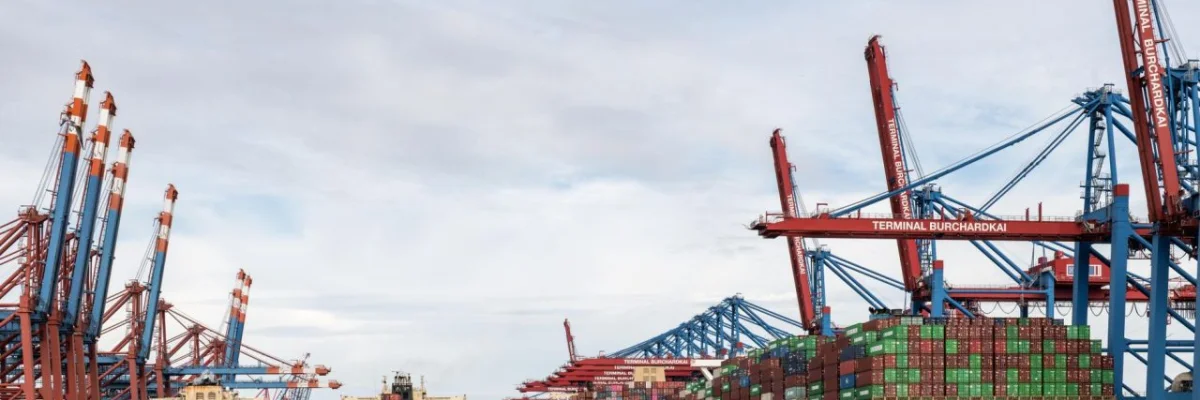
Ocean freight remains the backbone of global commerce, yet managing the complexities of international shipping requires precision and agility. Freight forwarders today face unprecedented volatility, from shifting carrier schedules to fluctuating fuel surcharges and unpredictable port congestion. To remain competitive, companies must transition from manual spreadsheets to integrated cloud-based platforms that offer real-time visibility. By centralizing documentation, automating compliance tasks, and enhancing communication across the supply chain, logistics teams can reduce human error and boost profitability. This article explores essential strategies for modernizing your ocean freight processes to drive efficiency and deliver superior value to your global clients.
Digital Documentation Management
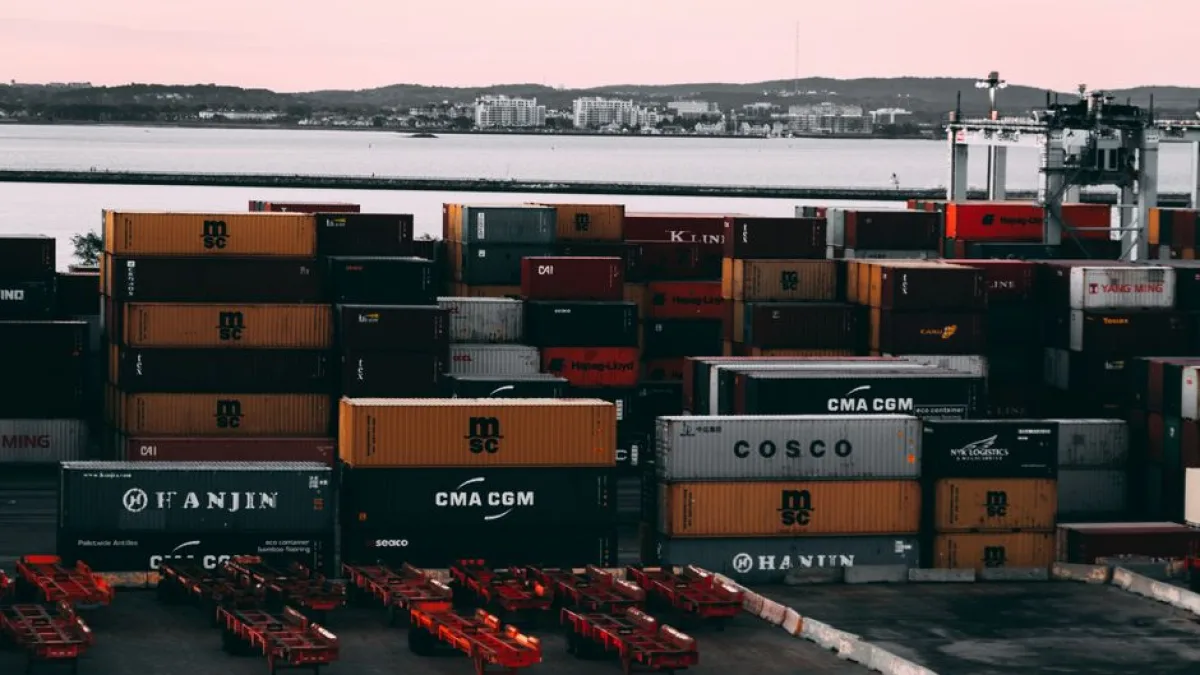
Digitizing your bill of lading and customs documentation is vital for reducing administrative delays. Moving away from physical paperwork minimizes storage requirements and ensures that every member of your logistics team has immediate access to the latest shipping data files.
- Automated Data Entry: Implement smart scanning tools to extract information directly from invoices, reducing the time spent on manual input while significantly lowering the risk of costly clerical errors.
- Centralized Cloud Storage: Maintain a single source of truth for every shipment by using cloud platforms that store all compliance documents and declarations in one highly secure location.
- Real-time Document Sharing: Enable instant collaboration between exporters, importers, and customs brokers by providing controlled access to active files rather than sending repetitive email attachments back and forth.
- Compliance Tracking Systems: Utilize built-in regulatory checklists to ensure that all documentation meets destination country requirements, preventing shipments from being held up at customs or incurring storage fines.
Adopting a digital-first approach to documentation management transforms your operational workflow. By eliminating paper-based bottlenecks, your team gains the ability to process shipments faster and with greater accuracy. This shift not only improves internal productivity but also enhances the overall customer experience by providing rapid access to vital shipping documents. Investing in these digital tools is a foundational step for scaling your logistics operations.
Carrier Performance Analytics
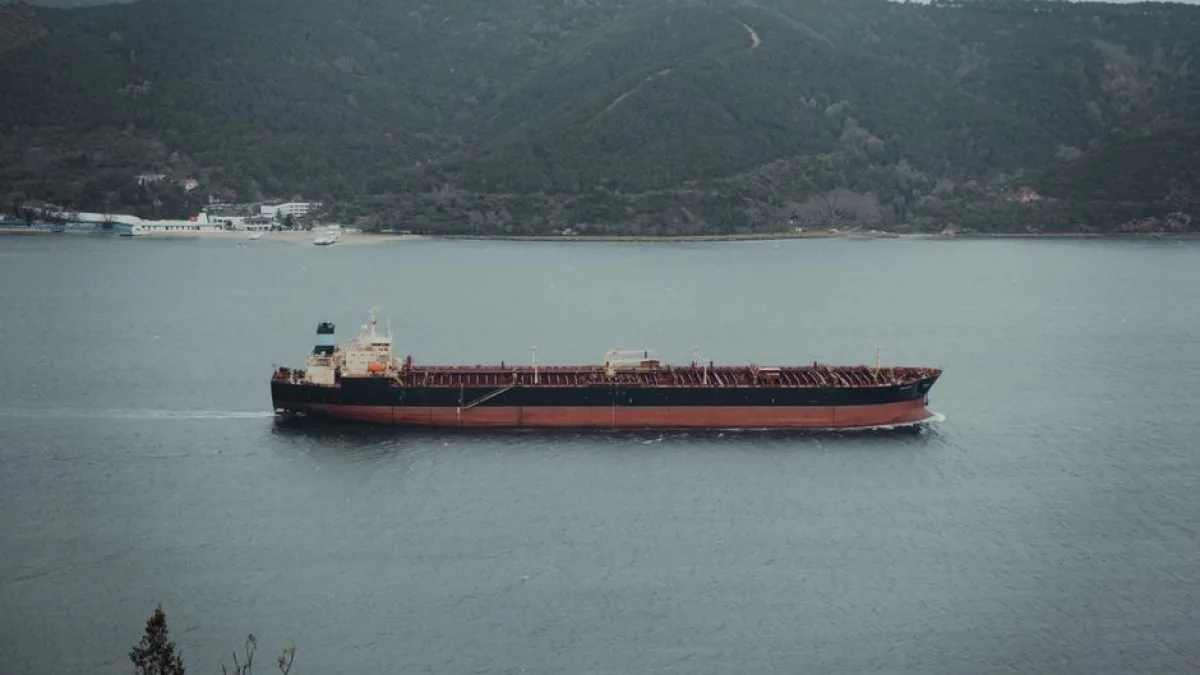
Monitoring carrier performance is critical for maintaining high service levels and managing costs effectively. By analyzing transit times and reliability, forwarders can make data-driven decisions that ensure their clients goods arrive on schedule regardless of existing market supply constraints.
- Reliability Scorecards: Evaluate ocean carriers based on consistent on-time performance metrics to identify which partners provide the best value and reliability for specific trade routes and cargo types.
- Cost Trend Analysis: Track historical rate fluctuations over specific periods to forecast future pricing trends and provide your clients with accurate budget estimates for their upcoming import projects.
- Incident Reporting Logs: Document and analyze every delay or cargo issue encountered during transit to hold carriers accountable and improve overall service quality throughout your global supply chain.
- Capacity Utilization Reviews: Monitor the available space and equipment status across different lines to ensure your bookings are prioritized during peak seasons when shipping capacity is often limited.
Using performance analytics turns raw shipping data into actionable business intelligence. When you understand the operational strengths and weaknesses of your carrier partners, you can negotiate better rates and choose routes that minimize risk. This proactive management style prevents service failures and builds long-term trust with your customers. Data-driven logistics is the key to maintaining a competitive advantage in a complex global market.
Enhancing Shipment Visibility
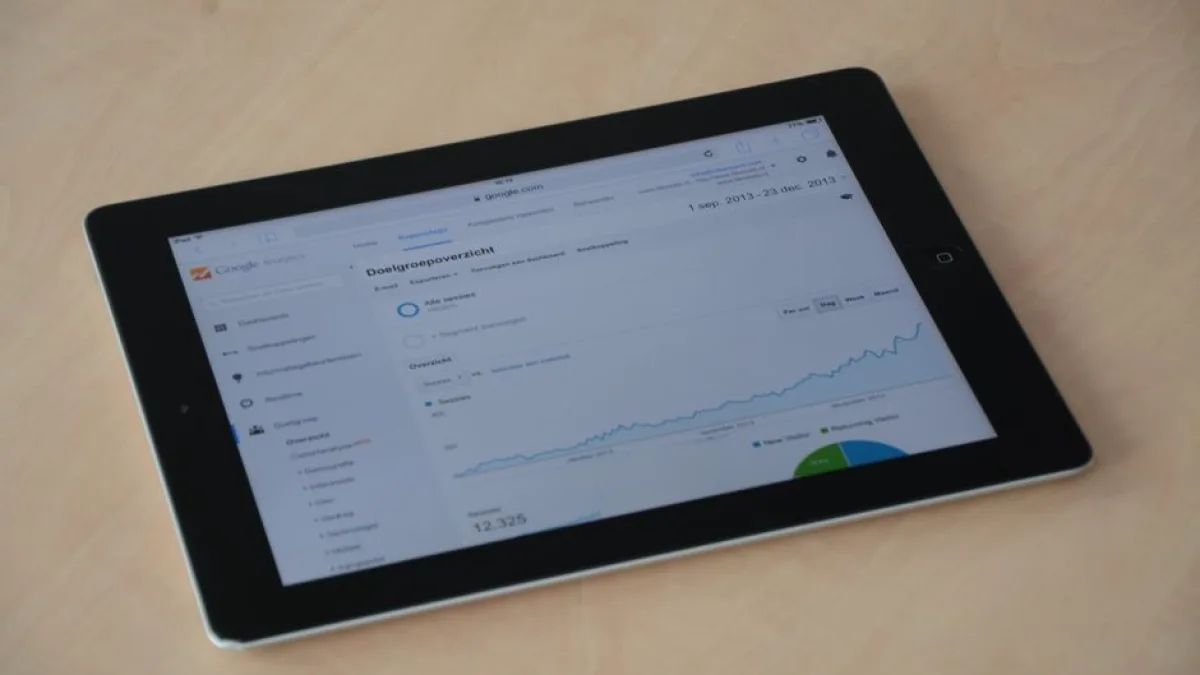
Real-time visibility allows you to monitor vessel movements and containers from origin to final destination. This constant stream of data is essential for managing expectations and proactively addressing potential supply chain disruptions before they escalate into major customer service issues.
- Live Vessel Tracking: Integrate GPS and AIS data into your logistics platform to monitor vessel locations in real-time, providing clients with precise and updated estimated arrival timestamps.
- Automated Milestone Alerts: Configure your freight management software to send instant notifications whenever a container reaches a key transit hub or completes a critical customs clearance step.
- Exception Management Tools: Receive early warnings for potential bottlenecks or port congestion so you can reroute cargo or inform clients of delays before they become urgent problems.
- Client Portal Access: Provide your customers with a self-service portal where they can view their shipment status independently, which drastically reduces the volume of status update inquiries.
Visibility serves as the bridge between your team and your customers. By offering clear insights into the shipping process, you reduce anxiety and demonstrate professional accountability. A transparent system allows you to manage exceptions with confidence and maintain a high level of operational control. As supply chains become more fragmented, the ability to see exactly where cargo is located becomes an invaluable asset.
Sustainable Freight Strategies
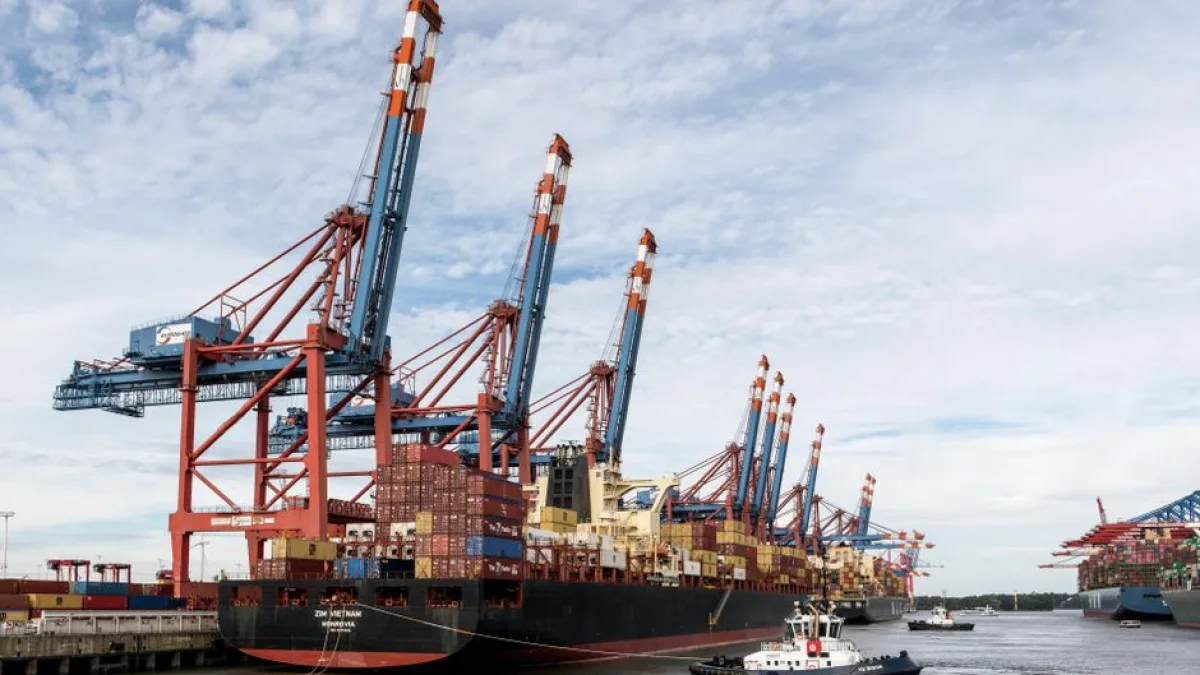
Sustainability is becoming a core requirement for many global shippers who are looking to reduce their environmental impact. By optimizing routes and consolidating shipments, forwarders can help their clients achieve lower carbon emissions while improving overall transport efficiency today.
- Route Optimization Modeling: Use advanced software to calculate the most fuel-efficient transit paths, which helps reduce the total carbon footprint of your ocean freight operations for every shipment.
- LCL Cargo Consolidation: Group smaller shipments into single containers to maximize vessel capacity utilization, which lowers the number of trips required and reduces per-unit shipping costs effectively.
- Emissions Reporting Tools: Generate detailed carbon footprint reports for your clients, helping them track their progress toward sustainability goals and comply with international environmental reporting standards and regulations.
- Carrier Selection Criteria: Prioritize partnerships with carriers that invest in green technologies and utilize modern fleets with lower sulfur emissions to promote long-term environmental responsibility in logistics.
Adopting sustainable logistics practices is no longer optional for forwarders wanting to lead the industry. By focusing on efficiency and emission reduction, you help your clients meet their corporate social responsibility targets. These green strategies often align with cost savings, creating a win-win scenario for both the environment and your bottom line. Making sustainability a priority is an excellent way to differentiate your brand.
Conclusion
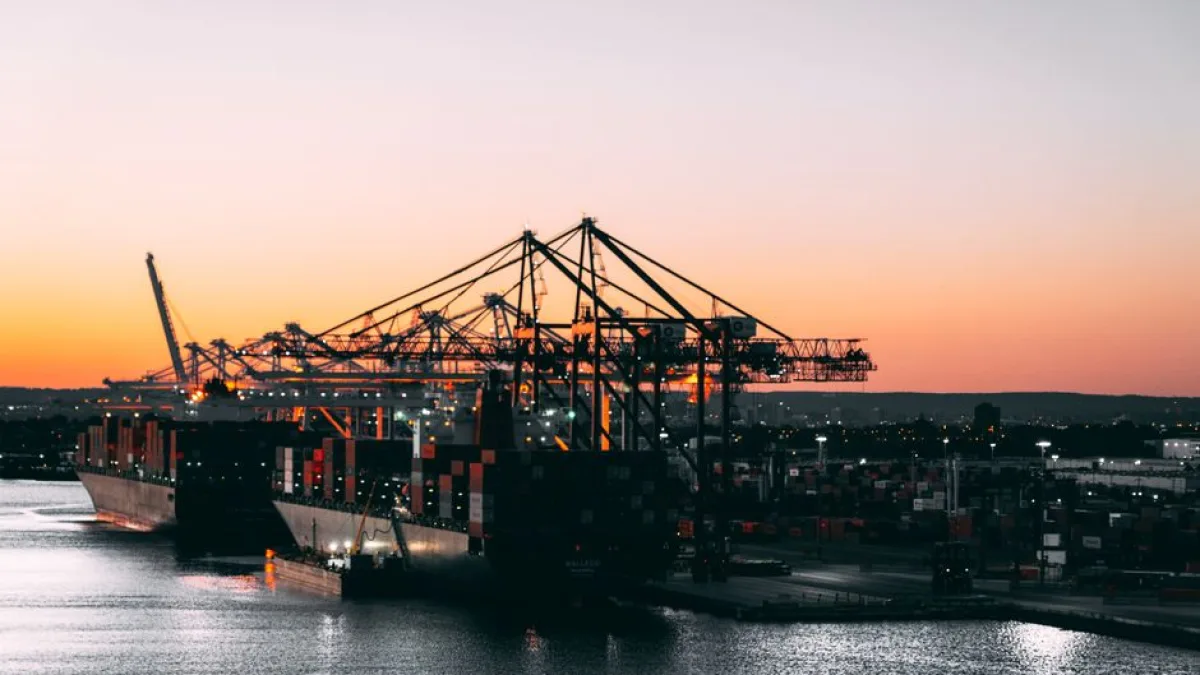
Modernizing your ocean freight operations through cloud technology and data-driven strategies is essential for long-term success. By focusing on digital documentation, performance analytics, shipment visibility, and sustainable practices, you build a resilient business that adapts to change. Start optimizing your workflows today to improve efficiency, reduce operational errors, and provide superior service to your global clients. The future of logistics belongs to those who innovate.