Optimizing Ocean Freight Operations in a Digital Era
Friday, August 7 2026
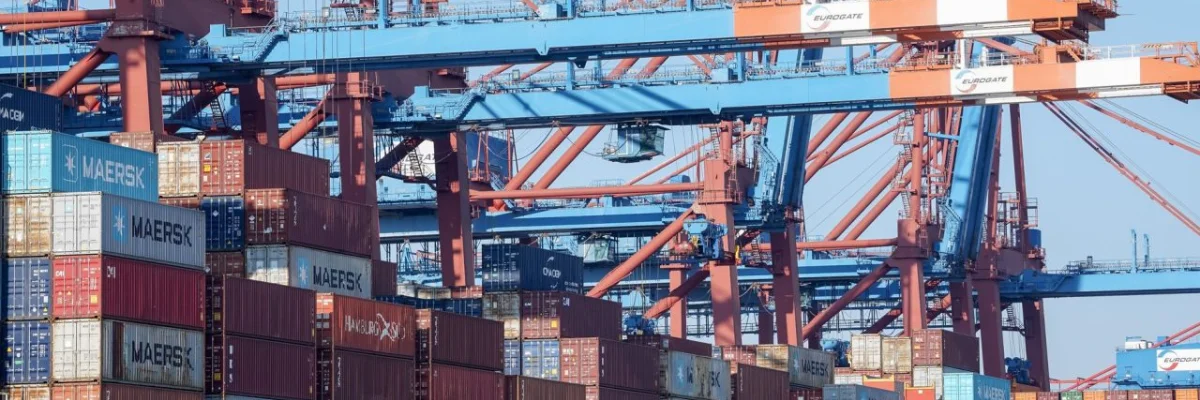
The global shipping industry faces unprecedented pressure to remain competitive while navigating complex logistics chains and fluctuating market demands. As freight forwarders manage increasing volumes of international trade, the transition from manual, paper-based processes to cloud-based technology is no longer optional. Modern platforms offer real-time visibility, automated documentation, and seamless communication, allowing businesses to reduce human error and boost operational efficiency. By embracing digital transformation, forwarders can better handle the volatility of ocean freight, ensuring cargo moves reliably across borders. This article explores how adopting these advanced software solutions empowers professionals to achieve higher margins and superior service levels in today's fast-paced logistics landscape.
Enhanced Port Visibility
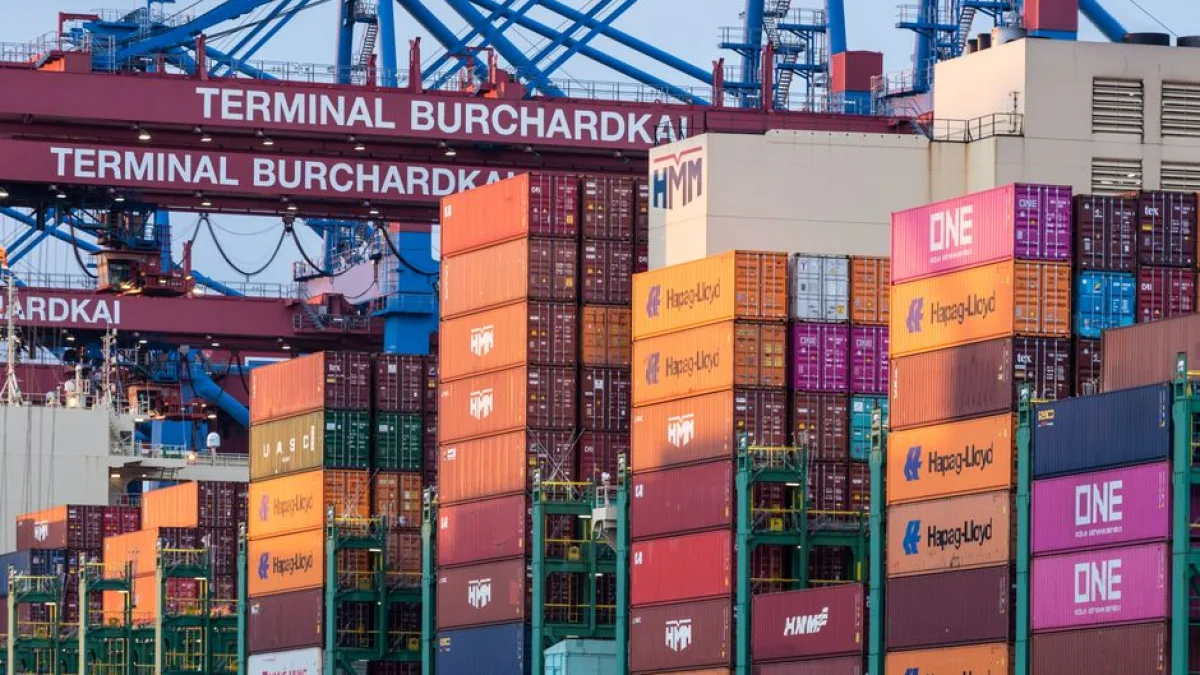
Port congestion remains a significant challenge for modern freight forwarders who need real-time data to make informed decisions. Utilizing advanced tracking software allows teams to monitor vessel movements, reducing the time spent on manual status updates and improving overall shipment transparency.
- Real-time tracking integration: Advanced platforms connect directly with carrier APIs to provide automated updates on container movements, significantly reducing the manual workload for your customer service and operations departments.
- Congestion monitoring alerts: Receive proactive notifications regarding port bottlenecks or terminal delays, allowing you to re-route cargo or inform clients before their shipments are caught in a backlog.
- Dynamic route optimization: Leverage sophisticated algorithms to analyze transit times and historical port data, enabling your team to select the most efficient routes to minimize dwell times.
- Direct carrier communication: Streamline your interactions with shipping lines through integrated messaging tools that ensure all stakeholders receive synchronized information regarding vessel arrivals and departure schedules instantly.
By leveraging real-time data, freight forwarders transform how they handle daily logistics operations. Eliminating blind spots in the supply chain reduces the risk of costly delays and improves client satisfaction. When your team has access to instant, accurate tracking information, they can spend less time chasing status updates and more time focusing on high-value tasks that contribute to your company long-term success and growth.
Automated Documentation Flow

Processing bills of lading and customs declarations manually is prone to errors that cause significant shipping delays. Automated documentation features in cloud software ensure that information flows seamlessly, maintaining accuracy while drastically reducing the time spent on administrative filing tasks.
- Smart data extraction: Utilize optical character recognition technology to automatically pull key information from incoming documents, which reduces manual entry and eliminates common transcription errors during processing.
- Centralized document management: Store all shipping paperwork in a secure, cloud-based repository that allows authorized team members to access vital files from any location worldwide instantly.
- Automated workflow approvals: Implement custom rules that trigger automatic document approvals or verification processes, speeding up the overall cycle time for your export and import shipping operations.
- Compliance validation checks: Ensure every document adheres to international shipping regulations and local customs requirements by using built-in validation tools that flag discrepancies before they cause issues.
Transitioning to automated documentation marks a major shift for forwarders aiming to scale their operations efficiently. Removing the burden of manual data entry frees up your staff to focus on strategic client relationships instead of paperwork. As your volume grows, these digital tools handle the heavy lifting, ensuring that your compliance remains spotless while reducing the operational overhead associated with standard maritime shipping workflows.
Effective Rate Management

Managing fluctuating ocean freight rates is a constant struggle for forwarders operating in a volatile global market. Sophisticated rate management modules allow you to store, compare, and distribute carrier quotes in seconds, ensuring your pricing remains competitive and profitable.
- Carrier quote aggregation: Consolidate multiple carrier rate sheets into a single, searchable database that allows your team to find the best possible shipping prices for every customer shipment.
- Dynamic margin control: Set automated pricing rules that apply your desired margins to base carrier rates, ensuring that your quotes remain consistent and profitable across all lanes.
- Instant quote distribution: Create professional-looking customer quotations in just a few clicks, enabling your sales team to respond faster to market changes and secure new business opportunities quickly.
- Historical rate analysis: Review past pricing data and market trends to identify profitable trade lanes, helping you negotiate better service contracts with carriers based on your actual shipping volumes.
Mastering rate management is essential for staying profitable when the market experiences extreme fluctuations. A centralized system removes the complexity of juggling spreadsheets and outdated email threads, ensuring your team always quotes from the latest available information. With better visibility into your pricing structure, you gain a clear competitive advantage that helps you win more deals and maintain healthy margins throughout the year.
Client Communication Portals

Providing clients with a transparent view of their shipments is the best way to build long-term trust and loyalty. Customer portals offer an interactive experience where shippers can view documentation, tracking updates, and invoices without needing to contact your operations team directly.
- Self-service customer portal: Enable your clients to log into a secure dashboard where they can track shipments, view documents, and access invoices at their own convenience around-the-clock.
- Proactive status notifications: Configure automated emails and dashboard alerts that keep your customers informed about critical milestones in their supply chain journey without manual intervention by staff.
- Secure document sharing: Facilitate the exchange of sensitive files through encrypted portal channels, ensuring that your client communications remain secure while also reducing reliance on insecure email attachments.
- Integrated feedback loops: Incorporate features that allow customers to rate their experience or request immediate support, providing you with valuable insights to improve your overall service quality.
Building a digital bridge to your clients changes the nature of your business relationship. By offering self-service capabilities, you demonstrate that your company is tech-forward and committed to transparency. This strategy reduces the volume of repetitive status inquiries, allowing your operations team to dedicate their time to complex problem solving while your clients enjoy a seamless and professional digital service experience every day.
Conclusion

Adopting cloud technology is the most effective way to modernize your ocean freight operations. By centralizing data, automating manual tasks, and improving client transparency, your freight forwarding business can operate with greater agility and confidence. Start evaluating your software needs today to ensure your company remains ahead of the curve. Efficient logistics are driven by smart digital choices that empower your team to succeed.