Optimizing Ocean Freight Operations in the Digital Age
Saturday, August 8 2026
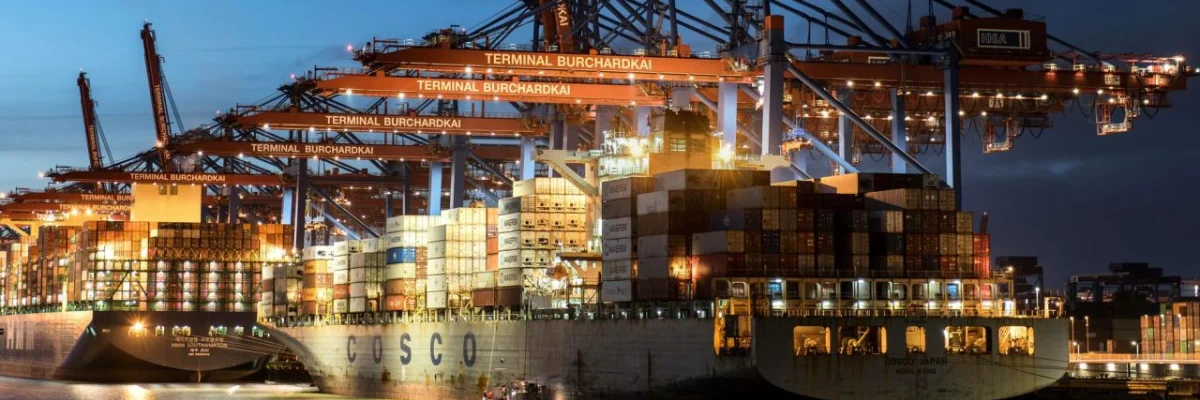
Navigating the complex landscape of global ocean freight requires more than just traditional logistical expertise in today's fast-paced market environment. As global supply chains face unprecedented pressure from fluctuating demand and unforeseen geopolitical challenges, freight forwarders must transition toward digitized workflows to maintain a competitive edge. Modern software solutions like MakeCargo provide the necessary tools to increase visibility, automate repetitive administrative tasks, and improve overall communication between shippers and carriers. By embracing these digital transformations, forwarders can proactively manage exceptions, reduce operational costs, and deliver superior service levels that foster long-term client loyalty in an increasingly volatile global shipping industry.
Modern Container Port Efficiency
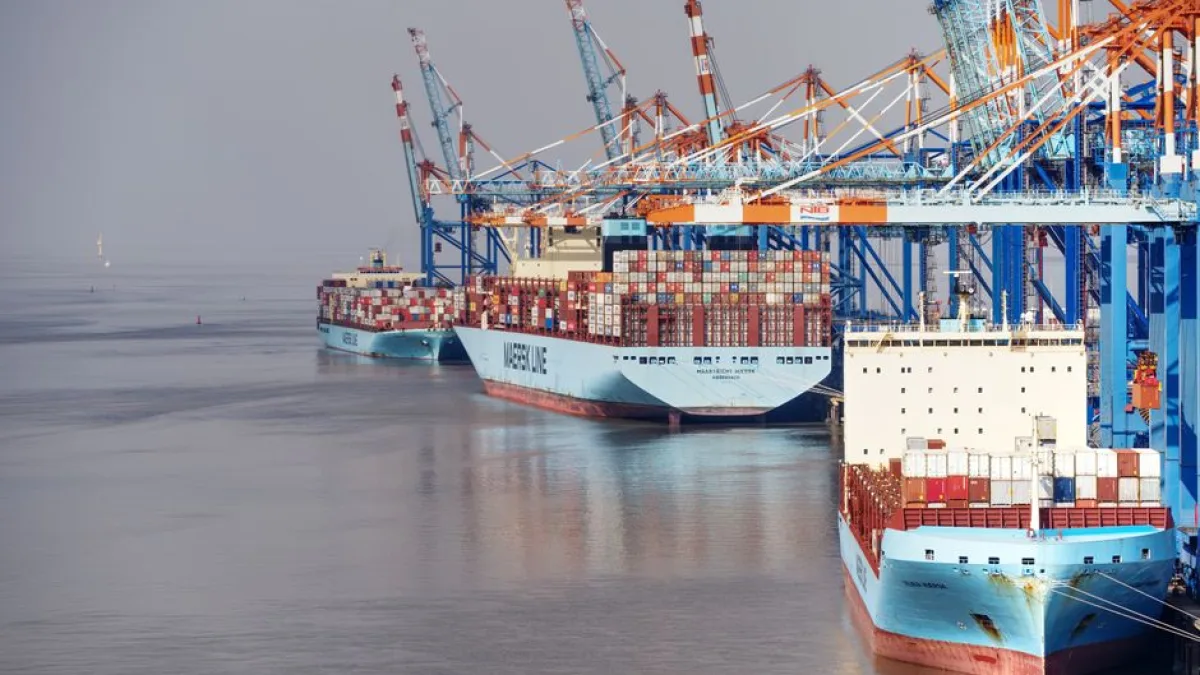
The heartbeat of global trade resides in busy container terminals where speed and accuracy determine the success of international shipments. Efficient management of port operations remains a critical bottleneck for forwarders aiming to minimize vessel turnaround times and maximize overall throughput.
- Automated Gate Processing: Implementing digital gate systems allows for real-time tracking of containers as they arrive or depart, significantly reducing manual data entry errors and speeding up terminal flow.
- Yard Management Systems: Modern software helps optimize container stacking patterns within the terminal, ensuring that export cargo is positioned for rapid loading onto outgoing vessels without unnecessary delays.
- Data Integration Protocols: Seamless connectivity between port authorities and forwarding software ensures that status updates are received instantly, providing stakeholders with accurate information regarding container availability and movement status.
- Predictive Capacity Planning: Utilizing historical port data allows forwarders to anticipate potential bottlenecks or congestion periods, enabling them to reroute cargo or adjust schedules to avoid costly logistical downtime.
By leveraging technology to oversee container movements, forwarders can effectively mitigate the risks associated with port congestion. Digital integration ensures that every move is recorded accurately, reducing the dependency on legacy paper systems that often cause delays. This level of operational clarity empowers teams to make data-driven decisions that save time, reduce labor costs, and improve the reliability of the entire global supply chain network.
Real-Time Cargo Visibility

Visibility has transformed from a luxury feature into a mandatory requirement for modern supply chain participants. Clients now expect granular insights into the exact location and status of their ocean freight as it traverses complex global routes each day.
- Satellite Tracking Integration: Advanced tracking modules pull data directly from vessel AIS systems to provide precise geolocation coordinates for ocean shipments across every major maritime route globally.
- Exception Alerts Automation: Intelligent software continuously monitors shipment status updates and triggers automated notifications whenever significant deviations from the original schedule occur during the transit process, protecting client cargo.
- Customer Portals Access: Providing shippers with secure online access to their specific shipping data increases transparency and reduces the high volume of manual status inquiry emails significantly.
- Live Milestone Tracking: Recording every critical milestone from port departure to final delivery creates a comprehensive audit trail that keeps all parties aligned throughout the shipping lifecycle.
Total transparency serves as the foundation for building strong, lasting relationships with international shippers. When forwarders provide real-time updates, they reduce the anxiety associated with long transit times and improve overall customer satisfaction metrics. Investing in robust visibility tools is no longer optional for firms that intend to scale their operations successfully while meeting the high transparency demands of modern global commerce.
Streamlining Documentation Workflow

The administrative burden of managing ocean freight documentation often hinders productivity for many forwarding agencies. Digitizing these documents is the most effective way to eliminate bottlenecks while ensuring full compliance with international maritime laws and local regulations.
- Electronic Bill Lading: Switching to digital bills of lading accelerates the release of cargo at destination ports and minimizes the risk of lost physical documents during transit.
- Automated Invoice Processing: Smart OCR technology extracts vital billing information from documents automatically, reducing manual entry time while simultaneously increasing the accuracy of financial records and reports.
- Document Compliance Checks: Integrated software platforms flag missing or incorrect data points immediately, ensuring that all regulatory filings are complete before cargo reaches critical checkpoints or customs.
- Cloud Storage Management: Centralizing all shipping documentation in a secure cloud environment provides instant access to historical files, making audits or dispute resolution much easier for teams.
Reducing the reliance on physical paperwork allows your team to focus on strategic growth rather than repetitive administrative tasks. When documents move seamlessly through a digital pipeline, the risk of human error is drastically minimized. This shift toward a paperless environment not only improves operational efficiency but also demonstrates a clear commitment to environmental sustainability within the logistics industry for your valued clients.
Strategic Carrier Relationship Management
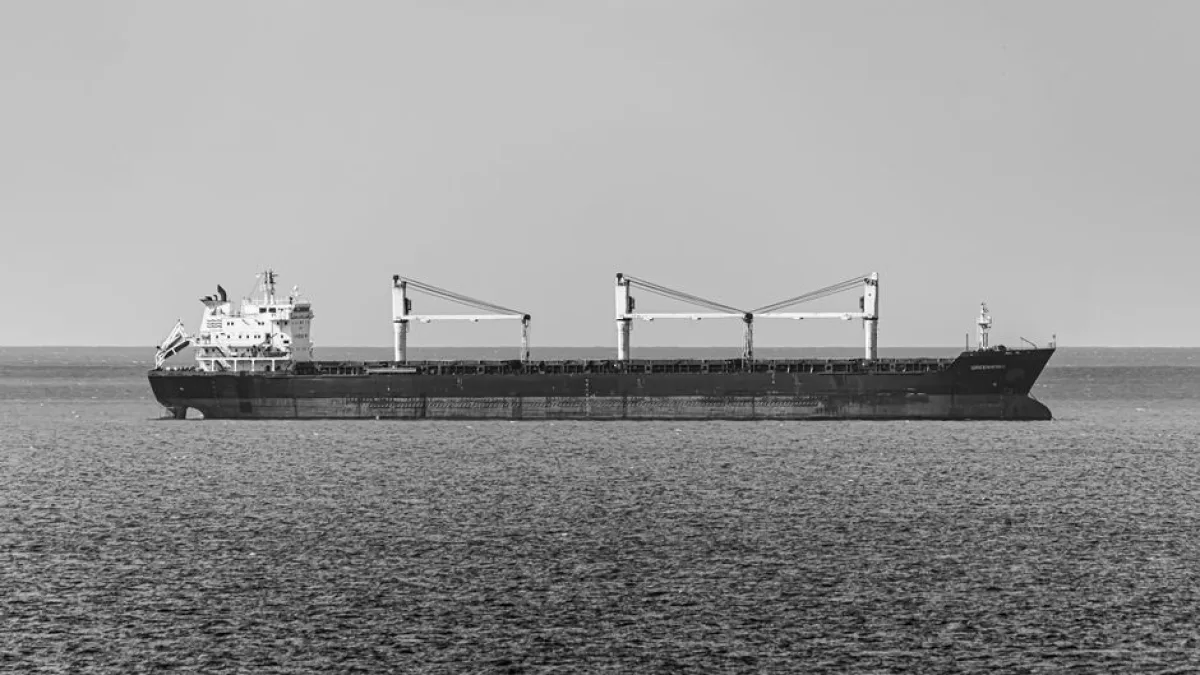
Strong partnerships with ocean carriers remain essential for securing space and competitive rates during peak shipping seasons. Effective management of these relationships requires consistent communication and data-backed performance reviews to ensure mutual success in the long term.
- Performance Monitoring Tools: Systematic tracking of carrier performance helps identify which partners consistently meet transit time promises and which ones struggle to maintain their published schedules regularly.
- Digital Rate Management: Centralized platforms enable forwarders to compare carrier rates in real time, simplifying the decision-making process when selecting the best options for specific client needs.
- Collaborative Booking Platforms: Direct integration with carrier systems streamlines the booking request process, ensuring that shipping space is confirmed instantly without complex and slow back-and-forth email communications.
- Vendor Scorecard Analytics: Generating automated reports on carrier service levels allows forwarders to negotiate more favorable contracts based on verifiable data rather than relying on subjective personal opinions.
Developing strategic alliances with carriers ensures that your company remains a priority partner even during periods of tight vessel capacity. By using data to hold carriers accountable for their service levels, you cultivate a professional environment based on accountability and mutual benefit. Maintaining these strong professional ties will ultimately provide your agency with the stability needed to navigate the ever-changing challenges of ocean freight.
Conclusion
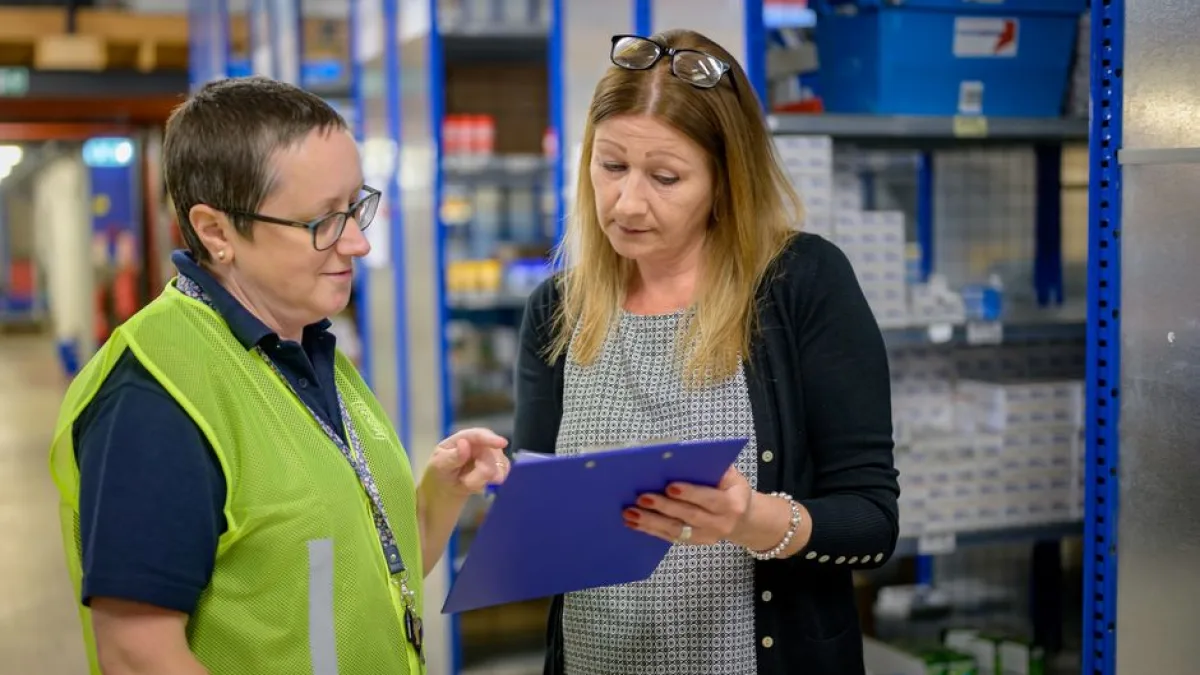
Mastering ocean freight logistics requires a dedication to continuous improvement and the strategic adoption of modern digital tools. By optimizing port interactions, enhancing visibility, digitizing documentation, and managing carrier relationships, forwarders can achieve unmatched operational efficiency. Start your journey toward a more agile logistics future by implementing comprehensive software solutions today. Achieve better results for your clients while positioning your business for long-term sustainable growth.