Optimizing Ocean Freight Operations in a Digital Era
Saturday, August 8 2026
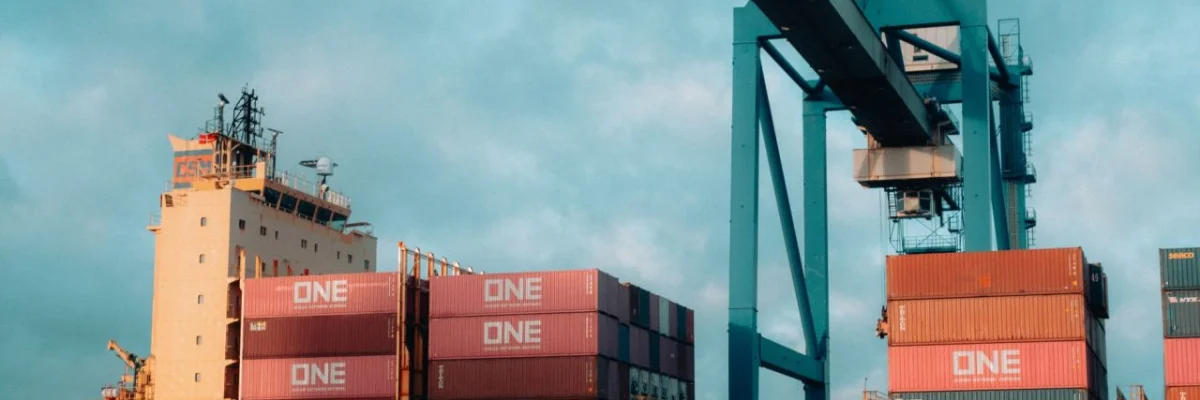
Modern ocean freight logistics demands unprecedented levels of precision and real-time visibility to navigate the complexities of global trade. As freight forwarders face increasing pressure to provide seamless service, moving away from legacy systems has become a strategic necessity rather than a luxury. By leveraging cloud-based platforms, professionals can gain granular control over their cargo movements, manage documentation workflows more efficiently, and mitigate the risks associated with unpredictable supply chain disruptions. This shift is essential for companies aiming to remain competitive while meeting the high expectations of modern shippers who demand total transparency throughout every single stage of the international shipping lifecycle.
Mastering Container Load Efficiency
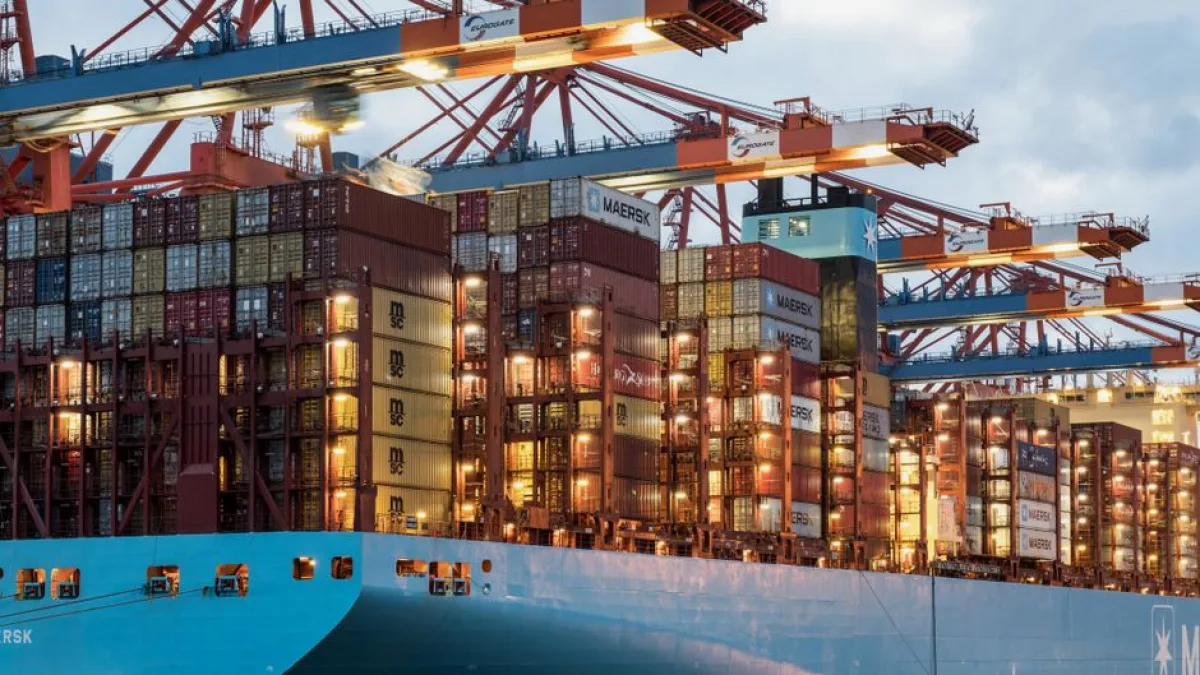
Effective container loading serves as the foundation of profitable ocean freight management by maximizing space utility. When forwarders plan shipments with precision, they reduce unnecessary overhead, lower cost per unit, and ensure that cargo arrives in optimal condition for all consignees.
- Automated space planning: Advanced software tools allow forwarders to calculate optimal container configurations instantly, minimizing wasted space and preventing costly re-adjustments during the physical loading process at the port facility.
- Weight distribution logic: Proper weight management prevents safety hazards and legal complications, ensuring that every container meets strict port authority regulations while maintaining vessel stability during the long transit.
- Documentation accuracy: Digital tools enable seamless integration between packing lists and bill of lading data, ensuring that every load detail is verified before the container reaches the terminal.
- Equipment optimization: Selecting the right container type for specific cargo requirements reduces long-term maintenance costs and ensures that sensitive goods remain protected against environmental damage during transit.
Optimizing how cargo occupies space within a vessel represents a significant milestone for forwarders seeking to improve their operational margins. By implementing systematic loading protocols, companies can minimize human error and accelerate the turnaround time at busy terminals. This disciplined approach ensures that every shipment maximizes potential revenue while reducing the likelihood of additional port charges caused by improper documentation or poor planning.
Leveraging Real-Time Cargo Tracking

Real-time visibility into container movements allows freight forwarders to provide proactive customer service. Instead of reacting to delays after they happen, teams can monitor vessel transit paths and status updates, keeping stakeholders informed and empowered to handle unexpected changes effectively.
- Live vessel monitoring: Cloud platforms aggregate data from global shipping lines, providing forwarders with constant updates on vessel locations, arrival times, and potential deviations from the original schedule.
- Proactive delay alerts: Automated notification systems alert dispatch teams about port congestion or weather delays immediately, allowing them to communicate alternative plans to shippers before issues escalate.
- Customer portal transparency: Offering clients a dedicated dashboard creates trust, as shippers can access their own shipment statuses without needing to contact the office for manual updates.
- Performance analytics: Analyzing historical tracking data reveals recurring bottlenecks in specific transit lanes, enabling forwarders to suggest more reliable routes to customers for future international business operations.
Providing stakeholders with a live view of their supply chain creates a distinct competitive advantage for any freight forwarding firm. This level of transparency fosters deeper relationships with clients, as communication becomes proactive rather than reactive. By minimizing uncertainty, your team spends less time answering status queries and more time focusing on scaling operations and solving complex logistics challenges for global partners.
Streamlining Documentation Workflows

Paperwork remains one of the most time-consuming aspects of ocean freight, but digital transformation has revolutionized how documents are processed. Moving documentation to the cloud reduces manual data entry errors and ensures that all parties access the latest versions of critical shipping records.
- Unified data repository: Centralizing all bills of lading, commercial invoices, and packing lists in a secure cloud environment eliminates the need for endless email threads and file searches.
- Standardized data templates: Creating custom templates for frequent shipments ensures consistency across the entire team, reducing the risk of missing information that often leads to severe customs delays.
- Automated compliance checks: Intelligent software scans documents against international regulations, flagging potential errors before documents are submitted to customs authorities to prevent costly fines and shipment holds.
- E-signature integration: Enabling electronic signatures accelerates the approval process significantly, allowing forwarders to finalize paperwork from any location without needing physical document exchanges at a central office.
Digitizing your documentation workflow is the fastest path to increasing overall operational throughput. When data is managed in a single, accessible system, the entire team can collaborate effectively and resolve issues in minutes rather than hours. This transition not only boosts productivity but also ensures that your company maintains high compliance standards while scaling effectively to handle a larger volume of shipments.
Strengthening Carrier Partnerships
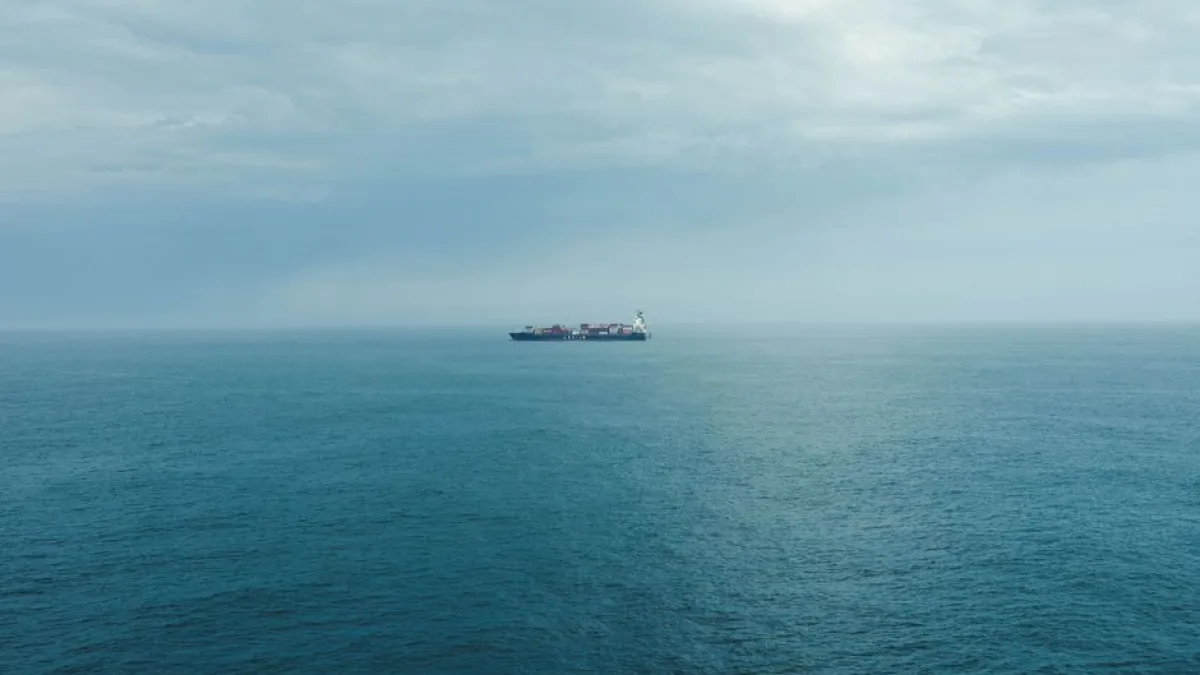
Solid relationships with shipping lines are vital for securing space and competitive rates, especially during peak seasons. By maintaining clear communication and reliable data sharing, forwarders can position themselves as preferred partners, leading to better service levels and priority access when capacity is extremely tight.
- Capacity forecasting accuracy: Sharing precise volume projections with shipping carriers helps them optimize their own planning, which in turn leads to better space guarantees for your company operations.
- Performance evaluation metrics: Regularly reviewing carrier performance based on data allows you to identify which lines offer the best reliability and transit times for your specific cargo.
- Automated billing reconciliation: Simplifying the financial side of carrier partnerships ensures that invoices are matched against quotes and bookings instantly, avoiding long disputes and improving cash flow.
- Direct communication channels: Establishing clear lines of contact with key carrier representatives ensures that when urgent issues arise, your team receives the attention and resolution priority required.
Building strong, data-backed relationships with ocean carriers is essential for long-term growth in the freight industry. When forwarders rely on accurate data to negotiate and interact with lines, they gain respect and improved service terms. This strategic partnership model ensures that your shipments are prioritized even when the market faces significant capacity constraints, ultimately protecting your bottom line and your client relationships.
Conclusion
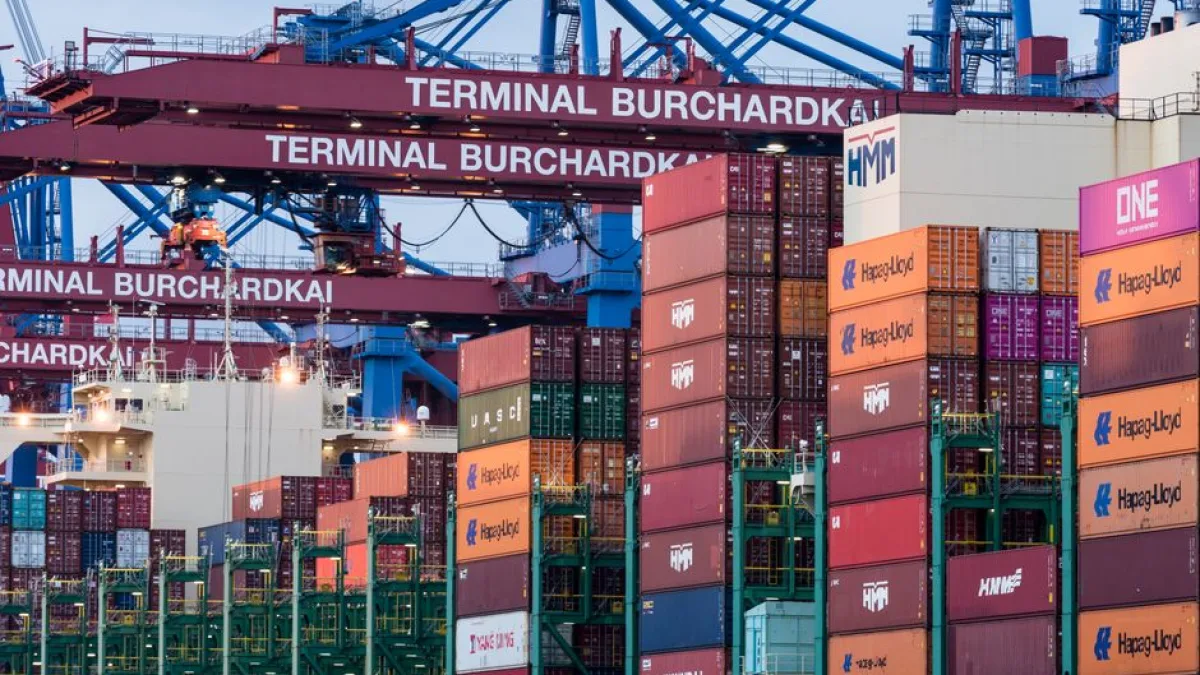
Modernizing ocean freight processes is a critical step for any forwarder aiming to thrive in a volatile market. By embracing digital tools, you improve efficiency, transparency, and collaboration with carriers and clients. We encourage you to audit your current workflows today and implement cloud solutions that simplify your daily tasks. Connect with MakeCargo to discover how our platform elevates your logistics operations to the next level.