Optimizing Ocean Freight Operations in a Digital Era
Sunday, August 9 2026
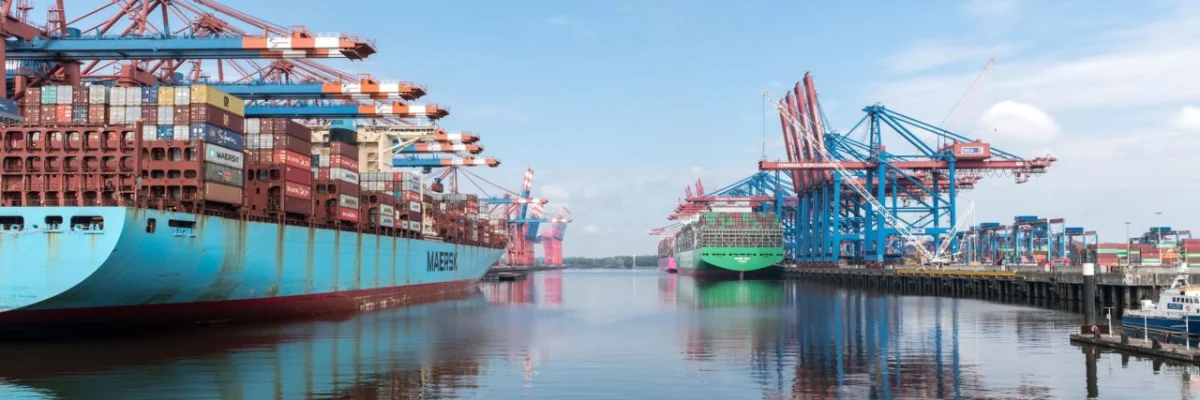
The global shipping landscape is evolving rapidly as freight forwarders face increasing pressure to modernize their workflows and enhance visibility across complex supply chains. Traditional manual processes are no longer sufficient to manage the volatile nature of international logistics, where real time data is the backbone of efficiency. By integrating cloud based platforms like MakeCargo, forwarders can transition from reactive troubleshooting to proactive management. This shift not only improves operational precision but also builds stronger trust with clients who demand transparency. Understanding the core pillars of ocean freight management remains the most critical step toward achieving sustainable growth and operational excellence today.
Mastering Container Load Optimization

Maximizing container utilization is a fundamental challenge that directly impacts your bottom line and sustainability goals. Efficient loading reduces wasted space and minimizes the number of shipments required, effectively lowering costs while optimizing the entire logistics flow for every single client.
- Space utilization strategy: Implement advanced planning software to calculate exact volume requirements before cargo reaches the warehouse to ensure that every container is filled to its maximum legal capacity.
- Weight distribution balance: Monitor the weight distribution across the container floor to prevent structural issues during transit and ensure compliance with international maritime safety standards for heavy cargo transport.
- Stacking efficiency techniques: Utilize intelligent software tools to determine the optimal stacking patterns that prevent damage to fragile goods while maintaining high density inside the steel shipping container walls.
- Load planning software: Leverage automated digital tools to visualize your container load in three dimensions which helps in identifying potential bottlenecks long before the actual loading process begins.
Optimizing how you load your containers serves as the bedrock of a lean supply chain. When you prioritize structural integrity and space efficiency, you reduce the likelihood of damaged goods and expensive re-handling fees. Forwarders who master these techniques consistently report higher profit margins and reduced carbon footprints. Embracing digital load planning is the definitive way to gain a competitive advantage in global shipping.
Streamlining Documentation and Compliance

The manual handling of shipping documentation is often the biggest bottleneck in ocean freight operations. Digitizing bills of lading and customs declarations reduces clerical errors, speeds up processing times, and ensures that your compliance status is always audit ready and transparent.
- Electronic bill management: Centralize all bill of lading data within a unified cloud platform to eliminate physical paper trails and provide instant access to vital shipping documents.
- Automated customs filing: Reduce the risk of heavy penalties by using automated software modules that flag inconsistencies in export data before documents reach the local customs authorities.
- Compliance tracking tools: Maintain a comprehensive audit trail of every shipping instruction to ensure that your business remains fully compliant with evolving international maritime regulations and laws.
- Digital signature integration: Speed up the approval process significantly by implementing secure digital signature workflows that allow stakeholders to authorize documentation from anywhere in the world instantly.
Precision in documentation acts as the silent engine that keeps your global shipments moving without unnecessary delays at busy ports. By moving away from legacy paper systems, your team can avoid costly transcription errors and focus on high value tasks. Professional freight forwarders who utilize integrated digital document workflows significantly lower their administrative overhead while providing a much faster service to all partners.
Enhancing Real Time Cargo Tracking

Visibility is the top demand from modern shippers who need to know the exact status of their ocean cargo. Providing granular tracking updates via a digital portal transforms the client experience from simple service to a high value partnership.
- Predictive arrival analytics: Use real time vessel data and satellite tracking to provide clients with accurate estimated arrival times that account for port congestion and weather delays.
- Automated status notifications: Configure your cloud system to send proactive alerts directly to your customers whenever a milestone is achieved, reducing the volume of inbound status queries.
- Integrated carrier feeds: Connect your freight management platform with major shipping line APIs to pull live data directly into your dashboard for immediate visibility on every shipment.
- Exception management alerts: Set up smart notifications that trigger immediately when a cargo vessel deviates from its planned path, allowing you to inform clients before issues escalate.
Client satisfaction in the modern shipping industry is almost entirely driven by the quality of your tracking information. When you provide clear, accurate, and timely updates, you foster deep loyalty and reduce the operational strain on your customer support team. Implementing an automated tracking solution is the best way to handle the high volume of shipments while maintaining a premium service standard throughout.
Leveraging Data for Strategic Growth
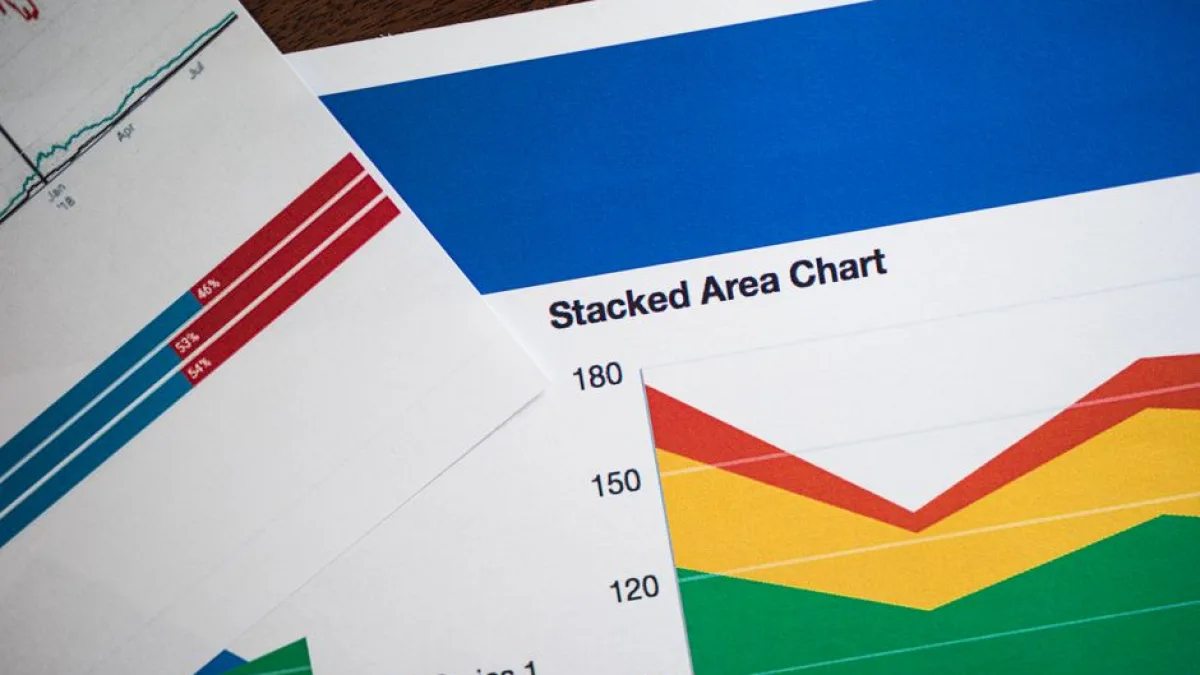
Data is the most valuable asset in the freight forwarding industry, yet many companies fail to utilize it effectively. Analyzing historical shipping patterns allows for better rate negotiations and smarter forecasting that can protect your margins against unexpected market volatility.
- Historical cost analysis: Examine past shipping data to identify seasonal trends that allow your team to negotiate more favorable carrier contracts before peak shipping seasons arrive annually.
- Carrier performance metrics: Evaluate the reliability of your service providers by tracking transit times and reported damages, enabling you to select only the most efficient global partners.
- Profitability per shipment: Use reporting modules to track the exact net profitability of every route and commodity type, identifying which segments of your business offer the best.
- Market demand forecasting: Utilize predictive analytics based on your existing data to anticipate shifts in volume, allowing you to prepare your operations for future expansion or contraction.
Data driven decision making turns your freight forwarding business into a resilient and agile organization that can withstand any economic climate. By constantly reviewing your metrics, you ensure that every resource is being deployed for maximum gain. Stop guessing about your margins and start using your internal performance data to drive growth. This analytical approach creates a roadmap for long term success today.
Conclusion

Mastering ocean freight requires a combination of smart technology, disciplined documentation, and a focus on actionable data. By moving your operations to a cloud based environment, you unlock the ability to scale while maintaining high levels of service quality. Start optimizing your workflows with MakeCargo today to ensure your freight forwarding business stays competitive and profitable. Your path to shipping excellence begins with digital transformation.