Optimizing Ocean Freight Operations in a Digital Era
Sunday, August 9 2026

Navigating the complex landscape of global ocean freight requires more than just traditional shipping expertise in today's fast-paced digital environment. As supply chains face unprecedented volatility, freight forwarders must transition from manual processes to integrated cloud-based solutions to remain competitive. Efficiency is no longer optional but a fundamental requirement for companies aiming to scale their logistics operations while maintaining service quality. By embracing technology, forwarders can enhance visibility, reduce administrative burdens, and provide superior value to their customers. This article explores essential strategies for modernizing your ocean freight workflow, ensuring your business stays ahead in a demanding global marketplace.
Streamlining Booking Processes
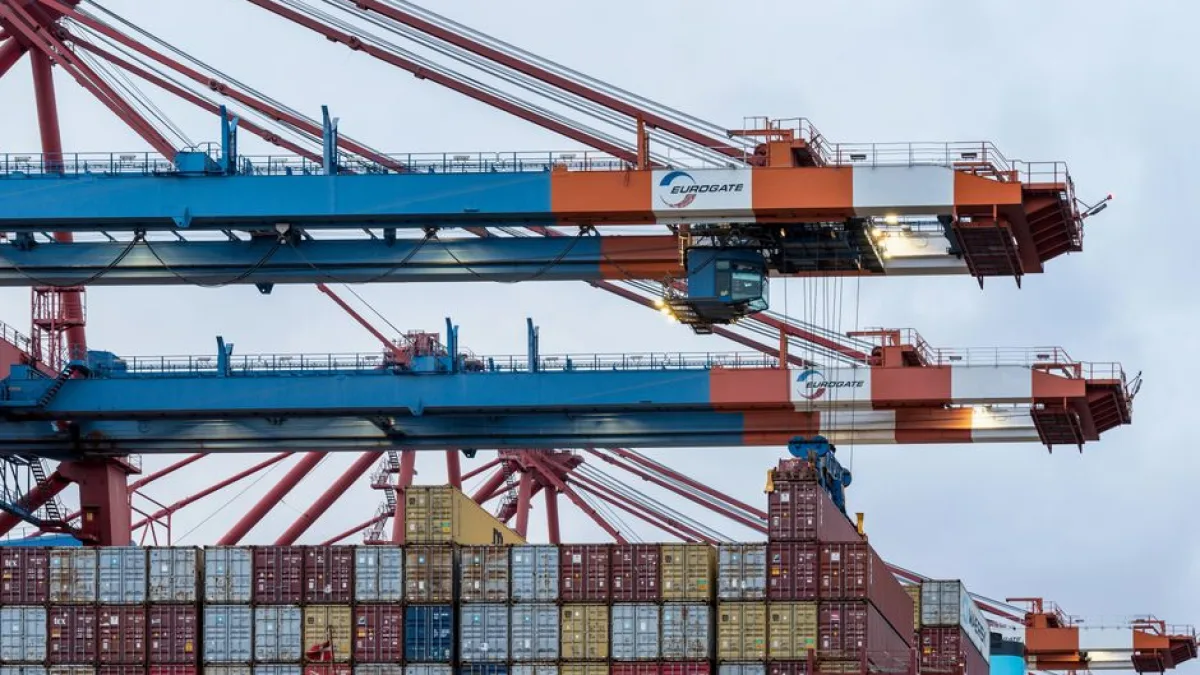
Efficient booking workflows serve as the backbone of successful freight forwarding companies by reducing errors and accelerating client response times. Transitioning to automated digital platforms allows teams to manage complex shipments with precision while eliminating tedious manual data entry tasks daily.
- Instant Quote Generation: Automated systems allow your team to provide customers with accurate pricing instantly by integrating live carrier rates and local charges directly into your cloud-based platform interface.
- Centralized Booking Portals: Consolidating all booking requests into one dashboard ensures that no shipment details are missed or miscommunicated between your operations staff and the various shipping lines involved.
- Automated Document Handling: Reduce processing time by using smart systems that auto-populate shipping instructions and bills of lading, significantly lowering the risk of human error during critical filing.
- Real-time Carrier Integration: Direct API connections with major carriers provide your team with updated scheduling data, ensuring that booking confirmations are always based on the most current information.
By shifting away from legacy email based processes, forwarders gain a significant tactical advantage that improves both internal productivity and client satisfaction scores. When your team can confirm bookings within minutes instead of hours, your agency positions itself as a reliable partner capable of handling high volume demands. Investing in these digital tools creates a scalable foundation for sustained growth in the ocean freight industry.
Enhancing Shipment Visibility

Providing clients with precise tracking data builds long term trust and distinguishes your agency from competitors relying on outdated manual status updates. Real-time visibility across the entire supply chain journey allows forwarders to proactively address delays before they impact your clients.
- Proactive Milestone Tracking: Automated alerts keep stakeholders informed about every port arrival and departure, allowing you to manage expectations even when unexpected vessel delays occur during transit.
- Customer Self-Service Portals: Empower your clients to access their own shipment status 24/7, which significantly reduces the volume of status inquiry emails your customer service team receives.
- Exception Management Tools: Early warning systems identify potential bottlenecks at ports or transshipment hubs, enabling your team to develop contingency plans before a shipment is severely affected.
- Integrated Map Dashboards: Visual mapping tools provide a clear overview of cargo locations, helping you effectively manage complex routes and multi-leg shipments with professional clarity for customers.
Modern shipping clients demand total transparency and instant access to their cargo data throughout the transit period. By offering advanced visibility tools, you transform your service offering into a high-value asset that clients rely on for their own planning. This strategic shift moves your agency from a simple service provider to a trusted logistics consultant that proactively manages potential transit risks effectively.
Managing Carrier Relationships
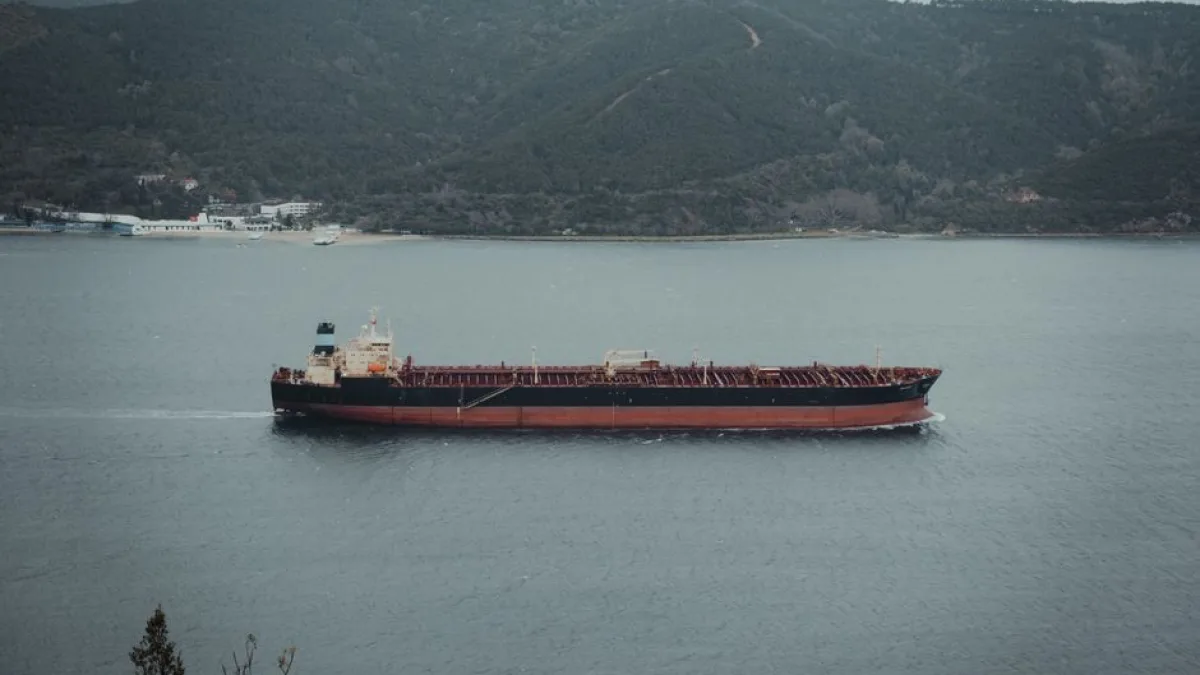
Maintaining strong partnerships with ocean carriers is essential for securing space and competitive pricing during periods of high market demand and global capacity shortages. Effective management of these alliances ensures your firm receives priority service and consistent support for your clients.
- Performance Monitoring Analytics: Track carrier reliability and transit time adherence through data analytics to make informed decisions about which shipping lines offer the best service quality.
- Dynamic Rate Negotiation: Utilize historical volume data to negotiate better rates and equipment allocations with carriers, ensuring your business remains profitable while offering competitive market pricing.
- Collaborative Digital Communication: Move beyond simple email chains by using integrated messaging tools that track carrier correspondence, ensuring that all vital agreements are documented and easily accessible.
- Contract Management Modules: Maintain organized digital records of all carrier contracts and surcharges, which helps your finance team verify invoices quickly to prevent overpayment on shipping services.
Strong carrier relations often determine the difference between success and failure when cargo capacity tightens during peak shipping seasons globally. By leveraging data to demonstrate your consistent volume and reliability, you create mutual benefits that protect your clients from market turbulence. A collaborative approach to carrier management fosters a more stable supply chain for everyone involved, proving your value to both partners and shippers.
Optimizing Financial Workflows

Managing the financial intricacies of ocean freight demands accuracy and speed to ensure healthy cash flow and operational stability for your entire forwarding agency. Integrating billing and accounting systems reduces revenue leakage and speeds up your payment cycles significantly each month.
- Automated Invoice Auditing: Systematically compare carrier invoices against original bookings to identify discrepancies immediately, preventing unnecessary costs and ensuring your company only pays for authorized services performed.
- Seamless Accounting Integration: Synchronize your logistics software with your existing accounting platforms to eliminate double entry, ensuring financial data stays accurate and ready for tax reporting.
- Customized Client Billing: Provide customers with detailed and professional invoices that include all agreed service fees and surcharges, which helps speed up the client approval process internally.
- Cash Flow Monitoring: Real-time financial dashboards provide leadership with clear insights into outstanding payments and upcoming expenses, supporting smarter decisions regarding operational investments and company resources.
Efficient financial operations allow your forwarding business to remain agile and reinvest in technology or staff training effectively. By automating the most repetitive accounting tasks, your finance department can shift their focus toward strategic analysis and long term revenue growth. Keeping your books balanced and your billing accurate ensures that every shipment contributes positively to your firm's overall financial health and success.
Conclusion

Transforming your ocean freight operations requires a commitment to digital adoption and process refinement that pays dividends in the competitive logistics market. By leveraging modern cloud tools to manage bookings, tracking, carrier relations, and billing, your agency can achieve higher efficiency levels and improved customer trust. Start upgrading your infrastructure today to ensure your forwarding business remains a resilient and profitable leader in global trade.