Optimizing Ocean Freight Operations in a Digital Era
Monday, August 10 2026
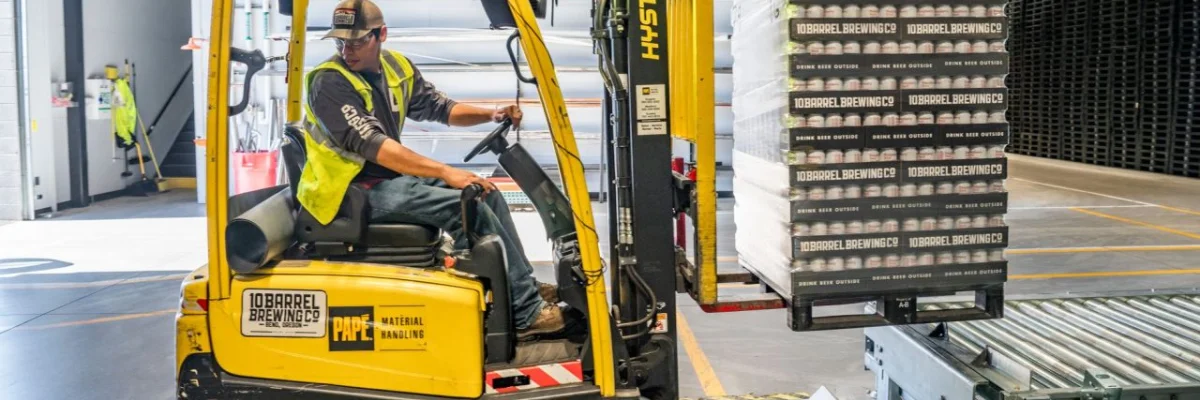
The global shipping industry is currently navigating a period of unprecedented complexity, where volatile market conditions and shifting consumer demands require more than just traditional logistics management. Freight forwarders must now embrace sophisticated technological solutions to maintain operational efficiency and profit margins while meeting customer expectations for real-time visibility. Moving from manual, paper-based workflows toward integrated digital platforms allows companies to mitigate risks and capitalize on data-driven insights. By focusing on automation and process standardization, forwarders can better position themselves to handle the structural changes defining modern ocean transport and secure a competitive advantage in a demanding international market.
Leveraging Advanced Data Analytics
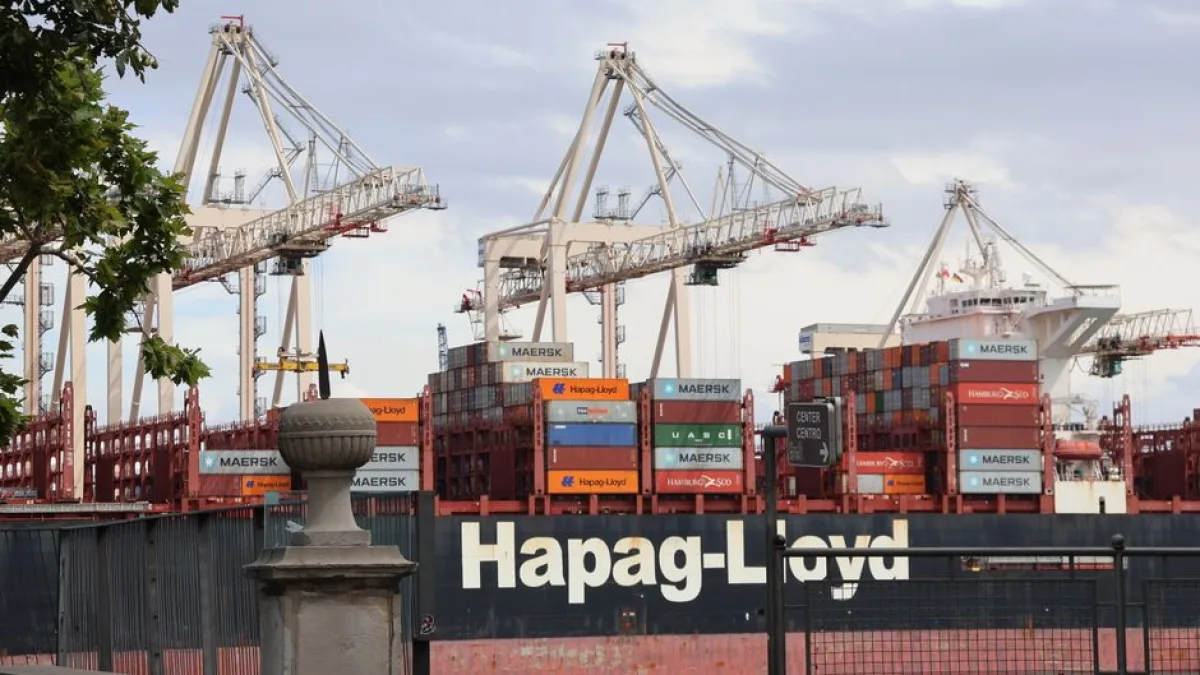
Data analytics transforms raw shipment information into actionable insights that drive smarter decision making for ocean logistics. Forwarders utilizing modern software can identify patterns in shipping routes, spot potential delays early, and optimize container utilization to reduce overall transportation costs effectively.
- Predictive Capacity Planning: Utilize historical volume data to forecast future demand shifts and secure container allocations well in advance of peak seasons, preventing costly last-minute booking premiums for clients.
- Route Performance Metrics: Monitor vessel transit times and port congestion data to select the most reliable carriers, ensuring that your clients receive accurate delivery estimates for their global supply chains.
- Cost Variance Analysis: Identify hidden surcharges or inefficiencies within your current freight spend patterns by analyzing automated reports generated directly from your integrated cloud-based shipping management software platform.
- Fuel Surcharge Optimization: Track fluctuations in bunker adjustment factors across different carriers to negotiate better rates or switch lanes when fuel costs disproportionately impact the total landed cost of cargo.
Integrating these analytics tools requires a cultural shift toward data transparency across all departments within your organization. When teams can access a single source of truth, communication between operations and sales improves significantly. This unified approach ensures that every stakeholder understands the implications of data findings, ultimately leading to higher service quality and stronger long-term relationships with your shipping customers around the world.
Automating Documentation and Compliance

Automation eliminates the tedious manual entry of bills of lading and customs declarations that often lead to human errors. By digitizing documentation, forwarders ensure rapid processing and compliance with international trade regulations while reducing administrative burdens on their expert staff.
- Automated Document Generation: Create standardized shipping documents automatically by pulling data directly from existing booking files, which minimizes the risk of manual typos and administrative processing delays today.
- Regulatory Compliance Checks: Implement automated screening tools that cross-reference shipment details against international sanctions lists and regional trade regulations to avoid severe penalties and cargo seizures instantly.
- Unified Digital Filing: Consolidate all critical paperwork into a secure cloud environment that allows team members to retrieve essential documents during audits or urgent customer inquiries immediately.
- E-Signature Integration: Expedite the approval cycle for commercial invoices and delivery orders by incorporating secure digital signature workflows that remove the need for physical printing or scanning.
Adopting automated workflows does more than save time; it empowers your staff to focus on high-value tasks such as exception management and client consulting. By removing the bottleneck of repetitive data entry, your business can scale operations without increasing overhead costs. This transformation allows your team to spend more time resolving complex logistics challenges rather than managing endless spreadsheets and emails daily.
Enhancing Real-Time Shipment Visibility
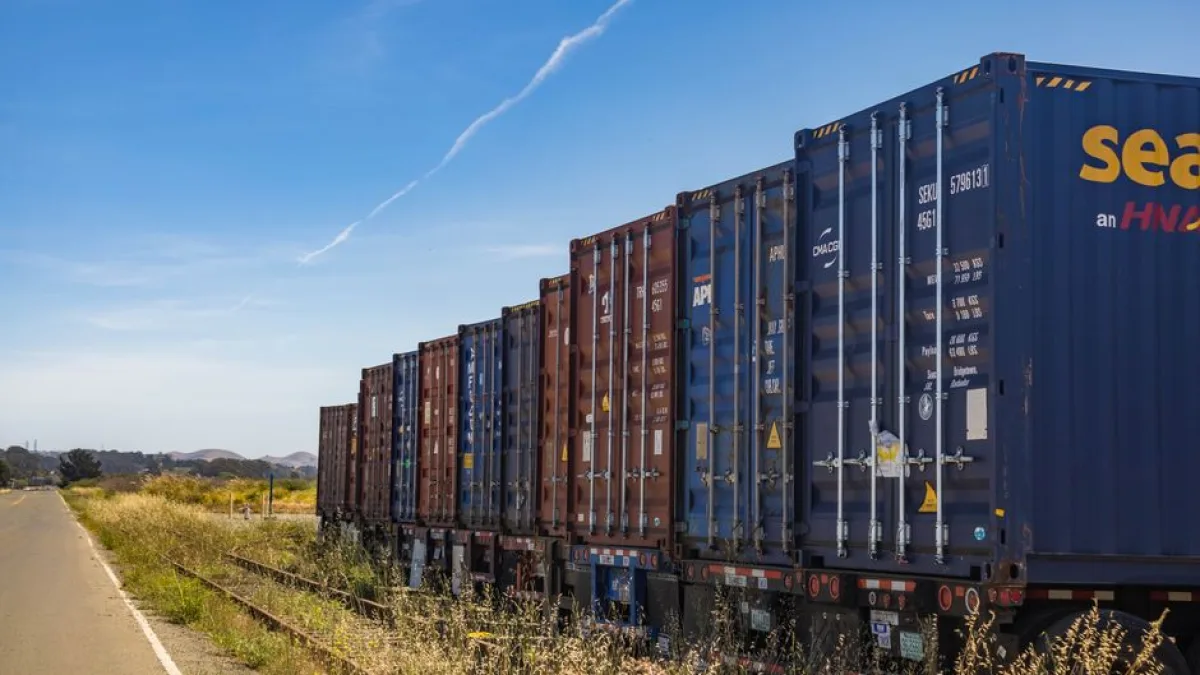
Visibility is the primary currency of modern freight forwarding, as customers demand constant updates on their cargo locations. Providing a seamless tracking experience fosters trust and allows clients to manage their inventory levels with far greater precision than before.
- Live Vessel Tracking: Integrate satellite data into your customer portal to provide real-time location updates for vessels, ensuring that your clients remain informed about their cargo progress.
- Automated Status Alerts: Configure customizable notification triggers that alert clients via email or SMS when their shipments arrive at key milestones or experience any unexpected transit delays.
- Custom Portal Access: Grant your clients direct, secure access to a branded digital portal where they can view live status updates and download essential shipment reports anytime.
- Exception Management Workflow: Utilize automated alerts to immediately identify shipments stuck at port terminals, enabling your operations team to take proactive measures before the client notices issues.
Proactive communication serves as a powerful differentiator in the crowded freight forwarding market. By offering transparency, you reduce the volume of inbound customer service calls, freeing up your team to manage more shipments. This digital empowerment creates a self-service culture where clients feel more in control of their own supply chains, which consistently drives higher retention rates and strengthens professional partnerships.
Collaborating with Global Partners

Successful ocean freight operations rely on a network of reliable agents and carriers working in perfect synchronization. Digital platforms provide the infrastructure needed to bridge communication gaps and standardize cooperation protocols across diverse geographical locations and different time zones.
- Unified Partner Portals: Create a shared working space for overseas agents to upload documents and updates, ensuring that information flows seamlessly between international offices without email clutter.
- Standardized Messaging Protocols: Adopt cloud-based messaging tools that keep all project-related communication in one place, preventing important details from getting lost in fragmented chains of personal emails.
- Automated Task Assignment: Distribute specific shipping tasks to relevant partner agents through an integrated platform that monitors deadlines and ensures all requirements are met on schedule.
- Resource Sharing Networks: Leverage cloud platforms to share updated rate sheets and service capacity information with your entire network of partners to optimize global shipping strategies.
Effective collaboration is the backbone of any international shipping operation. When your internal teams and external partners are connected through a single technological ecosystem, the entire supply chain becomes more resilient. This synergy allows for faster problem solving during disruptions and more efficient resource allocation across your network. Investing in these collaborative tools is essential for any forwarder aiming to grow globally.
Conclusion
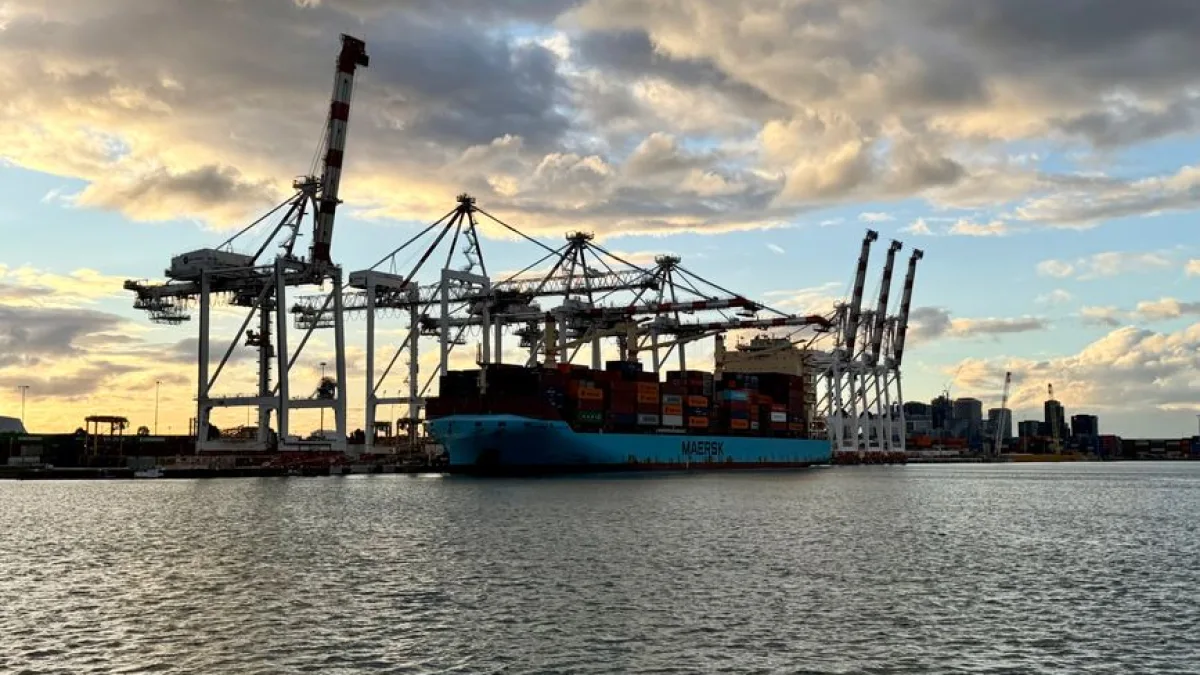
Transforming your ocean freight operations requires a commitment to digital adoption and process refinement. By leveraging advanced analytics, automating manual documentation, ensuring full visibility, and fostering strong collaborative networks, you can navigate the complexities of modern shipping with confidence. Implementing these strategies will not only drive operational efficiency but also provide the superior service that your clients expect in today's highly competitive logistics industry.