Optimizing Ocean Freight Operations for Modern Forwarders
Monday, August 10 2026
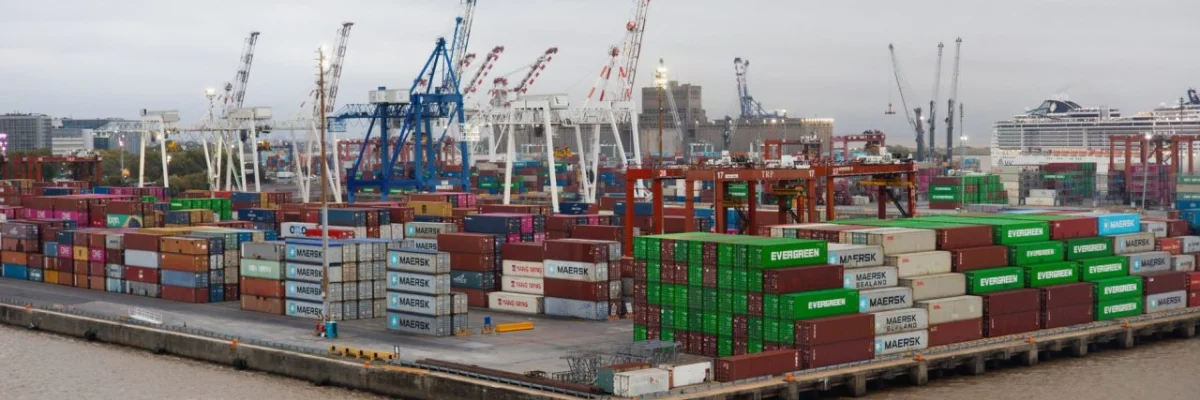
Navigating the complex landscape of global ocean freight requires precision, adaptability, and robust technological support. As supply chain volatility persists, freight forwarders are increasingly tasked with managing intricate logistics while maintaining cost efficiency and transparency. Traditional manual processes often fail to keep pace with the demands of modern shipping routes and port congestion. By embracing cloud-based digital transformation, forwarders can gain a competitive edge, ensuring seamless communication between carriers, agents, and beneficial cargo owners. This transition empowers teams to focus on strategic growth rather than administrative burdens, ultimately fostering long-term resilience and operational excellence within the dynamic maritime shipping industry.
Digitizing Booking Management
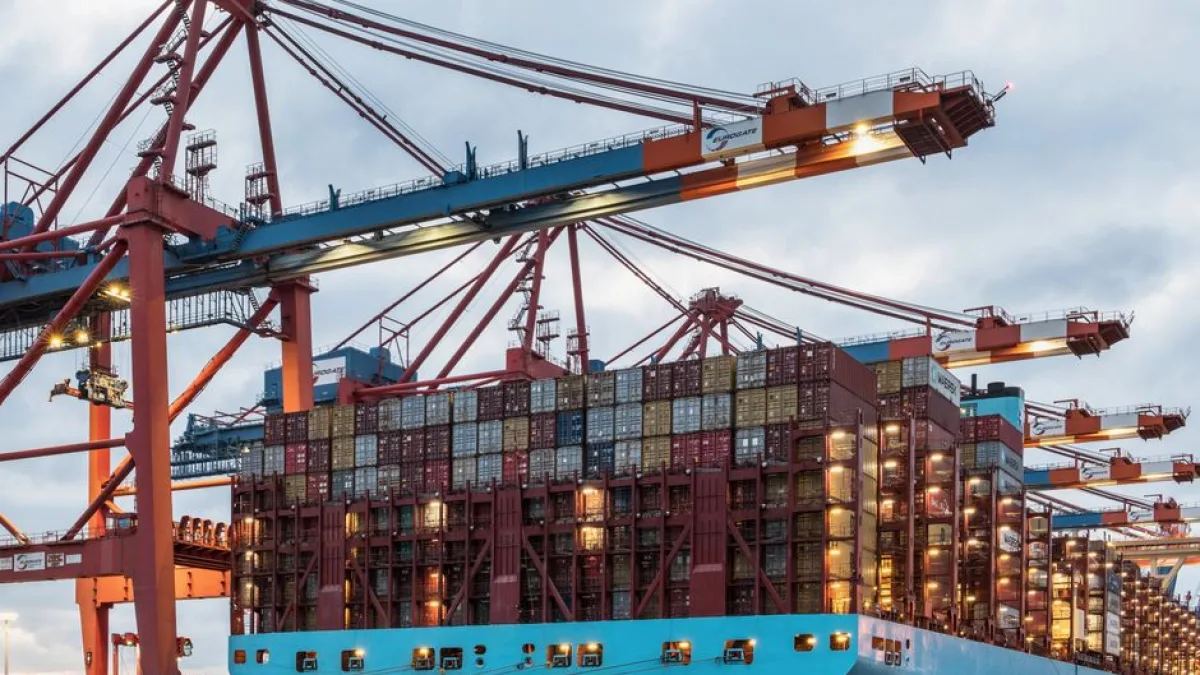
Digital transformation revolutionizes how forwarders process bookings by automating manual entry and reducing human errors significantly. Moving away from spreadsheets toward centralized platforms enables real-time coordination, ensuring that vital documentation is accurate and accessible to all involved parties during transit.
- Centralized booking data: Consolidate all shipment requirements into one dashboard to ensure that your team maintains full visibility over schedules and carrier allocations throughout the entire shipping lifecycle.
- Automated carrier communication: Eliminate the endless email threads by utilizing integrated digital messaging tools that update booking statuses automatically whenever changes occur within the primary carrier portals.
- Standardized data entry: Enforce consistent input formats across your organization to minimize costly discrepancies in bills of lading and commercial invoices, which improves overall compliance levels.
- Enhanced error detection: Leverage smart validation algorithms that scan for inconsistencies in booking details before final submission, preventing delays and avoiding unnecessary demurrage or detention charges.
By streamlining booking workflows, forwarders can significantly reduce the time spent on repetitive tasks and focus on delivering high-quality service to their clients. This digital shift not only improves internal productivity but also enhances the overall customer experience by providing rapid and reliable shipment updates. Investing in these automation tools is essential for maintaining agility in an increasingly fast-paced and interconnected global logistics market.
Real-time Shipment Visibility
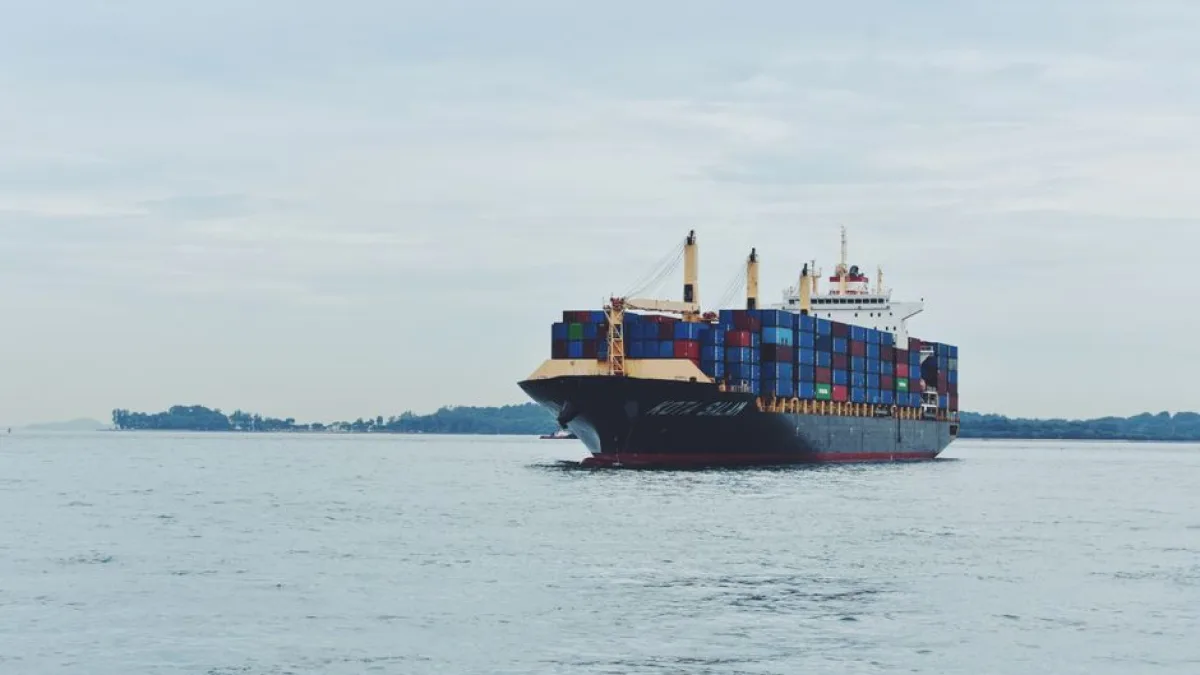
Visibility acts as the backbone of modern freight forwarding, allowing companies to track shipments precisely across vast ocean distances. Real-time monitoring helps forwarders proactively manage expectations, identify potential bottlenecks at ports, and communicate clear status updates to their customers continuously.
- Live GPS tracking: Provide your customers with precise location data for their containers using satellite-based tracking systems that integrate directly into your primary freight management software platform.
- Milestone automated alerts: Configure customized notifications that automatically trigger when shipments reach specific geographic points, ensuring that you stay informed about transit progress without manual checking.
- Port congestion updates: Receive up-to-the-minute data regarding vessel arrival times and terminal congestion issues, enabling your team to adjust inland logistics plans before problems escalate further.
- Exception management tools: Identify shipment delays quickly through proactive dashboard warnings, allowing your operations staff to implement contingency plans immediately and minimize impact on the final delivery.
Achieving deep visibility into ocean freight operations builds trust and transparency with clients. When forwarders can anticipate disruptions and provide accurate arrival estimates, they transform from simple service providers into indispensable supply chain partners. This capability is critical for businesses that rely on just-in-time inventory, making your logistics services more valuable and resilient in a highly competitive global shipping environment.
Optimizing Carrier Selection

Choosing the right carrier involves balancing cost, transit time, and reliability effectively. Advanced freight software allows forwarders to compare rates and performance metrics side-by-side, helping them select the most efficient route for every specific shipment requirement while optimizing profit margins.
- Automated rate comparisons: Quickly evaluate multiple carrier quotations within a single interface to identify the best pricing and transit time options tailored for every unique cargo requirement.
- Historical performance metrics: Analyze past carrier reliability data to make informed decisions that avoid companies prone to frequent delays or poor communication during peak seasons.
- Contract management features: Store and manage complex carrier service agreements securely, ensuring that your team always applies the correct pricing structures during the quoting process for clients.
- Capacity planning assistance: Monitor global carrier capacity trends to secure space during high-demand periods, ensuring your shipments depart as scheduled without facing unexpected roll-over situations at ports.
Strategic carrier selection remains a primary driver of operational success for forwarders. By utilizing data-driven insights rather than relying on guesswork, your company can maintain healthy margins while providing reliable service levels to shippers. This systematic approach ensures that every vessel departure is optimized for success, supporting both the financial growth of your firm and the complex delivery schedules of your global clients.
Streamlining Documentation Workflow

Documentation remains the most time-consuming aspect of international shipping, often involving multiple parties and strict regulatory deadlines. Centralized document management systems simplify the preparation, sharing, and storage of essential shipping paperwork, reducing the risk of customs delays or compliance issues.
- Template based generation: Create standard shipping documents automatically by pulling data directly from your shipment files, which eliminates the need for manual data re-entry entirely.
- Secure digital storage: Keep all vital shipment records organized and easily retrievable within a secure cloud-based archive, ensuring you are always prepared for audits or client inquiries.
- Collaborative editing tools: Enable multiple team members to review and approve customs documentation simultaneously within the platform to prevent bottlenecks during the critical pre-shipment clearance process.
- Compliance validation checks: Utilize built-in regulatory checklists that verify if all required paperwork is present and correctly formatted for destination ports to avoid costly clearance delays.
Efficient documentation practices save countless hours and prevent errors that lead to significant financial penalties. By adopting digital tools to manage your paperwork, you move away from paper-heavy workflows toward a faster, more accurate operational model. This transformation not only ensures seamless cross-border trade but also boosts the overall reputation of your forwarding agency as a highly professional and reliable partner.
Conclusion

Modernizing ocean freight processes is no longer optional for companies aiming to thrive in a competitive industry. By leveraging technology to manage bookings, visibility, carrier selection, and documentation, freight forwarders can achieve unprecedented efficiency levels. Take the initiative to upgrade your internal workflows today. Embrace digital solutions to transform your operations, satisfy client demands, and secure a prosperous future for your freight business.