Optimizing Ocean Freight Operations for Modern Forwarders
Tuesday, August 11 2026
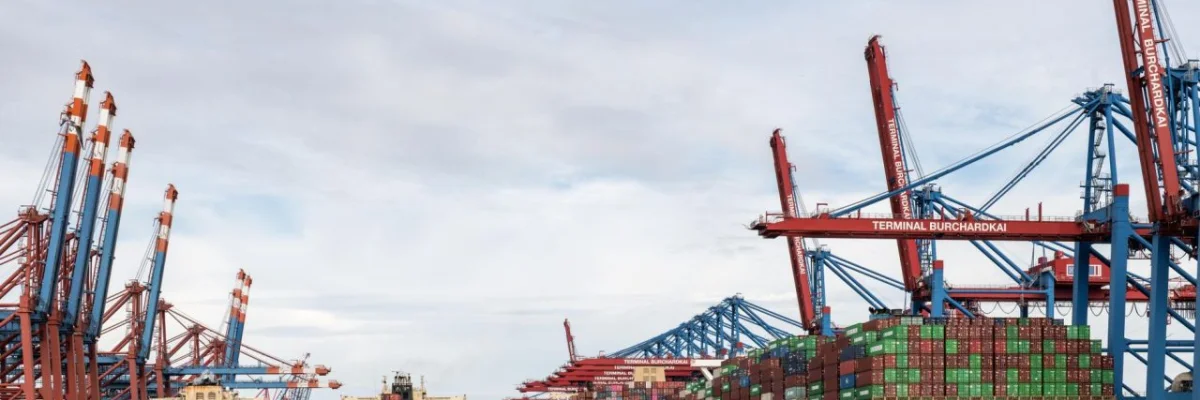
Navigating the complex landscape of global ocean freight requires more than just industry expertise; it demands a sophisticated blend of digital agility and strategic planning. As freight forwarders face increasing volatility in supply chains, port congestion, and fluctuating demand, the reliance on outdated manual processes is no longer sustainable. Forward-thinking companies are now shifting toward cloud-based technology to gain real-time visibility and operational efficiency. By streamlining booking management, automated documentation, and multi-modal coordination, forwarders can significantly reduce administrative overhead while enhancing the overall experience for their clients, ultimately securing a competitive advantage in an ever-evolving global logistics market.
Digital Documentation Efficiency

Managing global shipments creates a massive volume of complex documentation that demands high precision. Transitioning to cloud-native platforms allows forwarders to centralize bill of lading processing, customs forms, and invoices, ensuring that all stakeholders have immediate access to accurate, standardized information without delays.
- Automated Form Filling: Software integrations automatically pull data from booking requests into standardized forms, reducing human error and saving your operations team significant hours of repetitive manual data entry tasks.
- Centralized Document Storage: Secure cloud repositories ensure that every version of a bill of lading or commercial invoice is accessible to authorized team members across multiple global office locations.
- Real-Time Document Updates: Instant notifications alert your team whenever a critical document is uploaded or modified by carriers, ensuring that the entire supply chain remains synchronized and fully compliant.
- Simplified Customs Compliance: Built-in validation rules check your customs documentation against international regulatory requirements, helping you avoid costly delays, fines, or rejected shipments at busy transit ports.
Adopting an automated approach to documentation transforms how your business handles administrative burdens. By minimizing the time spent on manual input, your team can pivot their focus toward higher-value activities like relationship management and strategic freight planning. This operational shift not only boosts morale but also improves accuracy across the board, providing a foundation for scalable growth in a demanding ocean freight market.
Real-Time Cargo Visibility
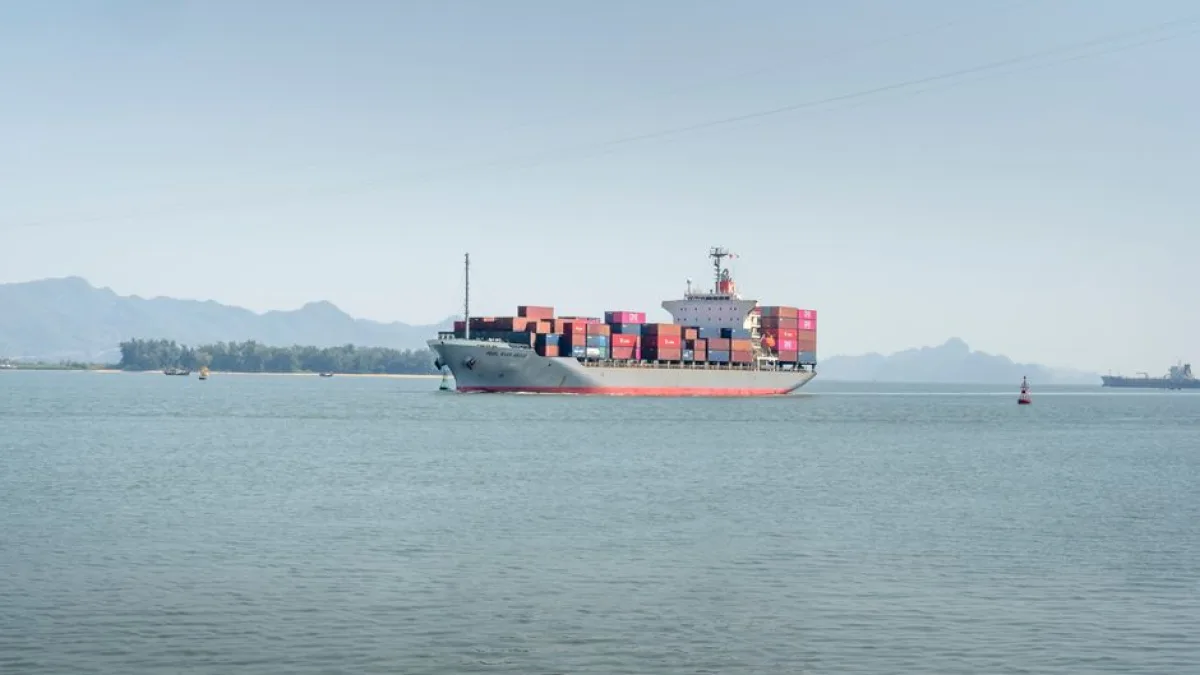
Tracking shipments across the vast oceans is essential for maintaining client trust and operational transparency. Modern freight software provides instant updates on vessel locations, allowing forwarders to proactively address delays, communicate schedule changes, and manage expectations before problems escalate into major logistics failures.
- Live Vessel Tracking: Integrated satellite data provides precise coordinates and estimated arrival times for your containers, ensuring you always know exactly where client cargo is during the journey.
- Automated Milestone Alerts: Configurable notifications trigger automatically when a container passes a key milestone, keeping both your internal team and your clients updated on the shipping status.
- Proactive Delay Management: Advanced analytics software identifies potential risks early in the voyage, allowing forwarders to suggest alternative routing options to minimize the impact of port congestion.
- Unified Tracking Dashboard: Consolidate tracking data from multiple ocean carriers into a single, user-friendly interface that eliminates the need to visit separate shipping line web portals daily.
Transparency is the bedrock of modern logistics partnerships. When your clients can access live status updates, the need for routine status inquiries drops significantly, freeing up your team to solve complex problems instead of answering basic questions. Providing this level of service sets your firm apart from competitors who still rely on manual tracking methods, fostering deeper loyalty and long-term business retention.
Seamless Carrier Communication
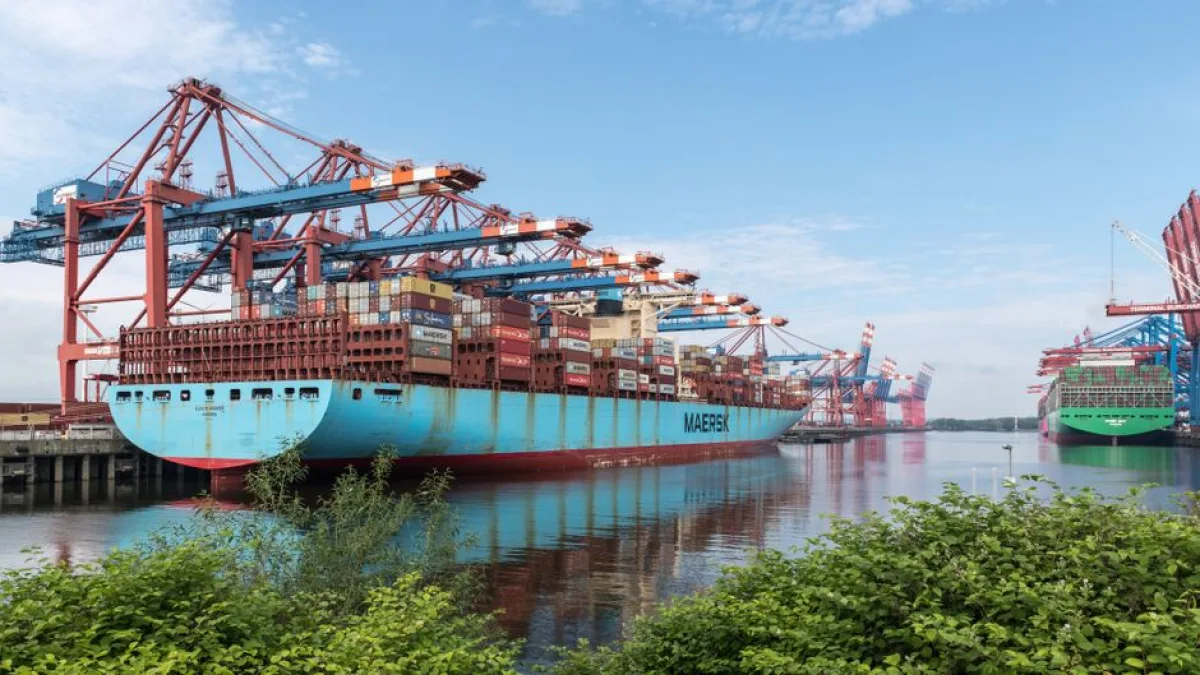
Strong relationships with ocean carriers are vital, yet coordinating communication across diverse platforms is frequently inefficient. By utilizing digital freight software, forwarders create a unified gateway for all carrier interactions, ensuring that inquiries, booking updates, and disputes are handled within one secure digital space.
- Direct Messaging Integration: Communicate with carrier representatives directly through your freight platform to maintain a clean record of all shipping agreements, rate negotiations, and vessel space confirmations.
- Bulk Booking Requests: Send multiple container booking requests to different carriers simultaneously, allowing your staff to compare availability and pricing options without navigating various confusing website interfaces.
- Dispute Resolution Tools: Log discrepancies regarding invoice amounts or terminal fees immediately within the system, ensuring that your financial department has clear documentation for rapid reconciliation and recovery.
- Standardized Carrier Templates: Use pre-defined templates for all communications to ensure that your freight requests are clear, concise, and professional, which helps speed up response times from carriers.
Efficient communication is the lubricant that keeps your freight operations moving smoothly. When your team spends less time digging through cluttered email inboxes and more time using a single messaging portal, the risk of miscommunication disappears. This level of organizational clarity empowers your staff to negotiate better terms and handle exceptions with speed, ensuring that your client shipments stay on their intended schedule.
Strategic Rate Management
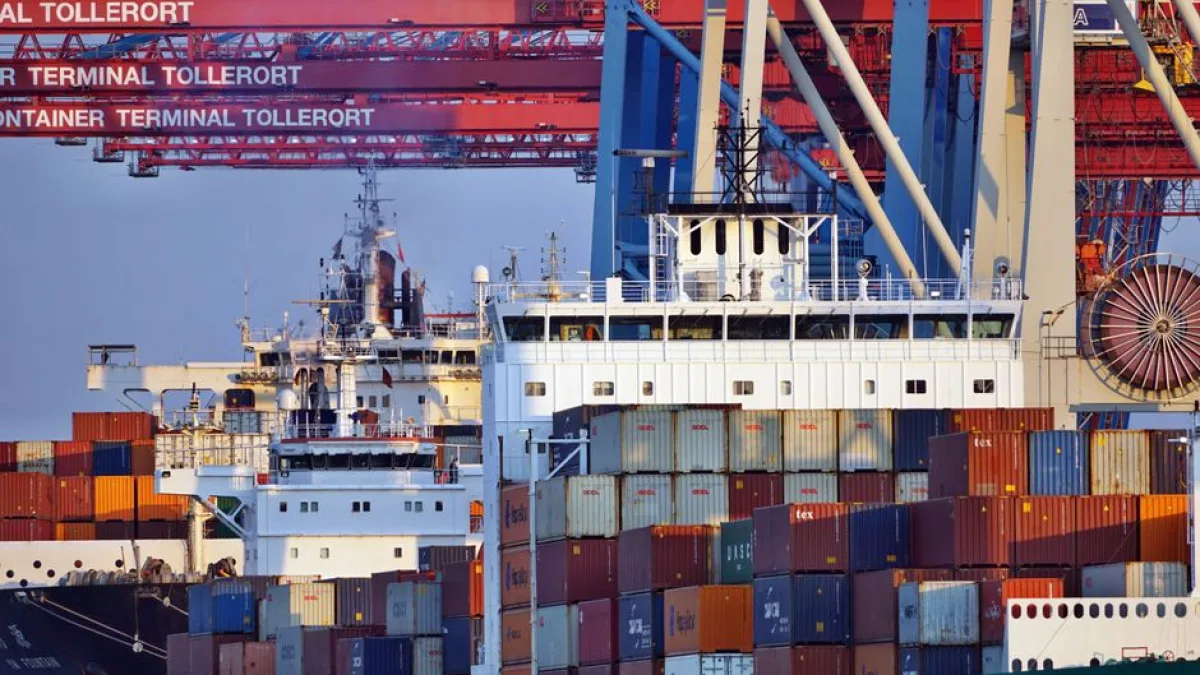
Success in ocean freight depends on your ability to offer competitive pricing while maintaining healthy profit margins. Modern software tools empower forwarders to aggregate carrier rates, compare market trends, and instantly generate customized quotes, ensuring you remain agile in a market where shipping prices fluctuate on a daily basis.
- Instant Quote Generation: Build and send professional rate proposals to your clients in minutes by pulling the most current market data directly into your custom branded quotation documents.
- Historical Rate Analysis: Access detailed reports on past shipping costs to identify seasonal trends, allowing your team to predict future market shifts and secure advantageous long-term carrier contracts.
- Dynamic Pricing Comparison: Quickly compare spot rates against your existing service contracts to identify the most cost-effective routing options for your clients without wasting hours on manual research.
- Margin Tracking Tools: Monitor your gross profit margins on every single shipment automatically, ensuring that hidden costs do not erode your financial performance during busy shipping seasons.
Effective rate management transforms pricing from a reactive task into a powerful strategic advantage for your company. By leveraging data-driven insights and automated quotation tools, you can respond to client requests with precision and confidence. This level of responsiveness demonstrates your professionalism and commitment to their success, creating a strong foundation for a profitable, high-performing ocean freight department that delivers consistent value.
Conclusion
Optimizing your ocean freight operations is an ongoing journey that requires the right digital tools and a commitment to modernizing your workflows. By embracing automation for documentation, visibility, communication, and pricing, your freight forwarding business can achieve new levels of efficiency and scale. Start evaluating your internal processes today to identify areas for improvement and ensure long-term success in the competitive global market.