Optimizing Ocean Freight Operations in the Digital Era
Wednesday, August 12 2026
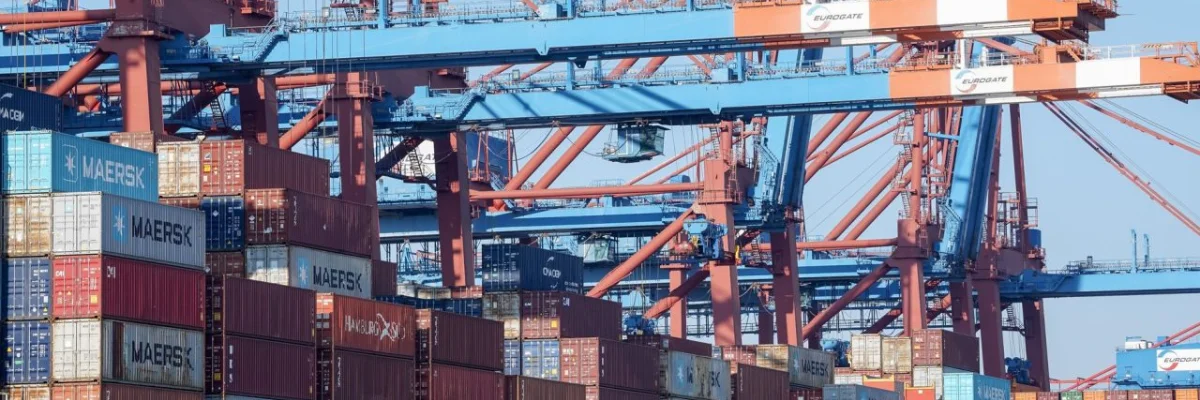
Navigating the complex landscape of global ocean freight requires more than just experience and reliable carrier relationships. As market volatility continues to impact supply chains, forwarders must pivot toward technology to maintain competitive edges and operational transparency. Digital transformation is no longer a luxury but a fundamental necessity for businesses aiming to manage vast amounts of cargo data efficiently. By leveraging cloud-based platforms, logistics professionals can automate tedious manual processes, improve real-time visibility for their clients, and ultimately reduce the overhead costs associated with traditional shipping methods. Embracing these innovative tools ensures your business remains resilient in an evolving maritime logistics industry.
Modernizing Port Infrastructure
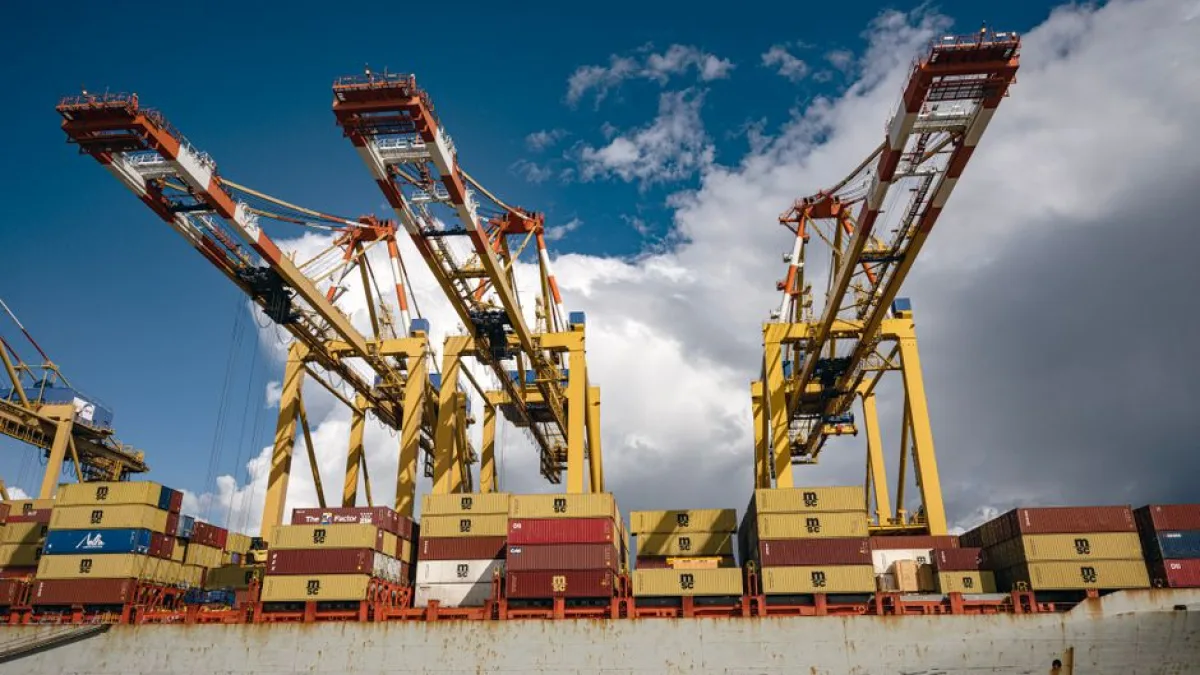
The rapid expansion of global trade demands sophisticated port infrastructure capable of handling massive container volumes. Modern systems prioritize the seamless integration of port data with carrier networks, allowing for faster processing times and reduced congestion at major international shipping terminals.
- Automated Gate Systems: These advanced technologies reduce truck turnaround times by utilizing optical character recognition to verify container details instantly without requiring human intervention at every single gate entry point.
- Digital Terminal Sync: Synchronizing terminal operating systems with forwarding software allows for precise tracking updates that provide stakeholders with granular insights into the status of their cargo shipments.
- Smart Crane Operations: Modern cranes utilize sensor data and artificial intelligence to optimize movement paths, significantly lowering energy consumption while accelerating the loading and unloading of massive freight vessels.
- Data Security Protocols: Robust cybersecurity measures protect sensitive shipment information from unauthorized access, ensuring that digital port operations remain shielded from potential threats during the complex data exchange process.
Efficient port operations serve as the backbone of successful ocean freight logistics. By investing in integrated technology and adopting automated systems, forwarders significantly lower the risk of bottlenecks. This transition leads to faster transit times and enhanced reliability, which are critical metrics for customer satisfaction. As technology evolves, businesses that prioritize digital maturity will consistently outperform competitors who rely solely on legacy infrastructure and traditional paper workflows.
Dynamic Route Optimization
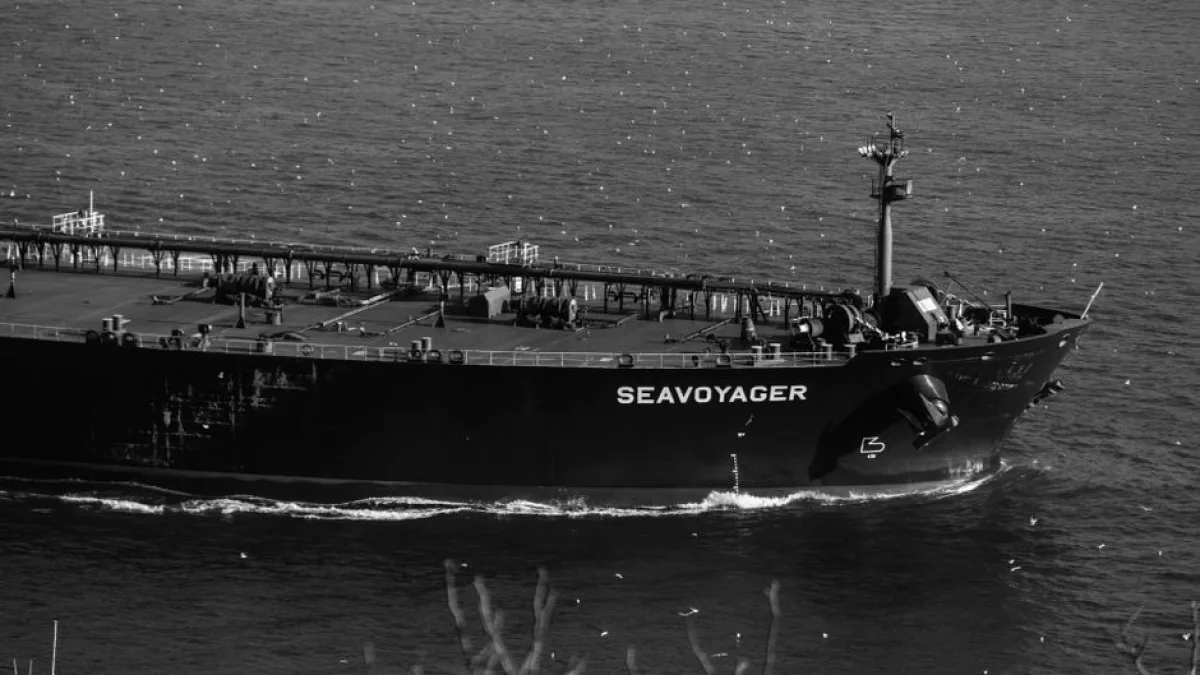
Route planning has shifted from static schedules to dynamic, data-driven strategies. By analyzing weather patterns and port congestion in real-time, forwarders can adjust shipping routes to minimize delays and prevent unforeseen costs during long-haul transoceanic cargo transport missions.
- Predictive Weather Modeling: Advanced analytics software forecasts severe weather patterns days in advance, allowing dispatchers to reroute vessels proactively and avoid hazardous maritime conditions that cause significant shipment delays.
- Real-time Congestion Data: Access to live congestion metrics at major ports helps forwarders choose alternative terminals, ensuring that cargo moves through the supply chain with minimal waiting and disruption.
- Fuel Consumption Analysis: Intelligent systems calculate the most fuel-efficient paths based on current sea conditions, helping logistics companies lower their carbon footprint while reducing overall operational fuel expenditures today.
- Adaptive Delivery Windows: Providing clients with dynamic arrival estimates based on current route data fosters trust, as it creates clear expectations and improves transparency throughout the ocean journey.
Dynamic optimization is a game-changer for modern freight forwarders struggling with unexpected logistical challenges. By moving away from static planning, companies can respond quickly to variables that threaten to derail scheduled operations. This agility results in substantial cost savings and a higher standard of service. Embracing these advanced analytical tools allows your team to navigate global maritime complexities with confidence, efficiency, and precision.
Digital Documentation Management
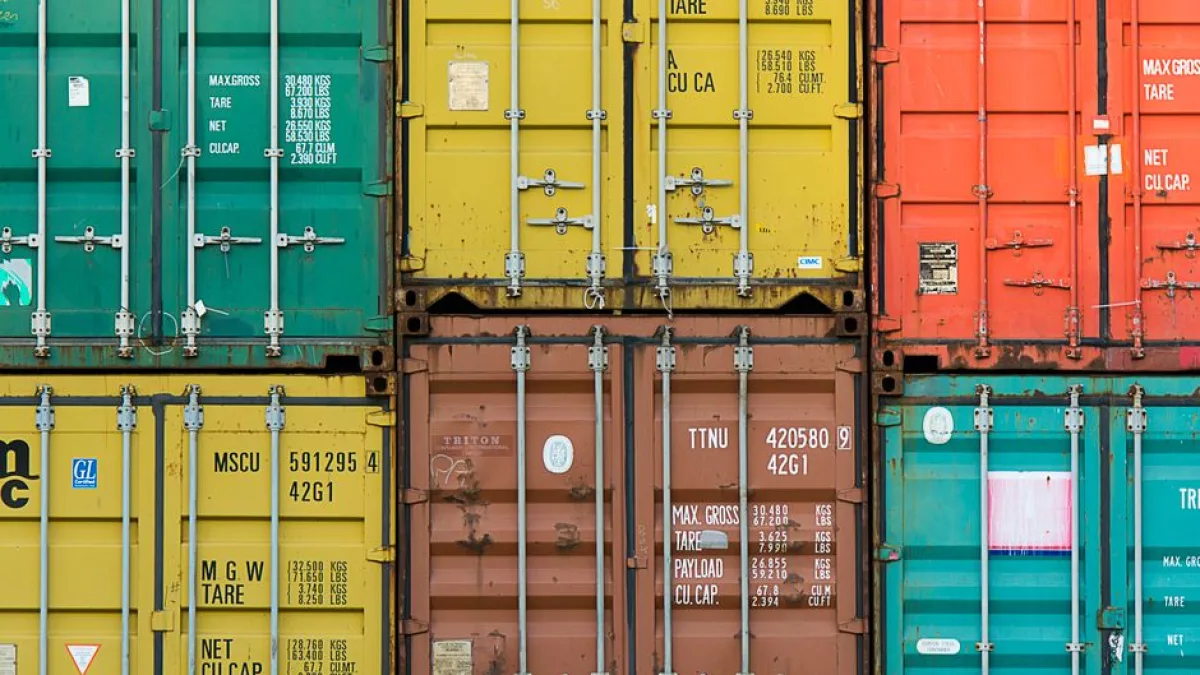
Paperwork remains the primary cause of delays in ocean freight, but digital document management systems have transformed how forwarders handle bills of lading, customs declarations, and certificates of origin within a secure, centralized cloud-based platform environment.
- Electronic Bill Lading: Switching to digital bills reduces manual processing time, minimizes the risk of human error during entry, and ensures that legal documentation is transmitted instantly between parties.
- Automated Customs Compliance: Built-in validation checks ensure that all declaration documents meet international regulatory requirements, preventing costly fines and border delays that arise from minor clerical inaccuracies.
- Centralized Document Storage: Cloud storage solutions provide secure access to critical files from anywhere, ensuring that your team can retrieve important shipment documents in seconds instead of hours.
- Secure Digital Signatures: Implementing encrypted electronic signature protocols streamlines the approval process, allowing stakeholders to sign essential legal documents remotely without relying on traditional physical mailing or scanning.
Transitioning to a paperless environment is one of the most effective ways to streamline your forwarding business. Digitizing documentation removes friction from the shipping process, allowing for faster communication between carriers, agents, and shippers. As compliance regulations grow more complex, maintaining a clean digital record becomes essential for audit readiness. This shift simplifies daily workflows and allows your staff to focus on high-value tasks.
Cloud-Based Supply Chain Visibility
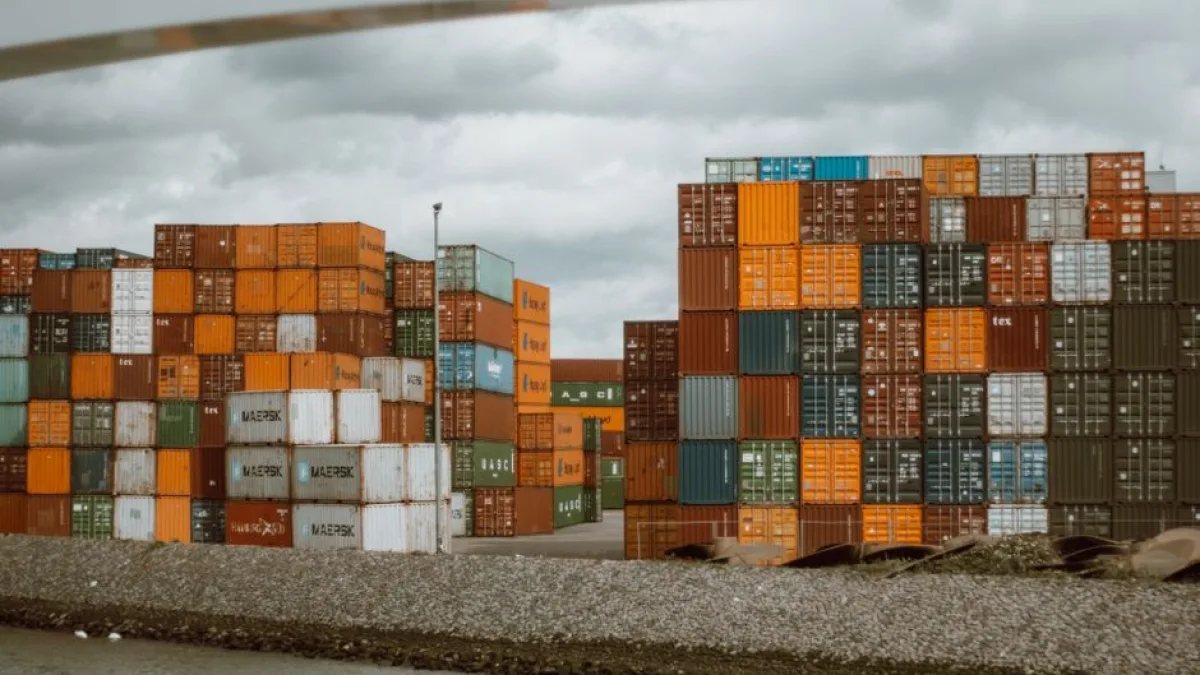
Cloud-based platforms offer unprecedented visibility into supply chain operations by connecting disparate data points into a single dashboard. This level of transparency enables forwarders to monitor cargo from origin to destination with absolute, real-time accuracy and clarity.
- End-to-End Tracking: Integrated tracking modules provide comprehensive updates on cargo movement, ensuring that both the forwarder and the end customer know the exact location of goods.
- Client Portal Integration: Providing customers with direct access to a branded portal allows them to track shipments themselves, reducing the volume of inbound status inquiry calls daily.
- Automated Status Alerts: Proactive notifications inform stakeholders of milestone changes or potential delays immediately, fostering a culture of transparency that strengthens long-term business relationships and client trust.
- Analytics Reporting Tools: Aggregating historical shipment data helps identify performance trends, allowing your management team to make informed strategic decisions regarding carrier selection and route planning efforts.
Visibility is the foundation of modern logistics management. By utilizing cloud-based dashboards, forwarders can provide the kind of high-quality service that customers expect in a competitive global market. Empowering your clients with direct access to shipment information reduces administrative overhead and enhances operational transparency. Implementing these tools is a crucial step toward building a future-proof freight business that thrives on data and efficiency.
Conclusion

Advancing your ocean freight operations requires a commitment to digital tools that enhance efficiency and transparency. By adopting cloud-based platforms for documentation, route planning, and real-time tracking, you position your firm for sustainable growth in a crowded global market. Start integrating these modern solutions today to reduce your manual workload, satisfy your clients, and achieve consistent success in your logistics management efforts.