Optimizing Ocean Freight Operations in a Digital Era
Thursday, August 13 2026
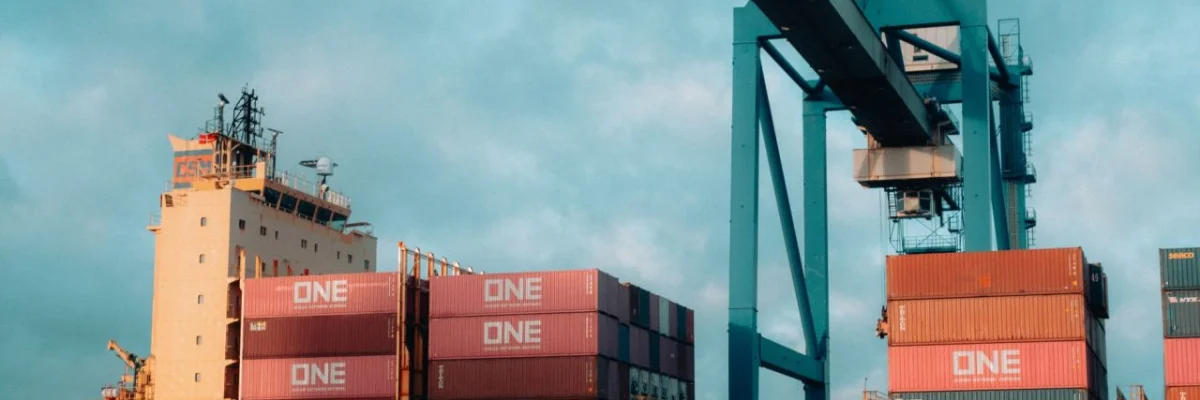
Navigating the complex landscape of global ocean freight requires more than just traditional logistical expertise in the modern age. As supply chain volatility continues to challenge freight forwarders, the adoption of cloud-based management platforms has become a critical necessity for maintaining competitive margins. By centralizing documentation, automating manual data entry, and providing real-time visibility across global routes, professionals can effectively reduce operational friction. This transition empowers teams to focus on strategic client relationships rather than getting buried under paperwork. Embracing these technological advancements is no longer a luxury but a fundamental requirement for forwarders aiming to scale operations efficiently.
Modernizing Port Terminal Logistics
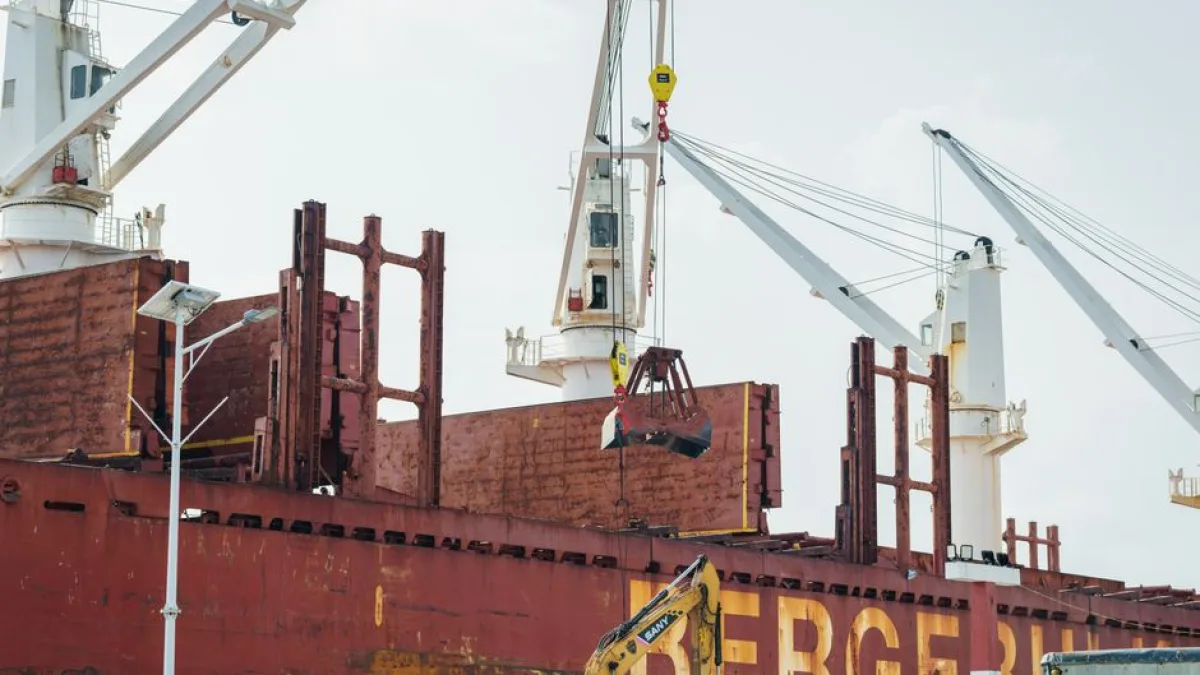
Efficient port operations serve as the backbone of global commerce, where every minute saved in terminal handling directly impacts your bottom line. Digital integration allows forwarders to synchronize arrivals and departures, effectively minimizing detention fees and maximizing vessel turnover times throughout ports.
- Real-time vessel tracking: Advanced satellite integration allows you to monitor vessel movements precisely and provide your clients with accurate status updates regarding their shipments from origin to destination ports.
- Automated gate management: Digital platforms streamline the check-in process at terminal gates by pre-clearing documentation, which reduces traffic congestion and speeds up container processing for busy transport carriers.
- Dynamic slot booking: Software solutions enable forwarders to secure terminal slots in advance, ensuring that pick-up and drop-off windows are strictly adhered to without costly manual rescheduling.
- Integrated terminal communication: Automated messaging systems replace legacy email threads by syncing updates directly between the terminal operating system and your freight management platform for total transparency.
The digitalization of port interactions significantly decreases the likelihood of human error during documentation handoffs. By leveraging real-time data from terminal operators, your team gains the ability to proactively manage potential bottlenecks before they escalate into major disruptions. This level of operational visibility ensures that your logistics network remains resilient against sudden changes in international shipping schedules or unexpected local terminal labor strikes.
Optimizing Container Load Planning
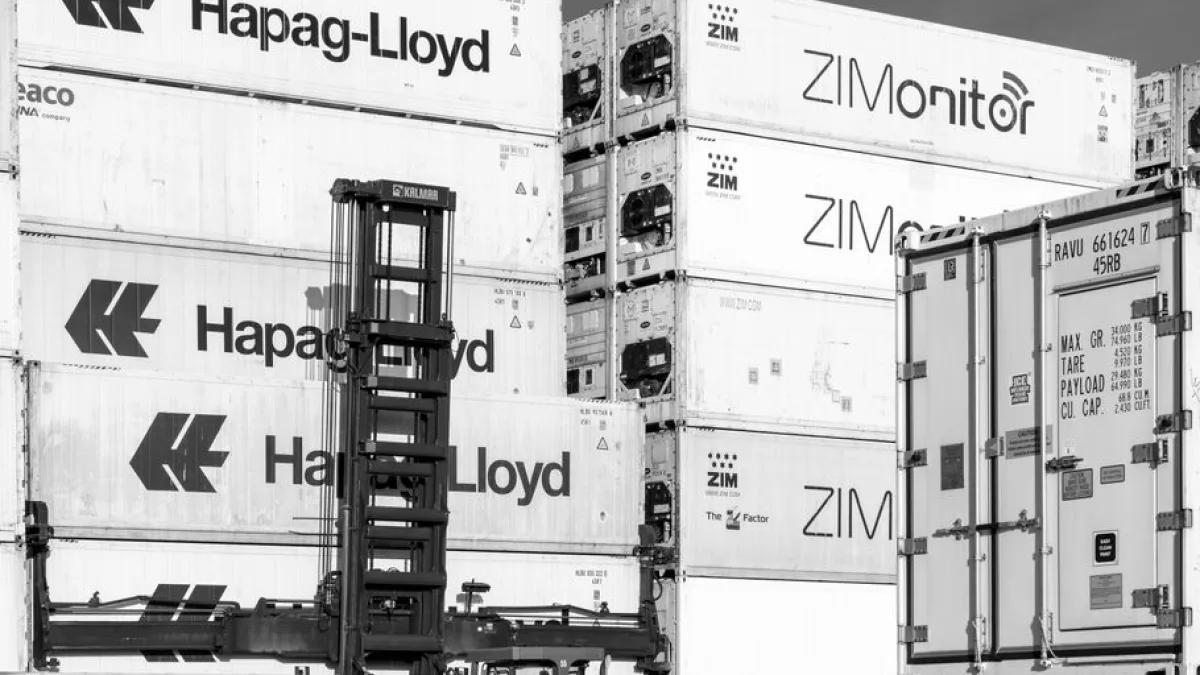
Strategic load planning transforms how you move goods by maximizing space utilization within every container. Intelligent software calculates volume and weight constraints to ensure that every shipment remains compliant, safe, and cost-effective throughout the long ocean journey overseas.
- Automated space optimization: Algorithms analyze cargo dimensions to suggest the most efficient loading patterns, helping you reduce unused container capacity and lower your overall per-unit shipping costs significantly.
- Weight distribution analysis: Advanced tools calculate the center of gravity for loaded containers, preventing safety hazards during transit while ensuring full compliance with international maritime shipping weight regulations.
- Multi-modal load planning: Software platforms allow you to coordinate container loads across rail and truck segments, ensuring a smooth transition during the intermodal phases of your supply chain.
- Digital packing lists: Automatically generated load manifests reduce the risk of clerical errors and ensure that customs authorities receive precise documentation for every single unit shipped internationally.
Proper container utilization is the key to maintaining healthy profit margins in a market defined by fluctuating freight rates. When your planning is backed by data, you avoid the common pitfalls of under-filled containers and excessive re-stacking requirements. This systematic approach saves time during the loading process and ensures that your clients receive high-quality service regardless of the complexity of their specific cargo requirements.
Streamlining Customs Documentation Flow

Customs clearance often represents the biggest bottleneck in ocean freight, but it does not have to be an unpredictable experience. Automated documentation workflows ensure that your paperwork is filed correctly, on time, and without the typical delays associated with physical processing.
- Automated compliance checks: Intelligent software scans your shipping documentation for errors or missing fields, preventing potential customs holds and costly fines caused by simple clerical mistakes on forms.
- Digital filing systems: Centralizing your customs entries in the cloud allows your team to access vital records instantly, ensuring rapid responses to queries from local port authorities everywhere.
- Seamless data mapping: Your platform can automatically map shipment details to required customs declarations, eliminating the need for manual data reentry and ensuring total consistency across files.
- Regulatory update alerts: Stay informed about changing international trade laws through automatic system updates that notify your staff of new documentation requirements for specific import or export countries.
By digitizing the flow of customs documentation, you create a transparent audit trail that satisfies regulators and clients alike. Reducing the administrative burden on your staff allows them to resolve complex clearance exceptions much faster than traditional methods allowed. This digital agility protects your reputation with importers and exporters, fostering long-term trust while keeping your operational workflows moving smoothly across international borders.
Enhancing Client Visibility Portals

Providing clients with 24/7 access to their shipment data is the ultimate competitive advantage in the logistics industry. Transparency builds trust, and a dedicated portal allows your customers to track their ocean freight without constant back and forth communication.
- Self-service tracking dashboards: Offer your clients a customized portal where they can view real-time transit status, location updates, and estimated arrival times for all their active ocean shipments.
- Automated notification triggers: Configure custom alerts that automatically email your clients when their cargo hits key milestones like vessel departure, port arrival, or successful final customs clearance.
- Document access portals: Clients can securely download invoices, bills of lading, and proof of delivery directly from their dashboard, reducing email traffic and improving your customer support efficiency.
- Integrated communication tools: Allow customers to attach questions directly to specific shipments within the portal, ensuring that every inquiry is tracked and answered by the correct department.
Modern clients expect the same level of digital transparency in logistics as they experience with retail e-commerce. By empowering them with a self-service dashboard, you reduce the time your staff spends answering routine status requests. This shift enables your team to focus on resolving high-value logistics challenges, ultimately improving your overall customer satisfaction scores and helping you retain more business in a competitive market.
Conclusion
Transitioning your ocean freight operations into the digital era is essential for survival and growth. By automating documentation, optimizing container utilization, and providing transparent client portals, you move away from reactive firefighting toward proactive supply chain management. MakeCargo provides the tools necessary to modernize your workflows and scale your business with confidence. Start optimizing your freight operations today and lead the industry forward.