Optimizing Ocean Freight Operations in a Digital Era
Thursday, August 13 2026
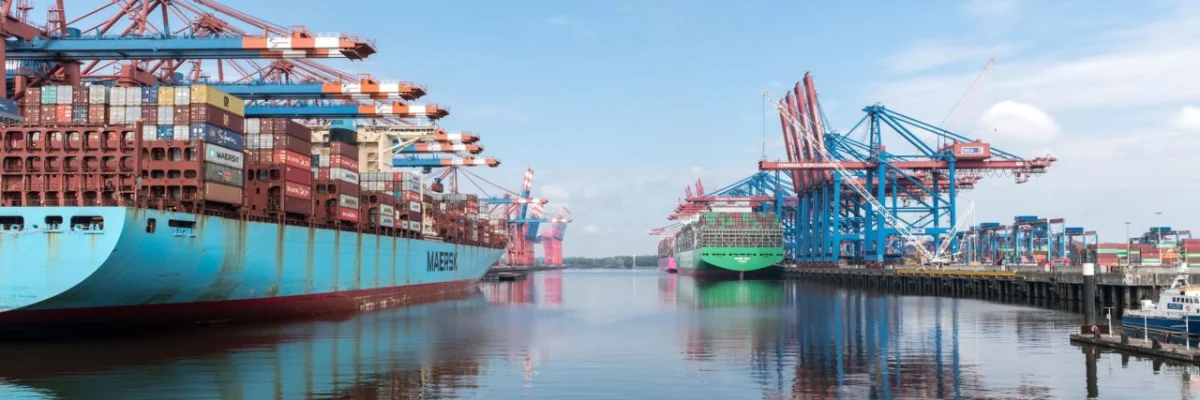
Navigating the complex landscape of global ocean freight requires more than just traditional logistics expertise. As supply chains face increasing volatility and rising customer demands for transparency, freight forwarders must transition from manual spreadsheets to integrated cloud platforms. By leveraging real-time data and automated workflows, companies can mitigate risks and drive operational efficiency across the entire shipping lifecycle. This evolution is no longer just a competitive advantage but a necessity for surviving in a modern marketplace. Embracing digital transformation allows forwarders to focus on scaling their business while providing exceptional service to shippers who expect speed and reliability.
Modern Container Port Efficiency
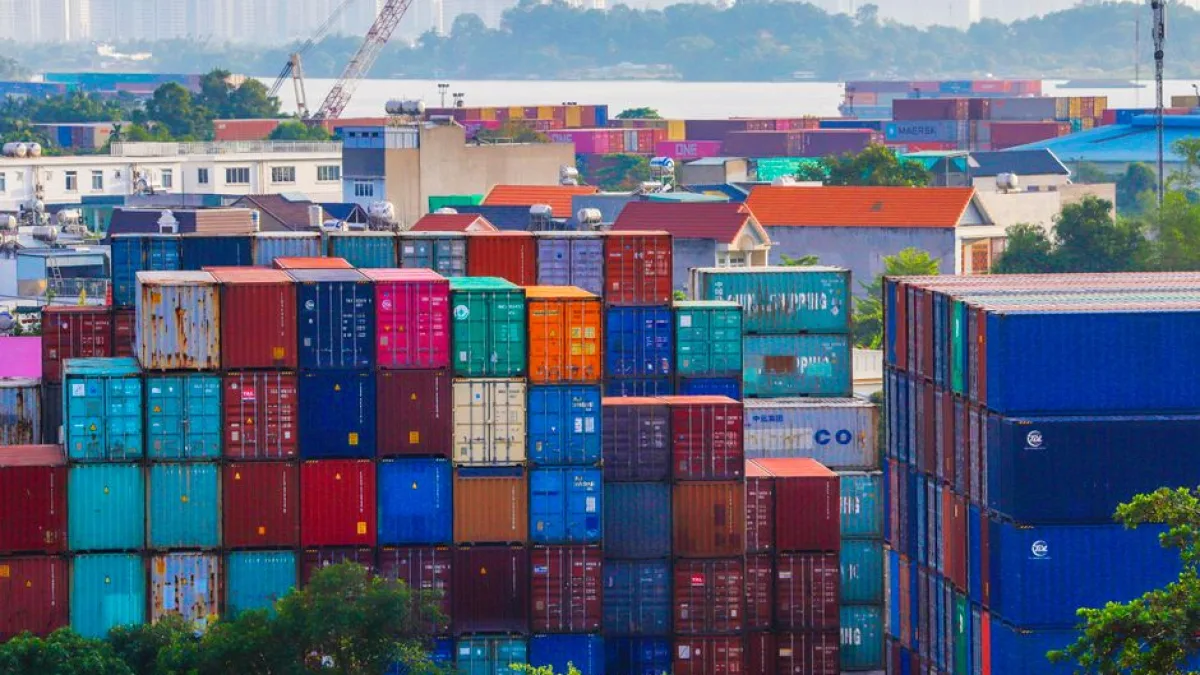
Port terminals serve as the vital arteries of global trade where speed and accuracy determine the overall health of the supply chain. Modern facilities now utilize automation to manage high volumes of shipping containers and heavy maritime traffic every single day.
- Advanced Terminal Tracking: Real-time integration with terminal operating systems provides instant visibility into gate moves and vessel berthing schedules, significantly reducing dwell times and associated storage costs for freight forwarders.
- Automated Yard Planning: Sophisticated software optimizes the placement of containers to ensure faster loading times and efficient stacking, which helps prevent bottlenecks that cause delays for downstream logistics service providers.
- Digital Documentation Exchange: Electronic processing of port manifests and release documents eliminates paperwork errors, ensuring that every shipment moves through the terminal checkpoints without unnecessary administrative pauses or complex manual interventions.
- Predictive Capacity Analysis: Utilizing historical data helps forwarders anticipate peak season surges at major ports, allowing for better strategic planning and resource allocation to maintain consistent service levels during high-stress periods.
Optimizing how cargo moves through these critical nodes requires a shift toward data-driven decision making. Forwarders who adopt integrated software solutions can react faster to port congestion and operational updates. By maintaining constant communication with terminal authorities and leveraging cloud-based visibility tools, professionals ensure that their customers receive accurate ETAs. This proactive approach transforms traditional freight forwarding into a seamless, high-performance logistics experience for clients.
Streamlining Booking Management

The booking process often represents a significant bottleneck for forwarders dealing with multiple carrier portals and varying requirements. Centralizing these tasks into a single dashboard reduces the risk of data entry errors and speeds up the entire confirmation process.
- Centralized Booking Portals: Consolidating all carrier bookings into one unified interface allows staff to manage multi-carrier shipments with ease while reducing the time spent toggling between different shipping line websites.
- Automated Rate Comparisons: Integrated software instantly pulls live pricing data from multiple carriers, empowering forwarders to provide the most cost-effective and efficient routing options to their clients within seconds of requests.
- Instant Confirmation Flows: Automated triggers ensure that booking confirmations are received and processed immediately, allowing logistics teams to focus on higher value tasks rather than chasing manual status updates from carriers.
- Dynamic Schedule Updates: Cloud platforms automatically sync with carrier schedules to reflect changes in real time, preventing scheduling conflicts and ensuring that documentation always matches the most current vessel departure dates.
By digitizing the booking management cycle, forwarding teams remove the manual friction that slows down their daily operations. This level of automation provides a clear audit trail and ensures that no booking detail is lost in email chains or spreadsheet silos. When teams have a single source of truth, they can manage higher shipping volumes with fewer errors while improving their overall responsiveness to client needs.
Mastering Freight Documentation

Managing the endless stream of bills of lading and customs declarations is a major challenge for modern freight forwarders. Digital document management systems provide the security and organization needed to maintain compliance and keep international cargo moving across borders.
- Secure Cloud Storage: Storing all shipping documentation in a centralized digital vault ensures that sensitive client information remains protected while allowing authorized team members to access critical files from any location.
- Automated Data Validation: Intelligent systems verify the accuracy of shipping documents against predefined templates and existing booking data to catch common errors before they lead to costly customs penalties or delays.
- Integrated Customs Filing: Direct connectivity to customs authorities through the logistics platform ensures that declaration data flows seamlessly from the booking stage to final submission without repetitive manual data re-entry.
- Efficient Document Sharing: Providing clients with secure portals to download their own bills of lading and commercial invoices improves transparency and reduces the heavy burden of manual customer service inquiries.
Precision in documentation is the foundation of smooth customs clearance and efficient global trade. Forwarders who automate their document workflows eliminate common mistakes that hold up cargo at borders. This transition to digital-first documentation improves compliance and drastically speeds up the release process. By reducing reliance on physical copies, teams foster a more agile environment where information is always available exactly when needed.
Enhancing Client Visibility

Shippers today demand granular visibility into the status of their ocean freight containers from port of origin to final destination. Providing this level of transparency is essential for building long-term trust and maintaining strong relationships with customers in competitive markets.
- Live Tracking Dashboards: Giving clients access to personalized portals allows them to track their shipments in real time, which significantly decreases the volume of status update requests handled by operations teams.
- Automated Status Alerts: Proactive notifications sent to customers upon milestone achievements, such as vessel departure or arrival, ensure that stakeholders remain informed without needing to log in to search for data.
- Customized Reporting Tools: Offering downloadable analytical reports on shipping performance empowers clients to make informed logistics decisions based on their specific historical data and identified seasonal trends within the supply chain.
- Proactive Exception Management: Early detection of potential delays allows forwarders to communicate transparently with clients, offering alternative solutions before minor issues evolve into critical failures that impact the final end customer.
Visibility serves as the backbone of modern customer service in the logistics industry. By utilizing cloud-based tracking, forwarders shift from a reactive stance to a truly consultative partnership with their shippers. Providing clients with control over their data reduces operational noise and allows them to plan their own inventory cycles more effectively. This strategic transparency is the key to retaining long-term clients in ocean freight.
Conclusion
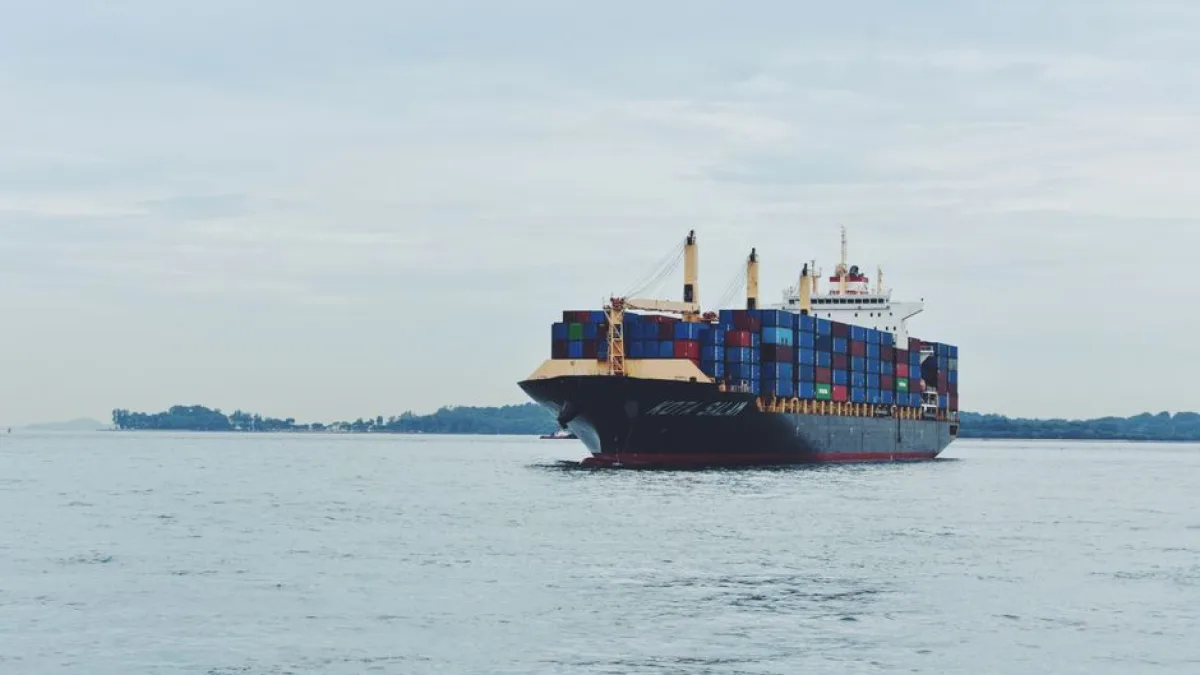
Achieving success in ocean freight requires embracing the right technology to automate daily processes and improve overall visibility. By focusing on terminal efficiency, simplified booking, documentation accuracy, and client transparency, forwarders can scale their operations effectively. Start your digital transformation journey today by integrating modern software into your workflow, and ensure your logistics business remains competitive, reliable, and prepared for the challenges of global trade.