Optimizing Ocean Freight Operations in a Digital Era
Friday, August 14 2026
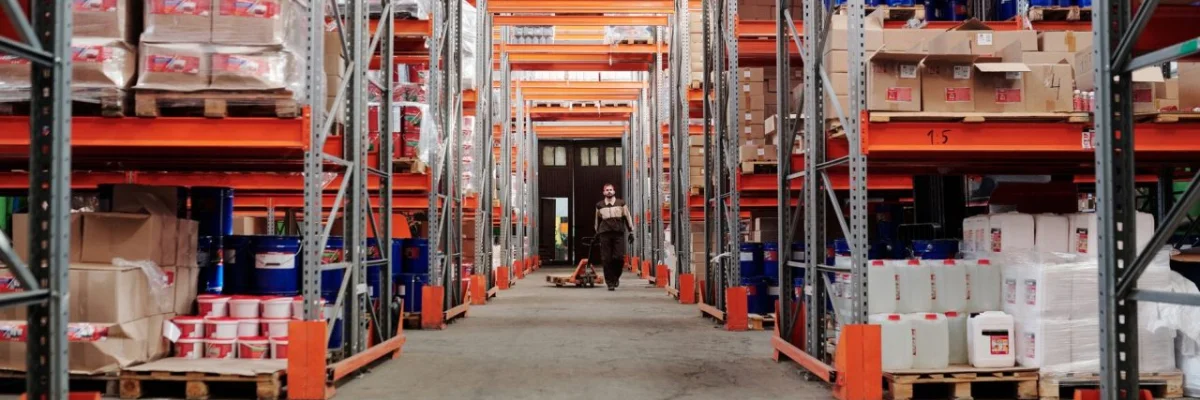
The global ocean freight landscape is evolving rapidly as traditional logistics models struggle to keep pace with modern supply chain demands. Freight forwarders today face unprecedented volatility, ranging from fluctuating container prices to complex regulatory requirements across international borders. By adopting cloud-based software solutions, professionals can finally move away from cumbersome manual documentation and fragmented communication channels. Embracing digital transformation is no longer a luxury but a fundamental necessity for companies aiming to remain competitive. This article explores how modern technology empowers freight forwarders to increase visibility, streamline complex workflows, and ultimately deliver superior service to their global clients.
Leveraging Real-Time Visibility
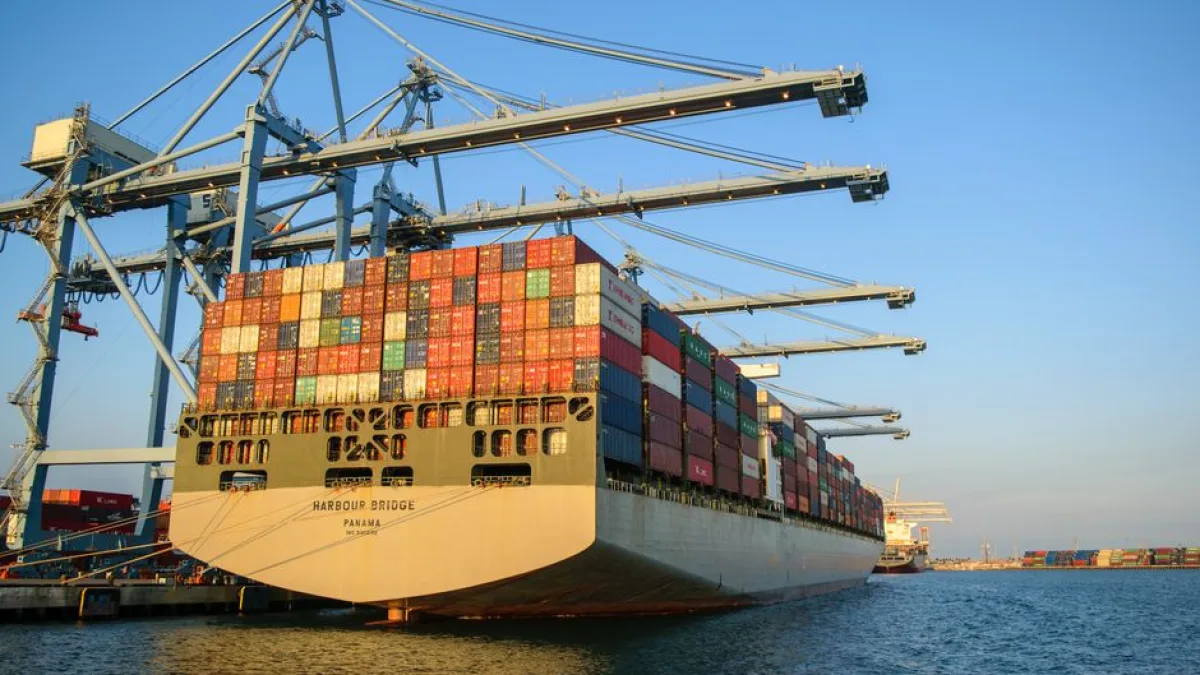
Real-time tracking provides the transparency needed to manage modern supply chains effectively. When forwarders can see exactly where cargo is located, they provide clients with accurate updates, reduce uncertainty during transit, and minimize the impact of unforeseen maritime delays.
- Automated status updates: Integration with ocean carrier systems allows software to pull live location data automatically, eliminating the need for manual check-ins and reducing administrative overhead for your logistics team.
- Proactive delay alerts: Advanced platforms monitor vessel schedules constantly, enabling you to notify clients of potential port congestion or route changes before they escalate into major supply chain disruptions.
- Centralized data access: Having all shipment details in one digital location ensures that every team member views the same information, which significantly improves collaboration and internal communication processes.
- Improved client satisfaction: Providing customers with a branded tracking portal builds trust and credibility, as they gain direct insight into their shipment status without needing to call your office.
- Data-driven decision making: Analyzing historical performance data helps your team identify recurring bottlenecks, allowing you to optimize route selections and improve long-term shipping efficiency for your high-volume clients.
Visibility serves as the backbone of modern freight forwarding because it turns reactive problem solving into a proactive strategy. When your staff no longer spends hours tracking individual containers manually, they gain valuable time to focus on complex account management tasks. By integrating these digital tools into your daily operations, you establish a reliable standard of service that differentiates your company from competitors relying on legacy systems.
Automating Complex Documentation

Documentation remains the most time-consuming aspect of ocean freight, involving bills of lading, commercial invoices, and customs declarations. Software automation simplifies these critical workflows by allowing users to generate, edit, and share shipping documents within a secure, integrated environment.
- Template driven generation: Create professional shipping documents in seconds using standardized templates that pull data directly from your customer profiles, ensuring high accuracy and reducing common clerical errors.
- Digital document storage: Keeping all paperwork in a secure cloud environment means your team can retrieve critical records instantly, ensuring compliance during audits and simplifying client billing processes.
- Simplified document sharing: Securely send digital copies of vital shipping papers to carriers, agents, and consignees with a single click, which accelerates the overall document approval and clearance process.
- Automated error checking: Smart software features highlight missing information or data discrepancies before you finalize documents, helping your company avoid expensive penalties or customs hold ups at terminals.
- Workflow approval cycles: Implement internal digital approval workflows that ensure every document is reviewed by the appropriate manager before it is sent to external shipping partners or authorities.
Manual paperwork management creates significant bottlenecks that limit your firm's potential for growth and scalability in a busy market. By shifting to an automated document management system, you reduce human error and ensure that your shipping files are always audit-ready. This transition not only boosts overall operational speed but also enhances the professional image of your business as a modern, efficient global logistics provider.
Enhancing Carrier Collaboration
Effective collaboration with ocean carriers and overseas agents is essential for maintaining smooth operations. Cloud platforms facilitate seamless interaction by providing shared workspaces where all stakeholders can exchange messages, update status codes, and resolve shipping disputes in real time.
- Standardized communication channels: Move away from fragmented email threads by using dedicated shipment chat features that keep all relevant notes and updates linked directly to specific cargo files.
- Carrier portal integration: Connect your software directly to major carrier APIs to facilitate faster booking requests and ensure that your shipping instructions are received without any data loss.
- Agent collaboration tools: Empower your overseas network by providing them with controlled access to your platform, which allows them to upload files and update statuses without waiting for email.
- Resolution of disputes: Keep a clear log of all communication related to carrier discrepancies, making it easier to settle invoice disputes and maintain healthy relationships with your shipping partners.
- Centralized contact database: Maintain an up-to-date directory of all carrier contacts and agent details, ensuring that your team always knows exactly who to reach for urgent requests.
Collaboration tools transform the way your team interacts with the broader shipping ecosystem by ensuring that information flow is both continuous and accurate. Instead of chasing partners for updates, your staff can use shared digital spaces to resolve issues as they happen. This unified approach to carrier relations builds stronger partnerships, leads to more reliable service outcomes, and ultimately drives better results for your customers.
Scaling Through Cloud Infrastructure

Cloud infrastructure provides the flexibility required to scale your business without investing in expensive, local hardware. As your volume of ocean shipments grows, your software must handle increasing amounts of data while remaining accessible to your remote teams across different time zones.
- Remote team access: Enable your staff to work from anywhere in the world with secure login credentials, ensuring that your ocean freight operations continue running smoothly during any situation.
- Automatic software updates: Cloud systems receive regular feature updates and security patches automatically, so you never have to worry about manual installations or maintaining outdated server hardware locally.
- Robust data security: Professional cloud hosting providers offer advanced encryption and regular backups, which protect your sensitive client data from cyber threats far better than local server setups.
- Unlimited storage capacity: Grow your freight forwarding operations without worrying about disk space limits, as cloud providers offer flexible storage solutions that expand according to your business needs.
- Seamless system integrations: Easily connect your ocean freight platform with accounting software or CRM tools to create a cohesive ecosystem that manages every aspect of your business operations.
Scaling your freight forwarding business requires a solid foundation that can withstand fluctuations in shipment volume and complexity. By leveraging cloud-based infrastructure, you ensure that your technology stack evolves alongside your growing client base. This strategic decision reduces technical debt and prepares your organization to tackle the challenges of the future while maintaining a lean, agile, and highly efficient operational structure across all offices.
Conclusion
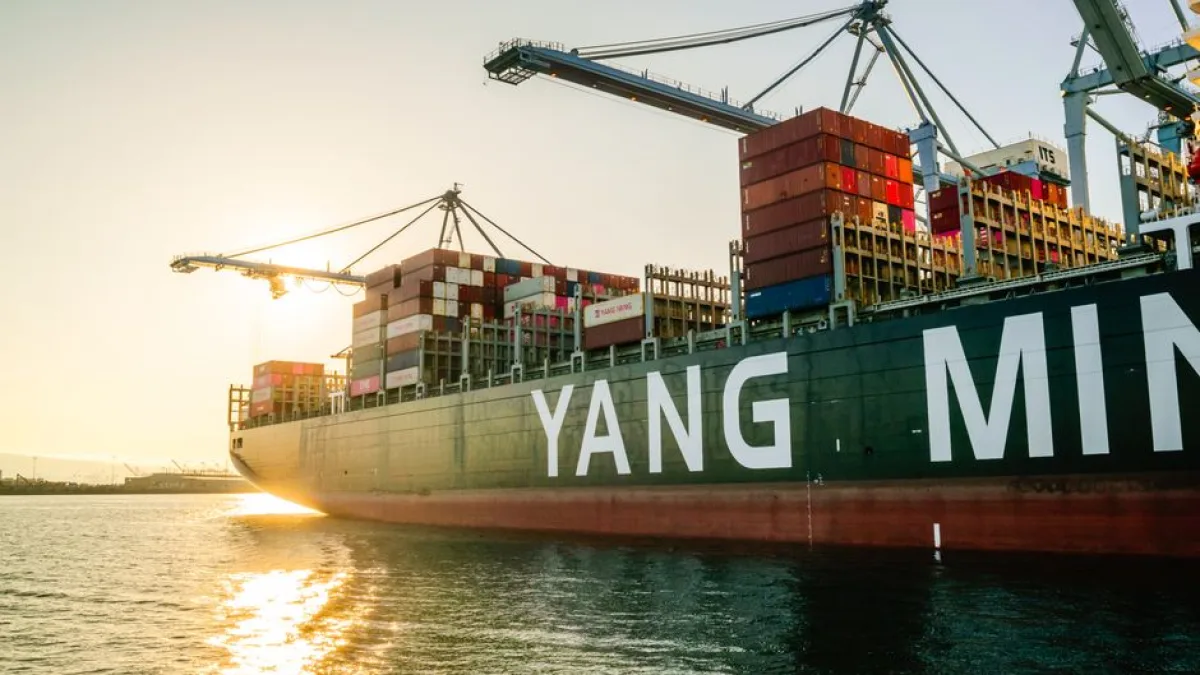
Mastering ocean freight requires a commitment to digital modernization and the willingness to embrace innovative technology. By leveraging real-time visibility, document automation, and collaborative cloud tools, you position your forwarding firm for sustainable success in a demanding global market. Start your transition toward smarter logistics today to improve efficiency, satisfy clients, and build a competitive advantage that will last for years to come.