Optimizing Ocean Freight Operations for Modern Logistics
Friday, August 14 2026
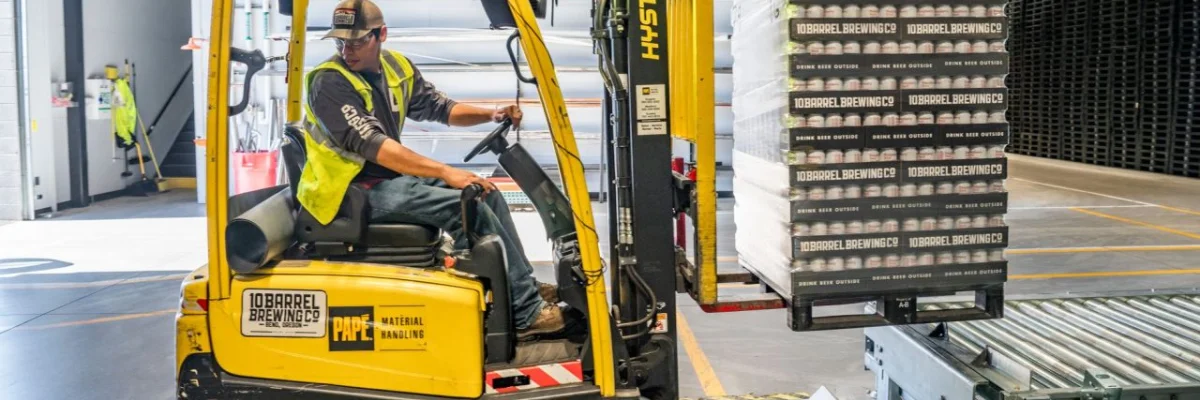
The global shipping landscape is undergoing a massive transformation driven by rapid technological adoption and changing consumer demands. For freight forwarders, staying competitive requires more than just moving goods from point A to point B. It involves mastering complex logistics chains, navigating volatile market rates, and leveraging digital tools to maintain operational transparency. As ocean freight continues to be the backbone of international trade, forwarders must prioritize efficiency and data-driven decision making. By embracing cloud-based platforms, professionals can gain the necessary agility to handle disruptions, optimize container utilization, and deliver superior service in an increasingly crowded and demanding global marketplace.
Navigating Market Volatility

Market fluctuations significantly impact your bottom line when managing international sea shipments. Freight forwarders must analyze current rate trends and capacity constraints to provide accurate quotes, ensuring that client expectations remain aligned with the harsh realities of the global shipping economy.
- Real-time Rate Monitoring: Access live market data to track ocean freight fluctuations, allowing you to provide competitive pricing and protect your margins during periods of high carrier market uncertainty.
- Capacity Allocation Strategy: Secure space on key trade lanes by building strong carrier relationships and utilizing forecasting tools to predict demand spikes before they impact your current operations.
- Dynamic Surcharge Management: Keep track of fuel adjustments and seasonal peak surcharges automatically to ensure that your invoices remain accurate and transparent for every single shipping customer served.
- Contract Negotiation Tactics: Use historical data insights to negotiate better service level agreements with shipping lines, providing your business with more stable rates and guaranteed space for clients.
Successfully navigating market volatility requires a combination of robust data analytics and proactive communication. When you understand the factors driving price changes, you can guide your clients toward the most cost-effective shipping solutions available. By maintaining a clear view of carrier performance and regional constraints, your team can pivot quickly, minimizing financial exposure while consistently delivering reliable logistics services to your global partners.
Digitizing Documentation Workflows

Manual paperwork often creates significant bottlenecks in the ocean freight process, leading to delays and human errors. Transitioning to digital documentation allows your team to streamline bill of lading creation, customs declarations, and commercial invoice processing through automated cloud systems.
- Automated Data Entry: Reduce manual workload by using intelligent software to extract information from shipping documents, ensuring data accuracy while significantly decreasing the time spent on tedious administrative tasks.
- Unified Document Repository: Maintain a centralized cloud database where all shipping files are stored, allowing team members to access critical information instantly from any location worldwide today.
- Standardized Filing Systems: Implement uniform digital templates for all shipping correspondence, reducing the risk of missing vital information during complex customs clearance procedures at international border crossings.
- Compliance Tracking Tools: Ensure that all documentation meets strict international regulations by utilizing built-in software checks that flag missing data before you submit files to local authorities.
Digital transformation is no longer optional for freight forwarders aiming to remain relevant in a tech-focused industry. By removing paper-based processes, your firm can drastically reduce administrative overhead and focus on high-value tasks that improve customer retention. Streamlining your internal document workflows leads to faster turnaround times, ultimately creating a more professional reputation and a reliable operational foundation for your growing logistics business.
Enhancing Container Visibility
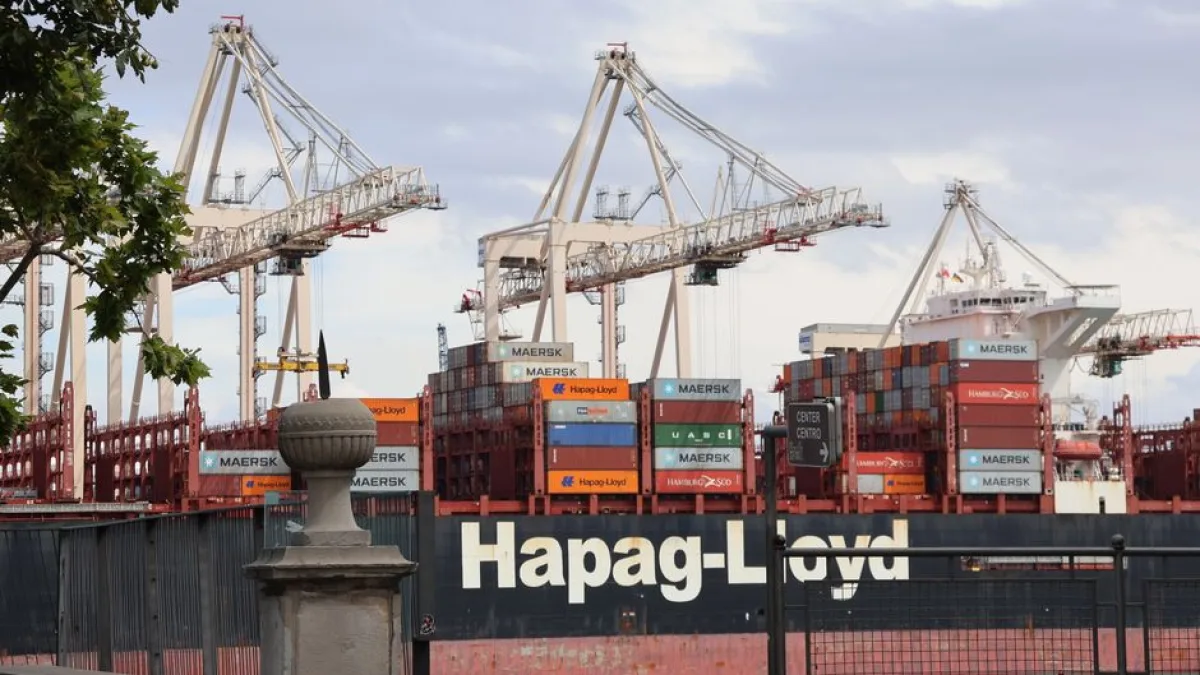
Total supply chain visibility provides peace of mind for your clients and helps your team proactively manage cargo transit. Tracking containers from the initial port loading to final delivery requires integrated tracking systems that provide accurate status updates every step.
- Integrated Tracking Software: Connect your platform directly with carrier APIs to receive automatic updates on container movements, keeping your customers informed without requiring constant manual status checks.
- Exception Management Alerts: Receive instant notifications when a container is delayed at a terminal, allowing your team to inform clients early and implement contingency plans for cargo.
- Milestone Tracking Accuracy: Monitor key performance indicators across the entire shipment lifecycle to identify where delays occur, enabling you to optimize routing for future client ocean freight.
- Visual Mapping Tools: Utilize interactive dashboards to view the real-time position of shipments on a global map, which helps in identifying bottlenecks at major ports or hubs.
Visibility serves as the foundation for modern customer service in the freight forwarding sector. When you provide your clients with transparent, accurate, and timely updates, you build trust and differentiate your services from competitors. Leveraging cloud-based tracking ensures that your team is always working with the latest data, allowing you to turn logistics challenges into opportunities for providing exceptional, reliable service.
Streamlining Carrier Communications
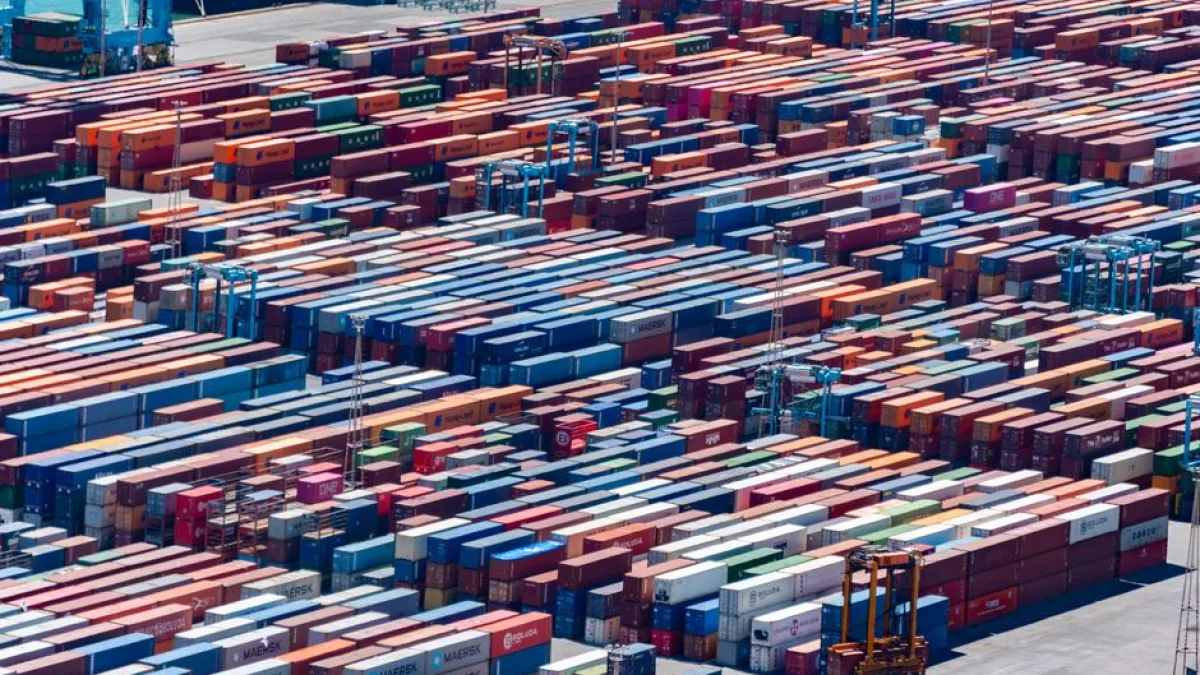
Effective communication between forwarders and carriers is vital for maintaining smooth supply chain operations. Strengthening these partnerships through digital portals ensures that booking requests, schedule changes, and service updates are handled efficiently without the need for endless email threads.
- Integrated Booking Portals: Submit booking requests directly through a digital interface that links to carrier systems, speeding up the confirmation process and reducing errors in container scheduling.
- Instant Status Updates: Receive push notifications for schedule changes or vessel delays, enabling you to adjust plans quickly and keep your customers well-informed about their shipment progress.
- Collaborative Workflow Tools: Use shared digital platforms to coordinate with local agents and carrier representatives, ensuring that everyone involved has access to the same current shipment information.
- Performance Review Metrics: Track carrier reliability and responsiveness through your software, using these insights to prioritize partners who consistently deliver on their service commitments for your clients.
Strong carrier relations directly translate to improved service quality for your shipping clients. By optimizing your communication channels, you reduce the noise and confusion that often plague international shipping logistics. A digital-first approach to partner coordination saves hours of time each week, allowing your staff to focus on solving complex logistical problems rather than managing administrative chores through scattered emails and phone calls.
Conclusion
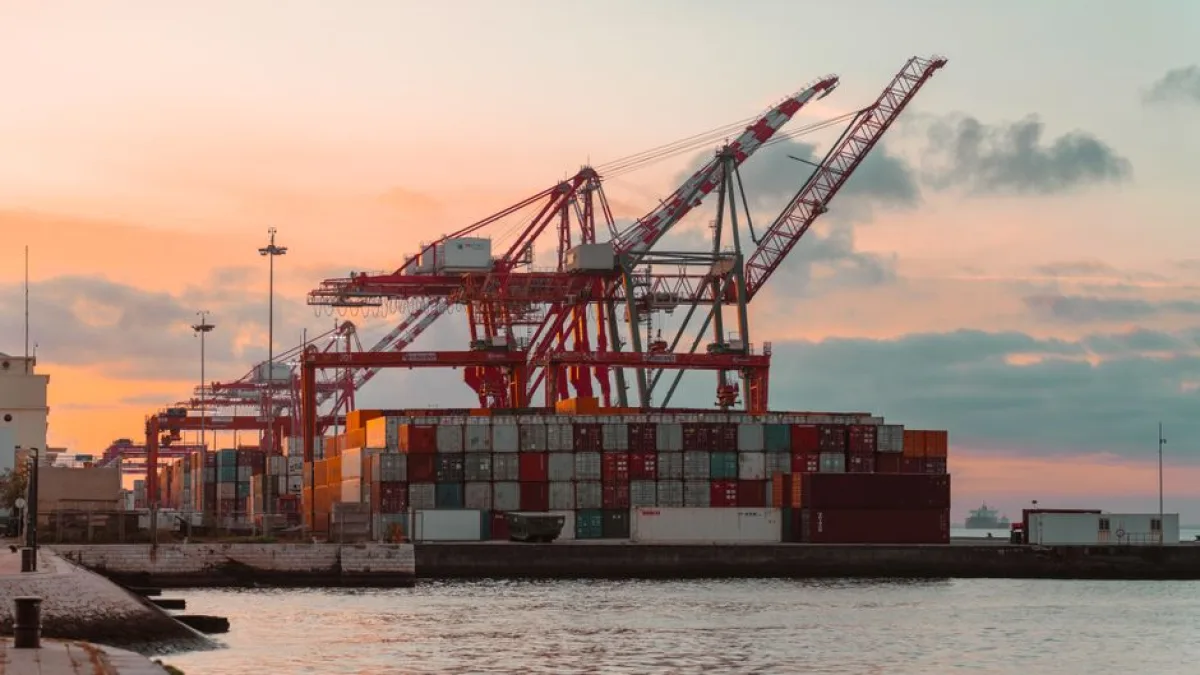
Mastering ocean freight requires a commitment to innovation and operational efficiency. By leveraging cloud technology, you can navigate market fluctuations, automate documentation, enhance visibility, and improve communication. These improvements not only simplify your daily tasks but also create significant value for your clients. Start optimizing your freight forwarding processes with MakeCargo today to ensure your business remains ahead in a competitive, fast-paced global marketplace.