Optimizing Ocean Freight Operations in a Digital Era
Saturday, August 15 2026
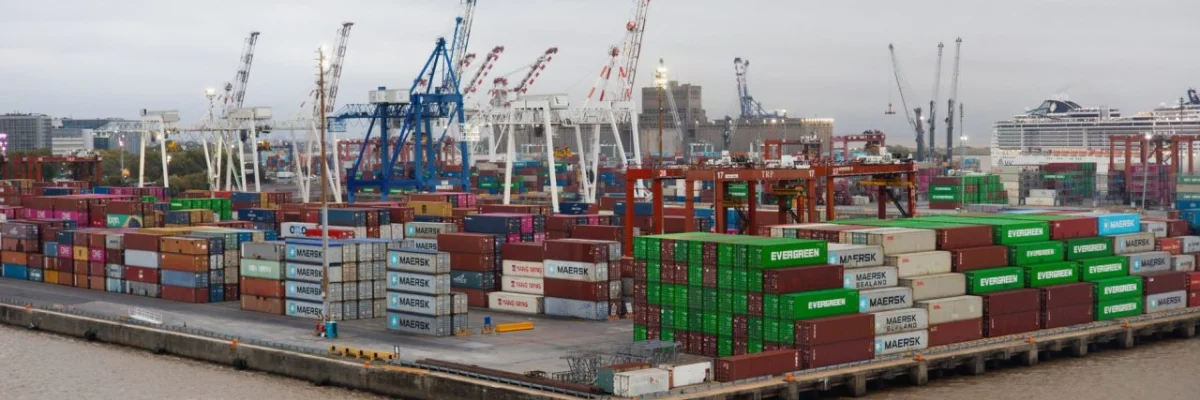
Navigating the complex landscape of global ocean freight requires more than just traditional logistical expertise in today's fast-paced market environment. As shipping volumes fluctuate and supply chain demands evolve, freight forwarders must transition from legacy manual processes toward sophisticated digital platforms that ensure transparency and reliability. By leveraging cloud-based software, professionals can effectively reduce administrative overhead, minimize human error, and provide real-time visibility to their clients. This shift not only enhances operational efficiency but also builds long-term trust with shippers who increasingly demand instant data access, proactive status updates, and streamlined documentation management across all maritime trade routes.
Modernizing Documentation Processes

Transitioning from paper-based systems to automated digital documentation reduces the risk of data entry errors while significantly accelerating the clearance process at major global ports for your export and import shipments.
- Automated Data Entry: Cloud platforms extract information from bills of lading automatically, which saves hours of manual work and eliminates potential typos that cause costly delays for global shipping teams.
- Cloud Document Storage: Securely store all your shipping manifests and commercial invoices in one centralized location, allowing instant access for authorized team members regardless of their physical work location.
- Digital Signature Integration: Speed up the approval process by utilizing integrated e-signature tools that verify documents instantly, removing the need for physical courier services or traditional scanning and printing methods.
- Real-time Version Control: Maintain a single source of truth for all shipping documents, ensuring that every partner involved in the transaction views the most recent version of specific files.
Adopting these digital tools empowers your logistics agency to handle higher volumes without increasing headcount. By automating repetitive tasks, your staff can focus their energy on high-value client relationships and strategic network expansion. Reducing the reliance on paper files not only improves your environmental footprint but also creates a scalable infrastructure that grows alongside your business operations in this increasingly competitive international logistics landscape.
Enhancing Shipment Visibility
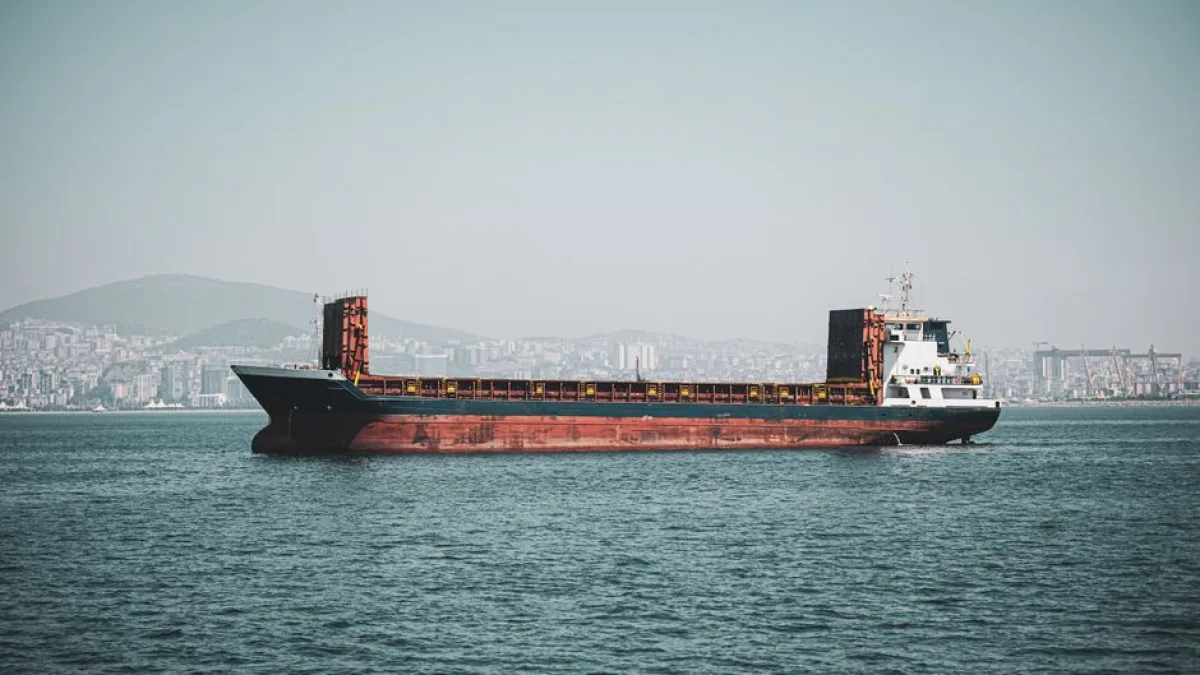
Achieving total shipment visibility across ocean routes allows freight forwarders to provide proactive service, ensuring clients stay informed about exact vessel locations and any potential disruptions that could impact their supply chain schedules.
- Real-time Vessel Tracking: Integrate live satellite data into your dashboard to monitor vessel positions, providing your clients with exact arrival times and notifications regarding any unexpected port congestion delays.
- Automated Status Updates: Configure your software to send personalized alerts to customers whenever a container hits a key milestone, which keeps them satisfied and reduces manual inquiry volume.
- Exception Management Alerts: Receive instant notifications when a shipment faces a delay, allowing your team to pivot and find alternative solutions before the client even realizes a problem exists.
- Comprehensive Data Dashboards: Visualize your entire pipeline of ocean freight shipments in one intuitive interface, helping managers identify bottlenecks and optimize route choices for future bookings with carriers.
Visibility is the primary driver of customer satisfaction in modern ocean freight forwarding. When shippers know exactly where their goods are, they can manage their inventory levels much more effectively. Providing this transparency turns your logistics service into a strategic asset for your clients. By proactively addressing issues before they escalate, you establish your company as a reliable partner in the global shipping market.
Streamlining Carrier Communications

Effective communication between forwarders and ocean carriers is critical for securing space and negotiating favorable rates, especially during peak seasons when container availability becomes a major challenge for many international shipping companies.
- Unified Messaging Channels: Replace scattered email threads with centralized messaging portals inside your software, ensuring that no request or carrier inquiry gets lost in a busy inbox environment.
- Automated Rate Requests: Generate and send volume-based rate inquiries to multiple ocean carriers simultaneously, allowing your team to compare quotes instantly and select the most cost-effective option available.
- Direct Booking Integration: Connect your platform directly with carrier systems to secure container space in seconds, eliminating the friction of manual booking forms and multiple follow-up phone calls.
- Contract Management Tools: Track your existing service agreements and allocation levels within the system, making sure you always utilize your negotiated space before looking at spot rates.
Clear communication builds stronger partnerships with carriers, which is vital during times of high market demand. By using standardized digital workflows, you reduce the noise and ensure that your requests are processed accurately every time. This professionalism sets your agency apart from competitors who still rely on fragmented and slow communication methods that often lead to missed bookings and higher operational costs.
Improving Financial Accuracy
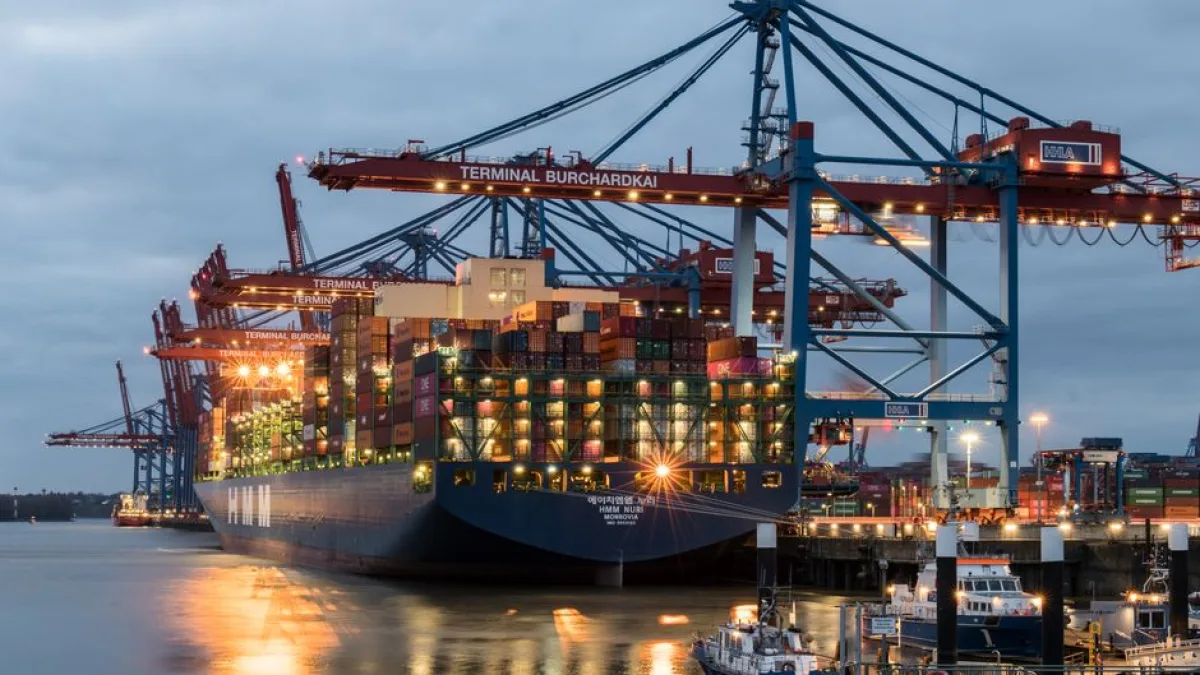
Accurate billing and profit analysis form the foundation of a healthy freight forwarding business, requiring robust financial tools that simplify invoicing, cost allocation, and complex currency conversion across different international trade corridors.
- Automated Invoice Creation: Generate accurate freight invoices directly from shipment data, ensuring that all accessorial charges are captured correctly to prevent revenue leakage and improve your overall cash flow.
- Currency Conversion Automation: Handle multiple currencies with ease using built-in exchange rate tools that update automatically, protecting your margins against sudden market fluctuations during international transit payment cycles.
- Comprehensive Profit Reporting: Analyze the profitability of every shipment in real time, allowing you to identify which routes or carrier partnerships provide the best return on your investment.
- Seamless Accounting Integration: Connect your forwarding platform to your preferred accounting software, ensuring that every financial transaction flows smoothly without the need for manual reconciliation or double entries.
Financial precision is the ultimate indicator of operational health for any logistics provider. By digitizing your billing process, you drastically reduce the time between service delivery and final payment collection. This improves liquidity and allows for more aggressive reinvestment into your business. A clean, automated financial system minimizes disputes with customers and provides clear insights into where your company is making the most money.
Conclusion
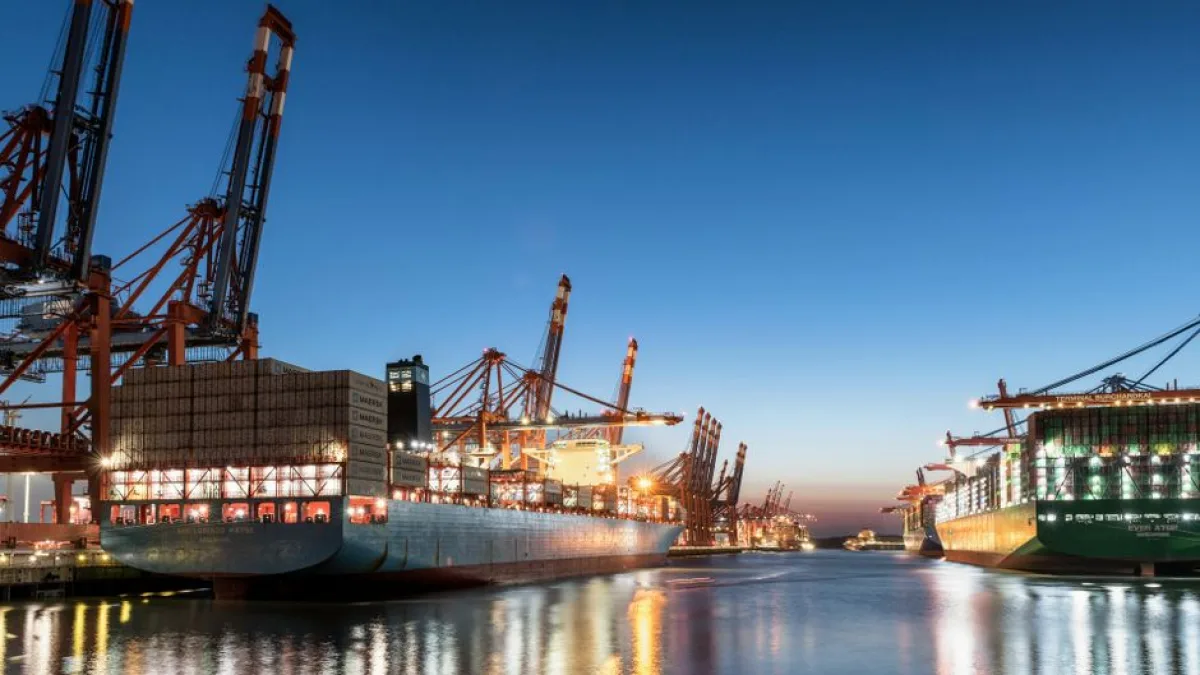
Embracing digital transformation is no longer optional for ocean freight forwarders who want to survive in a rapidly modernizing industry. By integrating advanced software solutions into your daily workflow, you unlock efficiency, transparency, and profitability. Start evaluating your current processes today and identify the key areas where automation can bridge the gap. Your commitment to innovation today will secure your agency's success in the future.