Optimizing Ocean Freight Operations in a Digital Era
Saturday, August 15 2026
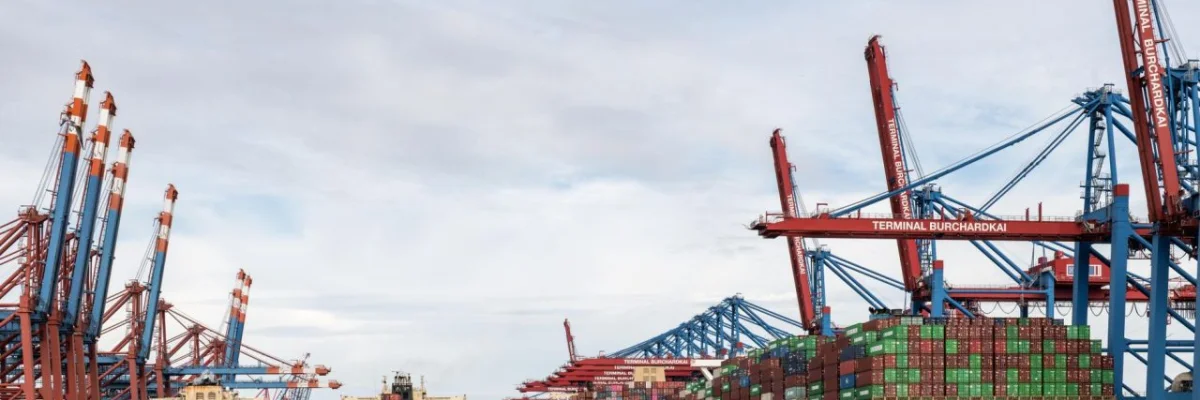
The global maritime industry is currently navigating a period of rapid digital transformation, necessitating a move away from manual documentation and fragmented communication. For freight forwarders, the complexity of ocean shipments often leads to operational bottlenecks that delay cargo and increase overhead costs. By adopting modern cloud-based solutions, forwarders can synchronize their entire supply chain, ensuring real-time visibility and proactive decision-making. As competition intensifies, the ability to integrate automation into daily workflows is becoming the primary differentiator for logistics providers striving to scale efficiently and maintain high service standards in a volatile and demanding global market.
Streamlining Documentation Workflows

Managing maritime paperwork requires precision to avoid costly customs delays and processing errors. Digitizing these documents within a centralized platform ensures that every stakeholder has immediate access to accurate information, which drastically reduces the administrative burden placed on your operations team.
- Automated Data Entry: Implement smart software that automatically extracts details from shipping invoices, reducing human error by eliminating the need for manual typing across multiple disparate logistics management systems.
- Centralized Cloud Storage: Maintain a secure, cloud-based repository for all bills of lading and manifests, ensuring your remote teams can access critical documents from any global location.
- Instant Status Updates: Configure automated notifications for your customers that trigger whenever a document is uploaded, providing total transparency regarding the status of their cargo shipments today.
- Compliance Tracking Tools: Utilize built-in compliance dashboards that flag missing regulatory information before a container reaches the port, preventing expensive fines and unexpected maritime transport cargo hold delays.
By leveraging automated workflows, freight forwarders can successfully mitigate the risks associated with manual data entry. This shift not only accelerates the document verification process but also frees your staff to focus on higher value tasks like client relationship management. Transitioning to a digital document environment serves as the foundational step toward achieving a truly scalable and modern ocean freight operation for your business.
Enhancing Real-Time Cargo Visibility
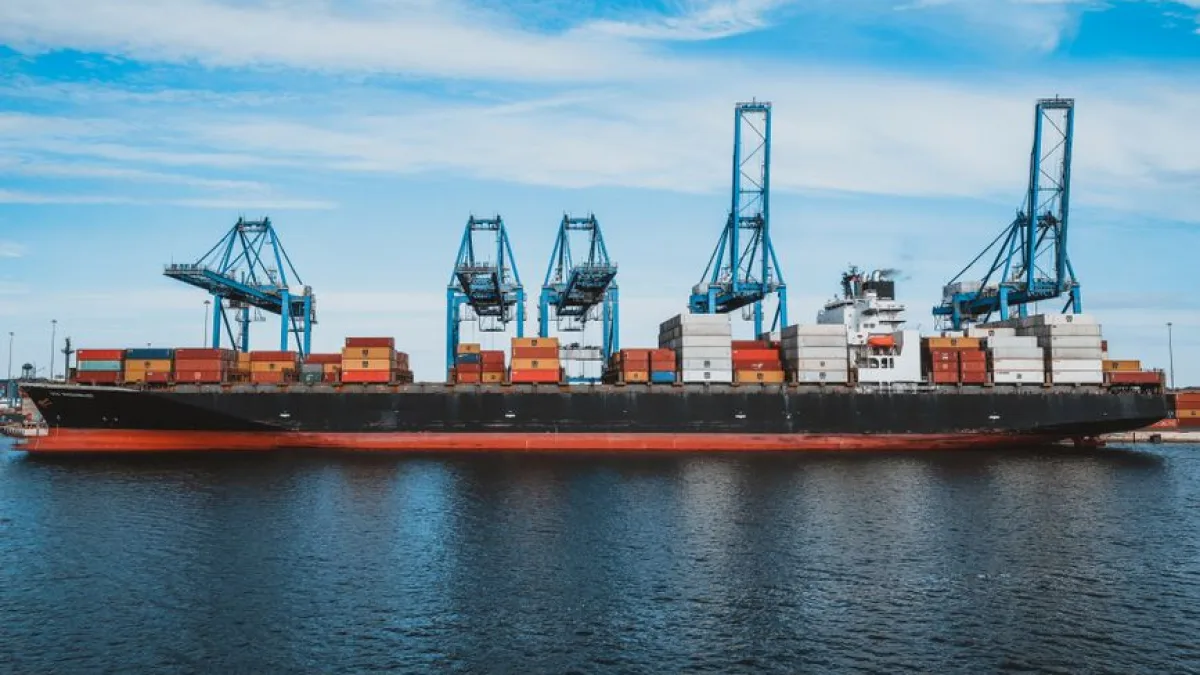
Modern clients demand instant updates on the location and status of their maritime shipments. Providing live tracking data through an integrated software interface builds long-term trust and differentiates your logistics company from competitors who still rely on manual status requests.
- Live Vessel Tracking: Integrate live GPS vessel positioning data into your dashboard to provide clients with precise arrival estimations that adjust automatically based on real-time port conditions.
- Automated Milestone Alerts: Establish custom triggers that notify your clients immediately when their freight hits key milestones like gate-in, vessel departure, or final arrival at the destination port.
- Integrated Port Data: Connect your software directly with port terminal operating systems to gain deeper insights into container dwell times and potential bottlenecks affecting your supply chain.
- Visual Mapping Tools: Deploy interactive map interfaces that allow customers to view their entire ocean freight shipment portfolio in one intuitive view, improving their planning and logistics.
Visibility is no longer just a luxury but a fundamental necessity for global trade. By centralizing all tracking information, your team eliminates the constant influx of update requests from clients. This transparent approach enables your customers to manage their inventory cycles with greater confidence and allows your freight forwarding team to proactively address potential delays before they escalate into major customer service issues.
Managing Port Congestion Effectively
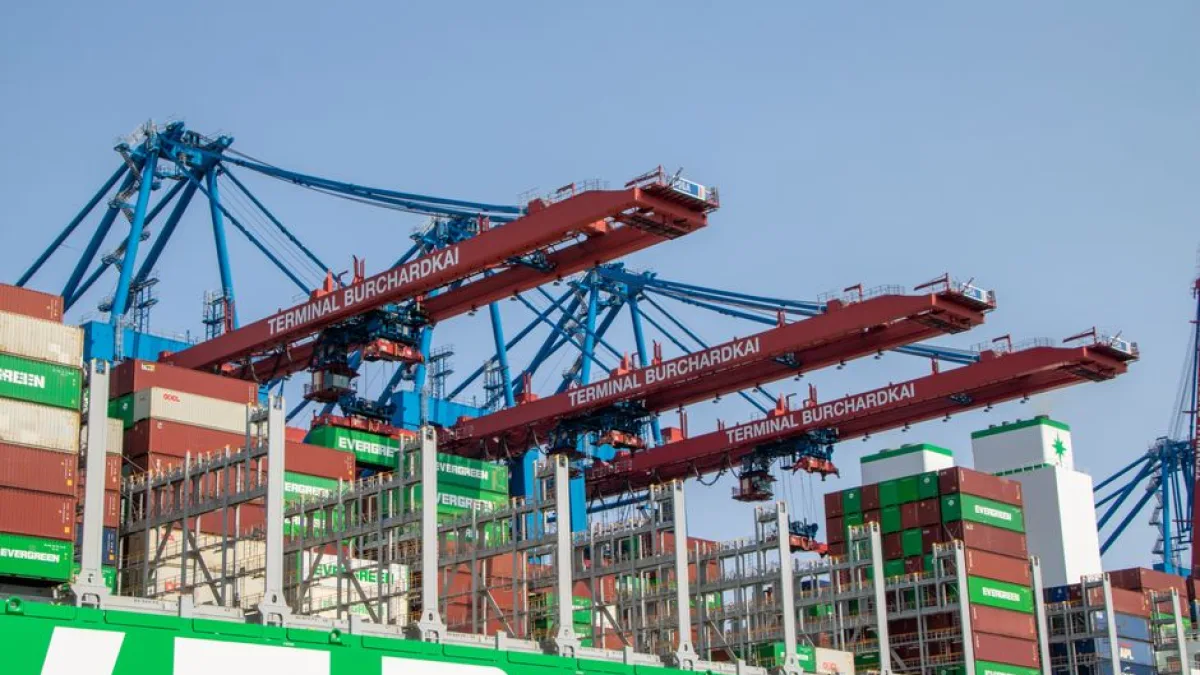
Port congestion remains one of the most unpredictable variables in ocean shipping today. Having a strategic approach to monitoring port performance allows forwarders to navigate through periods of terminal overcrowding without compromising the overall transit time for their cargo.
- Dynamic Routing Options: Leverage historical port performance data to suggest alternative routing options to your clients when specific terminals show signs of severe congestion or labor strikes.
- Predictive Arrival Modeling: Use advanced analytics to estimate potential port delays based on vessel size and current traffic volume, allowing for better landside transport coordination at arrival.
- Real-time Terminal Capacity: Connect with local port partners to monitor daily gate capacity and booking availability, ensuring your transport teams avoid long queues at the terminal entrance.
- Enhanced Communication Channels: Create a direct line of communication between your operations team and terminal operators to resolve gate-in issues before they result in costly demurrage charges.
Navigating the complexities of port congestion requires a blend of smart technology and localized operational expertise. When you utilize data-driven insights to manage terminal challenges, you protect your clients from unnecessary delays and unexpected costs. This proactive stance on port management reinforces your reputation as a reliable forwarder capable of handling even the most difficult logistical environments in the global ocean freight market.
Maximizing Operational Profitability

Operational profitability in ocean freight hinges on your ability to minimize empty miles and reduce administrative overhead. Using a data-centric approach helps forwarders identify inefficiencies and optimize their resource allocation for better financial performance across every single shipment handled.
- Automated Cost Auditing: Automatically compare vendor invoices against initial shipment quotes to identify discrepancies, ensuring you never overpay for carrier services or hidden maritime shipping surcharges.
- Volume Trend Analysis: Use detailed reporting tools to analyze high-volume shipping routes, allowing you to negotiate better contract rates with carriers based on your actual data.
- Optimized Resource Allocation: Evaluate the performance of your logistics staff and external partners to identify areas where automation can replace repetitive tasks for greater efficiency gains.
- Profitability per Shipment: Track the exact margins of every ocean freight transaction by accounting for all variable costs, enabling you to focus on the most profitable lanes.
Optimizing for profitability requires a commitment to continuous improvement through data analysis. By identifying exactly where time and capital are lost, you can implement targeted changes that improve your bottom line significantly. A cloud-based platform provides the clarity needed to make these difficult decisions with confidence, ultimately allowing your freight forwarding business to grow faster and more sustainably in a competitive landscape.
Conclusion
Digital transformation represents the future of the ocean freight industry for professional forwarders. By integrating cloud-based tools for documentation, tracking, and financial analysis, you can overcome common operational hurdles and deliver superior value to your clients. Start leveraging these powerful digital solutions today to streamline your workflows, reduce your overall costs, and position your logistics firm for long-term success in the global marketplace.