Optimizing Ocean Freight Operations in a Digital Era
Sunday, August 16 2026

Navigating the complex landscape of global ocean freight requires more than just traditional shipping expertise in today's fast-paced market environment. As global supply chains face increasing pressure from capacity constraints and fluctuating demand, forwarders must leverage modern technology to maintain their competitive edge. By integrating cloud-based software solutions, logistics professionals can enhance transparency, reduce manual errors, and provide superior service to their clients. This article explores how embracing digital transformation can streamline your shipping workflows, ensure compliance with international maritime regulations, and ultimately drive profitability for your freight forwarding business through smarter operational management and real-time visibility tools.
Modernizing Documentation Processes
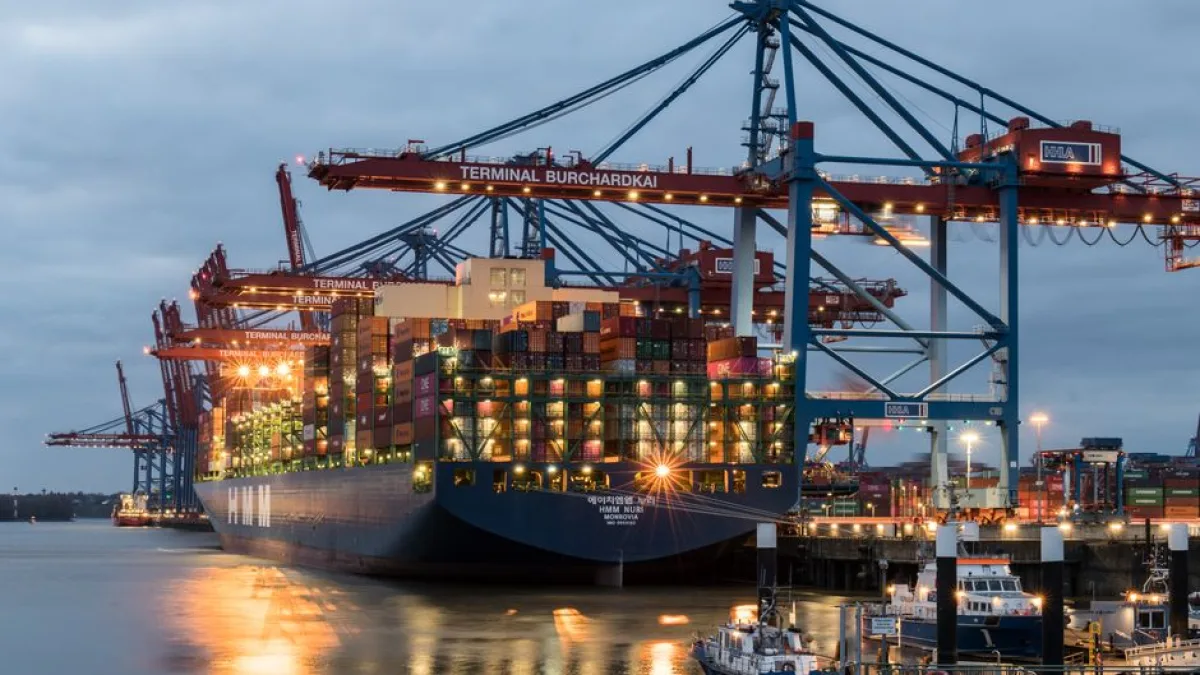
Efficient documentation is the backbone of successful ocean freight management and requires precise attention to detail. Transitioning from paper-based systems to digital platforms allows forwarders to centralize information, minimize costly administrative errors, and accelerate the overall cargo clearance process across borders.
- Automated Data Entry: Implement intelligent software to capture information directly from shipping documents, which eliminates the need for manual typing and significantly reduces common human mistakes in your bills.
- Digital Document Storage: Maintain a secure and cloud-based repository for all shipment files, ensuring that your team can access critical paperwork from anywhere at any given time.
- Standardized Templates Usage: Utilize customizable digital templates to ensure consistency across all your shipping documents, which helps in meeting strict international customs regulations and standards without delay.
- Instant Sharing Capabilities: Enable seamless collaboration by sharing digital files instantly with partners, agents, and clients, removing the traditional bottlenecks associated with emailing multiple attachments or physical mail.
By moving your document workflows into the cloud, you effectively eliminate the risks associated with lost paperwork and slow communication channels. This shift empowers your staff to focus on high-value tasks rather than repetitive data entry duties. As your business scales, the ability to manage documentation digitally becomes a critical differentiator that fosters trust with your shipping clients and improves operational consistency globally.
Enhancing Real Time Visibility
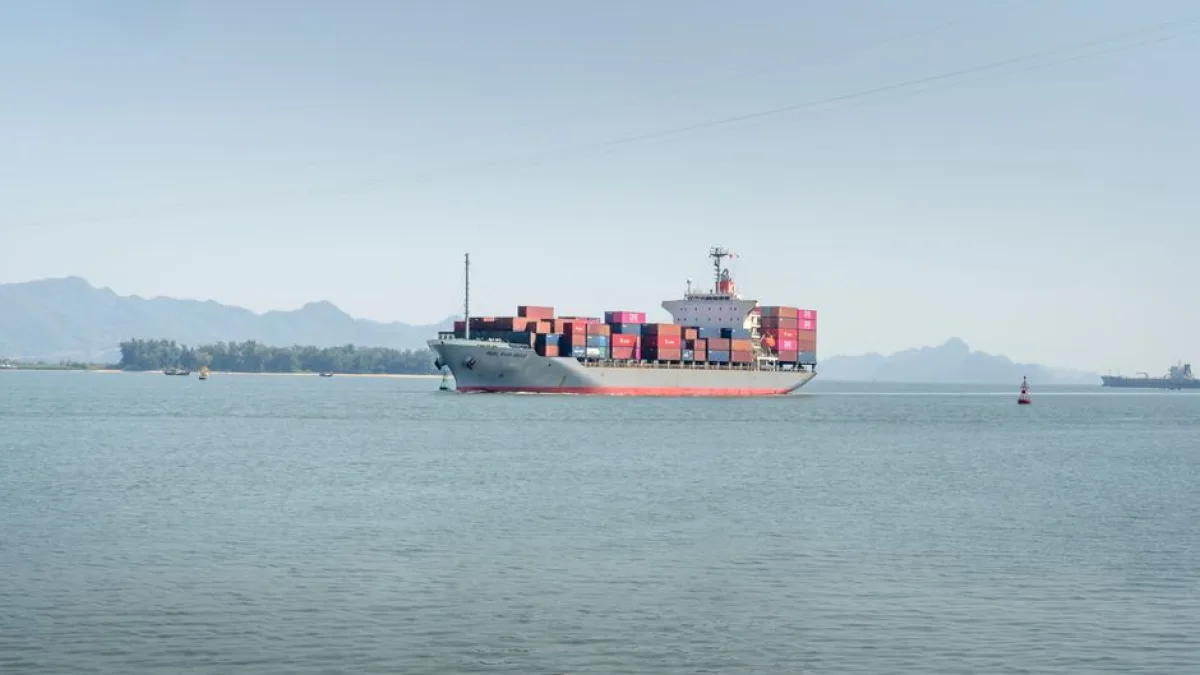
Real-time visibility into cargo movement is no longer a luxury but a fundamental requirement for modern shippers. Tracking shipments across the ocean provides forwarders with the data necessary to manage client expectations and proactively handle any potential transit disruptions effectively.
- Automated Tracking Updates: Leverage software that integrates directly with ocean carrier systems to provide automatic status notifications, keeping your clients informed about their shipment progress without manual intervention.
- Proactive Exception Management: Utilize predictive analytics tools that identify potential delays early, allowing your team to inform stakeholders and implement mitigation strategies before problems escalate further.
- Visual Mapping Tools: Employ interactive dashboards that display current vessel locations on a global map, providing a clear visual representation of your entire shipping portfolio status today.
- Client Portal Access: Grant your customers direct access to a branded portal where they can view shipment milestones in real time, enhancing transparency and reducing inquiry calls.
Digital visibility transforms the client experience by removing the uncertainty often associated with long-haul ocean logistics. When clients can monitor their goods throughout the transit journey, their confidence in your services increases dramatically. By providing reliable data points, you build long-term loyalty and establish your brand as a transparent partner that values high-quality communication in every single shipment handled.
Improving Carrier Performance Management

Managing relationships with ocean carriers is essential for securing space and competitive pricing in a volatile market. Forwarders need reliable performance data to evaluate which shipping lines offer the best service levels and most consistent transit times for their specific routes.
- Performance Analytics Reports: Generate detailed reports that track key performance indicators such as transit time reliability and schedule integrity to evaluate your current ocean carrier partnerships.
- Centralized Rate Management: Organize all your ocean freight rates in a single digital database, making it easier to compare options and select the most cost-effective carriers.
- Carrier Scorecard Creation: Develop internal scorecards that rank carriers based on historical data, enabling your procurement team to make evidence-based decisions during future contract negotiation phases.
- Improved Negotiation Leverage: Use historical shipment data to negotiate better rates and service agreements, ensuring that your company always receives the best possible value for clients.
When you have a data-driven approach to carrier management, you stop guessing and start optimizing your logistics network. These insights allow you to select partners who align with your operational goals and reliability standards. Strengthening these relationships through objective performance tracking ensures that your freight forwarding business remains resilient, even when faced with significant capacity shifts or unexpected disruptions in the industry.
Scaling Through Cloud Infrastructure

Scalability is vital for any growing freight forwarding company aiming to expand its reach. Cloud-based platforms provide the necessary flexibility to scale your operations without needing to invest heavily in expensive hardware or complicated on-site IT infrastructure and maintenance.
- Seamless Team Collaboration: Enable your global team members to log into a unified platform, ensuring that everyone is working from the same data set in real time.
- Enhanced Data Security: Rely on enterprise-grade security protocols provided by cloud vendors, which protect your sensitive client and financial data from cyber threats and physical losses.
- Flexible User Permissions: Manage team access levels with precise control, ensuring that employees only see the information relevant to their specific roles and regional responsibilities daily.
- Rapid Feature Updates: Benefit from automatic software updates that deliver the latest industry tools and features, keeping your business at the forefront of technological innovation and efficiency.
Adopting cloud infrastructure creates a foundation for long-term growth and technical agility. As your volumes increase, your software ecosystem adapts effortlessly to meet the rising demand without requiring constant manual upgrades. This scalable approach allows you to focus on your core business goals, confident that your logistics platform can support your team and your clients throughout every phase of expansion.
Conclusion

Transforming your ocean freight operations requires a combination of smart software adoption and a commitment to data-driven decision making. By modernizing documentation, enhancing visibility, managing carriers effectively, and leveraging cloud infrastructure, you position your firm for sustained success. Start evaluating your current processes today to identify which areas offer the highest potential for growth and improvement within your existing global shipping operations.