Optimizing Ocean Freight Operations for Modern Forwarders
Monday, August 17 2026
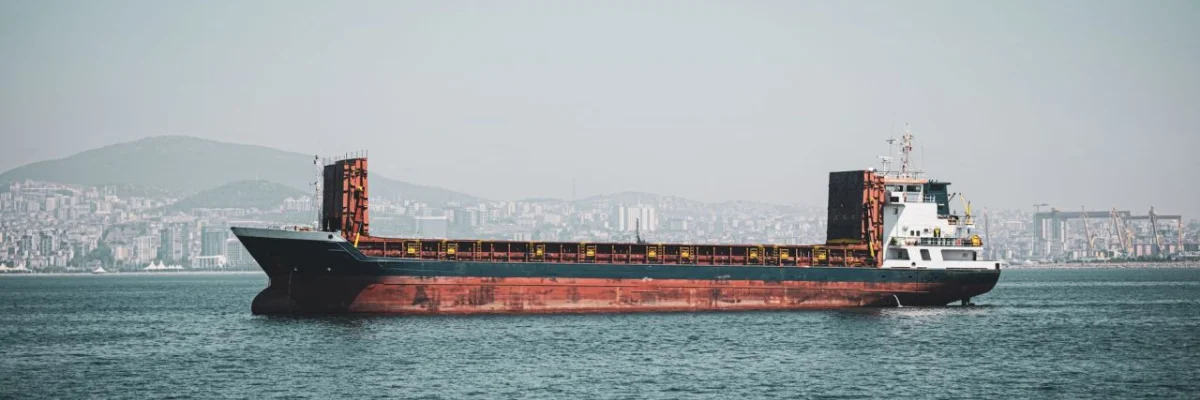
The global shipping landscape is evolving rapidly, forcing freight forwarders to move beyond manual processes and embrace digital transformation. As supply chains become more complex and transparency requirements intensify, the ability to manage ocean freight with precision determines market competitiveness. Leveraging cloud-based technology allows logistics providers to unify communication, centralize documentation, and provide real-time visibility to clients. By optimizing every stage of the shipment journey, from booking to final delivery, companies can reduce overhead costs and eliminate costly human errors. Forwarders who adopt these advanced digital tools today are better positioned to handle future volatility and scale their businesses efficiently.
Digital Booking Platforms
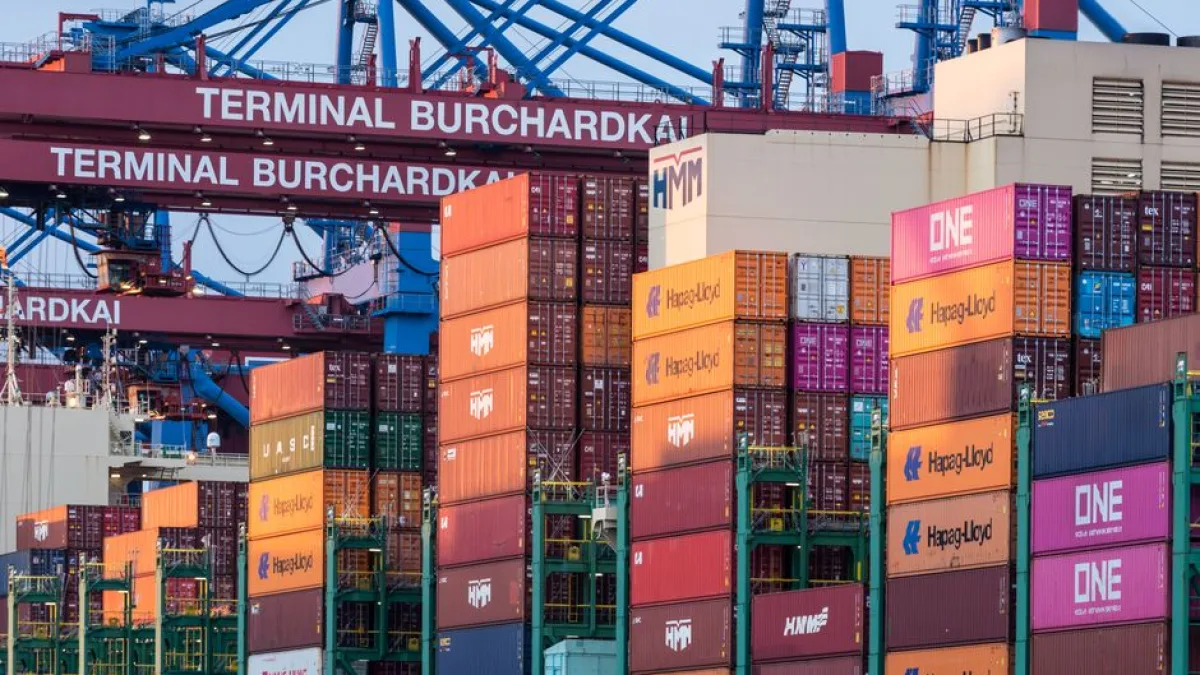
Digital booking platforms have revolutionized the way freight forwarders interact with carriers. By replacing outdated email chains with automated systems, companies can secure space, compare rates instantly, and confirm shipments with unprecedented speed while maintaining total data accuracy across the entire process.
- Instant rate comparisons: Utilize automated tools to pull live pricing from multiple carrier partners to ensure your clients always receive the most competitive market rates for their specific cargo.
- Automated booking requests: Eliminate manual entry errors by transmitting booking data directly to shipping lines through integrated platforms that sync seamlessly with your existing cloud-based logistics management software.
- Real-time schedule visibility: Access updated vessel schedules instantly to proactively manage potential delays and offer your customers precise departure dates that reflect current port congestion or weather conditions.
- Unified communication logs: Maintain a centralized record of all booking interactions to ensure that every team member has access to the latest updates and customer requirements at all times.
Adopting these platforms minimizes the administrative burden on your logistics team while enhancing your service delivery capabilities. By shifting towards automated booking workflows, forwarders can focus on high-value client relationships rather than chasing status updates. This transition is essential for any business aiming to remain lean and responsive in a hyper-competitive ocean freight market where speed and reliability define success for global shippers.
Effective Cargo Tracking
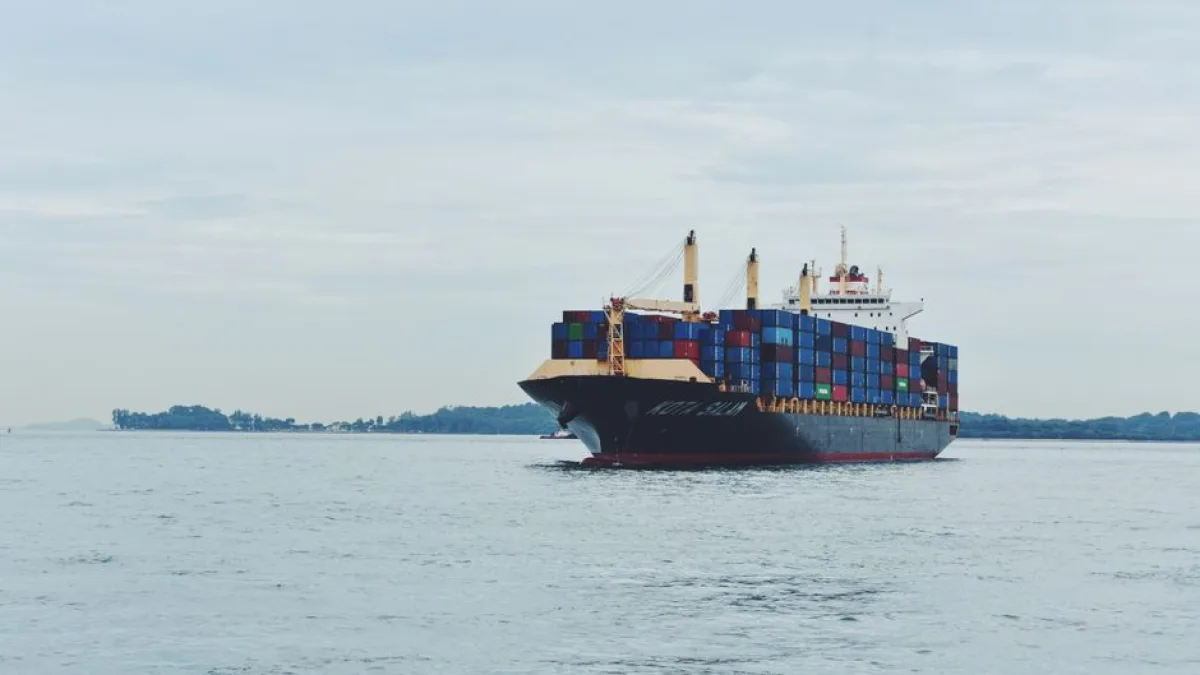
Modern visibility tools allow forwarders to track containers across the vast expanse of the ocean. By integrating AIS data and carrier feeds, your team can provide clients with accurate milestones, ensuring that every stakeholder remains informed throughout the shipping journey.
- Proactive delay alerts: Receive automated notifications about vessel deviations or port omissions, allowing you to inform customers early and propose alternative routing options before problems escalate into major crises.
- Milestone tracking accuracy: Monitor individual container status from gate-in to final discharge with high precision, providing clients with the confidence that their cargo is moving according to plan.
- Visual tracking dashboards: Use interactive maps that display your entire portfolio of active shipments, helping your operations team identify bottlenecks and manage container flow more effectively and intuitively.
- Automated status notifications: Configure custom email or portal updates for your clients to keep them informed about critical journey milestones without requiring manual intervention from your staff.
Consistent tracking visibility builds long-term trust and strengthens your professional reputation as a reliable logistics partner. When shippers see that you handle their cargo with professional diligence and provide accurate, timely reporting, they are more likely to commit to long-term contracts. This level of transparency is no longer optional but a baseline requirement for forwarders operating in today's high-stakes global environment.
Streamlined Documentation Management

Managing the mountain of documentation required for international ocean freight is a significant challenge for any forwarder. Digital document management systems enable secure storage, rapid retrieval, and seamless sharing of essential files like bills of lading and customs clearance papers.
- Secure cloud storage: House every shipment document in a centralized, encrypted cloud repository that is accessible from anywhere in the world, ensuring compliance with international data security standards.
- Automated document templates: Generate standard shipping documents like invoices and packing lists automatically using data already captured in your system to save hours of repetitive manual data entry.
- E-signature integration: Expedite the approval process by utilizing secure electronic signature platforms that allow clients and carriers to sign essential paperwork digitally without waiting for physical couriers.
- Version control systems: Prevent confusion by tracking document revisions, ensuring that your team always works from the most current file version and avoiding costly errors during customs clearance.
Efficient document workflows reduce the risk of detention and demurrage charges caused by paperwork delays. By digitizing these critical processes, you create an audit-ready environment that protects your company from legal risks and operational setbacks. Ultimately, a streamlined system allows your staff to dedicate more time to strategic growth initiatives rather than being bogged down by complex, paper-heavy administrative procedures every single day.
Data-Driven Decision Making

Data analytics provide the insights necessary for forwarders to optimize their ocean freight routes and carrier selection. By analyzing historical performance, companies can identify trends and make informed choices that improve profitability while maintaining high service levels for their end customers.
- Carrier performance metrics: Evaluate your shipping lines based on historical on-time performance data to choose partners that align with your clients requirements for speed and reliability in transit.
- Cost analysis reporting: Generate comprehensive reports that break down shipping costs by lane or volume, allowing you to negotiate better rates during upcoming carrier contract renewals and tenders.
- Predictive trend forecasting: Use historical shipping data to anticipate seasonal demand spikes and secure necessary container allocations well in advance of the busiest periods in the global calendar.
- Profitability per shipment: Calculate the exact net profit on individual ocean freight jobs by accounting for all variable costs, enabling you to optimize your pricing strategy consistently.
Harnessing the power of your own data transforms how you plan for future market shifts. Instead of relying on guesswork, your team can use hard evidence to support operational changes and business expansion. This analytical approach ensures your company remains agile and profitable, even when faced with unpredictable global supply chain disruptions that challenge traditional freight forwarding business models across the industry.
Conclusion

Mastering ocean freight requires the perfect blend of industry expertise and advanced technological support. By digitizing bookings, tracking, documentation, and data analysis, your forwarding business can achieve new heights of efficiency and customer satisfaction. Start integrating these modern solutions today to stay ahead of the competition. Contact MakeCargo to learn how our platform can specifically support your unique ocean freight operational needs.