Optimizing Ocean Freight Operations in a Digital Era
Monday, August 17 2026
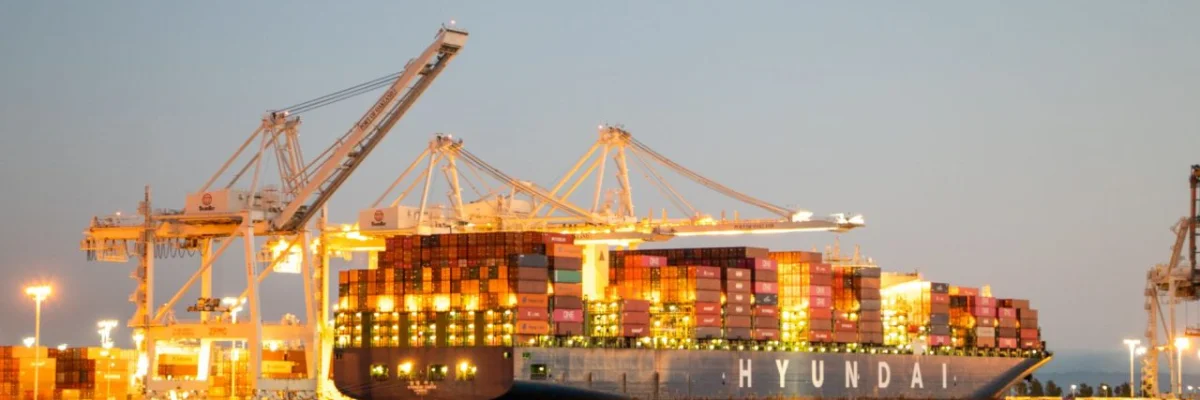
The global ocean freight industry stands at a critical intersection where traditional logistics practices meet the transformative power of cloud-based technology. As shipping volumes fluctuate and market volatility becomes the new standard, freight forwarders are under immense pressure to maintain visibility and operational efficiency. By leveraging modern software platforms, logistics companies can eliminate manual data entry, reduce human error, and provide real-time tracking updates that satisfy even the most demanding clients. Adapting to these digital changes is no longer optional for firms aiming to stay competitive in an increasingly connected international supply chain landscape that demands total transparency.
Modernizing Port Infrastructure
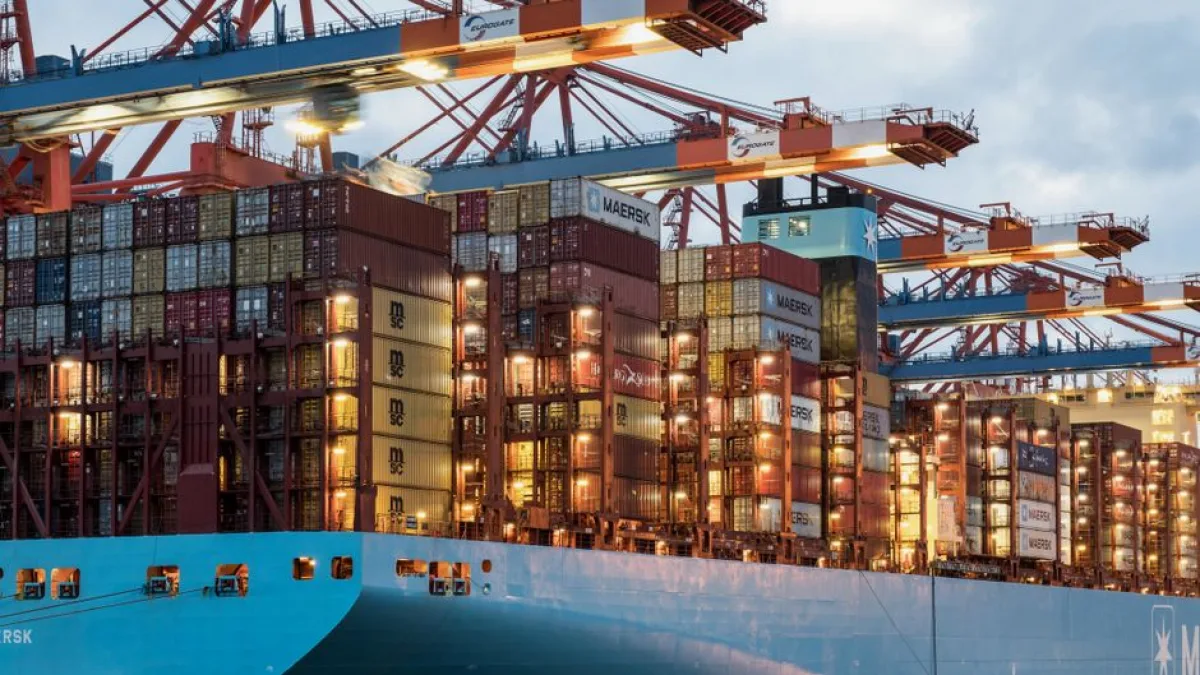
Efficient port operations rely on the seamless integration of physical cargo handling and digital communication systems. When freight forwarders utilize cloud platforms to synchronize data with port authorities, the entire shipping process becomes significantly faster and less prone to expensive bottlenecks.
- Automated Data Exchange: Implement electronic data interchange protocols to ensure that shipping instructions and customs documentation reach port operators without the need for manual processing or redundant paper filings.
- Optimized Gate Operations: Coordinate truck arrivals and container pickups through digital scheduling tools to prevent congestion at the terminal gates while reducing idle time for professional drivers.
- Real-time Terminal Updates: Access live status reports regarding container availability and crane productivity to keep your clients informed about potential delays or rapid clearance opportunities at port.
- Digital Documentation Flow: Replace physical manifest copies with instant digital uploads that allow customs brokers to begin clearance processes long before the vessel even arrives at the terminal.
By shifting away from legacy systems that rely on disconnected emails and spreadsheets, forwarders can reclaim valuable time. Modern platforms enable a unified view of all port activities, allowing your team to proactively address potential issues before they escalate into costly delays. This level of synchronization builds deep trust with your customers and strengthens your position as a reliable partner in their global trade network.
Harnessing Data Analytics
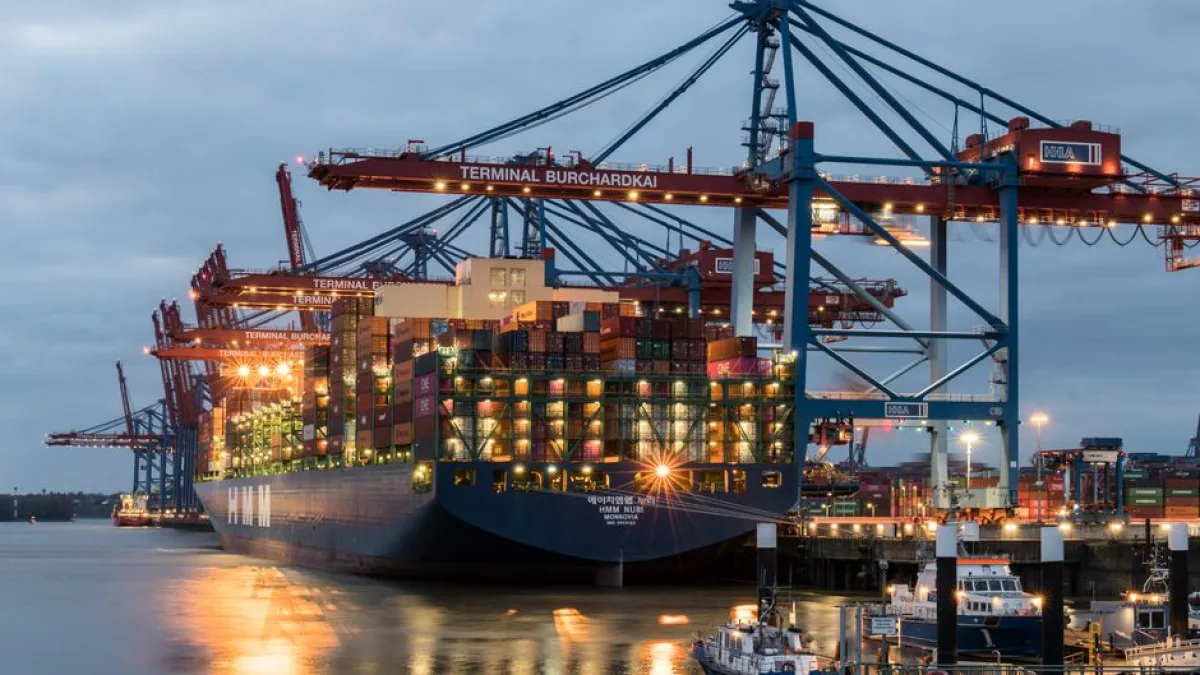
Data is the lifeblood of modern logistics, yet many firms fail to extract actionable insights from their records. By using advanced analytics, forwarders can identify long-term shipping trends, negotiate better carrier rates, and predict potential disruptions before they impact final cargo delivery.
- Predictive Capacity Planning: Analyze historical shipment volumes during peak seasons to anticipate capacity requirements and secure competitive space allocations with ocean carriers well in advance of demand spikes.
- Carrier Performance Metrics: Evaluate key performance indicators for each ocean carrier to determine which lines offer the best transit times, reliability, and cost-effectiveness for your specific shipping lanes.
- Cost Variance Analysis: Monitor fluctuating fuel surcharges and currency adjustments to provide accurate price quotations to your clients while protecting your firm against unexpected revenue losses.
- Strategic Route Optimization: Compare multiple routing options based on real-time port congestion data and vessel schedules to select the most efficient path for time-sensitive cargo shipments.
Turning raw shipping data into business intelligence allows you to make informed decisions that benefit your bottom line. Instead of reacting to market changes, your logistics business can adopt a forward-looking strategy that anticipates shifts in global trade. This proactive approach not only optimizes your current operations but also provides the necessary foundation for scaling your business in highly competitive international markets.
Enhancing Shipment Visibility

Customers today expect the same level of tracking detail for industrial freight that they see in consumer parcel shipping. Providing high-fidelity visibility requires the integration of automated tracking feeds that bridge the gap between ocean carriers and the final end user.
- End-to-End Tracking: Integrate automated carrier status messages into your platform to provide customers with instant updates on vessel locations and estimated times of arrival for every shipment.
- Exception Management Alerts: Set up automated notifications that alert your operations team immediately when a vessel is delayed or a container has been rolled at the transshipment port.
- Custom Client Dashboards: Provide your shippers with secure web portals where they can view live updates, download shipping documents, and monitor the progress of their entire freight volume.
- Unified Communication Hub: Centralize all email chains and messages related to a specific booking within your software to ensure that every stakeholder accesses the same accurate information.
Giving your clients access to clear, accurate information reduces the administrative burden on your staff. When customers can self-serve their tracking needs, your team is free to focus on solving high-value logistical problems rather than answering routine status queries. Providing transparency transforms your service from a basic commodity into a premium asset that clients will want to keep using for years.
Streamlining Document Workflows

Paperwork remains one of the largest friction points in ocean freight, often leading to costly delays in customs clearance and final delivery. Transitioning to a paperless environment is the most effective way to improve velocity and accuracy across your global operations.
- Template Based Bookings: Standardize your booking requests by using automated templates that pull data from your customer database to prevent repetitive entry and potential typos in manifests.
- Cloud Document Storage: Maintain a centralized digital repository for bills of lading, certificates of origin, and commercial invoices that is accessible to your team from any location.
- Automated Approval Cycles: Implement digital workflows that require specific management approvals for high-value shipments to ensure that all documentation meets internal quality standards before reaching carriers.
- Electronic Signature Integration: Utilize digital signing platforms to authorize essential shipping documents instantly, removing the need for scanning, printing, or mailing original copies to various global parties.
Reducing manual document handling significantly lowers the risk of clerical errors that lead to customs holds. By digitizing every step of the paperwork lifecycle, you create a robust audit trail that satisfies regulatory requirements while improving overall speed. This streamlined workflow allows your employees to focus on delivering superior customer experiences rather than getting buried in stacks of physical forms and administrative tasks.
Conclusion
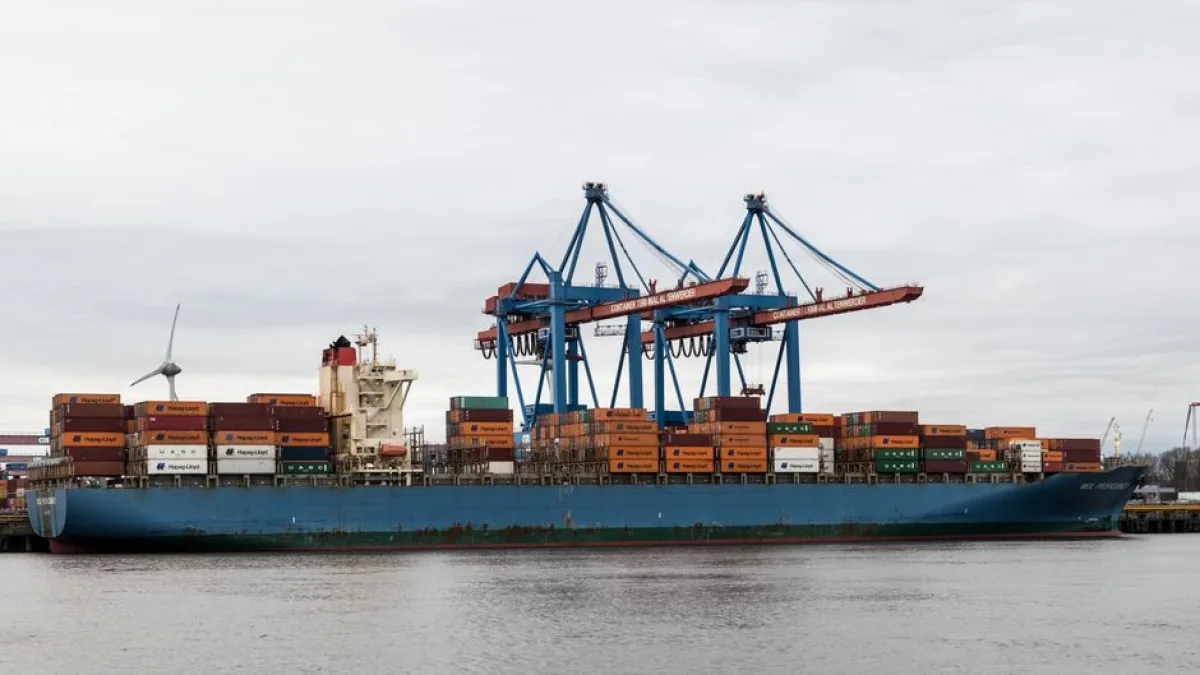
Mastering ocean freight requires a combination of industry expertise and the right digital infrastructure. By automating manual workflows, leveraging deep analytics, and providing transparent visibility, you can elevate your logistics business. Start your digital transformation today to improve efficiency and scale your operations with confidence. Visit MakeCargo to discover how our cloud platform simplifies complex shipping processes for freight forwarders everywhere.