Optimizing Ocean Freight Operations in a Digital Era
Tuesday, August 18 2026
The global shipping industry is undergoing a profound transformation as freight forwarders shift away from manual processes toward integrated digital ecosystems. As supply chains grow more complex, the ability to manage container movements, documentation, and carrier communications through a single platform has become a competitive necessity. By embracing cloud-based solutions, forwarders can gain real-time visibility into their ocean shipments, significantly reducing administrative overhead and human error. This transition not only enhances operational efficiency but also builds stronger trust with clients who demand transparency and reliability in an increasingly volatile global market. Adapting your internal workflow is the first step toward sustained growth.
Modernizing Documentation Processes

Effective documentation management is the backbone of successful ocean freight. By digitizing bills of lading and commercial invoices, forwarders remove bottlenecks that cause severe delays at ports, ensuring that customs clearance and terminal operations proceed without unnecessary friction or costly paperwork errors.
- Automated Data Entry: Implement systems that automatically extract information from shipping documents, saving your team hours of manual input while drastically reducing the risk of costly clerical errors during processing.
- Centralized Document Storage: Maintain a single cloud-based repository for every shipment to ensure that your global teams access the most current versions of critical shipping files at all times.
- Seamless Regulatory Compliance: Utilize built-in tools that automatically flag missing regulatory information before documents are submitted to customs authorities, preventing shipment holds and avoiding hefty fines at busy ports.
- Electronic Signature Integration: Adopt digital signature platforms to expedite the approval process, allowing partners across different time zones to sign documents instantly and keep the shipping cycle moving forward.
Transitioning to electronic documentation transforms how your team interacts with global carriers and customers. By eliminating paper-heavy workflows, you gain the agility required to handle sudden surges in demand. This digital shift empowers staff to focus on high-value client relationship tasks rather than repetitive data management, ultimately increasing your overall service quality and strengthening your brand reputation as a reliable and modern freight forwarding partner.
Improving Container Visibility
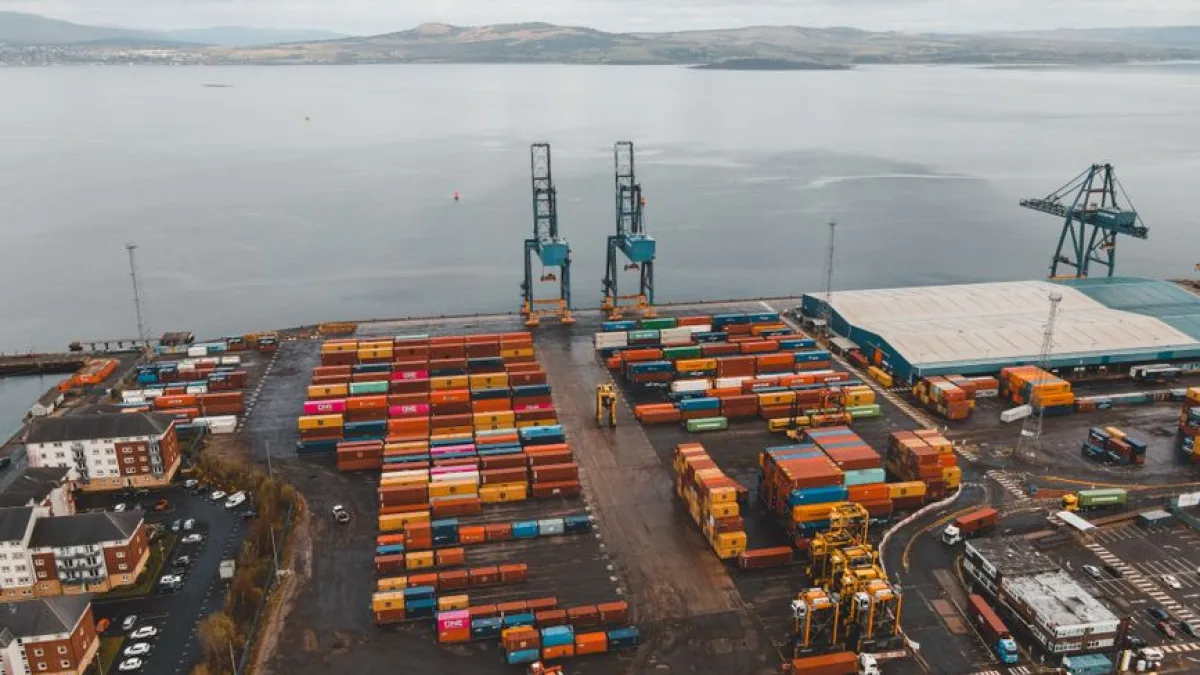
Real-time visibility allows freight forwarders to track container movements across the globe with precision. Providing clients with live status updates reduces the need for constant email inquiries, establishing your business as a leader in transparency and proactive supply chain management.
- Real-Time Tracking Integration: Connect your platform directly with carrier APIs to receive instant updates on vessel locations, ensuring your team always knows exactly where containers are situated globally.
- Proactive Exception Alerts: Configure automated notifications that trigger when a vessel is delayed or a port experiences congestion, allowing you to inform your clients before issues escalate further.
- Client Portal Access: Provide your customers with a secure login to view their own shipment milestones, effectively reducing the administrative burden on your support team during peak seasons.
- Historical Data Analytics: Leverage past tracking data to identify recurring transit issues or inefficient routes, enabling you to suggest better shipping alternatives to your long-term logistics partners.
Visibility is no longer just a luxury but a fundamental expectation in today's market. When you provide clients with the data they need, you reduce their anxiety during transit and build long-term loyalty. Investing in visibility tools allows your company to solve problems before they impact the bottom line, turning potential logistics challenges into opportunities to demonstrate your commitment to professional service excellence.
Enhancing Carrier Communication

Strong partnerships with ocean carriers are vital for negotiating better rates and securing space. When freight forwarders streamline how they communicate with shipping lines, they resolve booking conflicts faster and manage capacity more effectively in a very competitive environment.
- Centralized Communication Hubs: Keep all carrier emails and booking requests inside your software to ensure that no critical updates or contract negotiations are ever lost in transit.
- Standardized Booking Requests: Utilize templates that align with carrier requirements to speed up the confirmation process, helping you secure space on vessels even when market availability is low.
- Performance Monitoring Tools: Track the reliability of different ocean carriers to determine which partners offer the best transit times and consistency for your most sensitive shipments.
- Automated Status Updates: Use software to push shipping status changes directly to your partners, keeping all stakeholders informed without the need for endless manual follow-up phone calls.
Efficient communication is the cornerstone of a successful ocean freight operation. By centralizing your interactions with carriers, you create a transparent audit trail that protects your company during disputes. These optimized internal habits ensure that your team stays aligned with current market trends and carrier performance standards, allowing you to make data-driven decisions that save money and improve overall shipping reliability for customers.
Scaling Through Software Automation
Automation allows forwarders to scale their business without constantly adding to their headcount. By letting software handle repetitive tasks like invoice generation and rate quoting, your team can concentrate on strategic growth initiatives and expanding your global service network.
- Instant Rate Quoting: Implement tools that generate accurate ocean freight quotes in seconds, allowing you to respond to prospect inquiries faster than your competitors can manually calculate pricing.
- Automated Invoice Generation: Integrate your logistics software with accounting systems to generate invoices instantly after shipment milestones, significantly improving your cash flow and reducing outstanding accounts receivable.
- Workflow Task Scheduling: Assign automated reminders to team members for upcoming deadlines, ensuring that no booking, customs filing, or port storage fee payment is ever accidentally missed.
- Scalable Cloud Infrastructure: Use cloud technology that expands alongside your business needs, supporting more shipments and additional users as your freight forwarding firm continues to gain market share.
Scaling your business requires the right technological foundation to support growth. Automation does not replace human expertise but rather amplifies it, allowing your employees to perform at their absolute highest potential. As you incorporate these software tools into your daily operations, you will discover that managing larger volumes becomes manageable, predictable, and profitable, ensuring your forwarder remains at the forefront of the industry.
Conclusion
Mastering modern ocean freight operations requires a commitment to digital transformation and process optimization. By leveraging advanced software to handle documentation, visibility, communication, and automation, you position your freight forwarding business for long-term success. Evaluate your current systems today to identify areas for improvement and start your journey toward a more efficient, transparent, and profitable future in the competitive world of global logistics.