Optimizing Ocean Freight Operations in a Digital Era
Wednesday, August 19 2026
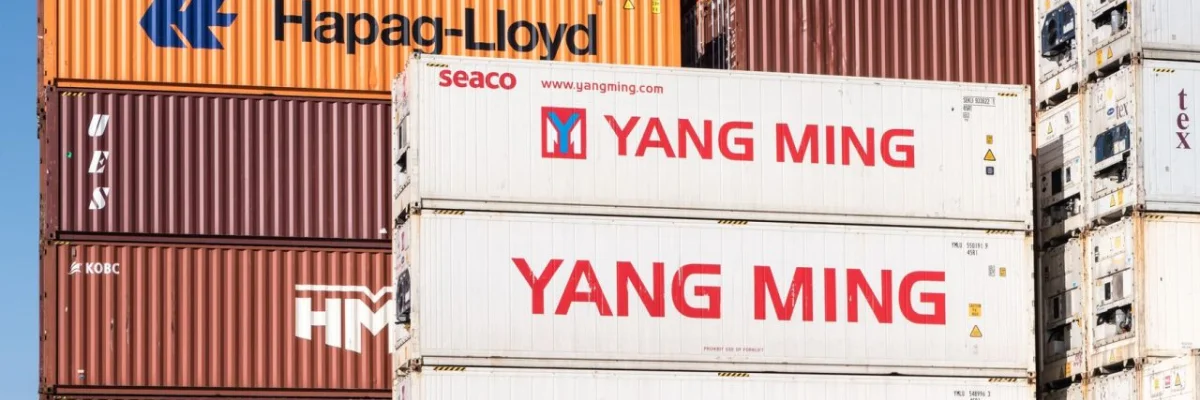
Navigating the complex landscape of global ocean freight requires more than traditional logistics knowledge in the modern digital age. As supply chain volatility continues to challenge freight forwarders, the adoption of cloud-based technology has become the primary differentiator for companies aiming to remain competitive. By centralizing documentation, automating manual tasks, and providing real-time visibility into vessel movements, firms can drastically reduce administrative overhead. This evolution in workflow management allows professionals to focus on strategic client relations rather than getting bogged down in redundant data entry. Embracing these digital tools is no longer optional for growth, but a necessity for sustainable operational success.
Mastering Container Tracking Visibility
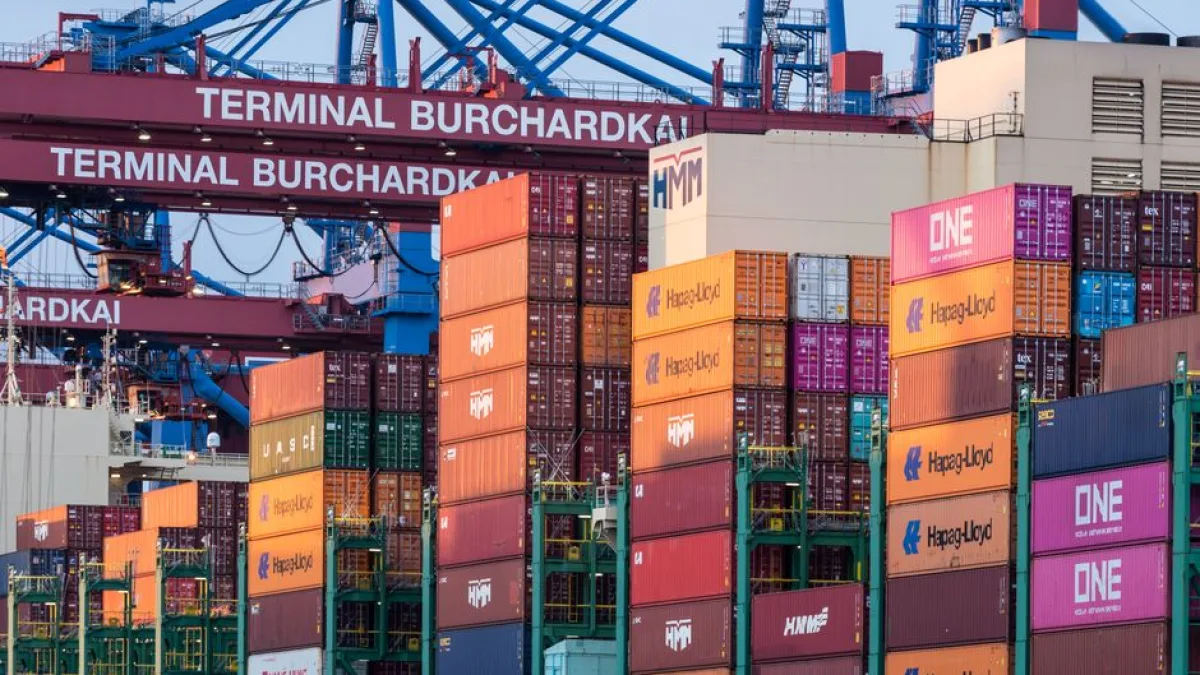
Real-time visibility into container locations has transformed how forwarders communicate status updates to their customers. Relying on outdated manual reports is no longer sufficient when shippers demand instant information regarding their cargo location and potential arrival delays across global shipping routes.
- Automated Tracking Updates: Integration with carrier APIs allows systems to pull status changes automatically, ensuring your logistics team and customers always have access to the most accurate shipment data available.
- Proactive Exception Management: Modern platforms flag potential delays early, empowering freight forwarders to communicate transparently with clients and provide alternative routing options before problems escalate into major supply chain disruptions.
- Centralized Documentation Access: Keeping bills of lading and customs documents in a unified cloud dashboard eliminates the risk of losing critical paperwork during the busy transit process between ports.
- Enhanced Customer Portals: Providing clients with a branded portal where they can self-serve shipment details reduces the volume of repetitive status inquiry emails sent to your operations team.
Achieving total visibility throughout the ocean freight lifecycle fundamentally changes your relationship with the customer. When you provide immediate answers backed by live data, you build trust and establish long-term loyalty that survives market fluctuations. As you remove the friction of information sharing, your team gains time to solve complex logistics problems, turning your freight forwarding firm into a true strategic partner for shippers.
Streamlining Documentation and Compliance

The paperwork associated with ocean freight is notoriously dense and prone to human error during manual input. Transitioning to a digitized workflow helps forwarders ensure accuracy, maintain compliance with international maritime regulations, and significantly reduce the time spent on administrative tasks.
- Paperless Workflow Automation: Digitizing original documents allows for instant sharing with customs brokers and port authorities, effectively reducing lead times and minimizing the risk of costly clearance delays.
- Regulatory Compliance Checks: Built-in validation tools ensure that every declaration meets current local and international requirements, protecting your business from potential fines or legal complications during the audit.
- Secure Data Storage: Storing sensitive client information in an encrypted, cloud-based environment prevents unauthorized access and provides an essential audit trail for every shipment handled by the team.
- Standardized Template Usage: Utilizing consistent digital templates for common shipping forms ensures professional output and reduces the likelihood of discrepancies that often cause cargo holds at terminals.
By automating the document lifecycle, you shift focus from reactive problem solving to proactive logistics management. High-accuracy documentation means fewer stops at the port and faster release times for your customers. When your team spends less time hunting for files or correcting typos, they can dedicate more energy to optimizing routing costs and negotiating better rates with ocean carriers for your clients.
Optimizing Carrier Rate Management
Managing carrier rates manually across countless spreadsheets is a recipe for errors and lost revenue. Modern logistics platforms allow forwarders to store, compare, and apply competitive shipping rates instantly, ensuring that every quote provided is both accurate and optimized for profit.
- Dynamic Rate Comparison: Instantly compare multiple carrier quotes side-by-side to determine the most cost-effective and efficient transit options for your customers based on their specific cargo requirements.
- Automated Quote Generation: Create professional and detailed shipping quotes in seconds by pulling live pricing data from your system, ensuring your margins remain protected against fluctuating bunker surcharges.
- Historical Data Analysis: Review previous shipments to identify trends in carrier performance and pricing, allowing you to negotiate better volume-based contracts during your next round of discussions.
- Real-time Surcharge Updates: Automatically account for changing fuel adjustments and peak season surcharges within your quoting engine to ensure your revenue estimates are always grounded in reality.
Precise rate management creates a healthier bottom line while enhancing your competitiveness in the global market. When your team can confidently offer the best possible prices without sacrificing margin, client satisfaction increases significantly. Efficient systems turn data into actionable intelligence, allowing you to make faster decisions. Leverage these insights to provide superior service that clearly separates your business from less technologically equipped freight forwarding competitors.
Fostering Strong Carrier Relationships

Building long-term partnerships with ocean carriers is essential for securing capacity during peak seasons. Effective communication and transparent operational habits make your firm a preferred partner, which often results in priority space allocation and better service support for your shipments.
- Improved Forecast Planning: Sharing accurate shipment forecasts with your carriers helps them prepare for capacity needs, which often leads to better space guarantees during high-demand shipping windows.
- Performance Metric Tracking: Utilize analytical tools to track how consistently your carriers meet transit times, which provides objective data for future service discussions and quarterly business reviews.
- Streamlined Billing Processes: Automating invoice reconciliation prevents payment disputes and keeps carrier accounts in good standing, fostering a sense of mutual reliability and cooperation between your companies.
- Efficient Conflict Resolution: A centralized communication history ensures that both parties have access to the same information, making it much faster to resolve issues when cargo problems arise.
Strong carrier relations act as a safety net when global supply chains experience unexpected stress or capacity crunches. By being a digital-first forwarder, you prove to your partners that you are a reliable, organized, and professional entity worth supporting. This professional reputation makes it easier to negotiate complex agreements and ensures that your customers always have a reliable path forward, regardless of global economic conditions.
Conclusion
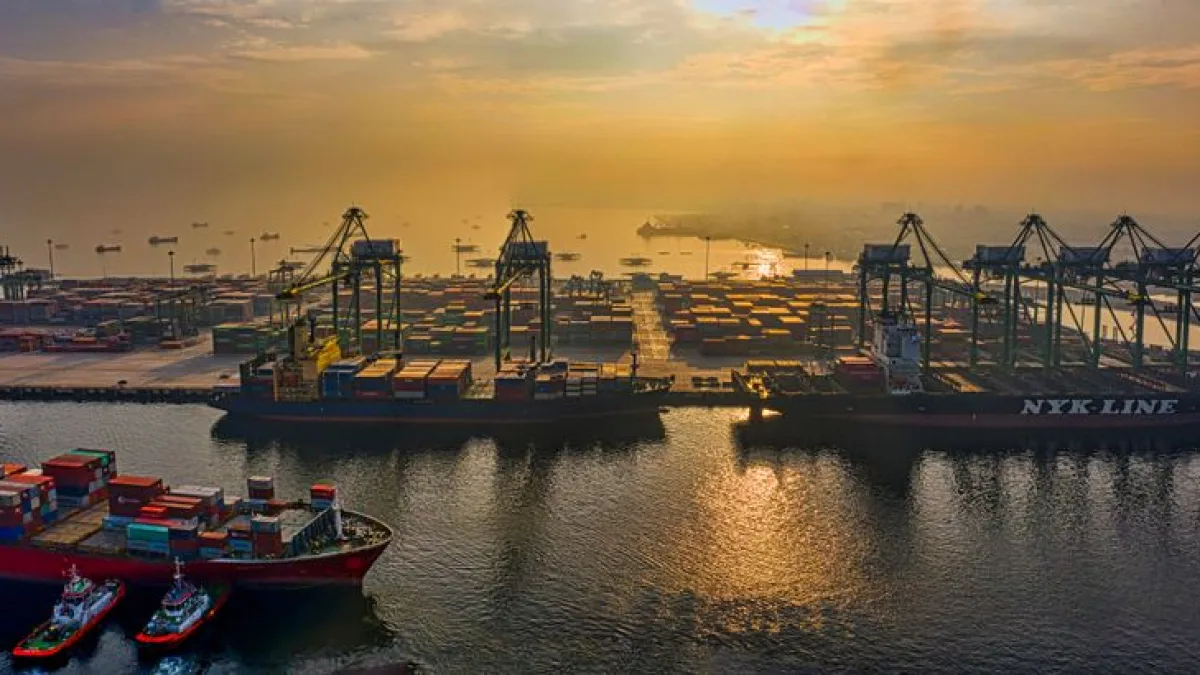
Successful ocean freight management requires a shift toward digital transformation and intelligent process automation. By centralizing data and prioritizing visibility, forwarders can improve margins while delivering exceptional service to their clients. Embracing these advanced software solutions is the key to scaling your operations and thriving in a competitive global market. Contact the MakeCargo team today to start digitizing your freight forwarding workflows and optimizing your operations.