Optimizing Ocean Freight Operations in a Digital Era
Thursday, August 20 2026
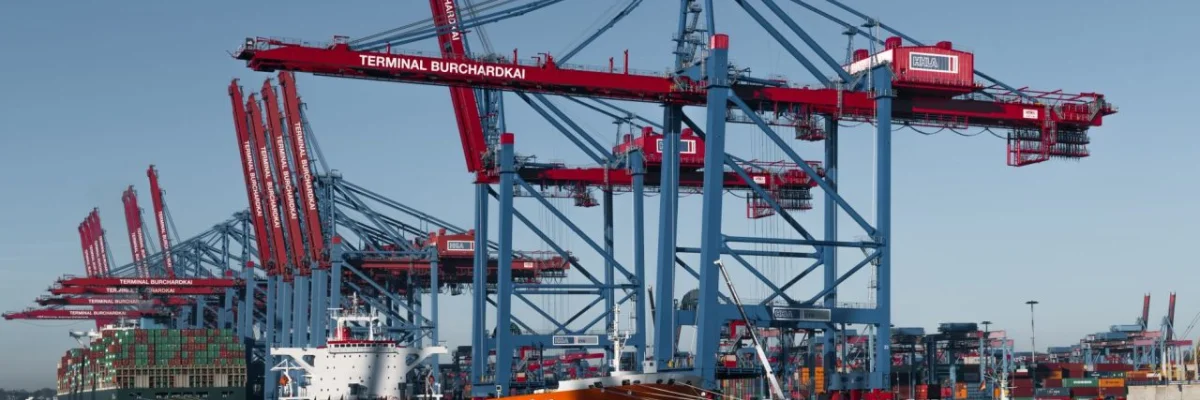
Navigating the complex landscape of global ocean freight requires more than just traditional logistical expertise in the modern age. As supply chains face constant volatility and increasing demands for transparency, freight forwarders must pivot toward integrated digital solutions. Relying on manual processes leads to bottlenecks that hinder growth and reduce overall profitability. By embracing cloud-based platforms, forwarders gain the visibility needed to manage large-scale shipments efficiently. This shift not only improves operational speed but also enhances the end-customer experience, positioning your logistics business to thrive amidst the competitive pressures of the current global shipping marketplace.
Modernizing Documentation Processes
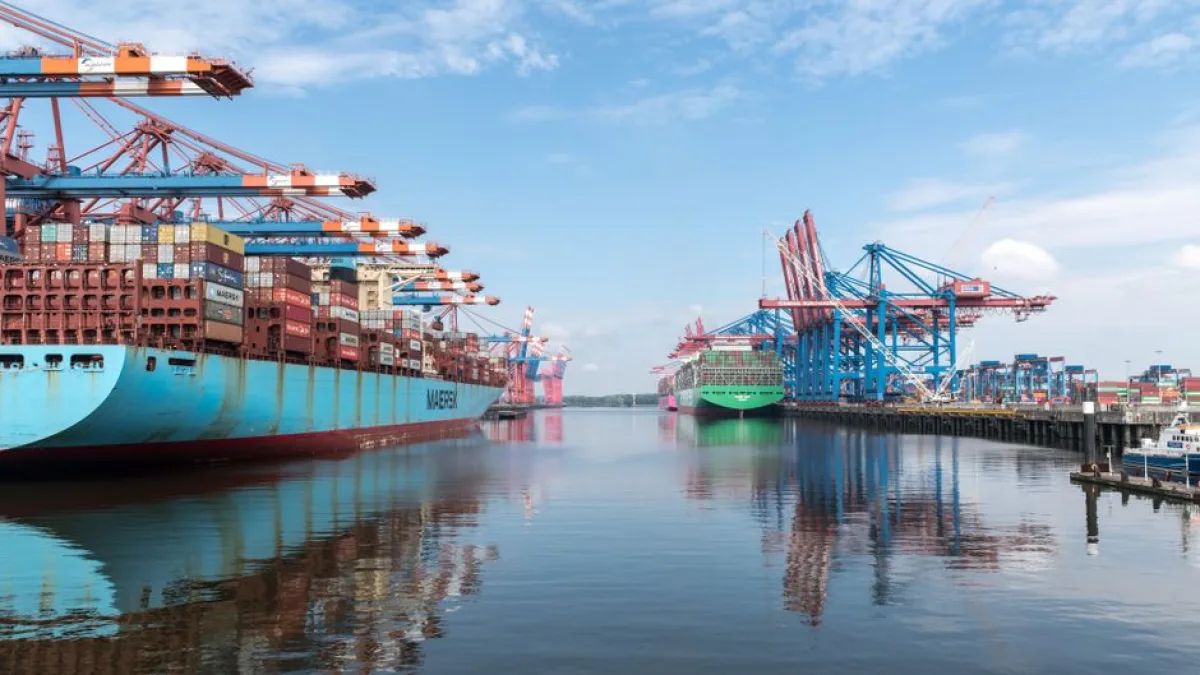
Digitizing your documentation workflow is the first step toward achieving operational excellence. By replacing paper-heavy tasks with automated software, you reduce human error and ensure that critical compliance documents are always accessible, accurate, and ready for regulatory scrutiny at every port.
- Automated Data Entry: Implement intelligent software tools that extract data from shipping documents directly into your system, significantly reducing the manual workload while eliminating costly typos during the processing cycle.
- Digital Document Storage: Utilize cloud-based repositories to organize bills of lading and commercial invoices, ensuring that your team can retrieve essential files instantly from any location globally.
- Compliance Tracking Tools: Integrate automated alerts that flag missing information or regulatory changes, helping your company remain fully compliant without needing constant oversight from your senior operations staff.
- Unified Communication Channels: Streamline document sharing between carriers and clients through secure portals, which prevents communication breakdowns and keeps all stakeholders aligned throughout the entire shipment lifecycle.
Transitioning to digital documentation provides a foundation for scaling your freight forwarding business. When information flows seamlessly, your team saves valuable hours every day, allowing them to focus on high-value tasks like client acquisition and strategic planning. Investing in these technical upgrades today protects your margins while creating a frictionless experience that keeps your valued customers returning for their future shipping requirements.
Real-Time Cargo Visibility

True visibility in ocean freight goes beyond simple port-to-port tracking. Advanced digital platforms offer deep insights into cargo location and status, helping forwarders proactively address potential delays and maintain excellent relationships with shippers who demand constant updates on their goods.
- Live Tracking Integration: Connect your software directly to carrier APIs to receive real-time status updates, ensuring that you always know the exact position of your ocean containers.
- Automated Exception Alerts: Configure proactive notification systems that alert your operations team immediately if a vessel experiences a delay, allowing for rapid communication with clients before issues escalate.
- Milestone Monitoring Tools: Track every stage of the shipment process from departure to final delivery, providing clear insights that help identify recurring bottlenecks in your unique supply chain.
- Client Facing Dashboards: Provide your customers with private portals where they can view their shipment status independently, which drastically reduces the volume of repetitive status inquiry emails.
When you provide transparency, you build trust and authority within the shipping industry. Providing clients with the ability to self-serve information empowers them while freeing your staff to handle complex logistics challenges. Consistent, accurate data reporting is the key to maintaining long-term partnerships in an unpredictable market where speed and reliability are the most important factors for success in global trade.
Optimizing Carrier Rate Management
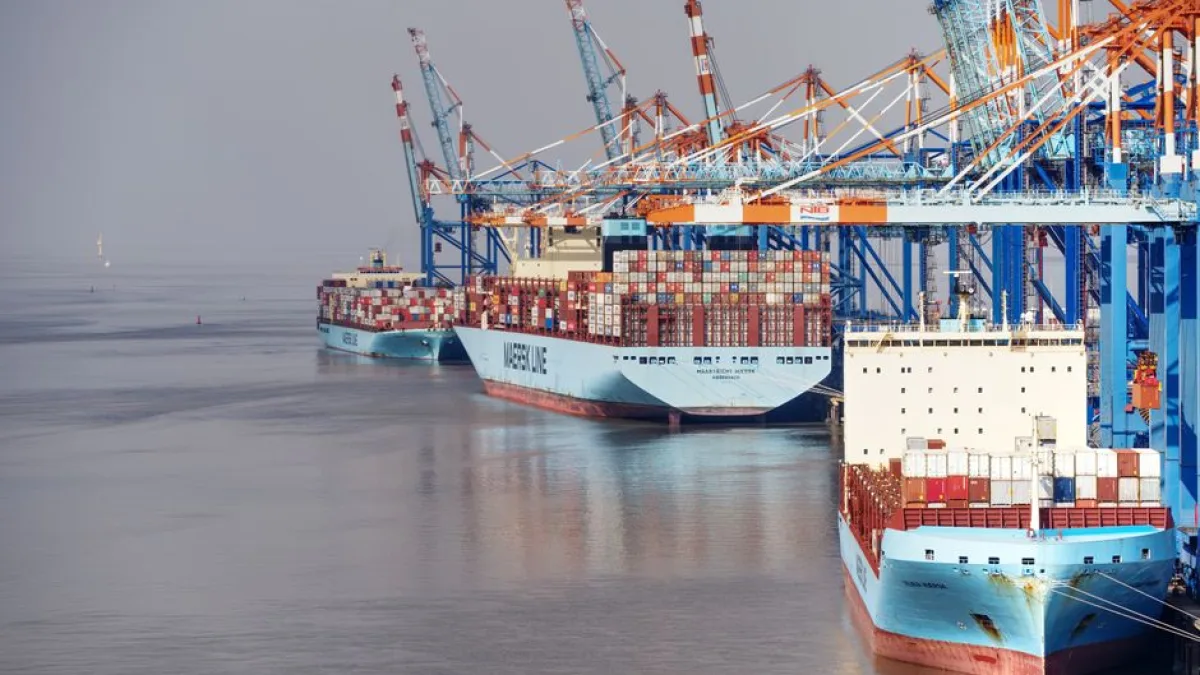
Managing carrier rates manually is a recipe for missed revenue and inefficiencies. By utilizing centralized digital tools for rate procurement, freight forwarders can compare options instantly and secure the most competitive pricing, directly improving the bottom line for every individual shipment.
- Centralized Rate Databases: Maintain a single source of truth for all carrier contracts, which simplifies the process of searching for available rates across multiple shipping lines simultaneously.
- Dynamic Pricing Comparison: Leverage automated tools to compare spot rates against long-term contract pricing, ensuring that you always select the most cost-effective option for your specific cargo.
- Historical Data Analysis: Review past shipping trends and pricing cycles to better forecast seasonal budget requirements, helping you negotiate stronger volume agreements with your preferred carrier partners.
- Simplified Quoting Systems: Generate professional quotes for your customers in seconds by utilizing pre-populated rate data, which helps your team win more bids through sheer responsiveness.
Efficient rate management allows your forwarder business to stay agile regardless of sudden shifts in the global shipping market. By having a clear overview of your costs and available capacity, you can make informed decisions that benefit both your company and your customers. This structured approach to procurement turns a complex administrative burden into a competitive advantage that drives sustainable, long-term business growth.
Enhancing Client Service Standards

Exceptional client service is the ultimate differentiator in the freight forwarding industry. By leveraging cloud software to manage interactions, you can ensure that every client feels prioritized, informed, and supported throughout the complex process of moving freight across international borders and oceans.
- Automated Status Updates: Set up triggers that notify your clients automatically as their cargo passes key milestones, which keeps them feeling involved without manual intervention from staff.
- Secure Messaging Portals: Host all client correspondence within your software platform to maintain a clear history of decisions and requirements, preventing important information from being lost in emails.
- Personalized Reporting Tools: Create custom performance reports for your high-value clients, demonstrating the direct value you provide through data-backed insights on their specific shipping and logistics operations.
- Fast Response Capabilities: Use internal collaboration tools to ensure your team has the information required to answer client queries immediately, improving your overall brand reputation within the market.
Your ability to deliver consistent quality service depends on the strength of your supporting software infrastructure. When your processes are robust, your team can handle increased volumes without sacrificing the personal touch that clients value. Prioritize these digital integrations to create a professional service environment that sets your freight forwarding firm apart as a leader in the global ocean shipping sector today.
Conclusion

The future of ocean freight belongs to those who embrace digital innovation and cloud technology. By automating documentation, monitoring cargo in real time, managing rates efficiently, and focusing on high-level service, forwarders can overcome traditional industry challenges. Take the next step toward a more efficient future for your logistics business by implementing these modern strategies today to ensure long-term stability and continued success.