Optimizing Ocean Freight Operations in a Digital Era
Friday, August 21 2026
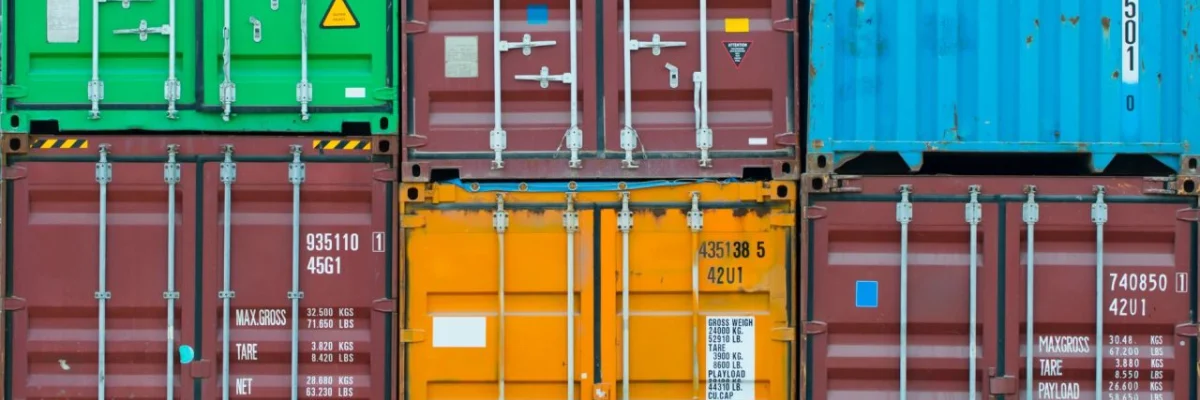
Modern ocean freight logistics require a precise balance of speed, cost efficiency, and reliable data management. Freight forwarders often struggle with fragmented communication channels and outdated manual entry processes that hinder performance in an increasingly volatile global market. Transitioning to a cloud-based software platform allows businesses to consolidate complex shipping workflows into a single interface. By leveraging real-time insights and automated documentation, forwarders can significantly reduce administrative overhead while improving service quality for their clients. Embracing digital transformation is no longer a luxury but a fundamental necessity for staying competitive and scalable in the fast-paced international shipping industry.
Enhancing Visibility Through Technology
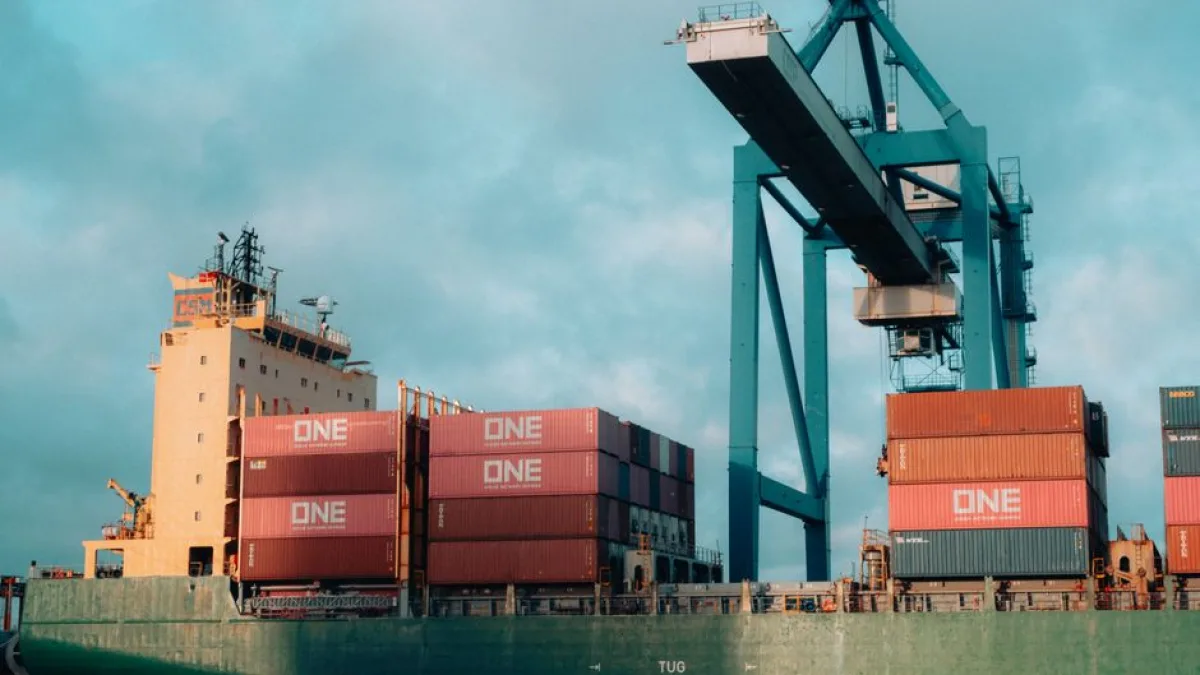
Real-time tracking provides a clear window into the entire shipping lifecycle, ensuring that stakeholders stay informed about vessel status and potential delays. Modern visibility tools transform opaque supply chains into transparent networks that empower better decision-making for every participant.
- Integrated Tracking Systems: Automated notifications deliver precise updates regarding container location and estimated arrival times directly to your dashboard to minimize manual follow-up efforts with ocean carriers.
- Predictive Delay Alerts: Advanced analytics software identifies potential congestion points at major ports, allowing your operations team to proactively reroute shipments and avoid costly demurrage fees.
- Data Synchronization Tools: Ensure that every department has access to identical shipment information by syncing documentation updates across your platform in real-time to prevent communication errors.
- Client Portal Access: Grant your customers secure login capabilities to track their own freight status, which drastically reduces the number of status requests handled by staff.
Adopting advanced visibility solutions allows your team to move away from reactive problem solving toward a more proactive management style. When information flows freely across your organization, you eliminate bottlenecks and improve the overall customer experience. By investing in these digital tools now, your freight forwarding business positions itself to handle higher volumes with increased accuracy and far greater operational confidence every single day.
Streamlining Documentation Workflows

Handling complex shipping documentation remains one of the most time-consuming tasks for logistics professionals. Automating these processes ensures that bills of lading, commercial invoices, and packing lists are handled with precision, reducing errors that often lead to expensive customs delays.
- Automated Form Filling: Extract essential data from existing shipment files to prepopulate shipping documents, which saves your team hours of manual entry work each week.
- Secure Cloud Storage: Maintain a centralized and organized digital repository for all historical shipping records, ensuring that every document is easily retrievable during customs audits.
- Collaborative Editing Features: Allow multiple team members to update or review shipping paperwork simultaneously within the platform, ensuring faster turnaround times for critical global shipments.
- Standardized Document Templates: Utilize customizable templates to ensure consistency across all your shipping labels and forms, which helps maintain professional branding and compliance across borders.
Reducing manual paperwork is essential for improving the speed and reliability of your logistics operations. When your staff is liberated from repetitive data entry tasks, they can focus their efforts on managing high-value relationships and optimizing complex routing strategies. Streamlined document management is the backbone of a high-performing freight forwarding firm that aims to scale operations without sacrificing internal quality standards.
Managing Carrier Relationships Effectively
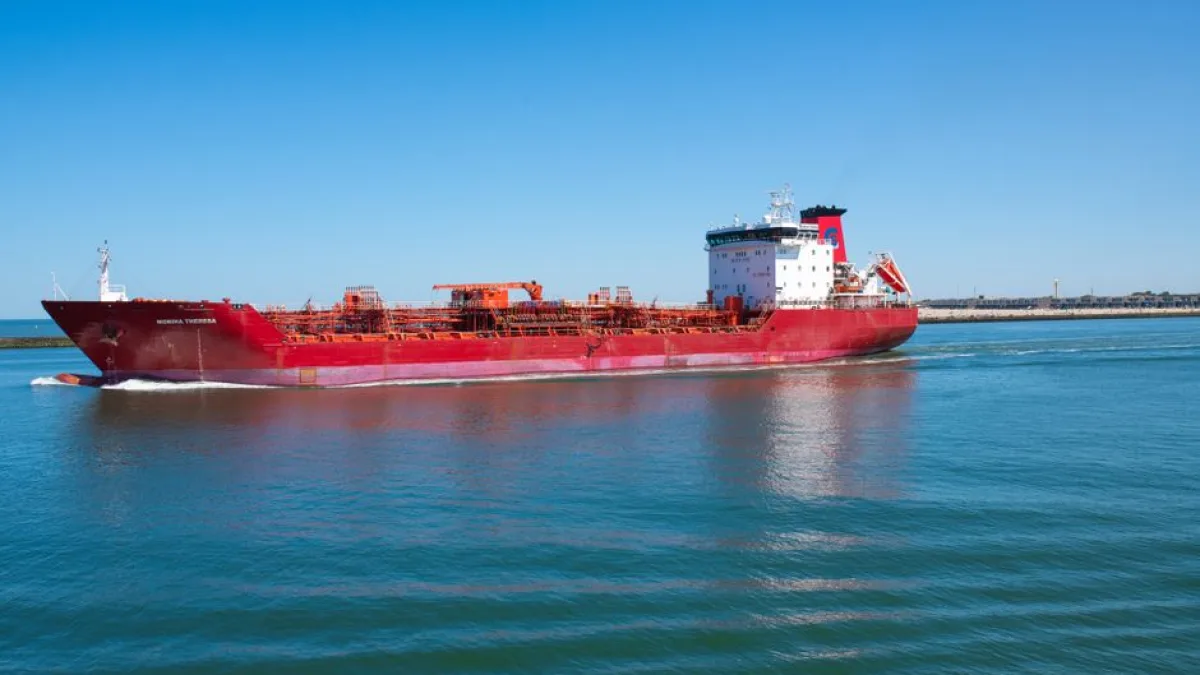
Strong partnerships with ocean carriers are vital for negotiating competitive rates and securing space during peak shipping seasons. Building these professional connections requires a data-driven approach, where performance metrics support your negotiations and help you secure the best shipping outcomes.
- Performance Analytics Dashboards: Evaluate carrier reliability by tracking transit times and on-time performance metrics, allowing you to favor partners who consistently meet your service level requirements.
- Rate Benchmarking Tools: Compare quotes from multiple carriers side-by-side to ensure that your pricing strategies remain competitive while maintaining healthy profit margins on every single booking.
- Digital Contract Management: Keep all carrier agreements and service contracts in an easy-to-search digital library to ensure your team always accesses the most current terms.
- Direct Communication Channels: Streamline your interactions with carrier representatives by using built-in messaging tools that associate communication logs directly with specific shipping files for clarity.
Successful carrier management relies on transparency and consistent performance tracking. By digitizing your negotiation process and maintaining a clear record of carrier interactions, you gain a significant advantage in the marketplace. Forwarders who utilize modern software to manage these essential partnerships are better equipped to navigate market fluctuations and provide their clients with the most reliable shipping solutions available today.
Ensuring Regulatory Compliance

Navigating the complex landscape of international trade regulations requires constant vigilance and updated software. Keeping your operations fully compliant prevents heavy fines and border inspections that can jeopardize your reputation and disrupt the entire supply chain for your valued customers.
- Automated Regulatory Updates: Receive timely alerts regarding changing international trade laws or port-specific requirements to ensure that your shipping procedures always adhere to global standards.
- Compliance Audit Logs: Maintain a detailed history of all document modifications and submissions, providing a transparent trail that is essential for passing rigorous internal or government audits.
- Restricted Party Screening: Automatically check shipping manifests against global watchlists to ensure your shipments comply with international export controls and security protocols at all times.
- Error Detection Software: Utilize automated validation checks that flag missing data fields or incorrect information before documents are submitted to customs authorities for final processing.
Regulatory compliance is a critical component of maintaining operational integrity in the ocean freight industry. With an automated system in place, your team can catch potential issues before they escalate into serious problems at the port of entry. Investing in robust compliance features not only protects your firm from legal risks but also enhances your credibility as a trusted logistics partner worldwide.
Conclusion
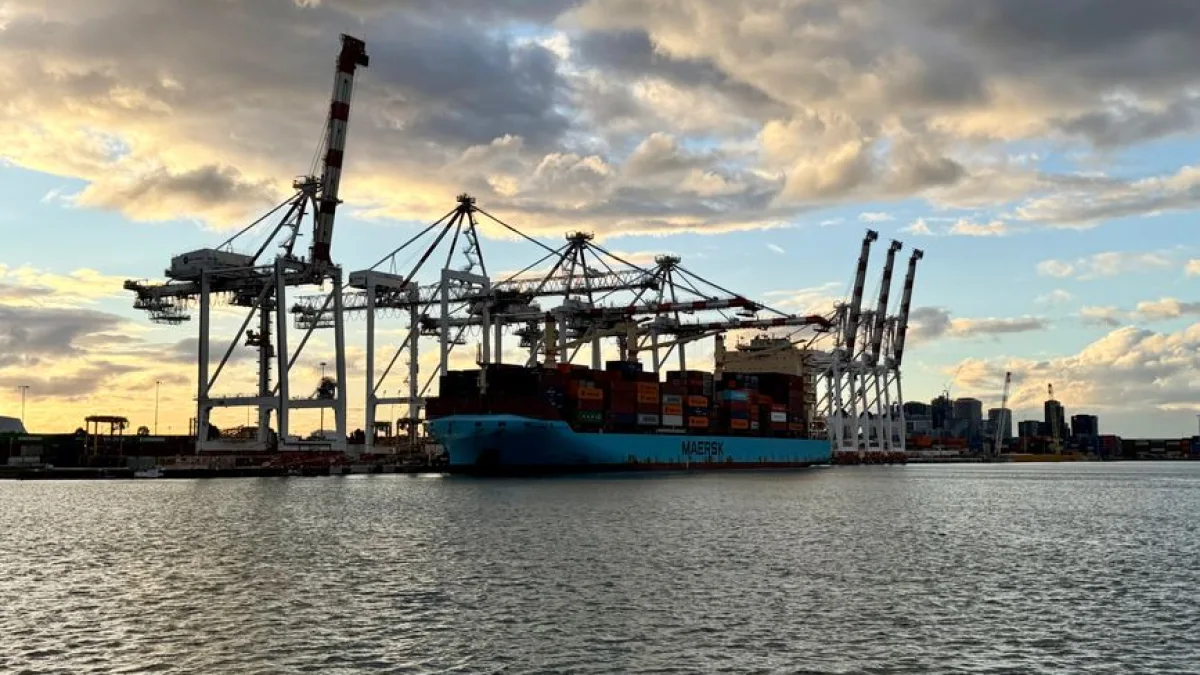
Mastering ocean freight logistics requires a strategic commitment to digital integration and operational excellence. By focusing on visibility, document automation, carrier management, and regulatory compliance, your firm can effectively overcome common industry hurdles. Implementing these technologies is the most reliable way to increase productivity and maintain a competitive edge. Contact our team at MakeCargo today to learn how our software simplifies your daily operations.