Optimizing Ocean Freight Operations in the Modern Era
Friday, August 21 2026
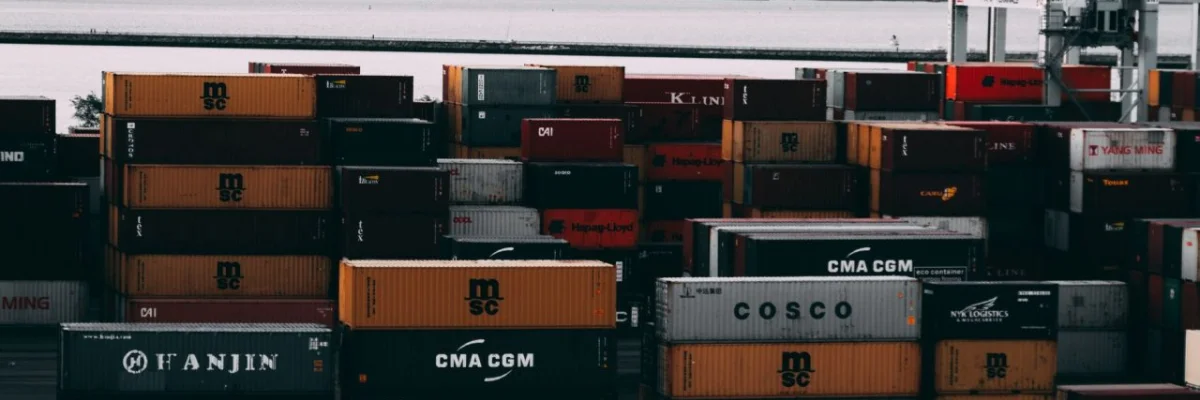
The global shipping landscape is evolving at a breakneck speed, forcing freight forwarders to re-evaluate their operational workflows to remain competitive. As supply chain complexities mount, the reliance on manual spreadsheets and disconnected communication channels is no longer sustainable for modern logistics businesses. To thrive, professionals must embrace digital transformation, leveraging cloud-based platforms to enhance visibility and efficiency across the entire container lifecycle. This article explores essential strategies for streamlining your maritime operations, improving document management, and fostering better collaboration with carriers, ultimately ensuring that your business delivers consistent value to customers in an increasingly volatile and demanding global market.
Modernizing Documentation Workflows

Efficient documentation is the backbone of successful ocean freight operations, yet many firms still struggle with outdated paper-based systems. By digitizing your bills of lading and commercial invoices, you reduce processing times and minimize the risk of costly clerical errors.
- Automated Data Entry: Implement software solutions that automatically extract information from shipping documents to eliminate repetitive manual typing tasks that often lead to data discrepancies and delays for international shipments.
- Centralized Document Repository: Maintain a secure cloud-based portal where all stakeholders can access the latest versions of critical shipping documents in real-time to avoid confusion during the transit process.
- Standardized Filing Systems: Create a uniform digital folder structure across your organization to ensure that every team member can retrieve essential files quickly without wasting valuable operational work hours.
- Electronic Signature Integration: Utilize digital signature tools to expedite the approval process for clearance documents, significantly reducing the turnaround time required to get containers released at the destination port.
Digital document management systems act as a catalyst for growth by removing bottlenecks that slow down your team. When administrative tasks are handled with precision through automated tools, your staff can shift their focus toward strategic client management and business development. Embracing these technologies is not just an upgrade to your existing processes but a necessary pivot to ensure long-term sustainability in the competitive freight market.
Enhancing Real Time Visibility
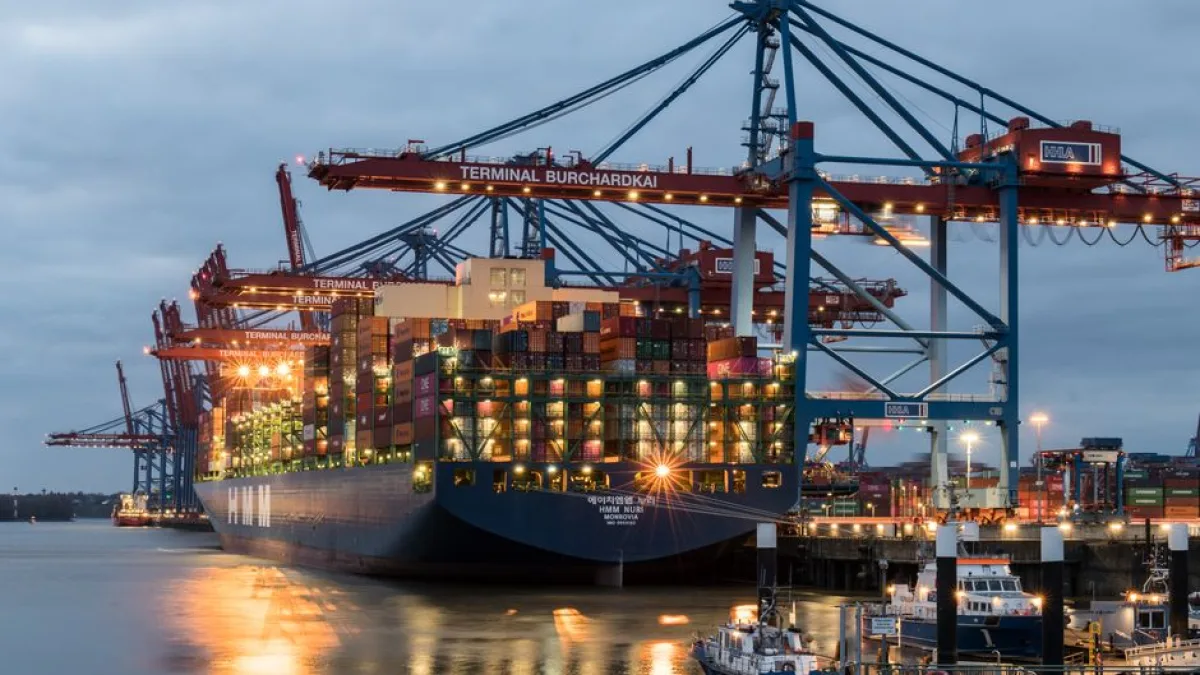
Clients today expect instant updates on the location and status of their shipments throughout the entire voyage. Providing this transparency through automated tracking systems is no longer a luxury but a fundamental requirement for maintaining strong relationships with your shipping customers.
- Integrated Tracking APIs: Connect your software directly with carrier systems to pull live status updates into your dashboard, providing accurate data without needing to contact steamship lines directly.
- Proactive Exception Alerts: Configure your platform to trigger automated notifications whenever a delay occurs, allowing your team to inform clients and propose solutions before issues escalate further.
- Interactive Customer Dashboards: Provide clients with a secure portal where they can monitor their shipments and download necessary reports independently, reducing the need for constant phone inquiries.
- Multimodal Shipment Visibility: Ensure that your tracking systems cover every leg of the journey, including drayage and inland rail movements, to provide a complete view of the cargo status.
Visibility serves as the foundation for trust in the freight forwarding industry. When your clients have access to accurate information at their fingertips, their anxiety regarding transit delays decreases significantly. By investing in robust tracking technologies, you position your firm as a reliable partner capable of navigating the uncertainties of ocean freight while maintaining high standards of service throughout the global shipping process.
Streamlining Carrier Communications
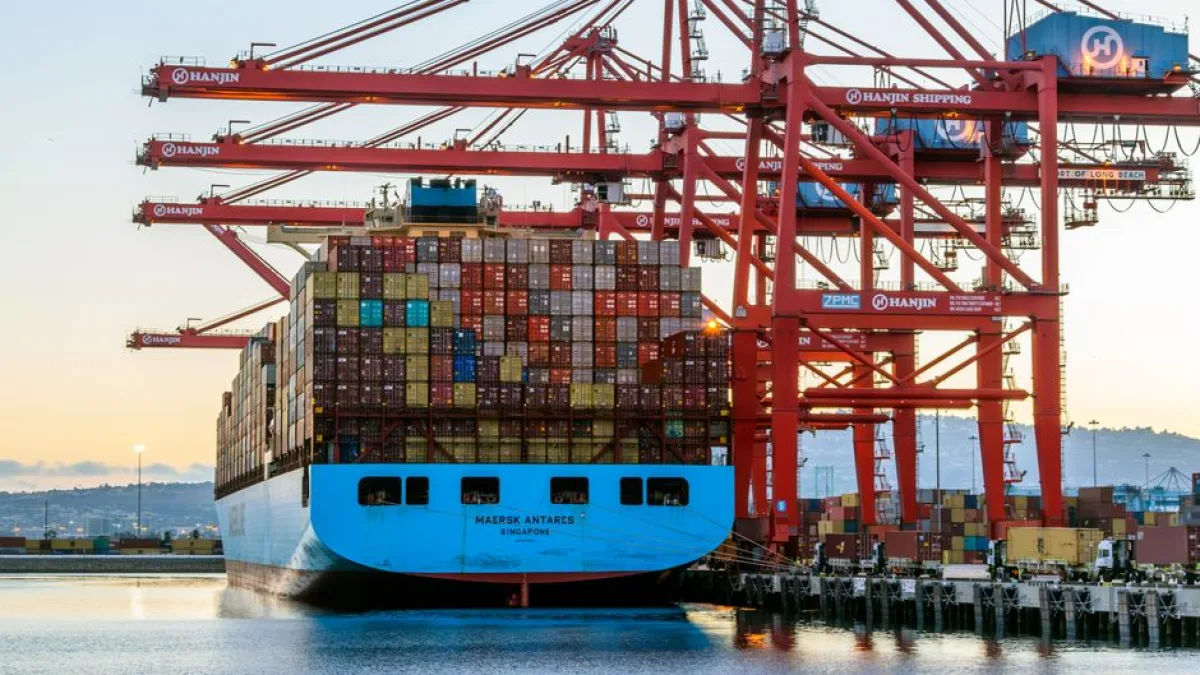
Maintaining seamless communication with carriers is essential for securing space and negotiating better rates. Disjointed emails and phone calls often result in missed opportunities and delayed shipments, so centralized communication platforms are vital for managing your shipping carrier relationships effectively.
- Unified Messaging Platforms: Use dedicated communication modules within your software to keep all discussions related to specific bookings in one place, preventing important details from getting lost in inboxes.
- Automated Booking Requests: Send standardized digital booking requests to carriers to ensure that your specifications are clearly communicated and that all necessary details are captured accurately every time.
- Performance Metric Tracking: Record carrier service levels within your platform to evaluate which partners offer the most reliable transit times and competitive pricing for your specific trade lanes.
- Instant Rate Updates: Sync your software with live carrier rate feeds to ensure that the quotes provided to your customers are always based on the most current pricing data.
Effective communication management reduces the noise that often disrupts busy operations teams. When you consolidate your interactions with shipping lines into a single, accessible system, you gain control over your booking pipeline. This improved organizational structure allows you to negotiate with confidence and secure better capacity, ensuring that your clients benefit from your superior ability to manage complex carrier networks and shipping schedules.
Scaling Through Cloud Automation

Automation is the engine that drives scalability in modern logistics. By moving your operations to a cloud-based freight platform, you unlock the ability to manage higher volumes of cargo without the need to proportionally increase your back office administrative headcount.
- Cloud Infrastructure Benefits: Access your shipping data from any location worldwide, allowing your remote or distributed teams to collaborate effectively while ensuring maximum security for sensitive operational information.
- Scalable Software Modules: Choose a modular platform that allows you to add features like customs brokerage or inland logistics as your business grows and your service requirements expand.
- Automated Billing Cycles: Simplify the invoicing process by linking shipping milestones to automated billing triggers, ensuring that your finance department receives accurate data for faster accounts receivable cycles.
- Data Driven Decision Making: Use built-in analytics tools to review your operational performance, identifying areas where you can optimize routes or improve profitability across your shipping lanes.
Scaling your business requires a shift away from manual interventions toward smart, automated workflows. Cloud-based solutions provide the flexibility needed to adapt to changing market conditions while keeping operational costs under control. As you transition to these modern systems, you create a scalable framework that supports long-term growth and positions your firm to tackle the complex challenges of the global ocean freight market.
Conclusion

Navigating the complexities of ocean freight demands a commitment to continuous improvement and digital adoption. By optimizing your documentation, enhancing visibility, streamlining communications, and embracing cloud automation, you build a resilient foundation for your forwarding business. Start integrating these modern solutions today to boost your operational efficiency and deliver superior service to your shipping customers, ensuring your firm stays ahead in the global logistics market.