Optimizing Ocean Freight Operations in the Digital Age
Saturday, August 22 2026
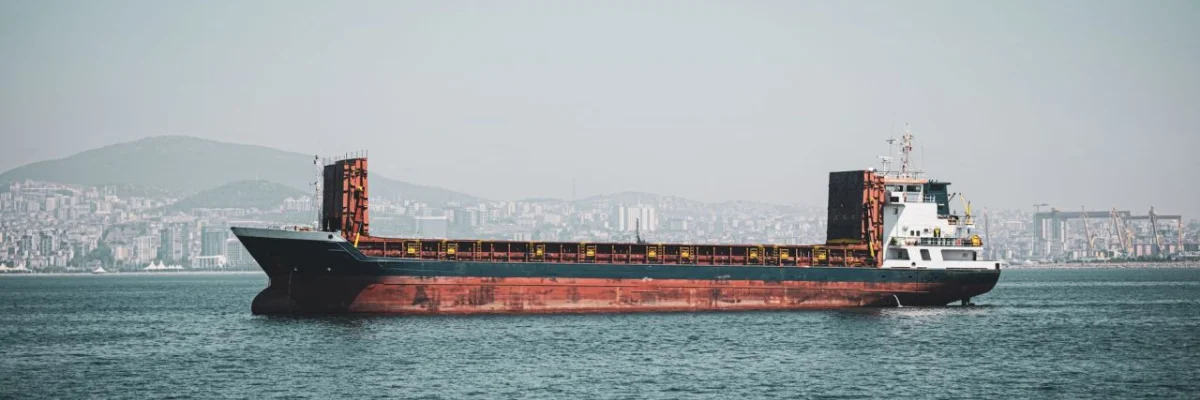
Navigating the complex landscape of global ocean freight requires more than just traditional logistics knowledge in today volatile shipping environment. Freight forwarders must now balance rising fuel costs, shifting port congestion, and evolving client expectations for transparency. Moving goods across international waters involves dozens of stakeholders, complex documentation, and fluctuating freight rates that demand immediate attention. By embracing cloud-based digital solutions, forwarders can gain real-time visibility into their supply chains while reducing manual data entry errors. This strategic shift is essential for companies looking to scale their operations, enhance customer service standards, and maintain a competitive edge in the modern logistics sector.
Modernizing Documentation Processes

Digital transformation starts with documentation as manual filing remains a significant bottleneck for most freight forwarders. Moving away from physical paperwork reduces the risk of data entry errors and speeds up the customs clearance process for your international shipping clients.
- Automated Data Capture: Leverage advanced software tools to automatically extract essential information from bills of lading and invoices, which eliminates the need for manual typing and reduces costly clerical mistakes.
- Cloud Document Storage: Maintain a centralized digital repository where all team members can access critical shipping records instantly, ensuring transparency and compliance across your entire organizational structure today.
- Integrated Customs Filing: Connect your freight management platform directly with customs authorities to transmit declarations electronically, saving valuable time and preventing potential delays at the arrival port.
- Encrypted Digital Signatures: Use secure electronic signature workflows to finalize contracts and authorization forms without waiting for physical couriers, which significantly accelerates the global supply chain lifecycle.
Adopting a paperless workflow does more than save trees; it creates a lean operation that responds faster to market changes. When your documents exist in the cloud, you eliminate the physical lag time that often plagues traditional forwarding firms. This transition allows your staff to focus on high-value problem solving rather than administrative burdens, ultimately improving both internal productivity and the overall client satisfaction experience.
Real-Time Cargo Tracking
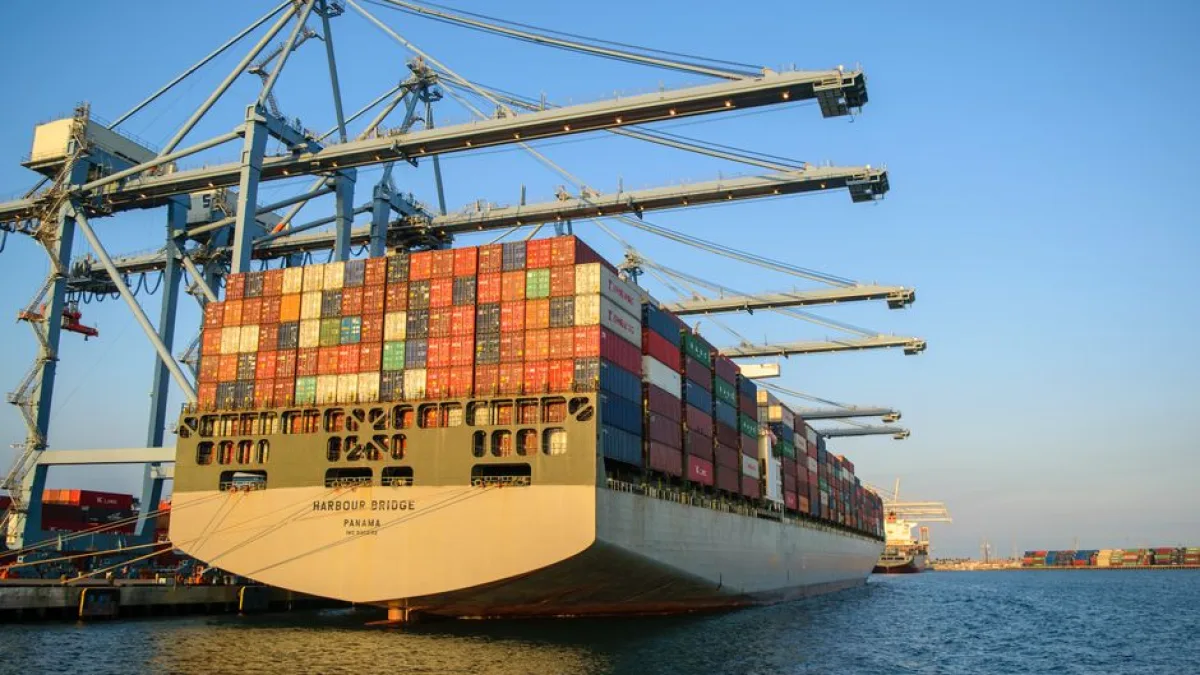
Visibility is the primary demand of shippers who need to know where their cargo is located at every stage of the journey. Modern tracking systems provide deep insights that allow forwarders to manage exceptions before they become major problems.
- GPS Monitoring Systems: Integrate real-time satellite data into your freight platform to provide customers with precise location updates, effectively reducing the number of manual inquiry calls and emails.
- Automated Status Alerts: Configure your software to trigger instant notifications for major milestones, such as vessel arrival or departure, which keeps your clients informed without additional effort.
- Exception Management Dashboards: Visualize potential shipping delays or port congestion through interactive maps that allow your team to proactively suggest alternative routes or carriers to your clients.
- Client Facing Portals: Offer your shipping partners a dedicated web interface where they can view their shipment status independently, providing them with the professional transparency they deserve.
Providing real-time tracking is no longer a luxury but a fundamental necessity for maintaining long term partnerships with your clients. By giving shippers a clear view of their containers in transit, you build trust and differentiate your brand from competitors who rely on delayed status updates. This proactive communication strategy transforms the customer experience, making your freight forwarding services feel reliable and highly professional.
Managing Freight Rate Volatility

Market fluctuations in ocean freight rates make it difficult to maintain healthy profit margins without a data-driven approach. Managing pricing requires accurate historical data and the ability to compare carrier options quickly to find the best market rates.
- Dynamic Rate Management: Utilize integrated software to pull current carrier pricing directly into your quotes, which ensures that you always provide accurate estimates based on real market data.
- Carrier Performance Analysis: Track historical rate trends across different carriers to identify which partners provide the best value and reliability for specific trade lanes over time.
- Automated Margin Calculations: Configure your system to apply specific markup rules automatically to every quote, ensuring that you consistently cover your overhead while remaining competitive for clients.
- Instant Quote Generation: Empower your sales team to create professional quotes within minutes by leveraging stored rate tables, which helps you win more business through faster response.
Volatility is an inherent part of the shipping industry, but it does not have to compromise your profitability. By centralizing your rate management, you remove the guesswork from your sales process and enable your team to react swiftly to price changes. This agility ensures that your business remains profitable even when market conditions shift rapidly, protecting your bottom line while keeping your clients happy.
Streamlining Carrier Communications
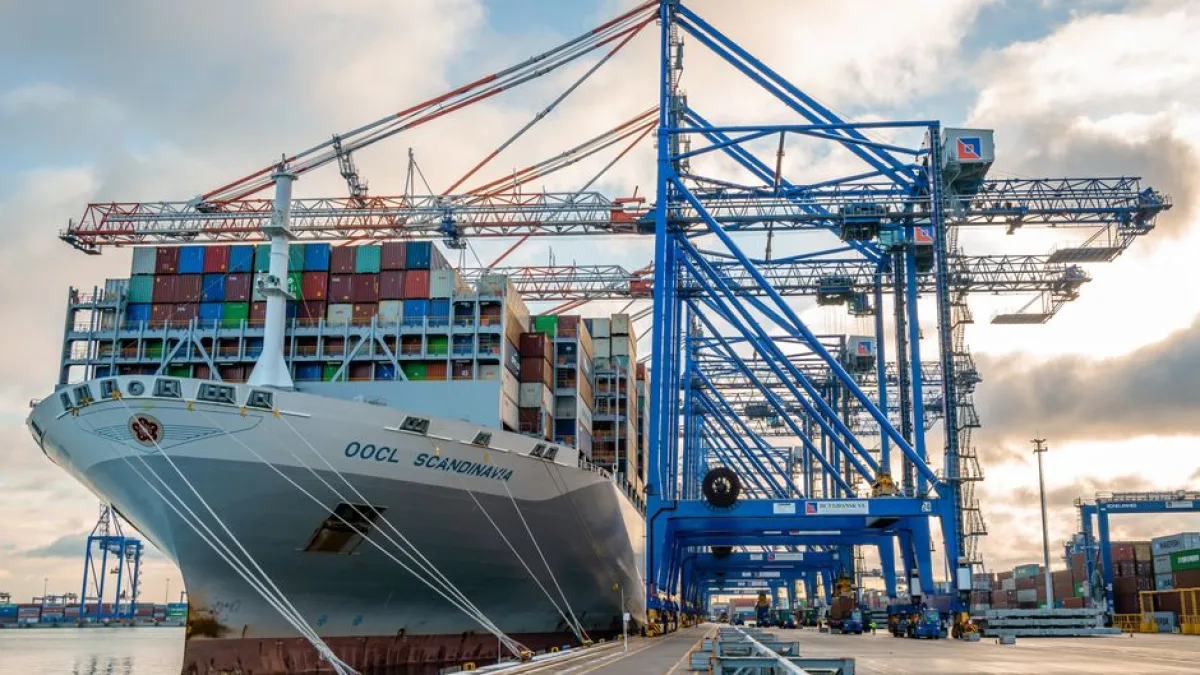
Effective collaboration with shipping lines and third party agents is the glue that holds global freight forwarding together. Improving these communication channels ensures that instructions are clear, errors are minimal, and the entire shipping process remains efficient throughout.
- Integrated Messaging Tools: Use built-in communication modules within your software to attach specific shipping instructions to every file, ensuring that all partners see the same critical project data.
- Automated Milestone Tracking: Set up automated triggers that notify carriers or agents when specific documentation or cargo actions are required, which minimizes manual coordination and reduces process delays.
- Centralized Partner Profiles: Maintain comprehensive databases for all shipping lines and agents, including their contact details, performance ratings, and standard service agreements for quick team reference purposes.
- Standardized Task Management: Assign specific responsibilities to your international agents through a digital task list, which prevents communication gaps and keeps every party accountable for their work.
Clear communication prevents the most common logistics failures that lead to lost time and increased costs. When everyone involved in the shipment uses a shared platform, the likelihood of misunderstandings drops significantly, leading to smoother handovers and better overall service. Building these digital bridges between your business and your partners is a long term investment that creates a more resilient and responsive logistics network.
Conclusion
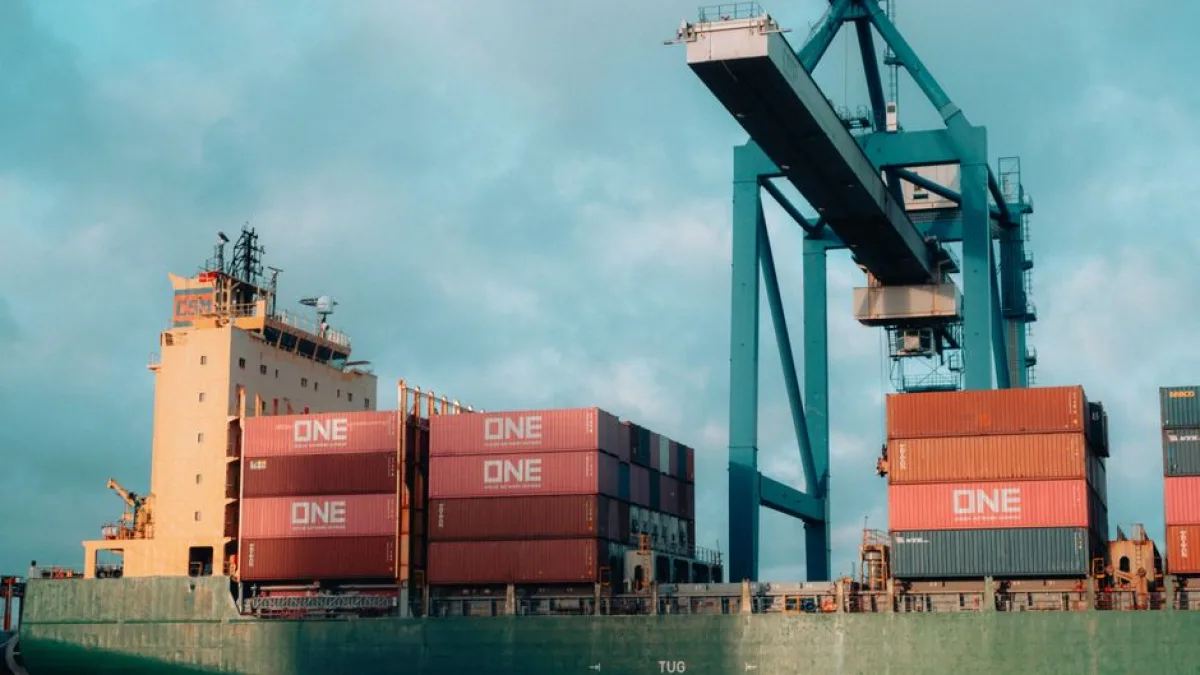
Modernizing your ocean freight operations is essential for staying competitive in a fast-paced market. By leveraging cloud-based platforms to handle documentation, tracking, pricing, and communication, you build a foundation for sustainable growth. Start small by automating one key process and expand from there to transform your firm into a digital leader. Your clients will appreciate the improved efficiency, and your team will thrive.