Optimizing Ocean Freight Operations in a Digital Era
Saturday, August 22 2026
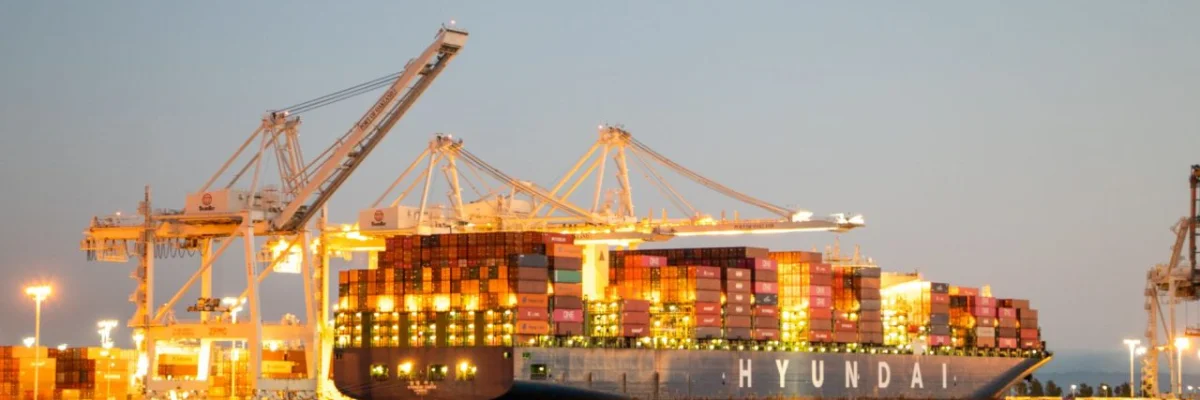
Modern ocean freight logistics faces unprecedented challenges as global supply chains become increasingly complex and volatile. For freight forwarders, the pressure to maintain margins while improving transparency for customers has never been higher. Transitioning from traditional manual workflows to digital platforms is no longer a luxury but a fundamental necessity for survival in a competitive market. By leveraging sophisticated software solutions, forwarders can automate tedious documentation, provide real-time shipment visibility, and foster better collaboration with carriers. This guide explores how embracing digital transformation empowers logistics professionals to navigate the high seas of modern international trade with increased confidence, efficiency, and scalability.
Leveraging Real-time Visibility
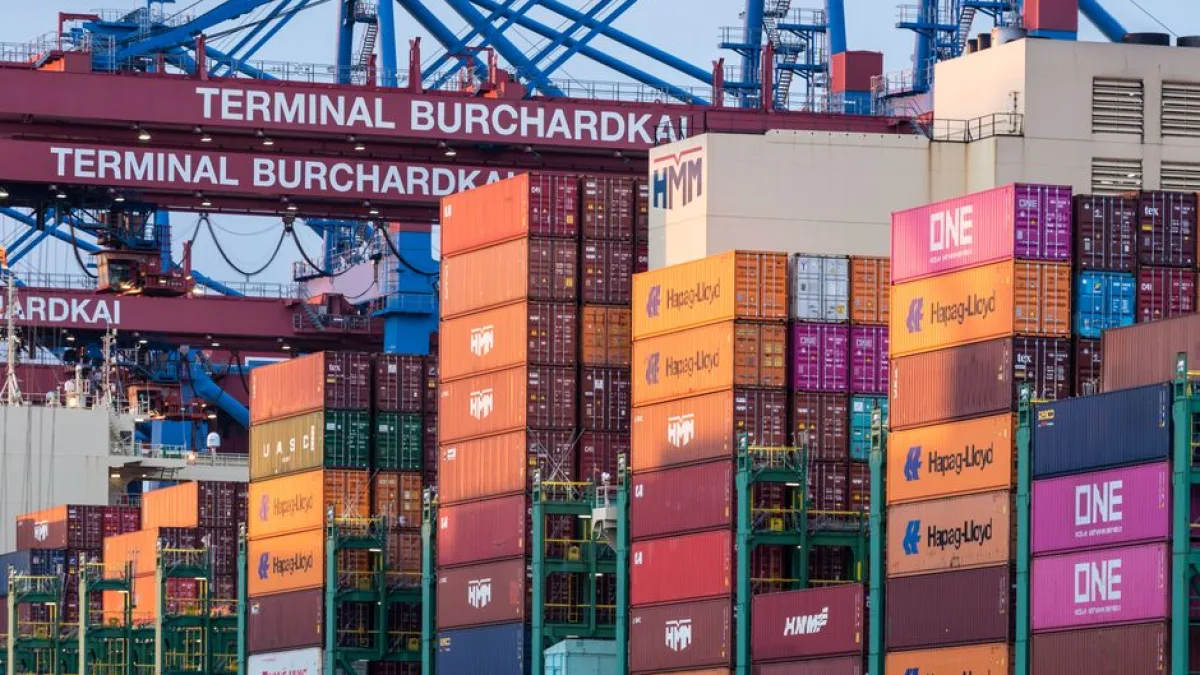
Digital visibility tools transform how forwarders track movement, allowing them to monitor vessels across the globe in real time. This constant flow of data minimizes the impact of unexpected delays and keeps every stakeholder informed throughout the entire shipment journey.
- Automated vessel tracking: Modern freight software automatically syncs with carrier APIs to provide live updates, effectively removing the need for manual status checks and reducing administrative labor for busy teams.
- Proactive delay alerts: Systems detect anomalies in arrival schedules early, allowing forwarders to communicate potential issues to clients immediately and provide alternative routing solutions before problems escalate into major crises.
- Centralized data access: Having all shipment milestones in one unified dashboard eliminates information silos, ensuring that your team can provide accurate answers to customers without digging through endless email threads.
- Enhanced client trust: Offering live portals where clients can track their own cargo fosters deeper relationships and professional credibility, proving your commitment to transparency and modern, high-quality service standards.
Adopting advanced tracking capabilities allows your business to move beyond reactive fire fighting. By anticipating disruptions, you position your firm as a strategic partner rather than just a service provider. This transition stabilizes your operations and helps build a reputation for reliability that attracts larger shipping accounts. Investing in these digital tools creates a foundation for consistent growth and long-term customer retention within the industry.
Automating Documentation Workflows

Manual document processing often creates significant bottlenecks that slow down your shipping operations and increase the risk of costly clerical errors. Automating these repetitive tasks ensures faster processing times and significantly improves the overall accuracy of your logistics documentation.
- Template based generation: Automated systems generate bills of lading and commercial invoices using existing shipment data, which drastically reduces the hours spent on repetitive manual entry and formatting tasks.
- Digital signature integration: Secure electronic signature tools expedite the approval process, enabling documents to be signed and returned instantly without relying on physical couriers or slow, outdated email attachments.
- Version control systems: Automated software maintains a clear history of all document edits, preventing team members from using outdated files and ensuring compliance with strict customs and international regulations.
- Error reduction algorithms: Built-in validation checks automatically flag missing fields or data discrepancies, ensuring that your paperwork is compliant before it ever reaches the authorities or terminal operators.
Streamlined documentation saves your staff significant time, allowing them to focus on high value tasks like relationship management and business development. By removing manual burdens, you reduce stress and error rates, leading to more efficient operations across your global network. This focus on automation represents a competitive edge that simplifies your internal workflows and results in faster billing and cash flow cycles.
Strengthening Carrier Partnerships

Building strong digital connections with shipping lines is essential for modern freight forwarders who want to secure capacity and negotiate better rates. Seamless electronic communication fosters better alignment and ensures that your space allocations remain prioritized during peak periods.
- Direct carrier API: Integrating your software directly with carrier APIs allows for instant rate quoting and space booking, which effectively eliminates the delays inherent in traditional legacy communication methods.
- Collaborative communication channels: Dedicated digital messaging tools within your freight platform provide a single source of truth for communications, keeping carrier partners aligned on specific shipment requirements and special instructions.
- Performance analytics tracking: Detailed reporting features enable you to analyze carrier performance over time, giving you the necessary leverage to negotiate better service agreements during your next contract cycle.
- Scalable booking management: Digital platforms allow your team to manage large volumes of bookings simultaneously, scaling your efforts without needing to increase headcount even during the busiest shipping seasons.
Stronger carrier relationships translate into better service levels for your clients and more favorable terms for your agency. When you utilize data to manage these partnerships, you move from simple transactional interactions to meaningful strategic collaborations. This level of professional alignment ensures that your operations remain resilient, helping you navigate market fluctuations and capacity shortages with greater agility and confidence than ever before.
Enhancing Customer Experience

In an age where digital convenience is expected, providing a superior online experience for your shippers is the ultimate differentiator. Giving clients full control over their shipping data encourages loyalty and simplifies the collaboration process for your most important accounts.
- Self service client portals: Dedicated customer portals allow shippers to retrieve quotes, book shipments, and download invoices independently, significantly reducing the support load on your customer service representatives every day.
- Customizable reporting dashboards: Personalized dashboards give clients access to the specific data they care about most, including transit times, costs, and carbon footprint metrics, adding value to every interaction.
- Integrated communication tools: In-platform chat and comment sections keep all conversations linked to specific shipments, ensuring that client inquiries are addressed quickly and that no detail is ever forgotten.
- Digital document repository: Cloud storage provides clients with 24/7 access to their historical shipment documents, which helps them stay organized and makes your company a vital part of their workflow.
Exceptional service is the most effective way to protect your margins and grow your business. When clients enjoy an easy digital interaction, they are far more likely to stay with you long term. By providing modern tools, you empower your customers while simultaneously streamlining your own internal processes, creating a mutually beneficial environment that promotes long-term business success and sustained financial growth.
Conclusion

Optimizing your ocean freight operations is an ongoing journey that requires the right digital tools and a commitment to innovation. By focusing on visibility, automation, and stronger partnerships, you position your firm to thrive in an increasingly complex global marketplace. Start your transformation today to ensure your freight forwarding business remains competitive and profitable for years to come with the right cloud software.