Optimizing Ocean Freight Operations in a Digital Era
Saturday, August 22 2026

The global shipping industry is undergoing a massive transformation as freight forwarders shift from manual processes to automated digital workflows. Balancing complex international regulations, fluctuating vessel capacities, and demanding client expectations requires more than just traditional knowledge; it necessitates robust software solutions that provide real-time visibility. By embracing cloud-based logistics platforms, companies can streamline their operational flow, reduce human errors, and significantly improve their competitive edge in a crowded market. This article explores how modern tools and strategic practices enable forwarders to manage ocean shipments with greater precision while lowering overhead costs and increasing overall customer satisfaction levels.
Modernizing Documentation Processes

Transitioning away from paper-based documentation is a critical step for modern logistics companies seeking to eliminate delays. Digital portals allow for instant data entry, automated validation, and secure storage, ensuring that every shipment file remains accurate and accessible for global audits.
- Automated Bill Creation: Generate accurate bills of lading instantly by pulling shipment data directly from client inputs, reducing manual entry errors and speeding up the overall documentation cycle for teams.
- Digital Document Storage: Maintain a centralized cloud repository where all shipping documents are encrypted and searchable, allowing staff to retrieve critical information within seconds rather than hunting through folders.
- Compliance Tracking Tools: Integrate real-time regulatory updates into your workflow to ensure all customs filings meet current international standards, thereby preventing costly legal penalties or unexpected cargo shipment delays.
- Client Portal Access: Provide your customers with a secure dashboard where they can download invoices and shipping certificates, reducing the administrative burden on your staff for daily routine requests.
Digital transformation reduces the time spent on repetitive tasks by roughly forty percent in most active freight organizations. By automating standard document handling, teams can focus their energy on high-value client relations and complex problem solving. This shift not only lowers operational costs but also builds a reputation for reliability that keeps your business at the forefront of the industry for long-term growth.
Real-time Cargo Visibility
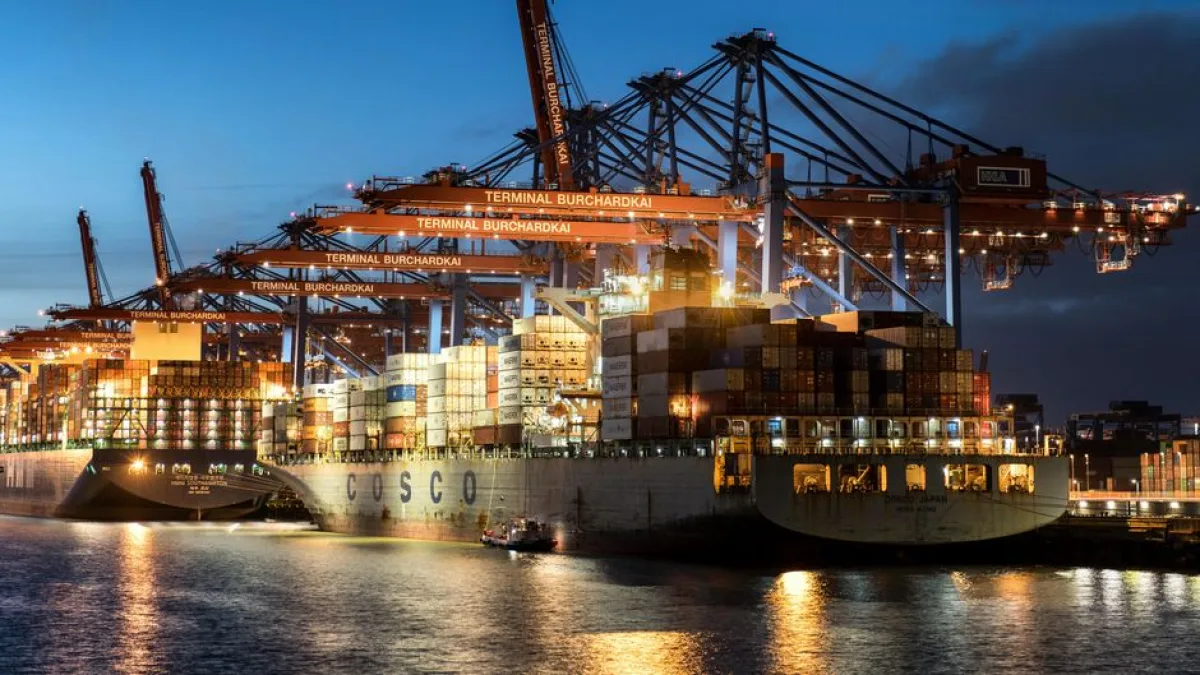
Knowing the exact location of goods in transit is no longer a luxury but a fundamental customer requirement. Leveraging satellite tracking and API integrations provides your team with live updates, allowing for proactive communication regarding potential delays or schedule changes.
- Live Vessel Tracking: Utilize integrated mapping systems to monitor carrier vessel movements in real time, enabling your staff to anticipate arrivals and prepare warehouse resources well in advance accordingly.
- Exception Management Alerts: Receive automated notifications when cargo deviates from the expected route, allowing you to provide proactive solutions to your clients before they ever feel any negative impact.
- Carrier API Integration: Sync your software directly with major shipping lines to receive status updates automatically, which removes the need for manual status checks across multiple different websites.
- Automated Client Updates: Set up triggered email notifications that automatically inform your customers about status milestones, which significantly improves trust and reduces the volume of inbound status inquiries.
Providing total transparency changes how clients perceive your service quality and overall commitment to excellence. When you provide accurate information quickly, clients feel more secure about their supply chain risks. This level of clarity helps forwarders differentiate themselves from competitors who still rely on delayed reporting, ultimately securing long-term contracts and fostering deep loyalty within your existing base of regional and global partners.
Optimizing Carrier Selection
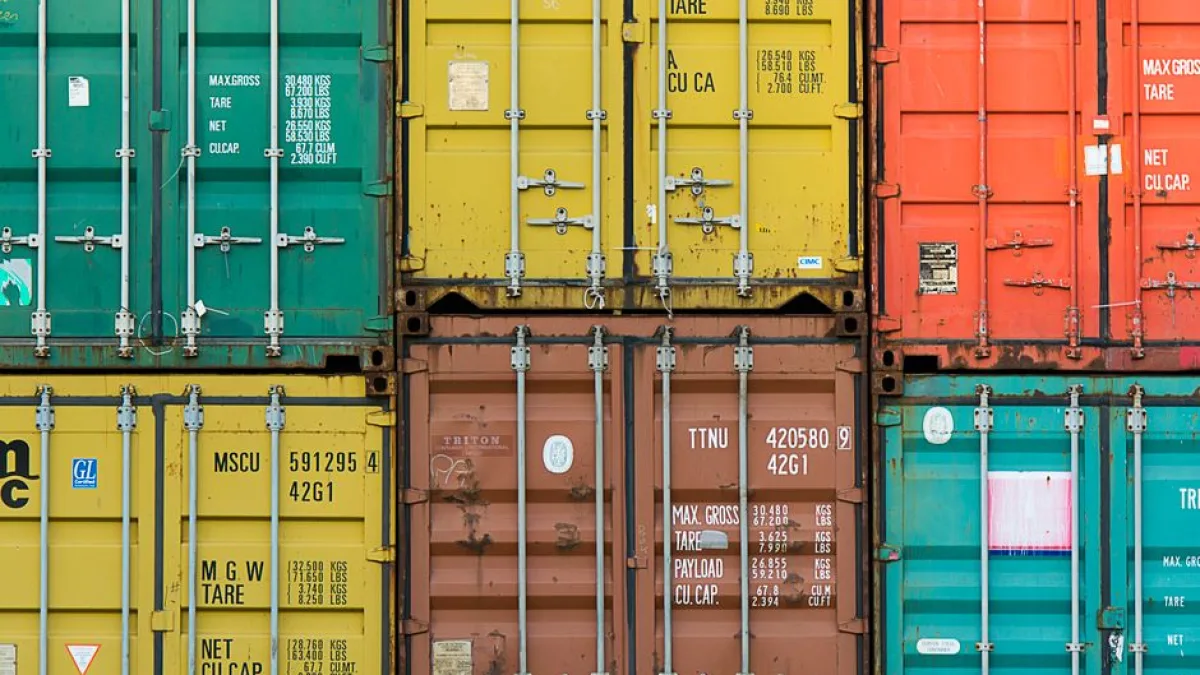
Choosing the right carrier involves more than comparing rates; it requires balancing speed, reliability, and service quality. Software solutions help you analyze historical carrier performance data to ensure you make the most cost-effective decisions for every shipment you handle.
- Performance Analytics Dashboards: Analyze historical carrier data to identify which shipping lines offer the best transit times and reliability, ensuring you always select the best partner for cargo.
- Automated Rate Comparison: Use dynamic calculators to compare spot rates and contract pricing across multiple carriers, allowing you to secure the most competitive shipping costs for clients.
- Route Efficiency Analysis: Evaluate different port pairings to find the most efficient routing options, which helps minimize travel time and lowers overall fuel surcharges for your valued clients.
- Historical Cost Tracking: Keep detailed records of carrier expenses over time to identify emerging price trends, which enables smarter contract negotiations for your future business shipping requirements.
Data-driven decisions turn logistics into a strategic advantage rather than a simple operational expense. By evaluating carrier performance through metrics, your team can eliminate underperforming partners and negotiate better terms based on concrete evidence. This methodical approach ensures that your profit margins remain protected while you continue to provide high-quality shipping solutions to your customers, regardless of global market volatility and fluctuations.
Streamlining Financial Management

Financial health depends on accurate invoicing and efficient cash flow management. Integrating billing systems with your freight software ensures that every cost is captured, billed correctly, and reconciled without the typical delays associated with manual accounting cycles.
- Integrated Billing Modules: Generate invoices automatically as soon as milestones are reached, ensuring that your company gets paid faster by reducing the time between service delivery and billing.
- Automatic Currency Conversion: Handle international payments with ease by using built-in conversion tools, which accurately reflect fluctuating global exchange rates on all your invoices and outgoing payments.
- Expense Tracking Automation: Capture every carrier cost and local handling fee within the system to ensure nothing is missed, protecting your bottom line and preventing revenue leakage.
- Automated Reconciliation Tools: Match bank deposits to outstanding invoices instantly, which simplifies your accounting workload and provides a clear picture of your cash flow status at all times.
Robust financial management is the backbone of any successful freight forwarding operation today. By removing the friction from your billing and payment collection processes, you ensure the business has the capital needed to grow and invest in new technology. This stability allows you to focus on strategic expansion and customer acquisition rather than worrying about the fine details of manual accounting spreadsheets.
Conclusion

Optimizing your ocean freight operations requires a commitment to digital tools that enhance transparency, efficiency, and financial accuracy. By moving away from legacy manual systems, freight forwarders can provide superior service while simultaneously reducing internal overhead costs. Start evaluating your current software capabilities today to ensure your team remains competitive, agile, and ready to meet the evolving demands of the global logistics market and your clients.