Optimizing Ocean Freight Operations for Modern Logistics
Sunday, August 23 2026

The global maritime industry remains the backbone of international trade, yet freight forwarders face increasing complexity due to volatile capacity shifts and rising operational costs. Navigating the modern ocean freight landscape requires more than just industry experience; it demands a strategic shift toward digital transformation and real-time data integration. By leveraging cloud-based platforms, forwarders can gain unprecedented visibility into their supply chains while reducing manual administrative burdens. As the industry moves toward greater transparency, companies that adopt these technological advancements will find themselves better equipped to handle disruptions, improve customer satisfaction, and maintain a competitive edge in a crowded global logistics market.
Navigating Container Port Logistics
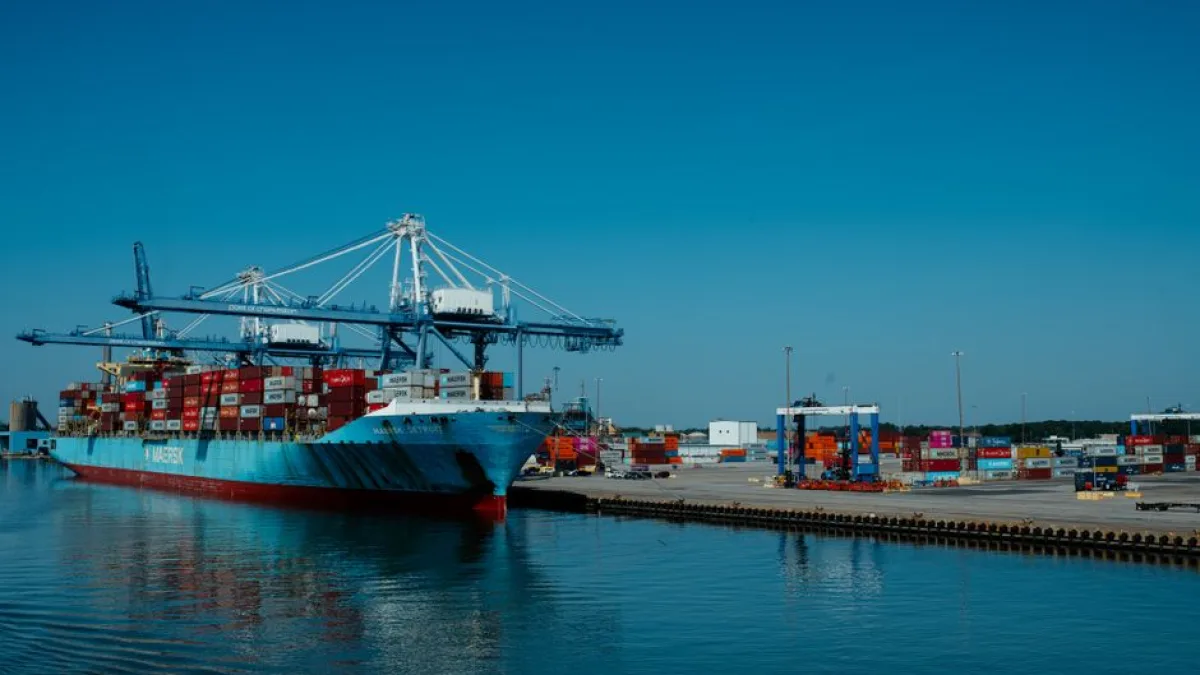
Efficient management of container movements at busy ports is the cornerstone of successful ocean logistics. Forwarders must coordinate seamlessly with terminal operators to ensure that shipments are loaded and discharged without unnecessary delays or incurring heavy demurrage costs for clients.
- Automated Tracking Systems: Real-time integration with carrier portals ensures that all stakeholders receive instant updates regarding container status throughout the entire journey from origin to the final destination port.
- Demurrage Risk Management: Advanced software alerts teams to approaching free-time deadlines, allowing forwarders to proactively manage document clearance and container pick-up to avoid expensive daily penalty fees for shippers.
- Port Congestion Monitoring: Accessing live data feeds regarding port throughput allows logistics professionals to pivot routing strategies before shipments get trapped in long-term vessel congestion at major hubs.
- Optimized Slot Booking: Digital booking tools enable forwarders to secure vessel space faster, ensuring that cargo moves according to the original schedule despite fluctuating global shipping demand levels.
By prioritizing visibility, forwarders can transform port operations from a chaotic bottleneck into a streamlined asset. Utilizing software to track each container move eliminates uncertainty, providing clients with precise information that builds long-term trust. When every stage of the transit is accounted for, the risk of miscommunication decreases significantly, leading to smoother handovers and higher performance metrics across your entire international logistics network.
Managing Complex Freight Documentation

The sheer volume of paperwork involved in ocean freight can paralyze traditional manual workflows. Streamlining the generation, filing, and sharing of bills of lading and customs declarations is essential for maintaining compliance and accelerating the overall velocity of your cargo transit.
- Standardized Document Templates: Pre-configured templates minimize human error during data entry, ensuring that all international shipping documents meet regulatory standards and avoid costly delays at the customs border.
- Cloud-Based File Storage: Secure digital repositories allow multiple global offices to access necessary documents simultaneously, facilitating faster collaboration and reducing the time spent searching through physical email chains.
- Automated Compliance Checks: Integrated software solutions scan documentation against current international trade regulations, highlighting potential discrepancies before they cause significant shipping hold-ups during the critical customs clearing process.
- Paperless Workflow Adoption: Transitioning to electronic bills of lading reduces physical courier costs while increasing the speed of title transfer, which ultimately helps importers receive their cargo shipments faster.
Adopting a digital-first approach to documentation is no longer optional in this fast-paced industry. Forwarders who automate these manual tasks free up their teams to focus on high-value client relationships and strategic growth initiatives. By reducing the reliance on legacy paper processes, businesses can achieve higher accuracy levels and improved operational compliance, effectively mitigating the risks associated with global trade and regulatory oversight.
Strategic Carrier Relationship Management
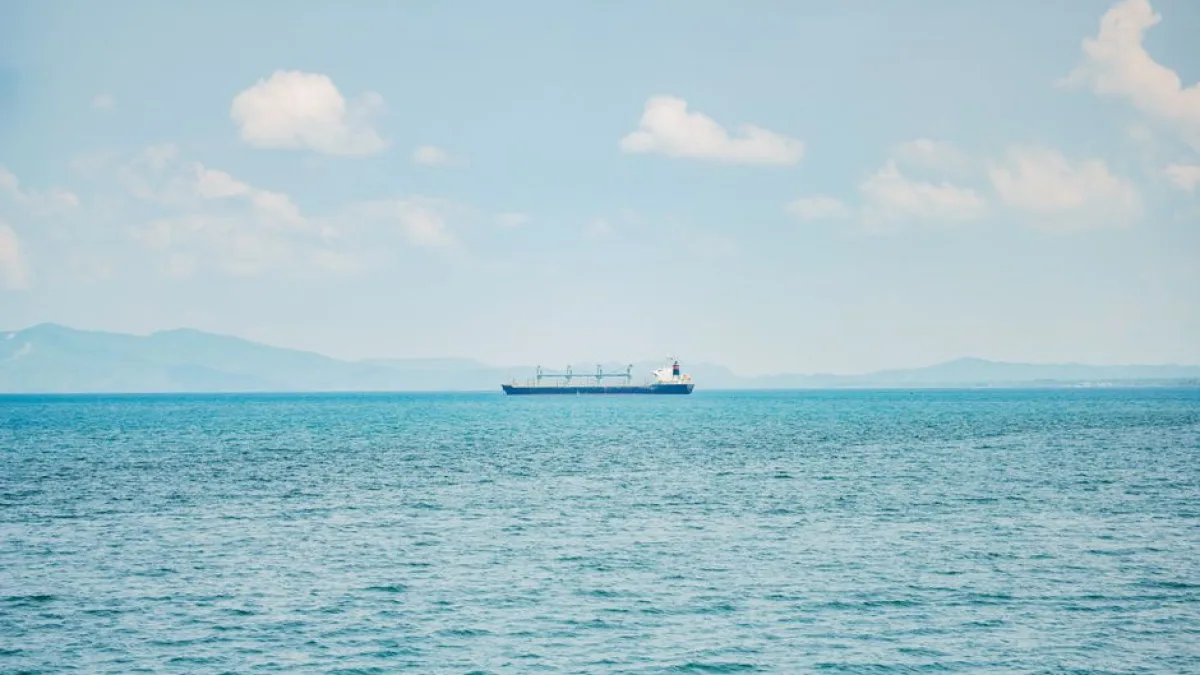
Building strong partnerships with shipping lines is vital for securing favorable rates and reliable capacity. Effective communication combined with performance data allows freight forwarders to negotiate better terms and ensure priority handling for their high-value cargo shipments during peak times.
- Performance Benchmarking Data: Analyzing historical carrier performance helps forwarders identify the most reliable shipping lines, allowing for data-driven decisions when selecting partners for critical long-term shipping contracts.
- Negotiation Strategy Planning: Preparing comprehensive cargo volume reports enables forwarders to present strong cases for discounted rates, ensuring that their clients benefit from the most competitive pricing structures available.
- Conflict Resolution Frameworks: Maintaining clear communication channels with carrier account managers provides a safety net when unexpected space shortages or equipment imbalances threaten to derail your scheduled cargo movements.
- Strategic Volume Allocation: Smart distribution of shipments across multiple carriers prevents over-reliance on a single provider, thereby spreading the risk during periods of intense market instability or strikes.
Long-term success in ocean freight depends heavily on the strength of your carrier alliances. When forwarders treat carriers as strategic partners rather than simple service providers, they unlock greater flexibility and resilience. By leveraging detailed performance data, you position your firm as a preferred customer, gaining better access to capacity and support when shipping markets tighten and others struggle to find space.
Scaling Through Cloud Technology

Cloud-based platforms provide the scalability needed to handle expanding cargo volumes without proportional increases in overhead costs. These systems act as a centralized nervous system for your logistics operations, connecting teams, partners, and clients within a single source of truth.
- Centralized Team Collaboration: Unified digital dashboards allow employees across various time zones to monitor shipment progress, ensuring that client inquiries are handled promptly regardless of the local office location.
- Seamless Third-Party Integration: Robust API connections allow your freight platform to talk to accounting, CRM, and customs systems, creating an automated ecosystem that eliminates repetitive and inefficient data entry.
- Scalable Infrastructure Growth: Software that scales with your business needs allows you to handle seasonal surges in cargo volume without needing to invest in expensive hardware or additional IT support.
- Real-Time Financial Oversight: Automated billing and profit analysis tools provide instant insights into the profitability of every ocean shipment, helping management make informed decisions about future revenue targets.
Investing in scalable cloud technology is the most effective way to future-proof your freight forwarding business. These platforms not only optimize current workflows but also provide the analytical depth required to navigate future market shifts. By consolidating operations into a modern digital environment, you empower your staff to work more efficiently, ultimately driving higher margins and delivering superior service quality to your global clients.
Conclusion

Mastering ocean freight requires a commitment to digital modernization and strategic operational excellence. By focusing on data-driven decision-making, you can overcome industry complexities while delivering exceptional value to your shipping clients. Now is the time to audit your current manual processes and integrate advanced software solutions. Start optimizing your freight operations with MakeCargo today to ensure your firm remains agile and profitable in a changing market.