Optimizing Ocean Freight Operations in the Modern Era
Sunday, August 23 2026

Navigating the complexities of global maritime shipping requires precision, foresight, and a robust digital infrastructure to maintain a competitive advantage. As global trade volumes fluctuate, freight forwarders must move beyond manual processes to embrace cloud-based logistics platforms. Modern challenges such as container shortages, port congestion, and shifting carrier alliances demand real-time data visibility and agile decision-making capabilities. By integrating smart technology into daily workflows, businesses can enhance their service delivery while significantly reducing operational bottlenecks. This article explores essential strategies for forwarders aiming to streamline their ocean freight management and provide superior value to their customers in an increasingly volatile global market.
Digital Documentation Efficiency

Transitioning from paper-based systems to digital platforms is the most critical step for modern forwarders. Digitizing documentation eliminates human error, accelerates clearance processes, and ensures that all stakeholders have access to the latest version of bills of lading and customs forms.
- Centralized document management: Consolidate all shipment files within a secure cloud environment to ensure that your team can access, edit, and share critical paperwork instantly from any location globally.
- Automated data extraction: Utilize intelligent software tools to pull relevant information from shipping documents automatically, which minimizes manual entry time and drastically reduces the risk of costly typos.
- Compliance tracking tools: Implement automated systems that monitor changing international maritime regulations, helping your brokerage team stay compliant and avoid delays during high-volume shipping seasons at major ports.
- Secure electronic signatures: Adopt integrated signing platforms to finalize contracts and commercial invoices quickly, replacing lengthy courier cycles with efficient digital workflows that expedite your overall shipment processing times.
By moving your document workflows into the cloud, you eliminate the delays associated with physical paperwork handling. This shift not only improves transparency between your team and the carriers but also builds higher trust with your clients. When customers receive accurate, timely documentation, they are far more likely to retain your services, positioning your freight forwarding agency as a reliable partner in their global supply chain.
Optimizing Container Load Planning
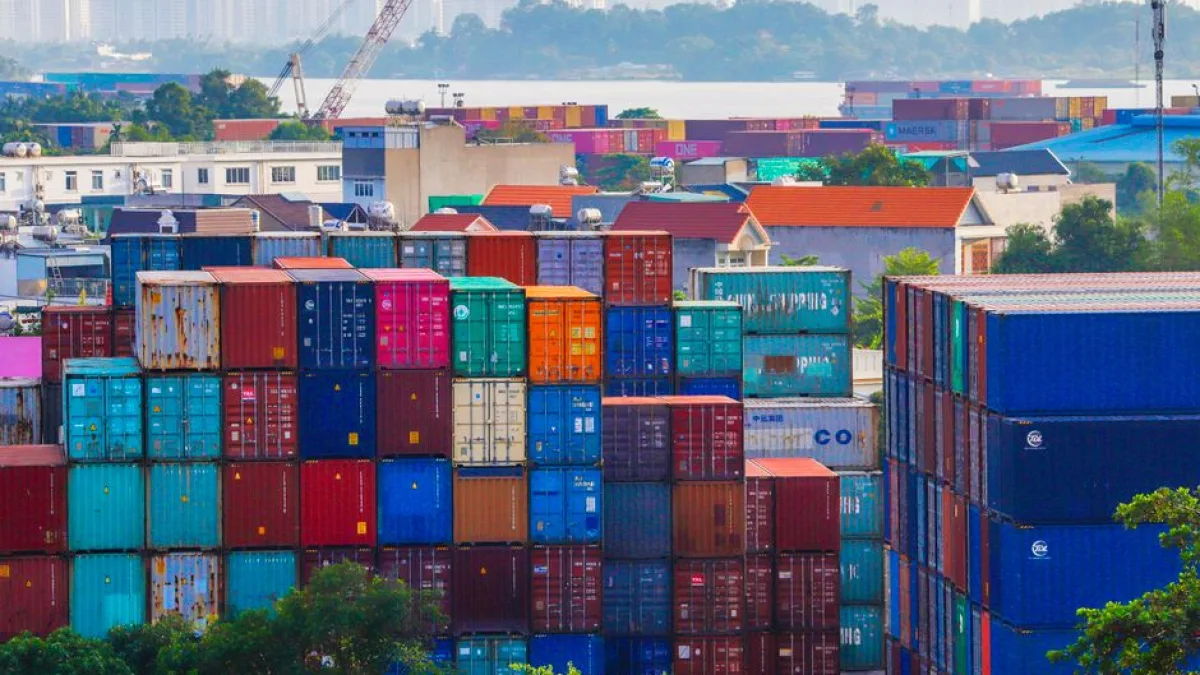
Effective load planning is the backbone of cost-effective ocean freight. By maximizing container utilization, forwarders can significantly lower shipping costs per unit while minimizing the carbon footprint associated with underfilled vessels and excessive trips across the vast international maritime trade routes.
- Advanced visualization software: Use modern 3D load planning tools to simulate container arrangements, ensuring that your shipments maximize available volume without violating critical safety standards or weight distribution guidelines.
- Real-time inventory visibility: Maintain a constant stream of data regarding your warehouse stock levels to ensure that containers are packed efficiently before they arrive at the busy port.
- Weight distribution analysis: Calculate the optimal balance for every container to ensure compliance with international maritime safety rules, preventing potential issues with port authorities during vessel loading procedures.
- Integrated carrier collaboration: Share load manifests directly with shipping lines through cloud platforms to streamline the booking process and ensure that space allocation matches your actual shipment dimensions perfectly.
Precision in load planning transforms how you handle volume and cost-efficiency. When your staff can visualize and organize cargo effectively before it reaches the terminal, you avoid the common pitfalls of shipment rejections or unexpected surcharge fees. Ultimately, this level of operational control allows you to offer more competitive pricing to your clients while maintaining healthy margins throughout the entire busy shipping cycle.
Visibility Through Real-Time Tracking
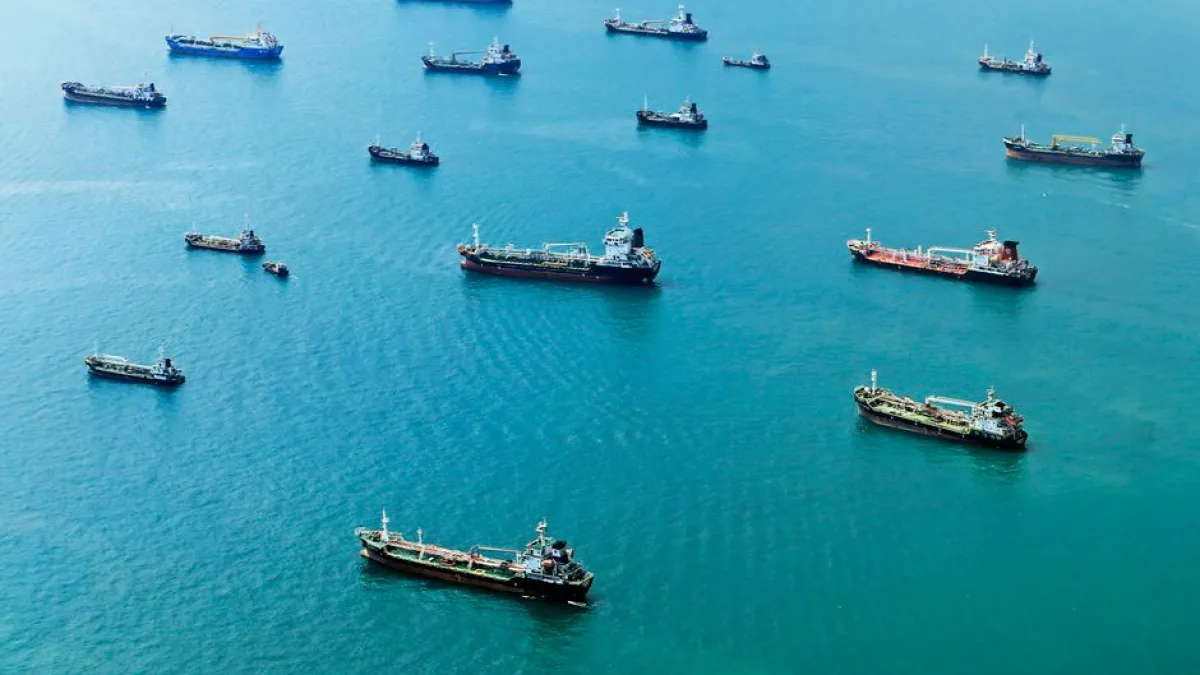
Providing customers with live updates on shipment status is no longer a luxury but an industry standard. Real-time visibility tools allow forwarders to track containers across oceans and provide proactive notifications regarding vessel schedules, arrival times, and potential delay factors.
- Live vessel monitoring: Access real-time satellite data to track your ocean vessels, providing your customers with accurate expected arrival times even when shipping lanes face unexpected weather delays.
- Automated status updates: Configure your software to send triggered alerts to customers, ensuring they remain informed about every milestone in the supply chain without manual staff intervention.
- Exception management alerts: Receive immediate notifications for critical delays at ports or customs hubs, allowing your support team to resolve issues proactively before they impact the final delivery.
- Carrier API integrations: Connect your platform directly to shipping lines to pull accurate status feeds, ensuring that the information you present to clients is always the most current.
True transparency fosters long-term loyalty in the logistics industry. When clients can see the exact location of their cargo, their anxiety levels drop significantly, and their confidence in your operations grows. By leveraging integrated tracking systems, you reduce the workload on your customer service representatives, allowing them to focus on high-value tasks instead of answering repetitive status inquiry emails throughout their busy day.
Strategic Carrier Relationship Management
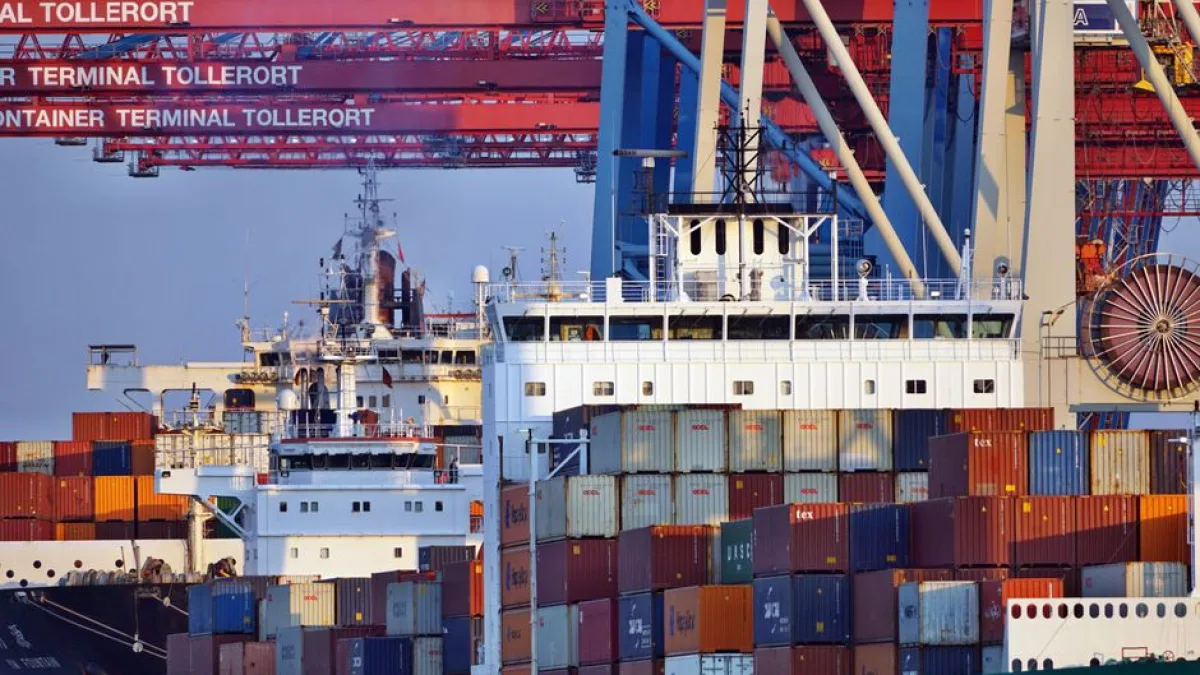
Maintaining strong, data-driven relationships with ocean carriers is essential for securing competitive rates and reliable space allocation. By analyzing performance data, forwarders can identify the most consistent partners and negotiate contracts that truly benefit their long-term growth and stability.
- Carrier performance analytics: Review historical data on shipping reliability and transit times to rank your partner carriers, ensuring you select the best options for your specific cargo needs.
- Data-backed contract negotiation: Prepare for rate negotiations by using accurate shipment volume data to demonstrate your value to carriers, resulting in better pricing terms for your freight operations.
- Centralized communication logs: Keep detailed records of all interactions and service agreements within your CRM to ensure that your team is always aligned during carrier discussions and negotiations.
- Joint contingency planning: Collaborate with your key carrier contacts to develop backup plans for potential disruptions, ensuring that your client freight moves even during periods of significant global trade instability.
Strategic management of carrier relationships requires more than just talk; it demands rigorous analysis of your shipping performance metrics. When you leverage data to back your decisions, you gain significant leverage in the marketplace. By fostering these professional connections, you ensure that your shipments receive priority handling, allowing you to provide a seamless, high-quality experience for all of your global customers every time.
Conclusion

Mastering ocean freight requires a commitment to digital transformation and continuous process improvement. By integrating smart documentation, load planning, real-time tracking, and strategic carrier management, you can build a more resilient and profitable forwarding business. Start implementing these strategies today to streamline your operations, improve customer satisfaction, and gain a decisive edge over competitors in the ever-evolving global logistics landscape within the maritime industry.