Optimizing Ocean Freight Operations in the Digital Age
Monday, August 24 2026
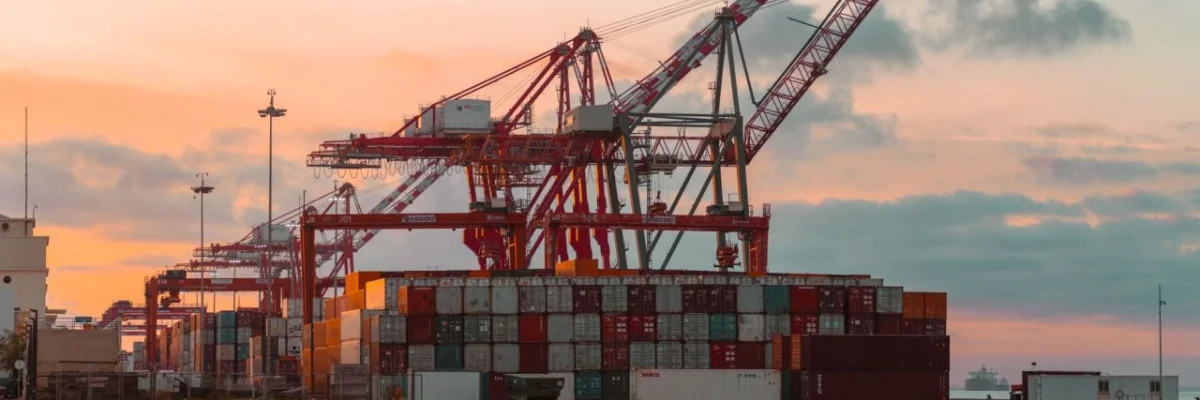
The global shipping industry is undergoing a profound transformation as technology reshapes traditional logistics workflows. For freight forwarders, the complexity of managing vessel schedules, port congestion, and fluctuating container availability requires more than legacy manual processes. By embracing cloud-based platforms, professionals can gain unprecedented visibility into their supply chains, ensuring that every shipment is tracked with precision. As market demands become increasingly volatile, the ability to pivot strategies based on real-time data becomes the primary competitive advantage. This article explores essential strategies for enhancing operational efficiency and driving long-term growth within the competitive ocean freight landscape of today.
Modernizing Documentation Workflows

Efficient documentation is the backbone of successful ocean freight operations. Moving away from manual data entry and email-heavy processes allows teams to reduce errors and accelerate the processing of essential bills of lading, customs declarations, and commercial invoices effectively.
- Automated Data Capture: Modern platforms utilize intelligent character recognition to extract data from shipping documents, drastically reducing manual entry errors and saving valuable hours for your professional logistics team.
- Centralized Document Storage: Keeping all shipment-related files in a secure cloud environment ensures that every stakeholder has immediate access to critical information regardless of their physical location or.
- Streamlined Compliance Audits: Digital filing systems create an immutable audit trail that simplifies regulatory compliance checks and ensures that your documentation meets international shipping standards without unnecessary manual searching.
- Real-time Document Sharing: Instant access to updated manifests allows partners to coordinate shipments faster, eliminating delays caused by waiting for physical paperwork to arrive via courier or standard email.
Transforming your document management system does more than save time on repetitive administrative tasks. It builds a foundation of transparency that supports faster decision-making across your entire network. By digitizing these critical touchpoints, forwarders can respond to urgent changes in client requirements without sacrificing accuracy. This proactive approach to data management ultimately strengthens client trust and improves the overall reliability of your shipping services.
Real-time Shipment Visibility
Visibility remains a top priority for clients expecting constant updates on their high-value goods. Deploying advanced tracking software gives your team the ability to monitor vessel status and port arrival times through integrated GPS and maritime data networks.
- Proactive Delay Alerts: Advanced tracking systems automatically notify your team when a vessel deviates from its planned path, allowing you to inform clients before issues impact their inventory.
- Geofencing Cargo Updates: Setting up digital perimeters around critical ports triggers automated notifications as soon as cargo enters or exits specific zones during the busy transit process.
- Improved Carrier Performance: Analyzing tracking data helps you evaluate carrier reliability over time, enabling your team to select the best shipping partners for specific trade lanes.
- Transparent Client Portals: Providing your customers with direct access to shipment status updates reduces the volume of status inquiries and enhances the overall service experience significantly.
True visibility provides the power to turn reactive fire-fighting into strategic planning. When you understand exactly where cargo is at any moment, you can manage stakeholder expectations with confidence and precision. This level of clarity helps mitigate the impact of unforeseen disruptions such as weather events or strikes. Leveraging data-driven insights ensures that your operations remain resilient in an unpredictable global market.
Optimizing Container Space

Maximizing container utilization is a vital tactic for reducing logistics costs and improving margins. Freight forwarders must leverage advanced load planning tools to ensure that every available square inch of space is optimized for efficiency and safety.
- Load Planning Tools: Sophisticated software allows your team to simulate container loads in advance, ensuring that weight distributions are balanced and space is used to its full potential.
- Consolidation Strategy Planning: Strategically grouping smaller shipments from different clients into a single container helps reduce costs and maximizes the financial efficiency of each voyage you coordinate.
- Weight Limit Monitoring: Built-in safety checks ensure that your shipments comply with international weight regulations, preventing costly penalties and potential safety hazards during the loading process daily.
- Space Utilization Reports: Analyzing monthly usage patterns identifies opportunities to consolidate cargo more effectively, allowing you to pass savings to your clients while increasing your company profits.
Effective container management is not just about cost reduction but also about environmental sustainability. By optimizing space, you reduce the total number of containers required, effectively lowering the carbon footprint of your clients operations. These smart adjustments demonstrate value beyond simple logistics support, positioning your firm as a forward-thinking partner. Efficiency in loading is a simple yet powerful way to elevate your service offering.
Strengthening Carrier Partnerships

Strong relationships with ocean carriers are essential for securing space during peak shipping seasons. By fostering transparent communication and data sharing, forwarders can negotiate better rates and ensure priority treatment during periods of high market demand and instability.
- Performance Benchmarking Data: Sharing objective performance metrics with your carriers fosters productive conversations about service improvements and helps justify long-term partnership agreements based on verified shipping results.
- Integrated Booking Systems: Connecting your platform directly with carrier booking APIs allows for near-instant confirmations, removing the friction of manual booking requests and waiting for confirmations.
- Collaborative Capacity Planning: Sharing your projected volume forecasts with carriers allows them to allocate space more effectively, ensuring your clients shipments are prioritized during periods of capacity.
- Streamlined Financial Settlements: Automating invoice reconciliation and payment processes with your carrier partners reduces administrative friction, building a more professional and reliable relationship between the two organizations.
Building deep connections with carriers goes beyond basic transactions. It is about creating a collaborative ecosystem where both parties benefit from shared intelligence and synchronized operations. When you prioritize clear communication, you gain a seat at the table even when global capacity is tight. This strategic positioning allows you to navigate market fluctuations with greater stability while delivering consistent results for your clients.
Conclusion
Mastering ocean freight requires a blend of technological innovation and strong professional relationships. By modernizing your documentation, improving visibility, optimizing space, and strengthening carrier ties, you position your logistics firm for success. Leverage the right software tools to turn your operations into a competitive advantage today. The future of global shipping belongs to forwarders who embrace digital change and prioritize operational excellence every day.