Optimizing Ocean Freight Operations for Modern Freight Forwarders
Tuesday, August 25 2026

Navigating the complex landscape of global ocean freight requires more than just traditional logistics knowledge in today's digital age. Freight forwarders are increasingly tasked with managing volatile capacity, fluctuating carrier rates, and heightened customer demands for real-time visibility. As global supply chains become more interconnected, the ability to leverage cloud-based platforms to automate documentation, streamline carrier communication, and monitor vessel movements becomes a critical competitive advantage. This article explores essential strategies that forwarders must adopt to enhance operational efficiency, reduce costly manual errors, and provide superior service levels that foster long-term client loyalty in an unpredictable maritime shipping industry.
Digital Documentation Automation
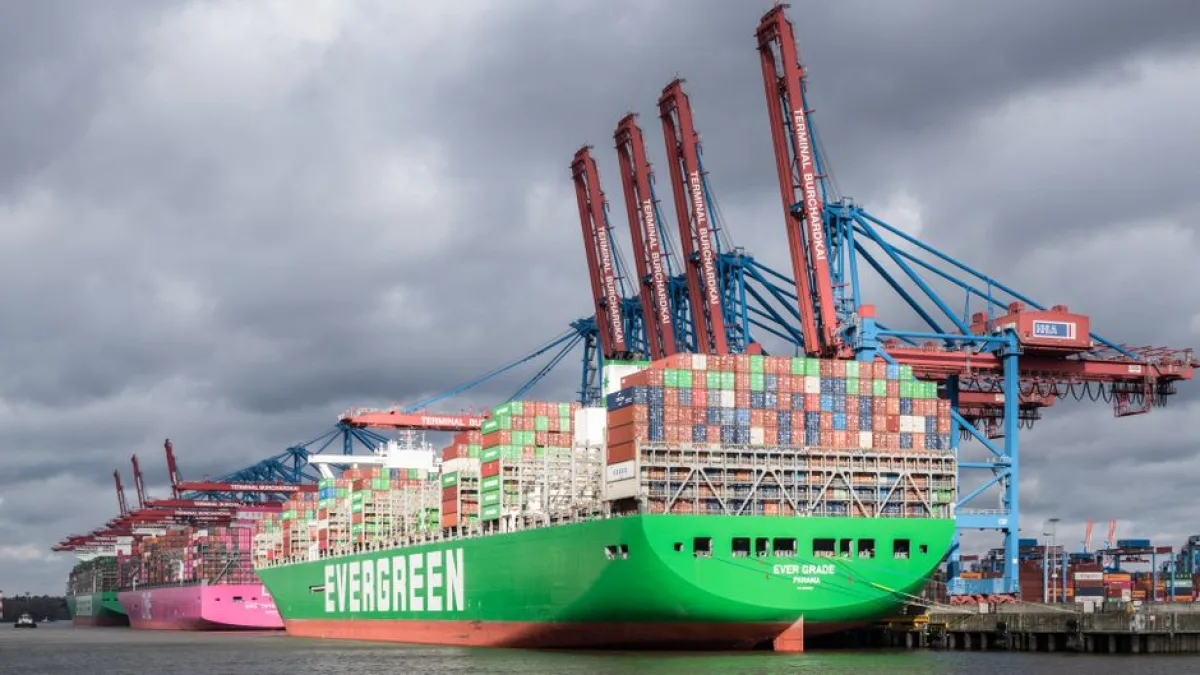
Manual paperwork often acts as a significant bottleneck in maritime logistics, leading to delays and administrative errors that impact overall shipping timelines. Transitioning to automated documentation systems allows teams to process bills of lading and customs forms with increased speed and accuracy.
- Eliminate manual entry: Implementing cloud-based automation tools reduces the need for redundant data entry tasks, significantly decreasing the probability of human errors that can delay critical vessel departures and arrivals.
- Centralized document repository: Maintaining all shipping documents in a single digital location ensures that authorized team members can access real-time information, improving collaboration and speeding up the internal verification process.
- Regulatory compliance tools: Modern software platforms automatically flag missing information or compliance discrepancies, ensuring that every shipment meets strict international maritime regulations before it reaches the designated port terminal facility.
- Faster customer billing: Automating the creation of invoices based on verified shipping data ensures that clients receive accurate billing information immediately upon cargo arrival, improving your firm's overall cash flow.
Adopting digital workflows transforms the way your agency handles high volumes of maritime cargo. By removing the reliance on physical paper trails and siloed email chains, your staff can focus on high-value client communication instead of data correction. This transition not only boosts productivity across your entire department but also sets the foundation for scaling your business operations as demand for international ocean freight continues growing.
Real-Time Cargo Tracking

Providing customers with instantaneous updates on their cargo status is no longer a luxury but a standard industry requirement. Forwarders must integrate live vessel tracking data to offer proactive communication that mitigates the impact of unforeseen maritime transit delays.
- Live vessel data: Integrating direct API connections with major ocean carriers allows your platform to pull live GPS positions, providing clients with precise updates regarding vessel location and progress.
- Predictive delay alerts: Advanced tracking algorithms analyze weather patterns and port congestion data to forecast potential delays, allowing you to notify clients before they even ask for updates.
- Transparency builds trust: Providing a client portal where customers can view their shipment status independently fosters significant trust, reducing the volume of status inquiries handled by your staff.
- Optimized routing decisions: Real-time visibility empowers logistics coordinators to make informed decisions about rerouting cargo during port strikes or major congestion events, maintaining a reliable supply chain flow.
Modern clients demand total transparency from start to finish. When you provide accurate, real-time data, you position your logistics business as a reliable partner capable of navigating global challenges. This visibility reduces customer anxiety during transit disruptions and demonstrates a professional commitment to service excellence that differentiates your brand from smaller, less equipped competitors in the current international freight market environment today.
Carrier Rate Management
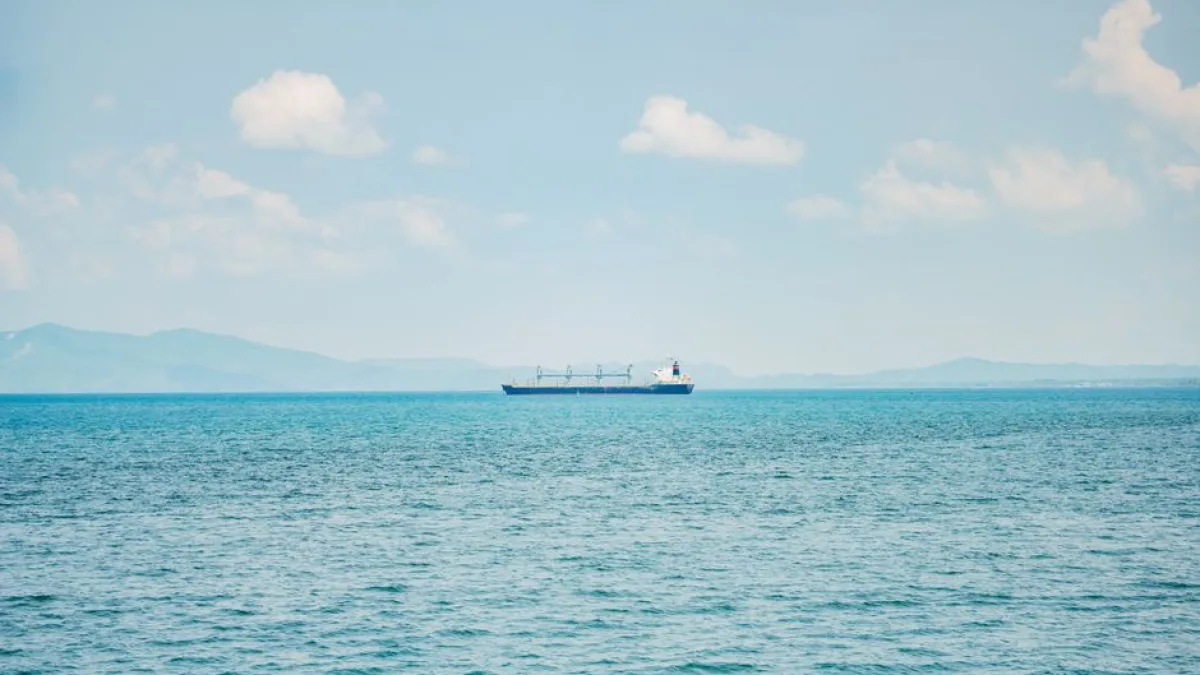
Managing complex rate structures and carrier contracts requires a robust digital approach to ensure that your freight forwarding business remains profitable in a fluctuating market. Dynamic pricing engines help teams compare quotes and secure space during periods of high demand.
- Dynamic quote engines: Using centralized software enables your team to compare multiple carrier quotes instantly, ensuring you find the best possible rate while maintaining desired profit margins per unit.
- Automated rate updates: Cloud systems automatically sync with carrier pricing files, removing the need to manually update spreadsheets and preventing losses caused by using outdated or incorrect pricing.
- Contract optimization strategies: Analytical tools help you review historical shipping volumes and lane profitability, providing actionable insights that allow for stronger negotiation positions during upcoming annual carrier contract discussions.
- Instant customer quoting: Providing your sales team with live rate access enables them to respond to client inquiries in minutes rather than days, increasing the likelihood of closing deals.
Staying profitable in the ocean freight sector depends on your ability to manage costs effectively across every single shipment. By utilizing a centralized platform for rate management, you gain full control over your pricing strategy and avoid common pitfalls like undercharging for freight or missing out on volume incentives. This strategic approach ensures your business maintains a healthy bottom line despite market volatility.
Optimized Terminal Logistics
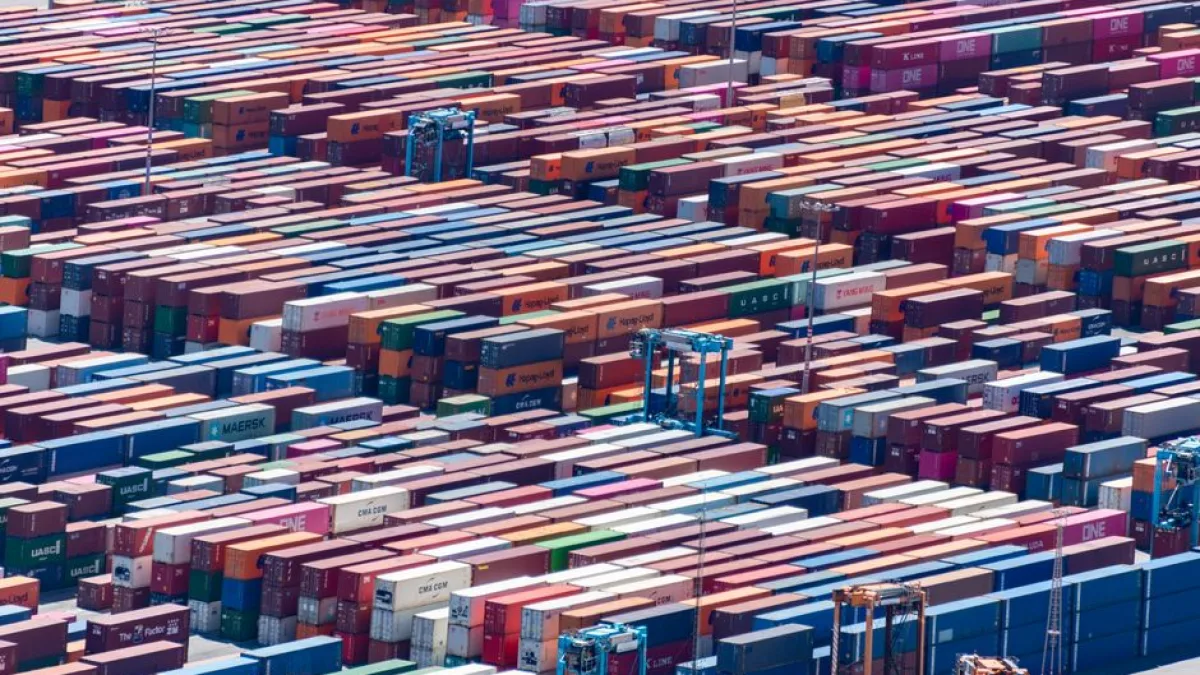
The final leg of an ocean freight shipment often involves complex coordination with port terminals and local drayage providers. Efficient communication and scheduling at this stage are essential to prevent demurrage and detention charges that hurt your client bottom lines.
- Automated gate appointments: Integrating your software with terminal appointment systems ensures that trucks are scheduled correctly, reducing wait times at the port and improving the flow of import containers.
- Detention tracking alerts: Proactive monitoring of container free-time expiration allows your team to prioritize the pickup of high-risk containers, avoiding expensive daily charges for your clients at the port.
- Drayage carrier coordination: A unified platform allows you to share digital load instructions with local truckers, ensuring that every driver has the correct documentation needed for terminal access.
- Communication with terminals: Building digital bridges between your office and terminal operators ensures that critical instructions regarding cargo handling and delivery windows are shared accurately and received promptly.
Efficient terminal management is the key to preventing the most common and expensive delays in the ocean freight process. When you master the coordination between ocean carriers and local drayage, you minimize extra costs and ensure a smooth transition of goods. This level of operational expertise earns you a reputation for reliability, making your logistics services highly valuable to shippers and cargo owners.
Conclusion

Successfully managing ocean freight operations in the modern era requires a commitment to digital transformation and process automation. By leveraging cloud-based platforms to handle documentation, tracking, pricing, and terminal coordination, freight forwarders can overcome industry challenges with confidence. Start optimizing your workflows today to gain a significant competitive edge and deliver exceptional value to your global clients as the maritime logistics industry continues evolving forward.