Optimizing Ocean Freight Operations in a Digital Era
Tuesday, August 25 2026
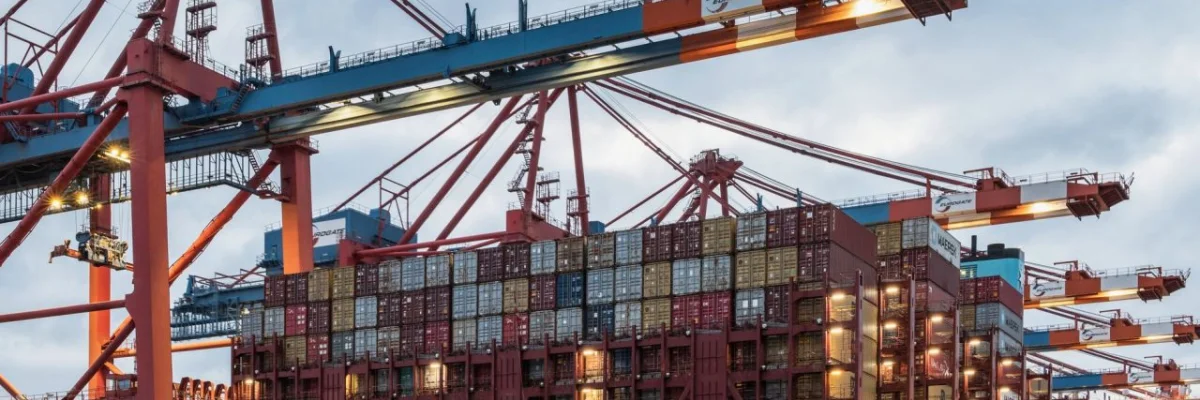
The global maritime industry remains the backbone of international trade, yet freight forwarders frequently struggle with legacy systems and manual processes that hinder efficiency. As cargo volumes grow and client expectations for real-time visibility intensify, the need for modern digital solutions has never been more critical. By integrating cloud-based platforms, logistics companies can consolidate their operations, automate tedious documentation tasks, and provide stakeholders with the transparency required to navigate volatile supply chains. This evolution in maritime management is not merely a competitive advantage but a fundamental necessity for firms aiming to scale their operations profitably while maintaining high service levels.
Modernizing Documentation Processes

Automating documentation is the most effective way to eliminate manual errors and reduce processing time. When forwarders replace traditional spreadsheets with integrated digital systems, they gain access to structured data that flows seamlessly across their entire international logistics network.
- Automated Bill Creation: Generate accurate bills of lading automatically by pulling data directly from your client database to prevent discrepancies that often lead to costly delays at customs.
- Digital Document Storage: Securely store every essential document in the cloud to ensure your team has instant access to paperwork from anywhere in the world at all times.
- Integrated Compliance Checks: Utilize automated validation tools to cross-reference cargo details against international regulations, which significantly reduces the risk of penalties or shipments being held at port.
- Real-time Data Sharing: Empower your clients by providing a self-service portal where they can view, download, and approve documents without needing to wait for an email response.
Transitioning to a digital document workflow allows your team to focus on high-value logistics challenges rather than administrative drudgery. By reducing human intervention, you minimize the risk of costly mistakes that plague traditional shipping methods. This transformation creates a more resilient operational framework, allowing your freight forwarding business to handle larger volumes while maintaining superior precision and speed throughout the entire document lifecycle.
Achieving Real-time Cargo Visibility
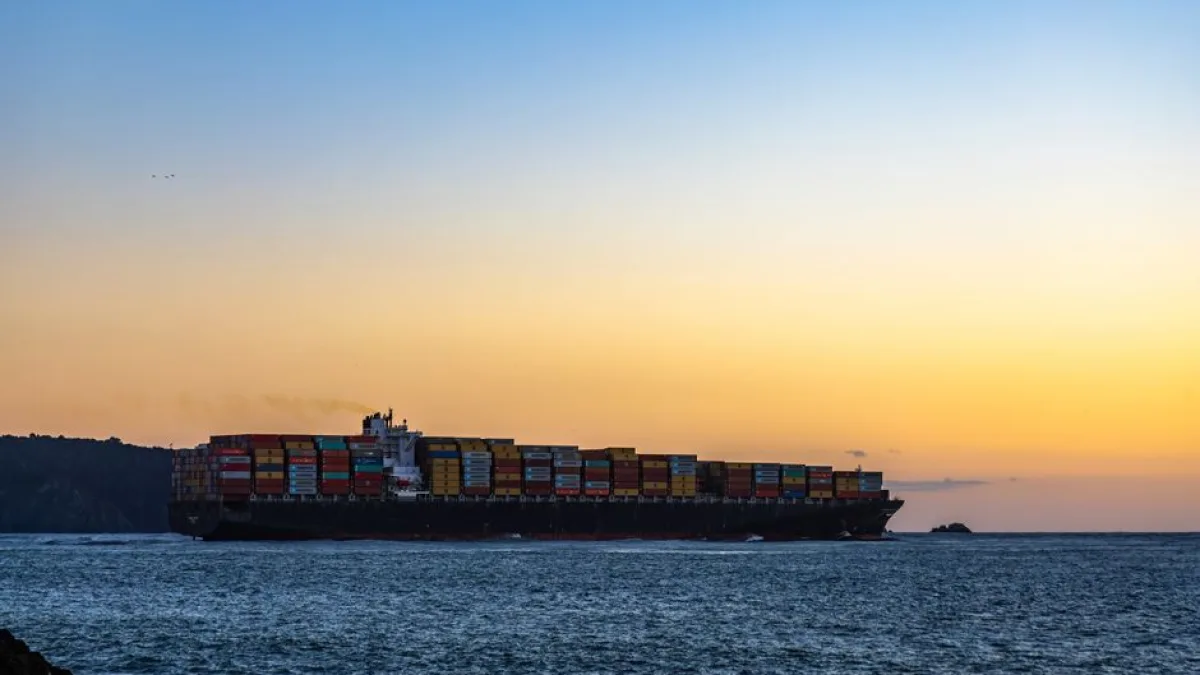
Customers today demand full visibility into the location and status of their shipments. Implementing cloud-based tracking software allows forwarders to provide live updates, which builds trust and improves the overall relationship between logistics providers and their end clients.
- Live Vessel Tracking: Integrate direct feeds from satellite providers to offer your customers up to the minute location data for every vessel in your current ocean network.
- Milestone Event Alerts: Configure automatic notifications to trigger when cargo reaches specific checkpoints, ensuring that stakeholders are kept informed about any unexpected changes or arrival delays.
- Custom Dashboard Views: Offer clients personalized dashboards where they can visualize their entire supply chain, identifying potential bottlenecks before they impact delivery timelines or inventory flow strategies.
- Mobile Access Points: Enable your logistics team and clients to check shipment statuses from mobile devices, ensuring critical updates are received regardless of their current physical location.
Visibility is the new currency in the freight forwarding industry, separating top performers from those who rely on outdated manual reporting methods. By providing granular insights, you become a proactive partner rather than a reactive service provider. This level of transparency not only reduces the volume of status inquiries but also positions your company as a reliable leader in modern ocean freight management.
Managing Freight Rate Volatility
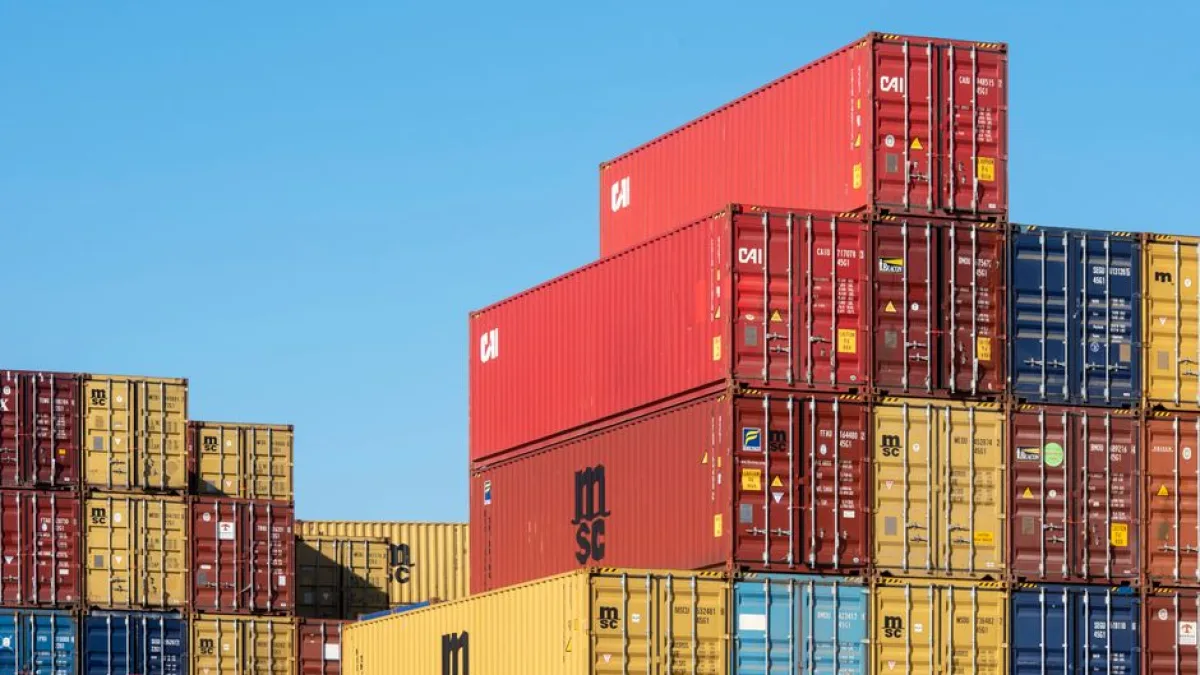
Fluctuating freight rates present a constant challenge for forwarders. Utilizing intelligent software tools allows you to compare carrier quotes rapidly, ensuring you always secure the most competitive pricing without sacrificing the quality of service for your customers.
- Instant Rate Comparison: Access a centralized database of carrier prices to perform side by side comparisons in seconds, ensuring you select the best route for every shipment.
- Dynamic Pricing Engines: Leverage software that adjusts price quotes based on real-time market changes, allowing your sales team to remain profitable even when global shipping rates fluctuate.
- Historical Data Analysis: Review your past shipping volumes and associated costs to negotiate better long-term contracts with ocean carriers based on accurate data rather than guesswork.
- Automated Quote Generation: Send professional branded quotes to your clients instantly, which drastically improves your response time and increases the likelihood of securing new business opportunities today.
Mastering rate management requires a blend of speed and analytical precision that manual methods simply cannot support. By automating the comparison and generation process, you empower your sales team to act quickly in a fast-moving market. This approach ensures your margins remain protected while providing your clients with the competitive pricing they need to maintain their own business growth in international trade.
Strengthening Carrier Communication

Successful ocean freight management depends on seamless coordination between forwarders and carriers. Cloud-based platforms facilitate instant communication, ensuring that everyone involved is aligned on vessel schedules, cargo capacity requirements, and any critical updates that affect the global maritime supply chain.
- Direct Messaging Channels: Utilize secure, embedded messaging features to communicate with carriers instantly, removing the need to track long email threads or handle endless phone call queues.
- Shared Operational Portals: Create collaborative workspaces where your staff and carrier representatives can update shipment details, share files, and resolve disputes in a single, centralized digital location.
- Capacity Planning Tools: Monitor space availability across multiple shipping lines to ensure your cargo gets booked on time, preventing the common issue of rolling containers to future departures.
- Carrier Performance Reports: Automatically track carrier performance metrics to identify which partners provide the most reliable service, enabling you to optimize your shipping strategy over time.
Optimizing communication is the final step in creating a truly efficient freight forwarding ecosystem. By removing silos and fostering collaboration, you minimize misunderstandings and accelerate the decision-making process during complex shipping operations. This integrated approach to carrier management ensures that your logistics network remains agile, responsive, and capable of delivering exceptional value to your customers consistently, regardless of external market conditions or constraints.
Conclusion

Adapting to the digital transformation of ocean freight is essential for modern freight forwarders. By utilizing cloud technology to streamline documentation, visibility, rate management, and carrier communication, your business can achieve new levels of efficiency and client satisfaction. Start optimizing your operations today with MakeCargo to stay ahead of the competition. Contact our team to schedule a demo and revolutionize your maritime logistics management strategy.