Optimizing Ocean Freight Operations in the Modern Era
Wednesday, August 26 2026
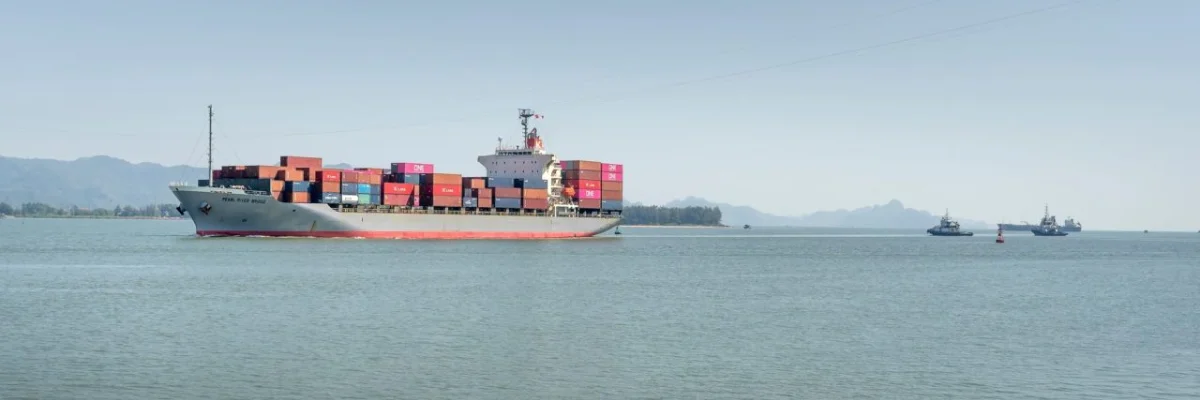
Navigating the complex landscape of global ocean freight requires more than just traditional shipping expertise in today's fast-paced market. Forwarders are currently facing unprecedented challenges ranging from volatile capacity shifts to intricate regulatory changes that demand higher operational visibility. By leveraging cloud-based platforms like MakeCargo, logistics professionals can centralize their data, streamline communication across multiple carriers, and drive significant efficiency gains. Transitioning from manual, error-prone spreadsheets to automated digital workflows is no longer a luxury but a fundamental necessity for businesses aiming to stay competitive while scaling their operations effectively in an increasingly digitized international shipping industry.
Digital Transformation Strategies

The shift toward digital ecosystems is reshaping how forwarders manage their daily tasks and long term goals. Implementing cloud software allows teams to access real time data from any location, fostering collaboration and reducing the risks associated with information silos.
- Automated Workflow Integration: Connect your booking, documentation, and billing processes within a single platform to eliminate repetitive manual entries and ensure that every team member works with accurate data.
- Centralized Data Management: Consolidate your carrier communications and client requirements into one accessible hub, providing a single source of truth that simplifies auditing and tracking for all stakeholders.
- Enhanced Visibility Tools: Utilize advanced tracking features to monitor vessel movements and container status, ensuring that you can proactively inform your clients about potential delays or schedule changes.
- Streamlined Document Handling: Upload, store, and manage essential shipping documents digitally to reduce physical paperwork, improve security protocols, and speed up the clearance process at various international ports.
Adopting these digital strategies creates a foundation for scalable growth and superior service delivery. By automating routine administrative tasks, your team can focus on high value activities like relationship management and strategic planning. This shift not only lowers overhead costs but also increases your capacity to handle higher volumes without compromising quality, ultimately setting your freight forwarding business apart in a crowded marketplace.
Managing Capacity and Scheduling
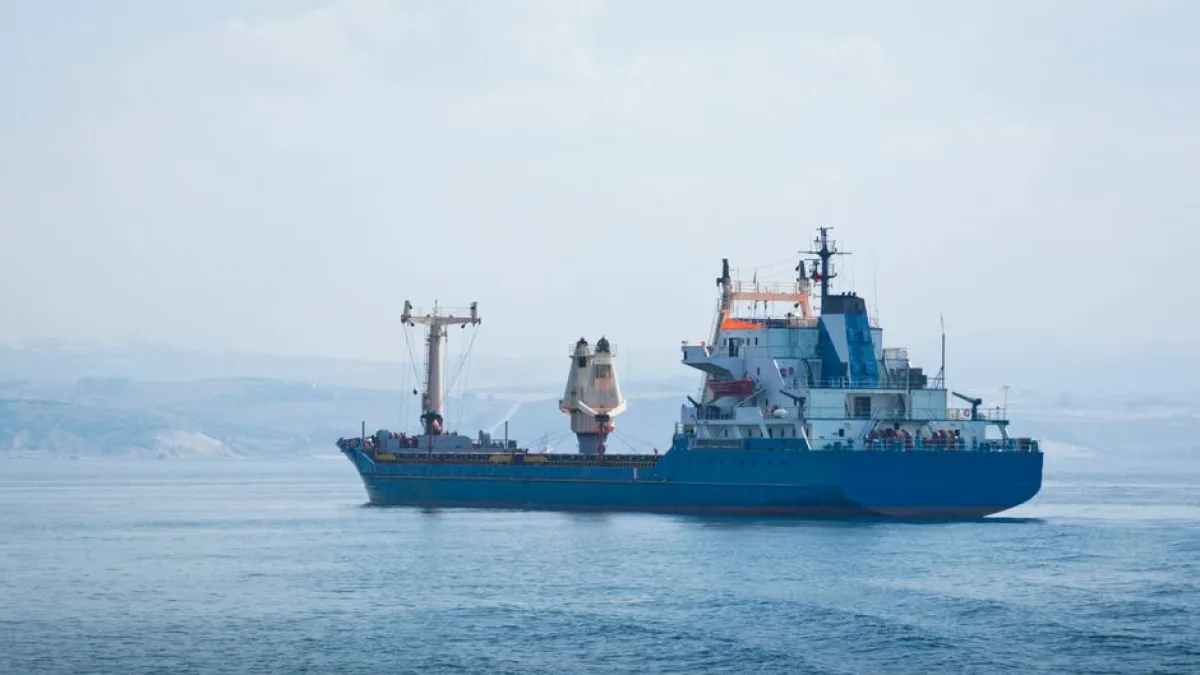
Balancing capacity availability with fluctuating demand is a core responsibility for modern ocean freight managers. Having a clear view of your available carrier slots and shipment schedules helps you maintain reliable service levels even during peak demand periods.
- Capacity Planning Software: Use specialized tools to track carrier capacity trends and plan your booking schedules well in advance, minimizing the impact of space shortages on your clients.
- Dynamic Schedule Management: Receive automated alerts regarding vessel schedule updates, allowing you to reallocate cargo efficiently and keep your customers informed about their shipment progress at all times.
- Carrier Performance Analysis: Review and evaluate historical data on carrier reliability to make informed decisions when selecting partners, ensuring that your shipments are handled by the most dependable operators.
- Resource Optimization Techniques: Implement load planning strategies that maximize space utilization within containers, helping to reduce shipping costs and improve the overall profitability of your freight forwarding business.
Precision in scheduling is essential for maintaining client trust in a volatile global supply chain. When your team can quickly adjust to route changes or capacity limitations, your reliability becomes a powerful selling point. Investing in the right technology ensures that your operations remain agile, allowing you to navigate logistical hurdles with confidence while consistently meeting the rigorous deadlines expected by modern global shippers.
Improving Financial Operations

Financial transparency and efficiency are vital for the sustainability of any freight forwarding enterprise. Automating billing cycles and invoice reconciliation helps prevent errors and ensures that cash flow remains consistent throughout every stage of the shipment lifecycle.
- Automated Invoice Generation: Create accurate freight invoices automatically based on shipment data, reducing manual billing errors and accelerating the time it takes to process payments from your clients.
- Real-time Cost Tracking: Monitor variable shipping costs and accessorial charges in real time, allowing you to maintain healthy profit margins while providing transparent pricing to your shipping customers.
- Seamless Payment Processing: Integrate digital payment gateways directly into your freight management system to streamline collections and improve the overall liquidity of your logistics business operations globally.
- Detailed Financial Reporting: Generate comprehensive reports that highlight your most profitable routes and carriers, enabling data-driven decisions that improve your company bottom line and financial health overall.
Streamlined financial processes reduce the burden on your accounting department and minimize the risk of revenue leakage. By adopting integrated tools that link operations to finance, you gain a clear view of your business health. This holistic approach empowers you to negotiate better rates with carriers and offer more competitive pricing to your clients, which directly supports long term growth and stability.
Future Proofing Your Business

Staying ahead of industry trends requires a commitment to innovation and continuous improvement. As technology evolves, forwarders must be ready to adopt new tools that enhance the customer experience and drive operational excellence across every single shipping lane.
- Scalable Cloud Infrastructure: Select software solutions that grow alongside your business, ensuring that your IT capabilities can handle increasing volumes without requiring significant and costly hardware upgrades.
- Interoperability and Connectivity: Use APIs to integrate your logistics platform with external services such as customs agencies and carrier portals for a truly connected global shipping network.
- Proactive Problem Solving: Implement predictive analytics to identify potential supply chain disruptions before they occur, allowing you to develop contingency plans that keep shipments moving on time.
- Continuous Team Training: Invest in regular training sessions to ensure your staff stays proficient with the latest software updates, maintaining a high level of operational efficiency and morale.
Planning for the future means preparing your team for the next wave of industry changes today. By fostering a culture of innovation and utilizing cloud platforms, you position your firm as a forward thinking leader in the logistics space. This proactive stance helps you attract high quality clients and talent, ensuring that your business remains relevant and profitable for years to come.
Conclusion
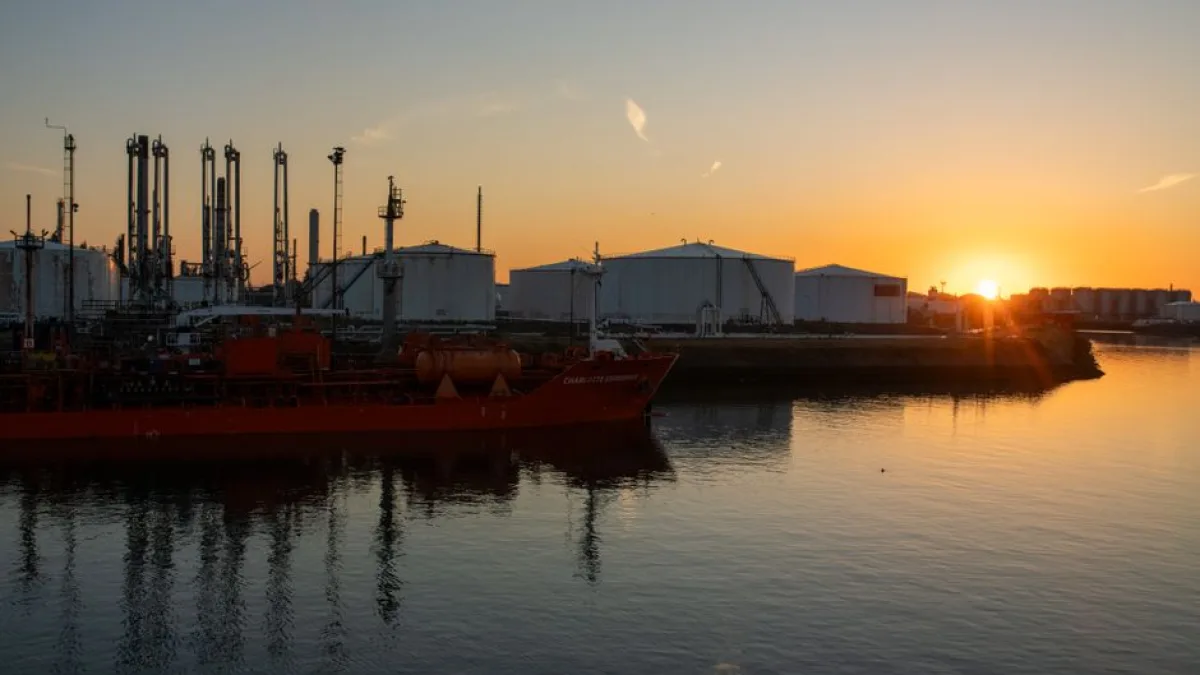
Embracing digital innovation is the key to thriving in the competitive world of ocean freight. By utilizing modern software platforms to unify your data and automate complex workflows, you create a more resilient and efficient business model. Start your journey toward operational excellence today by exploring how MakeCargo can transform your logistics processes and help you deliver exceptional value to your global clients.