Optimizing Ocean Freight Operations in a Digital Era
Wednesday, August 26 2026
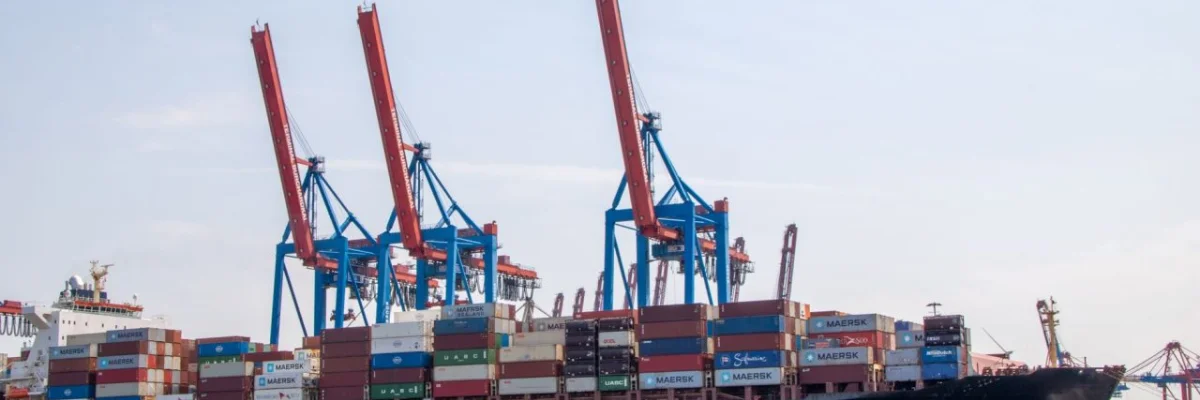
Navigating the complexities of modern ocean freight requires more than just logistical expertise; it demands a strategic shift toward digital transformation. As global supply chains face unprecedented pressure from fluctuating fuel costs, port congestion, and shifting consumer demands, freight forwarders must leverage cloud-based platforms to maintain a competitive edge. By integrating advanced technology into your daily workflows, you can automate manual processes, improve communication with carriers, and provide real-time visibility to your clients. This evolution is no longer optional for businesses aiming to scale, but a fundamental requirement for achieving long-term operational resilience and excellence in today-s fast-paced international shipping market.
Modernizing Documentation Processes
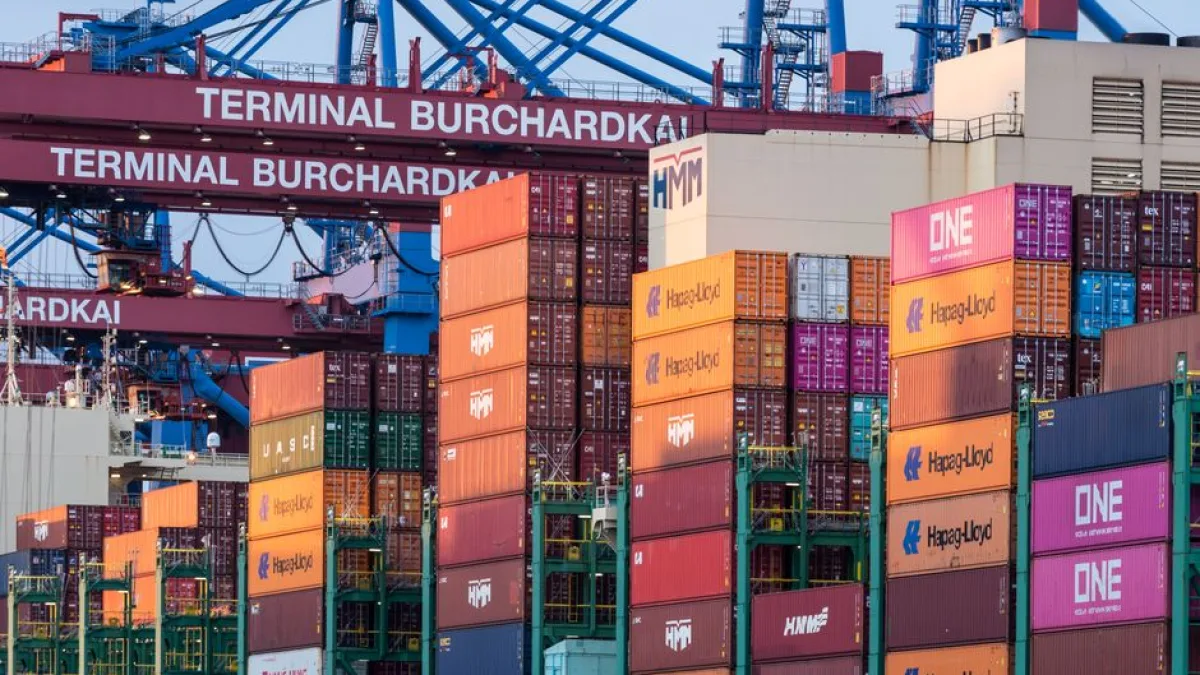
Efficient documentation is the backbone of successful ocean freight management. By digitizing bills of lading and commercial invoices, forwarders significantly reduce the risk of clerical errors while accelerating the speed of cargo release at destination ports for their global customers.
- Automated Data Entry: Implement smart software that automatically extracts information from shipping documents to minimize manual typing tasks and ensure high levels of accuracy across all your logistics paperwork.
- Digital Document Storage: Secure all shipment records in a centralized cloud vault to allow team members to access critical information from any location at any time without delay.
- Compliance Verification Tools: Use integrated verification features to check international trade regulations automatically so your shipments remain compliant with evolving customs laws in different operating countries and regions.
- Seamless Sharing Capabilities: Enable instant document sharing between agents and carriers to expedite the communication cycle and resolve potential bottlenecks before they impact your overall transit delivery timelines.
Adopting a digital-first approach to documentation transforms how your team handles administrative burdens. By removing the reliance on physical paper trails, forwarders can reclaim hours of lost productivity every single week. This transition ensures that data remains accurate and accessible, allowing your staff to focus their expertise on high-level problem solving rather than repetitive manual entry tasks that often lead to costly delays.
Leveraging Real-Time Cargo Tracking

Visibility is the most requested service by modern shippers who need to know exactly where their inventory is located. Implementing real-time tracking solutions provides actionable insights that help companies manage their inventory and plan for potential supply chain disruptions proactively.
- Live Vessel Monitoring: Utilize satellite data to monitor vessel locations across the ocean to provide your clients with accurate arrival estimates and precise transit performance metrics daily.
- Automated Status Updates: Configure your software to send automatic notifications to stakeholders whenever cargo hits specific milestones like departing the port or clearing local customs checkpoints successfully.
- Exception Management Alerts: Receive instant notifications when a shipment faces a delay so you can inform your customers immediately and offer alternative routing options to keep freight moving.
- Detailed Performance Analytics: Analyze historical tracking data to identify trends in carrier performance, helping you make informed decisions about which shipping lines to prioritize for future bookings.
Providing exceptional transparency builds trust with your clients and strengthens long-term business partnerships. When your customers have access to live tracking, their need for constant status update emails decreases dramatically. This autonomy allows them to manage their own supply chains more effectively, which positions your company as a sophisticated technology partner rather than just another service provider in the competitive freight market.
Optimizing Freight Cost Management

Rising freight rates require forwarders to be incredibly diligent with their cost management strategies. Advanced software enables you to compare carrier quotes side-by-side, ensuring you always select the most cost-effective and reliable shipping options for your specific cargo requirements.
- Dynamic Quote Comparisons: Compare multiple carrier quotes instantly to identify the best pricing and service levels available for each unique shipment path across various international sea routes.
- Automated Invoice Reconciliation: Match shipping invoices against initial quotes automatically to detect discrepancies early and avoid overpaying for services that were not rendered or were priced incorrectly.
- Surplus Capacity Alerts: Get notified about available space on ships to take advantage of favorable pricing and consolidate smaller shipments into larger, more economical container loads effectively.
- Carrier Performance Reviews: Track the cost of shipping against on-time performance to determine the true value of your carrier relationships and negotiate better terms based on concrete data.
Mastering your cost structure is essential for maintaining healthy profit margins in a volatile market. By automating financial reconciliation and using data-driven tools to compare carriers, you gain complete control over your bottom line. These insights empower you to make smarter financial decisions that protect your company from unexpected market spikes while consistently delivering excellent value to your clients every single day.
Enhancing Communication With Partners

Clear communication is essential when coordinating between shippers, carriers, and customs brokers. Modern cloud platforms provide a single source of truth that keeps every stakeholder aligned and reduces the likelihood of costly miscommunications or major operational errors throughout shipping.
- Unified Messaging Hubs: Consolidate all conversations related to a specific shipment into one thread so that every team member has the full context of the ongoing project.
- External Portal Access: Grant your clients and agents secure access to specific shipments so they can view progress updates independently without needing to call your busy office.
- Collaborative Workflow Management: Assign tasks to specific team members and track progress within the software to ensure that no critical step of the shipping process gets overlooked.
- Integration With APIs: Connect your software with partner systems to exchange status information automatically, ensuring that everyone involved has the exact same data at all times.
Streamlined communication reduces friction and builds a smoother experience for everyone involved in the logistics chain. When information flows freely and accurately through a unified system, your team operates with higher efficiency and fewer mistakes. This collaborative environment promotes accountability and ensures that all stakeholders remain fully informed throughout the entire lifecycle of the shipment, ultimately leading to faster and more reliable freight deliveries.
Conclusion
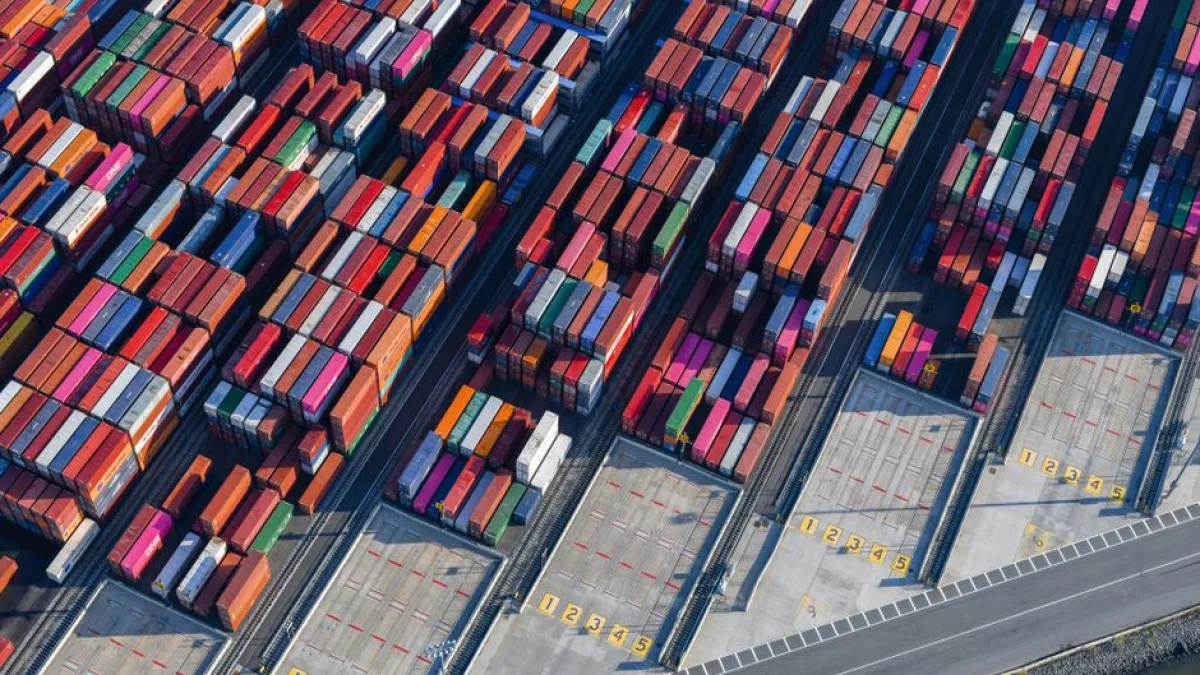
Digital transformation is the most important step for freight forwarders seeking growth. By adopting cloud-based tools to manage documentation, tracking, costs, and communication, you build a foundation for long-term success. Start integrating these solutions today to simplify your complex workflows and provide superior service. Embracing technology ensures your business remains agile, competitive, and ready to meet the challenges of the future ocean shipping landscape.