Optimizing Ocean Freight Operations for Modern Freight Forwarders
Thursday, August 27 2026

The global shipping landscape is evolving at an unprecedented pace, placing immense pressure on freight forwarders to enhance their operational efficiency and service reliability. Ocean freight remains the backbone of international trade, yet handling complex supply chains requires more than just traditional coordination methods. By leveraging cloud-based platforms, logistics providers can gain real-time visibility, automate tedious documentation, and foster better communication with carriers. Mastering these digital tools is no longer a luxury but a fundamental necessity for companies aiming to remain competitive while navigating port congestion, fluctuating capacity demands, and the constant need for transparent, data-driven decision-making processes for global cargo.
Digital Documentation Management
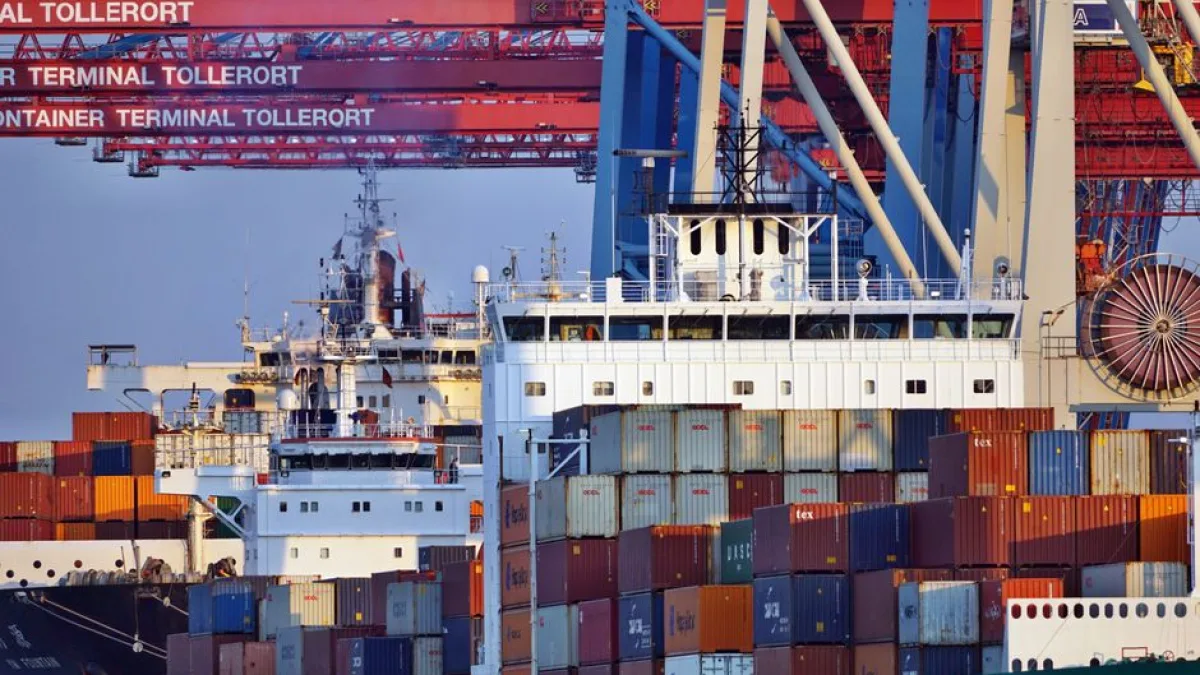
Managing physical paperwork for international shipments often leads to delays and manual errors that disrupt the entire logistics chain. Transitioning to a digital document environment ensures that invoices, bills of lading, and customs declarations are instantly accessible and verifiable.
- Centralized document storage: Cloud systems provide a single source of truth for all shipping documents, ensuring that every team member accesses the most current file version during the transit.
- Automated data entry: Intelligent software extracts key information from scanned files, which reduces manual input errors and significantly speeds up the processing time for complex cargo shipments.
- Compliance tracking updates: Automated alerts notify your team about expiring documents or pending customs requirements, which helps prevent costly delays at the port and keeps shipments moving.
- Encrypted cloud sharing: Secure protocols allow you to share sensitive shipment files with clients and carriers instantly, maintaining strict confidentiality while accelerating the overall booking and approval process.
Adopting a paperless strategy transforms your workflow from a reactive state to a proactive management model. By automating document handling, your team spends less time hunting for lost files and more time managing high-level logistics challenges. This shift not only improves internal productivity but also enhances the professional experience for your shippers, who expect fast, accurate, and seamless updates regarding their global ocean freight consignments.
Real-Time Visibility Solutions
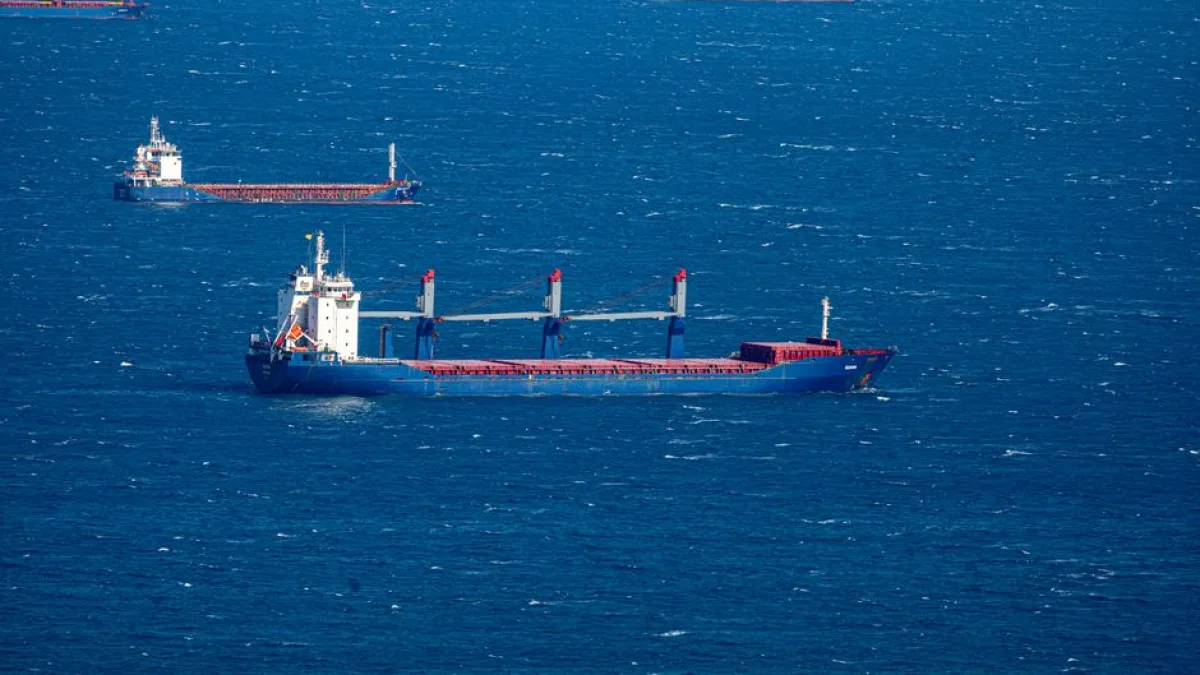
Tracking container movements across oceans was once a blind process relying on sporadic updates. Today, integrated visibility tools offer forwarders the ability to monitor exact vessel locations and status changes in real-time to better manage customer expectations and delays.
- Live vessel monitoring: Advanced satellite tracking feeds provide continuous location data, allowing forwarders to proactively inform clients about potential route changes or early arrivals at port terminals.
- Milestone automated alerts: Customizable notifications trigger automatically whenever a container passes a specific waypoint, keeping all stakeholders informed without the need for manual status check inquiries.
- Congestion risk analysis: Data analytics tools evaluate port activity levels, helping forwarders identify potential bottlenecks before they impact your cargo schedule or lead to unforeseen storage fees.
- Client portal access: Providing your customers with a self-service dashboard increases transparency, reduces manual status email requests, and builds long-term trust through consistent and reliable information.
Visibility serves as the foundation for modern freight management, enabling businesses to navigate the unpredictable nature of maritime logistics. By equipping your operations with live data feeds, you gain a significant edge over competitors who still rely on legacy communication methods. This level of transparency helps you resolve issues before they escalate, ensuring that every shipment arrives exactly when promised by your team.
Carrier Capacity Optimization
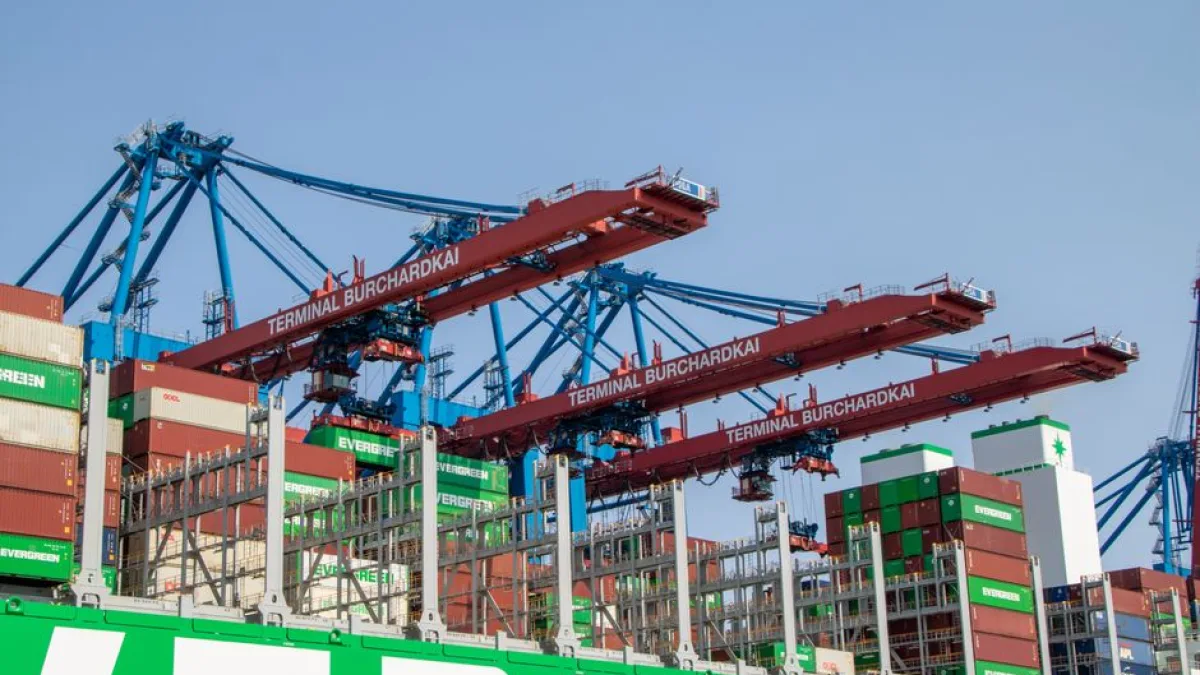
Securing reliable vessel space during peak seasons is a constant challenge for freight forwarders. Modern platforms allow for better allocation of carrier space, helping you optimize costs and maintain consistent service levels even when global capacity is extremely tight.
- Space booking integration: Software platforms connect directly with carrier APIs, enabling instant booking confirmation and reducing the time spent coordinating over phone calls or unreliable email threads.
- Capacity trend forecasting: Analyzing historical volume data helps you predict future space requirements, allowing your team to negotiate better rates and secure allotments well in advance.
- Cost comparison tools: Instant access to multiple carrier quotes allows you to choose the most efficient route and price point for every individual shipment request received.
- Performance analytics reports: Evaluating carrier reliability metrics helps you identify which shipping lines provide the best service, ensuring you partner with providers who meet client standards.
Strategic management of carrier relationships is essential for surviving the volatile cycles of ocean freight demand. When you utilize software to manage your allocations, you remove the guesswork from your booking strategy and move toward a more profitable business model. This data-backed approach ensures that your agency remains resilient regardless of broader market fluctuations, keeping your clients satisfied throughout the entire shipping cycle.
Seamless Financial Integration

Financial accuracy is paramount in freight forwarding, yet many companies struggle with disconnected systems. Integrating your logistics operations with automated billing modules ensures that every invoice is processed correctly, accelerating cash flow and eliminating errors between shipments and accounting.
- Automated invoice generation: System generated invoices pull accurate shipping data directly from bookings, which ensures that customers are billed correctly for every service and accessorial charge provided.
- Real-time profit tracking: Integrated platforms calculate margins on every shipment, giving you an immediate view of your operational profitability and helping you adjust your pricing strategy.
- Multi-currency handling tools: Efficiently manage international payments by automatically converting and calculating rates in multiple currencies, which minimizes risks associated with exchange rate fluctuations during transactions.
- Payment status tracking: Dashboards highlight pending payments and outstanding balances, helping your finance team manage collections more effectively and improve the overall liquidity of your logistics firm.
Managing the financial aspects of freight forwarding requires the same level of precision as tracking a vessel. By unifying your accounting with your operations, you reduce administrative overhead and gain a clear picture of your company health. This integrated approach allows your team to focus on growth and expansion rather than reconciling balance sheets, leading to a more sustainable and successful organization overall.
Conclusion
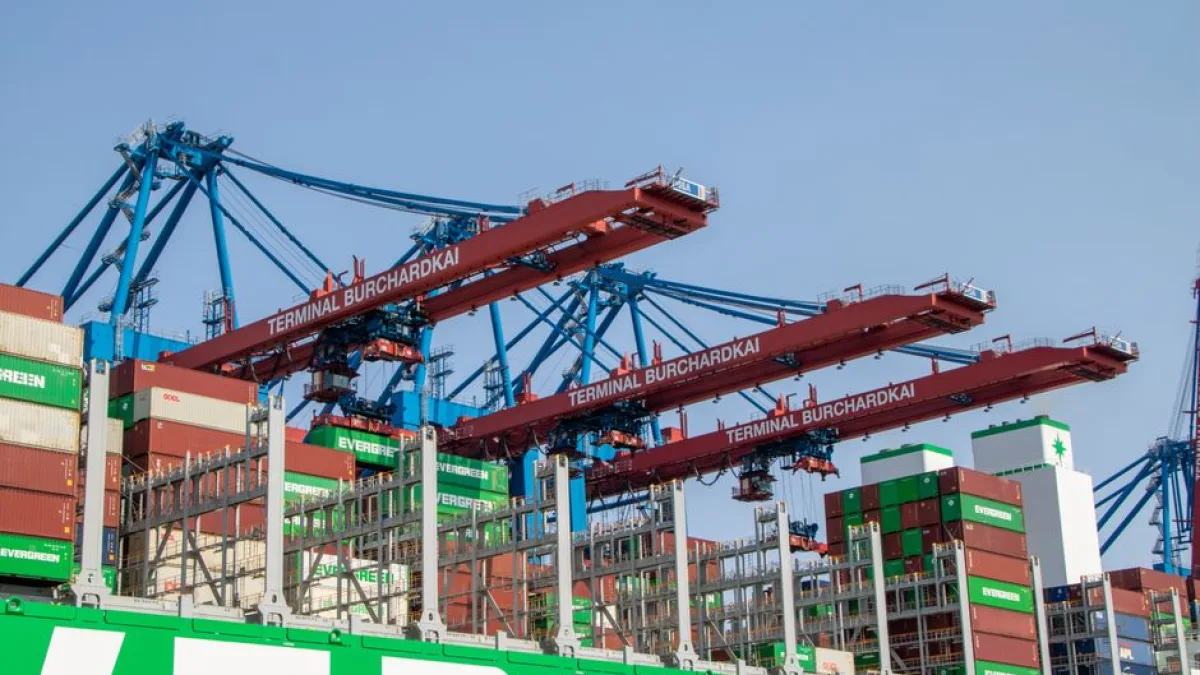
Mastering ocean freight requires the right blend of expert knowledge and powerful technology. By embracing digital documentation, real-time tracking, optimized capacity management, and seamless financial integration, your company can achieve new levels of performance and reliability. Implementing these tools is the key to thriving in a complex logistics market. Start streamlining your operations today with MakeCargo and gain total control of your freight.