Optimizing Ocean Freight Operations in a Digital Era
Thursday, August 27 2026
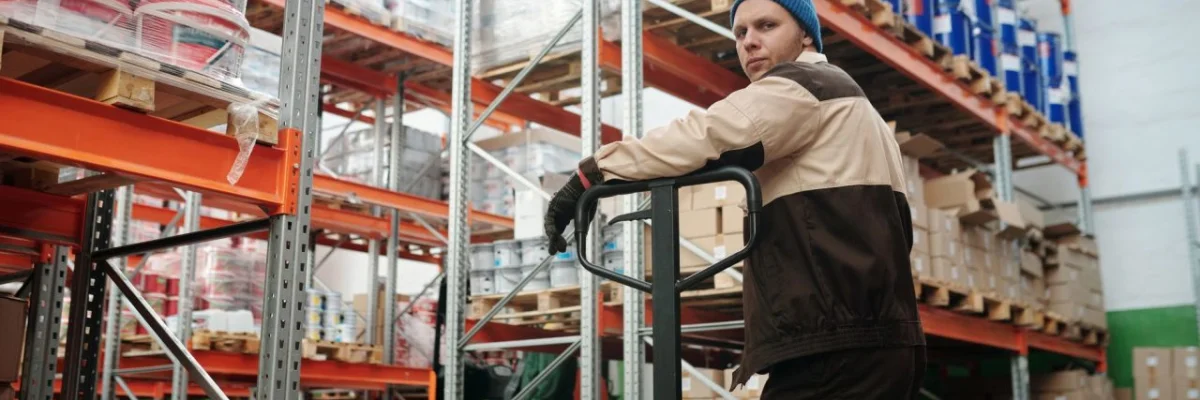
Modern ocean freight logistics faces unprecedented complexity as global supply chains shift toward rapid digitization. Freight forwarders must navigate fluctuating capacity, rising fuel costs, and increasing demands for transparent tracking to maintain a competitive advantage. Transitioning from legacy spreadsheets to automated software platforms is no longer a luxury but a fundamental requirement for operational agility. By leveraging data-driven insights and cloud-based communication tools, logistics providers can effectively mitigate delays and improve coordination across maritime networks. This article explores essential strategies to refine your ocean freight processes, ensuring that your organization remains resilient, profitable, and capable of meeting the evolving needs of global trade participants.
Harnessing Real-Time Data Visibility
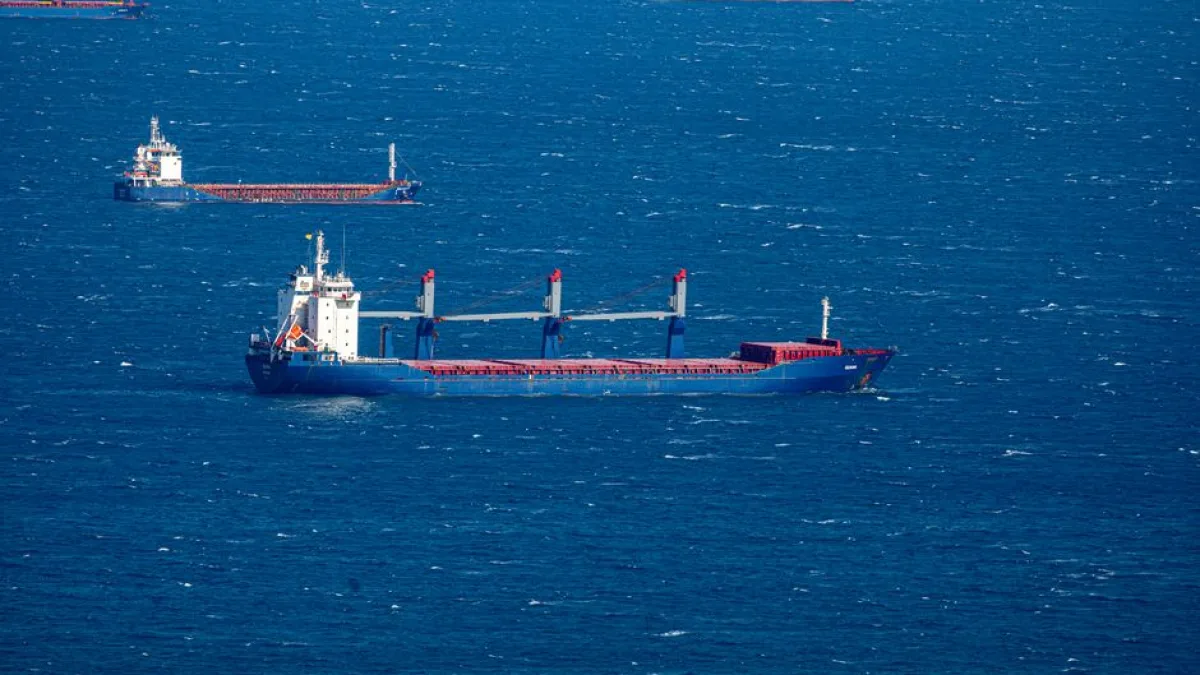
Real-time visibility empowers logistics teams to monitor shipments across vast oceanic routes with absolute precision. By integrating digital tracking systems, forwarders can identify potential bottlenecks or weather-related delays before they impact delivery schedules, ensuring proactive management of client expectations throughout transit.
- Improved Tracking Accuracy: Integrated software solutions provide live updates on vessel locations, reducing the need for manual status checks and minimizing communication errors between forwarders and their global shipping partners.
- Proactive Delay Alerts: Automated systems notify stakeholders the moment a schedule deviation occurs, allowing for swift rerouting or communication adjustments that protect the integrity of the total supply chain.
- Data-Driven Decisions: Utilizing historical performance metrics enables forwarders to choose the most reliable carriers, effectively reducing risks associated with chronic delays or poor service quality on specific lanes.
- Client Trust Enhancement: Providing customers with a transparent portal to view their cargo movement strengthens business relationships, as clients feel empowered by having direct access to shipping data.
Achieving total visibility transforms your operational capacity by replacing guesswork with hard evidence. When your team accesses a unified dashboard of shipment statuses, they can resolve disputes faster and allocate resources where they are needed most. This level of oversight reduces administrative burdens significantly, allowing your staff to focus on strategic growth and high-value customer service rather than hunting for basic tracking information.
Streamlining Documentation and Compliance

Manual documentation processes are often the largest source of delays in ocean freight forwarding. Digitizing bills of lading, commercial invoices, and customs declarations minimizes human error and accelerates the clearance process, ensuring that cargo moves seamlessly through international port terminals without bureaucratic interruptions.
- Reduced Data Entry: Automated systems pre-populate shipping documents using existing data, which eliminates repetitive typing tasks and significantly lowers the probability of costly clerical errors during the transit.
- Enhanced Compliance Accuracy: Integrated digital platforms verify regulatory requirements in real time, helping forwarders avoid fines and cargo seizures caused by missing or inaccurate documentation for specific regions.
- Cloud-Based Storage: Centralized digital repositories allow team members to retrieve historical shipping documents instantly, making audits and client inquiries much easier to handle without searching physical files.
- Faster Clearance Cycles: Electronic document submission to port authorities speeds up customs processing times, helping your cargo depart terminals quicker and reducing the accumulation of expensive storage fees.
By automating your documentation workflows, you remove the heavy bottleneck that manual paper shuffling creates in every freight forwarding office. Efficiently managed files lead to faster billing cycles and improved cash flow, which are vital for small to medium enterprises. Investing in digital compliance tools today saves countless hours of labor and prevents the legal headaches that arise from inconsistent filing or missed deadlines.
Optimizing Carrier Capacity Management
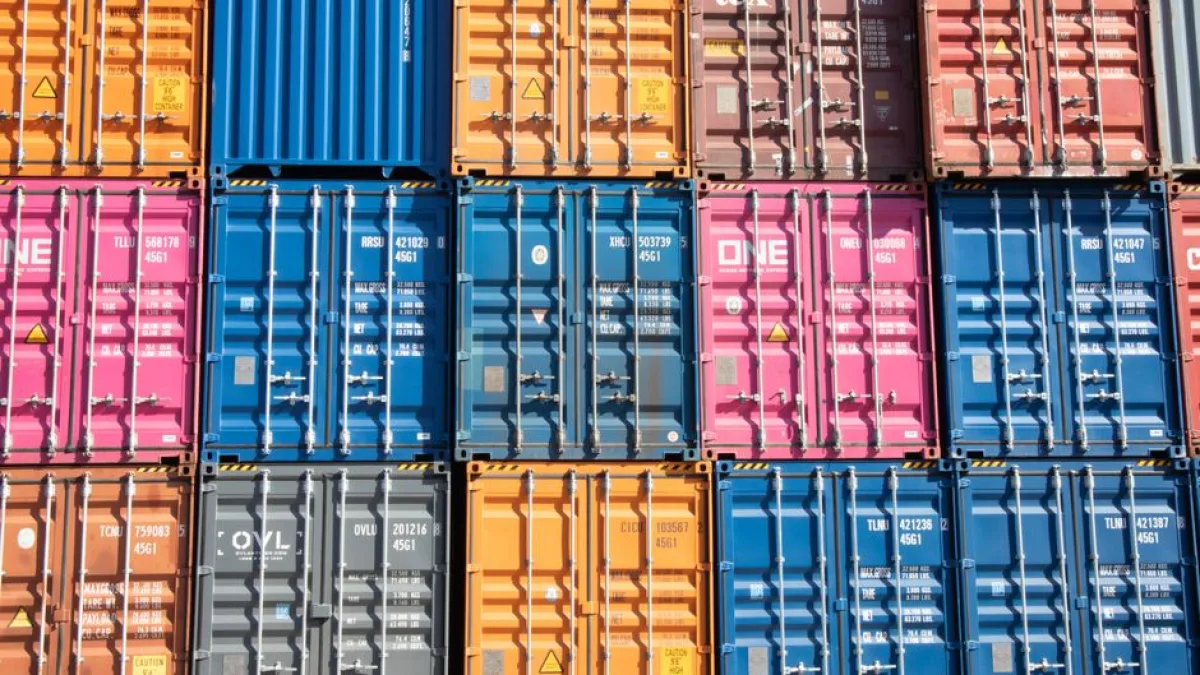
Effective management of vessel space is critical for maximizing profit margins on high-volume routes. Forwarders must continuously analyze carrier availability and pricing trends to secure favorable rates and ensure that space is allocated efficiently, even during periods of extreme global shipping volatility.
- Dynamic Space Allocation: Intelligent software tracks available slot capacity across multiple carriers, allowing forwarders to secure space during peak seasons when maritime logistics demand usually outstrips available vessel supply.
- Cost Effective Routing: Comparing carrier prices in one interface enables procurement teams to identify the most economical shipping lanes, directly improving profitability without compromising on essential transit times.
- Carrier Performance Analysis: Consistent monitoring of carrier punctuality and damage rates helps teams filter out unreliable partners, ensuring your customers receive the highest quality of service on every shipment.
- Volume Forecasting Tools: Predictive analytics allow forwarders to anticipate seasonal demand spikes, enabling them to negotiate bulk space contracts with carriers long before the market rates begin rising.
Strategic capacity management allows you to stabilize your bottom line despite the unpredictable nature of the maritime industry. When you maintain a balanced mix of carrier contracts and spot market bookings, you create a buffer against sudden market shifts. This proactive approach to capacity ensures that your cargo moves reliably, allowing you to scale your operations without fearing sudden shortages of space.
Cultivating Stronger Carrier Partnerships

Building robust relationships with shipping lines and terminal operators is essential for securing priority access during logistics disruptions. Forwarders who prioritize consistent, professional communication and early payments often find themselves favored by carriers, which is an invaluable asset when global vessel capacity becomes extremely constrained.
- Enhanced Negotiation Power: Long-term agreements built on mutual respect and consistent volume provide forwarders with better leverage during annual contract negotiations regarding shipping rates and service level agreements.
- Priority Slot Access: Fostering strong ties with local agents and shipping line representatives often leads to better communication and preferred treatment when equipment or vessel space is limited.
- Collaborative Dispute Resolution: A solid history of cooperation makes it easier to resolve damage claims or service failures quickly, preserving your reputation with end clients who expect reliability.
- Mutually Beneficial Growth: Sharing long-term growth plans with your carriers encourages them to invest in the specific equipment or routes that your business needs to expand successfully.
Professional relationships remain the backbone of the freight forwarding industry, regardless of how much technology you implement. Digital tools should support your human connections rather than replace them. By maintaining clear lines of communication and demonstrating reliability, you secure the support of key industry partners. This human-centric approach guarantees that your logistics operations remain agile and supported even during the most challenging global shipping environments.
Conclusion

Adopting advanced digital software is essential for forwarders who want to thrive in the modern ocean freight sector. By automating documentation, mastering capacity, and leveraging real-time data, you position your firm for sustainable growth and operational excellence. Evaluate your current workflows today to identify where technology can bridge the gaps in your service. Contact the MakeCargo team to modernize your operations immediately.