Optimizing Ocean Freight Operations in a Digital Era
Friday, August 28 2026
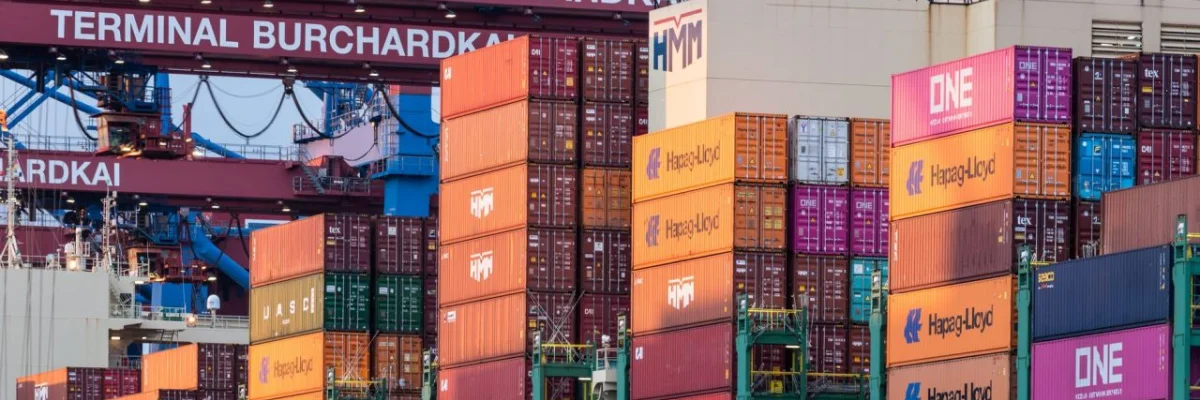
The global ocean freight industry is undergoing a profound transformation driven by digital integration and the urgent need for supply chain transparency. For modern freight forwarders, managing complex maritime logistics requires moving beyond legacy systems toward agile, cloud-based architectures. As shipping volumes fluctuate and market demands evolve, professionals must leverage advanced technology to remain competitive, reduce operational costs, and deliver superior client experiences. This article explores how adopting specific digital strategies can streamline your workflows, improve carrier coordination, and ensure that your logistics operations remain resilient in an increasingly volatile international trade landscape that demands constant innovation from all participants.
Leveraging Real-Time Visibility
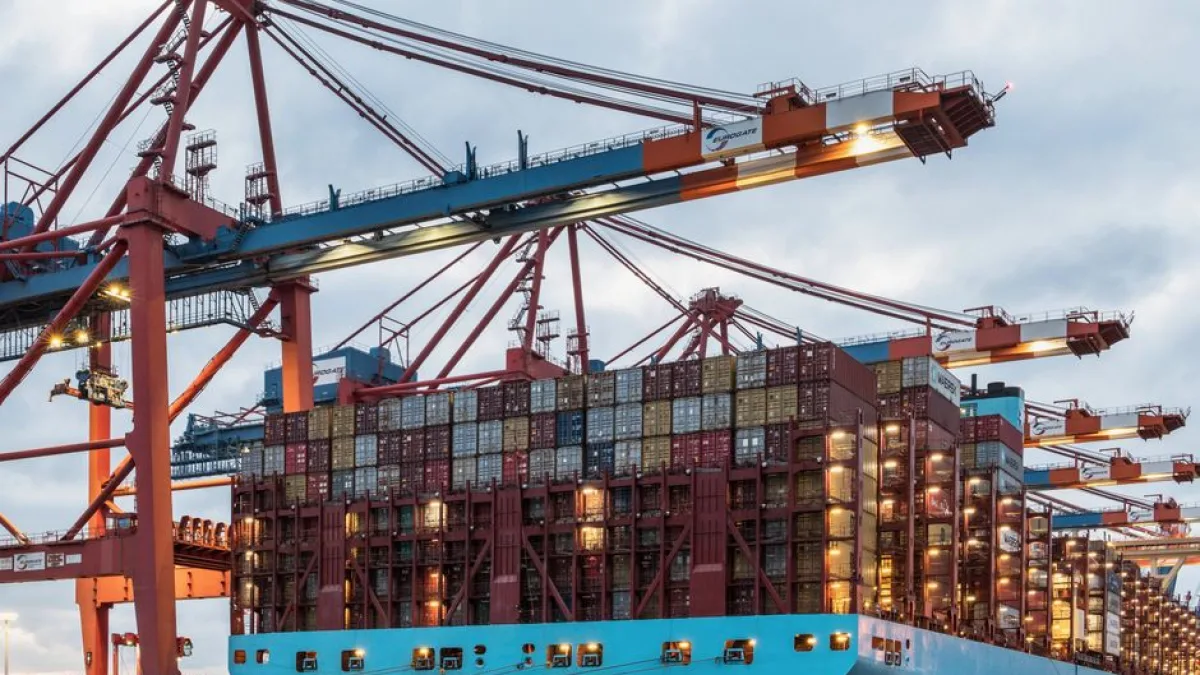
Modern visibility platforms provide freight forwarders with precise data on vessel locations and container status. By integrating real-time tracking, you can proactively manage client expectations and mitigate potential delays before they escalate into costly disruptions that impact your bottom line and reputation.
- Live Vessel Tracking: Gain immediate access to geospatial data that maps your cargo journeys across global trade lanes for better planning and more accurate estimated time of arrival reporting.
- Automated Status Updates: Eliminate the need for manual check-ins by receiving system-generated notifications that alert your team and customers whenever a container clears customs or arrives at port.
- Exceptions Management Tools: Identify potential bottlenecks early by utilizing predictive analytics that flag deviations from planned transit routes so you can take corrective action for your high-priority shipments.
- Enhanced Client Portals: Provide your customers with a secure dashboard where they can track their own cargo status, which significantly reduces the volume of repetitive status inquiry emails today.
Achieving total visibility transforms your business model from a reactive service provider into a proactive logistics partner. By using centralized software to monitor shipments, your staff can focus on high-value tasks rather than manual tracking. This operational shift not only increases internal efficiency but also builds immense trust with your clients, who gain confidence knowing that their goods are being monitored with precision and care.
Streamlining Documentation Workflows

Manual document processing remains a significant bottleneck in international shipping. Transitioning to automated documentation workflows helps minimize human error, accelerates billing cycles, and ensures full compliance with international regulations. Digital platforms allow for seamless collaboration between shippers, carriers, and freight forwarders.
- Automated Bill Creation: Generate accurate bills of lading and shipping instructions instantly by pulling data directly from your shipment files, thereby reducing risks associated with manual data entry errors.
- Digital Document Storage: Securely store all your critical trade documents in the cloud where they remain easily accessible and searchable for your authorized team members at all times.
- Compliance Verification Tools: Utilize automated validation checks to ensure all necessary customs documentation is complete and accurate before containers reach the port, avoiding expensive fines or delays.
- Collaborative Editing Features: Allow multiple stakeholders to review and approve documents simultaneously in a digital environment to reduce the turnaround time for essential shipping paperwork and approvals.
Adopting a paperless approach to documentation is a fundamental step toward building a lean logistics operation. By eliminating physical paperwork, your team gains speed and accuracy in handling complex shipping requirements. Digital documentation also supports sustainable business practices, aligning your firm with modern environmental, social, and governance standards that are becoming increasingly important to major enterprise shippers in the current global market.
Optimizing Carrier Procurement
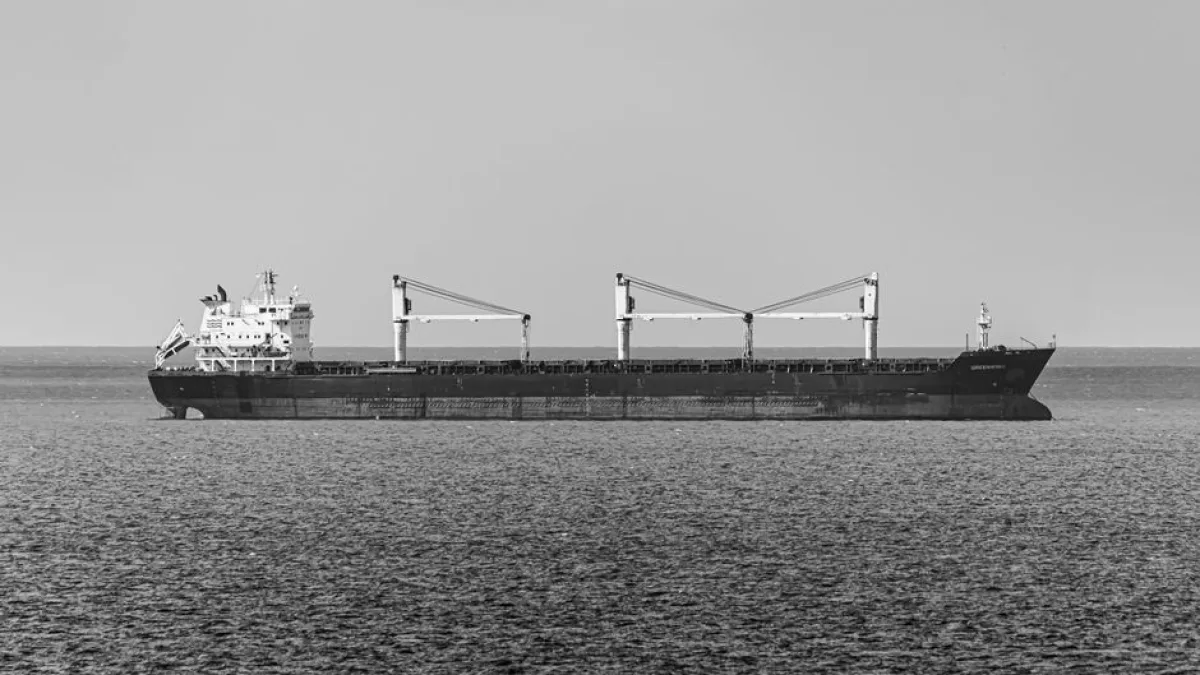
Selecting the right carrier for your ocean freight requires data-driven decision making. By analyzing historical performance metrics and freight rates, freight forwarders can optimize their carrier procurement strategies. This ensures better pricing, improved space allocation, and more reliable transit times for your customers.
- Comparative Rate Analysis: Compare current market rates across multiple carrier options to ensure you are always selecting the most cost-effective and efficient solution for every specific shipment.
- Carrier Performance Scoring: Monitor key performance indicators for each ocean carrier to make informed choices based on historical reliability, on-time performance, and overall service quality benchmarks.
- Dynamic Space Management: Improve your negotiation power by utilizing data insights to forecast volume needs and secure better slot allocations on key trade lanes during peak season.
- Contract Management Integration: Keep track of all your carrier contracts within one unified system to ensure that your team always applies the correct pricing and service terms.
Strategic procurement turns your carrier relationships into a distinct competitive advantage. When you base your decisions on reliable data rather than guesswork, you secure better terms and more dependable outcomes. This disciplined approach to procurement protects your profit margins while ensuring that your customers receive the high quality service they expect, regardless of the challenges present within the complex global maritime logistics environment.
Harnessing Data Analytics

Data is the most valuable asset for a modern freight forwarder. By harnessing advanced analytics, your firm can uncover hidden insights about market trends, operational bottlenecks, and financial performance. These insights empower leadership to make strategic decisions that drive long-term business growth and operational sustainability.
- Operational Trend Analysis: Evaluate your business activity over time to identify seasonal patterns and recurring bottlenecks that affect your ability to deliver goods on schedule to customers.
- Profitability Benchmarking Tools: Analyze the net profit of every individual shipment to understand which routes, clients, or carrier combinations provide the highest financial returns for your firm.
- Predictive Capacity Planning: Forecast future market demand based on historical data to help your team prepare for busy periods, ensuring you have enough resources to handle spikes.
- Custom Reporting Modules: Create detailed reports tailored to your specific business requirements to share valuable insights with stakeholders, management, or your internal logistics operations department team.
Data analytics moves your decision making process beyond intuition toward absolute evidence based strategy. By understanding the underlying mechanics of your ocean freight business, you can continuously improve processes and adapt to market shifts. Organizations that prioritize data-driven intelligence are far better positioned to overcome industry volatility, satisfy evolving customer demands, and achieve lasting success in the competitive global freight forwarding marketplace today.
Conclusion

Successfully navigating the modern ocean freight landscape requires a commitment to digital transformation and continuous process improvement. By focusing on real-time visibility, automated documentation, strategic procurement, and data analytics, freight forwarders can drive significant growth and operational excellence. Embrace these technologies today to ensure your company remains agile, competitive, and ready for the future of global trade. Start your digital transition with MakeCargo.