Optimizing Ocean Freight Operations for Modern Freight Forwarders
Friday, August 28 2026
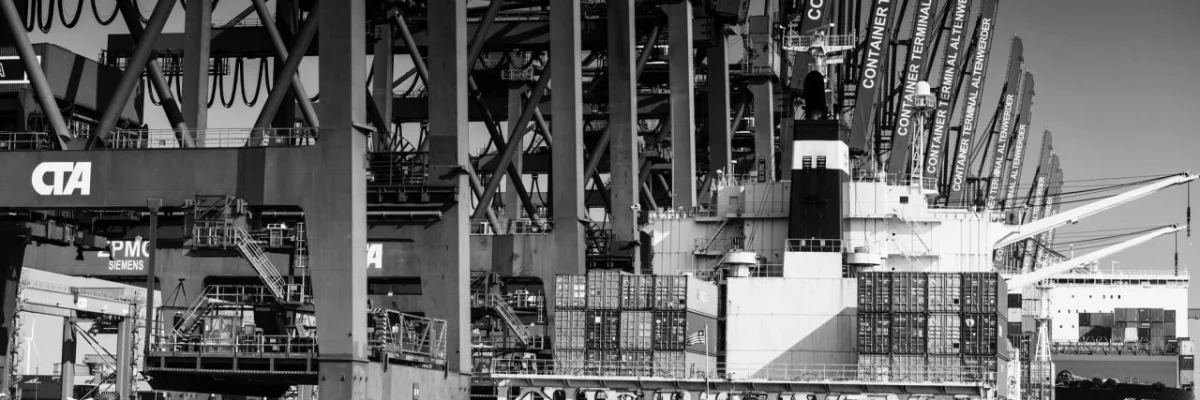
The global shipping landscape is evolving at a breakneck pace, requiring freight forwarders to leverage technology more effectively than ever before. As container volatility, port congestion, and complex regulatory requirements become the new standard, the reliance on manual spreadsheets is no longer sustainable for competitive businesses. To thrive in this environment, forwarders must embrace cloud-based solutions that offer real-time visibility, automated documentation, and seamless communication across the entire supply chain. By modernizing your digital infrastructure, you not only improve operational efficiency but also deliver the superior level of service that modern shippers demand in today's demanding international trade environment.
Strategic Capacity Management
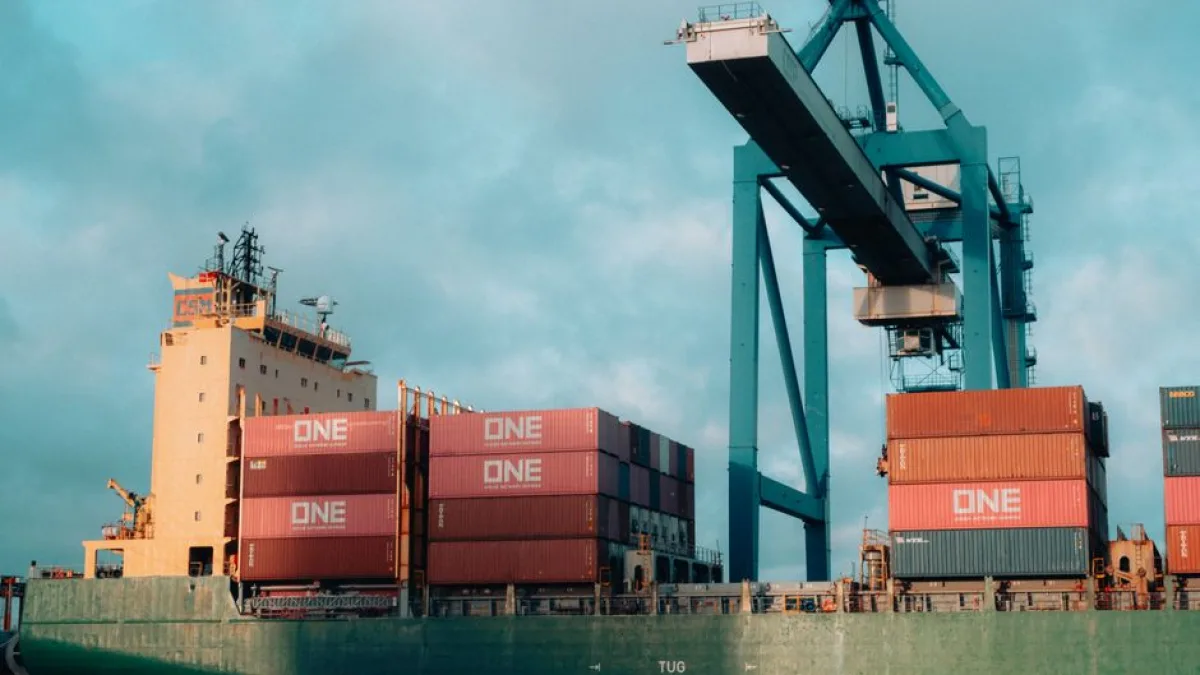
Effective capacity management begins with clear data visualization of current space availability across major trade lanes. Forwarders who monitor carrier performance metrics gain a significant advantage when negotiating rates and securing space during peak periods of high global demand.
- Carrier performance tracking: Monitor transit times and reliability metrics to identify which shipping lines offer the best consistency for your high-priority shipments during turbulent market cycles throughout the year.
- Space reservation tools: Utilize digital platforms to streamline the booking process, reducing the time spent on manual emails while ensuring that container allocations are confirmed without unnecessary delays.
- Rate negotiation leverage: Aggregate historical shipping data to provide stronger arguments during carrier contract renewals, allowing your agency to secure more competitive freight rates for long-term clients.
- Peak season planning: Anticipate seasonal surges by analyzing past volume trends, enabling proactive communication with carriers to reserve essential container space long before the market becomes oversaturated.
Mastering capacity management is a continuous process that requires a delicate balance between planning and real-time execution. When you integrate automated tools into your daily workflow, you minimize the risks associated with human error and forgotten bookings. Forwarders who prioritize these strategic efforts often find themselves in a much better position to weather market volatility, ultimately driving higher profitability and stronger carrier partnerships over time.
Automated Documentation Flow

The manual nature of processing bills of lading and commercial invoices often leads to significant bottlenecks within the freight forwarding lifecycle. Implementing automated documentation systems allows teams to focus on high-value tasks rather than repetitive data entry and verification processes.
- Paperless workflow integration: Transition from physical files to cloud-based document management, ensuring that all stakeholders have instant access to necessary shipping paperwork from any global location.
- Smart data capture: Use advanced character recognition technology to extract information from scanned invoices and packing lists automatically, which drastically reduces the hours spent on tedious manual input.
- Compliance validation checks: Ensure every document meets regional customs requirements by using automated verification tools that flag potential errors or missing information before the cargo ever ships.
- Digital signature adoption: Speed up approval processes by enabling secure electronic signatures, which removes the need for physical courier services and long waiting times for signed documents.
Document accuracy serves as the backbone of every successful ocean freight shipment. By reducing the reliance on traditional paper processes, companies can eliminate common mistakes that lead to customs fines and cargo detention. This shift to digital automation creates a scalable foundation for your business, allowing you to handle larger shipment volumes without needing to increase your administrative overhead costs significantly.
Real-Time Cargo Visibility
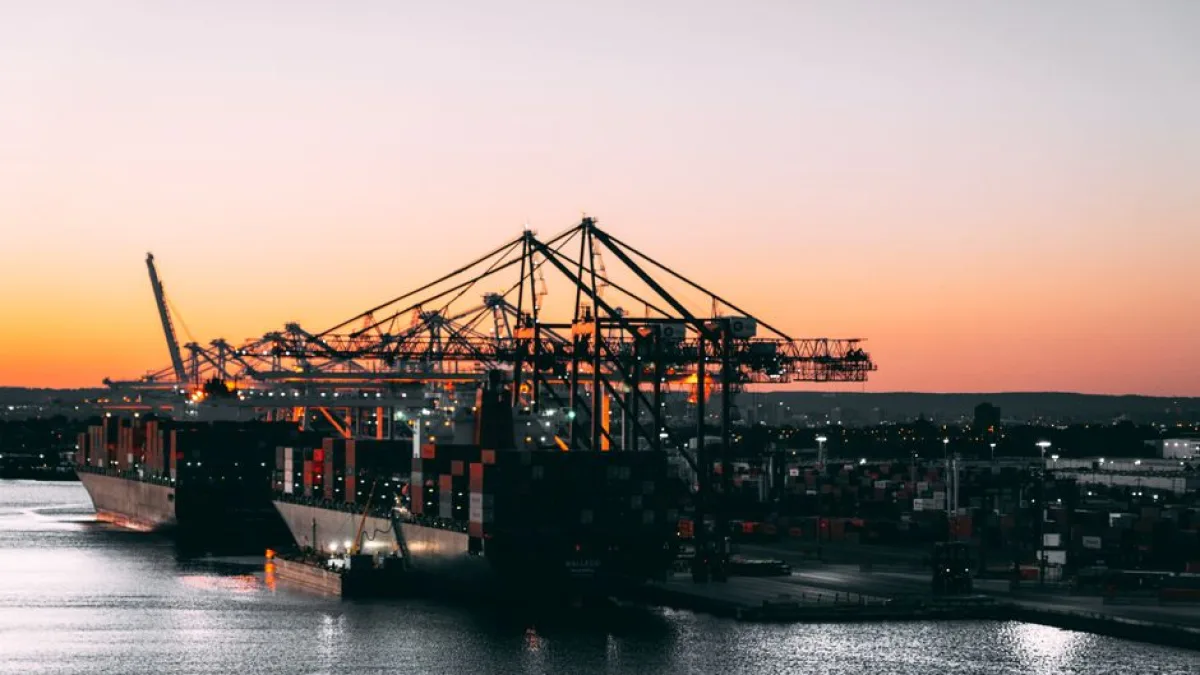
Providing clients with precise status updates is essential for maintaining trust and transparency in the forwarding industry. Modern tracking systems bridge the gap between carrier data and client expectations by offering a unified view of shipment progress throughout transit.
- Live tracking updates: Connect your platform directly with carrier API feeds to provide clients with automated notifications regarding their cargo location and any potential schedule deviations.
- Exception management alerts: Receive proactive notifications when a shipment hits a delay or customs hold, allowing your team to inform clients and provide solutions before panic sets in.
- Interactive client portals: Give your customers the power to check their own shipment status via a branded dashboard, which reduces the volume of status-related inquiries handled by your staff.
- Data-driven performance reports: Generate customized analytics for your clients to demonstrate your value, highlighting transit reliability and efficiency improvements achieved through your dedicated freight forwarding management services.
Transparency is the most valuable commodity you can offer to your shippers in the current market. When clients have direct access to accurate, up-to-date tracking information, their satisfaction increases alongside your operational efficiency. By investing in these visibility tools, you transform the shipping experience from a stressful black box into a predictable, professional service that keeps your clients coming back for future business.
Optimizing Customs Compliance

Navigating the complex world of international customs regulations requires precision, patience, and a robust understanding of local trade laws. Freight forwarders must ensure that their compliance processes are as efficient as their shipping operations to avoid costly border delays.
- Tariff classification accuracy: Utilize integrated databases to ensure that all cargo is assigned the correct HS codes, minimizing the risk of audits, penalties, or seizures at customs checkpoints.
- Regional regulation monitoring: Stay updated with frequent changes in international trade laws through automated alerts that inform your team about new requirements in specific ports of entry.
- Duty calculation tools: Provide your clients with precise landed cost estimates by using automated tools that factor in current duty rates, taxes, and other applicable import fees.
- Audit ready reporting: Maintain a clean, organized digital archive of all customs interactions and documentation, ensuring your company remains fully prepared for any regulatory inquiries or random inspections.
Compliance is never a task you should handle as an afterthought. It is a fundamental component of the service you provide, directly impacting the bottom line for your clients. By standardizing your approach to customs through integrated technology, you protect your business from legal risks while establishing a reputation as a reliable, detail-oriented partner in the complex and often unforgiving world of ocean freight.
Conclusion
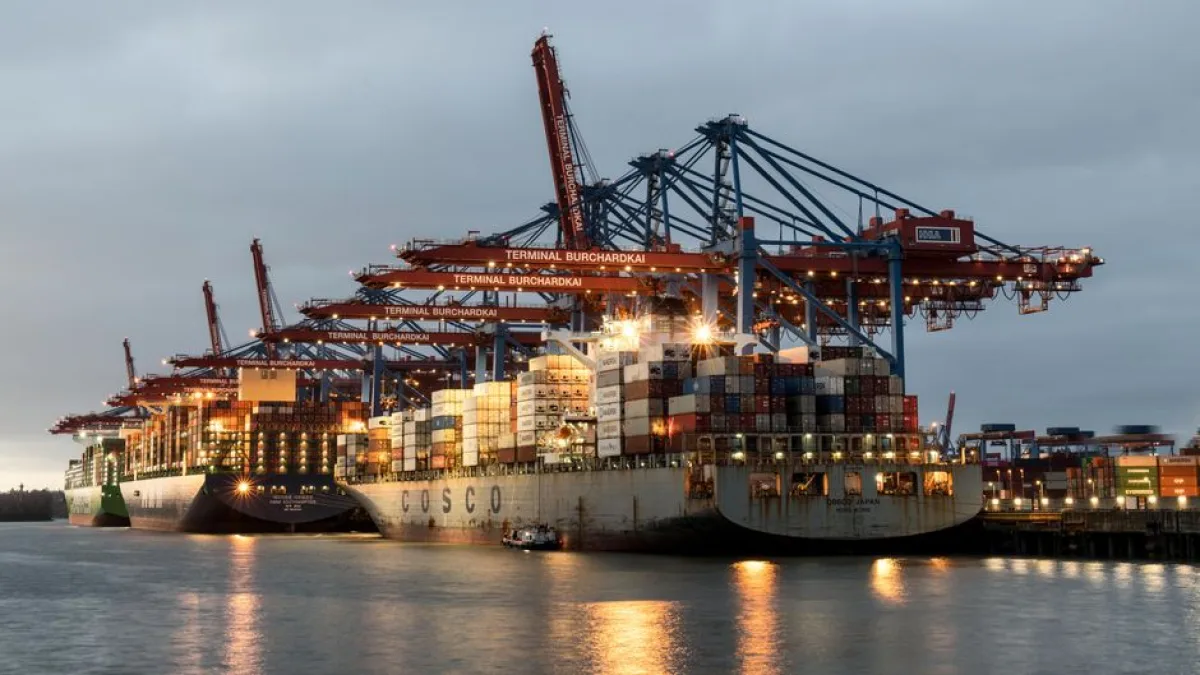
Building a successful freight forwarding business today requires a dedication to digital transformation and continuous process improvement. By mastering capacity management, automating documentation, ensuring cargo visibility, and maintaining strict compliance, you position your agency for long-term growth. Start evaluating your current software capabilities today to see how MakeCargo can help you simplify these complex processes and deliver exceptional value to every customer.