Optimizing Ocean Freight Operations in a Digital Era
Saturday, August 29 2026
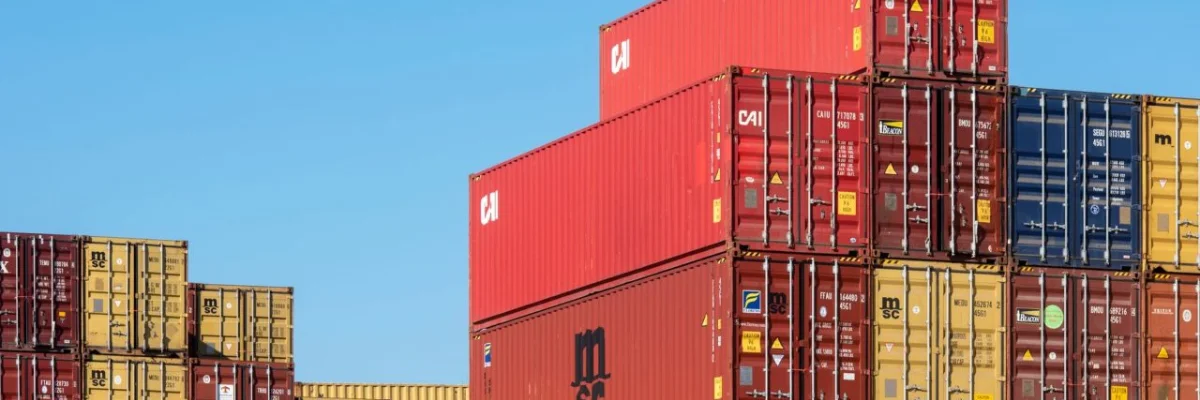
Navigating the complex landscape of global ocean freight requires more than just traditional logistics expertise. As supply chain volatility continues to challenge freight forwarders, the integration of cloud based software solutions has become the baseline for operational excellence. Professionals today must balance vessel scheduling, container tracking, and carrier negotiations while maintaining tight profit margins. By leveraging real time data and automation, forwarders can transform manual workflows into streamlined digital processes. This guide explores how embracing modern technology allows freight forwarders to enhance their service delivery, reduce administrative burdens, and maintain a competitive edge in an increasingly automated maritime shipping market.
Modernizing Port Operations
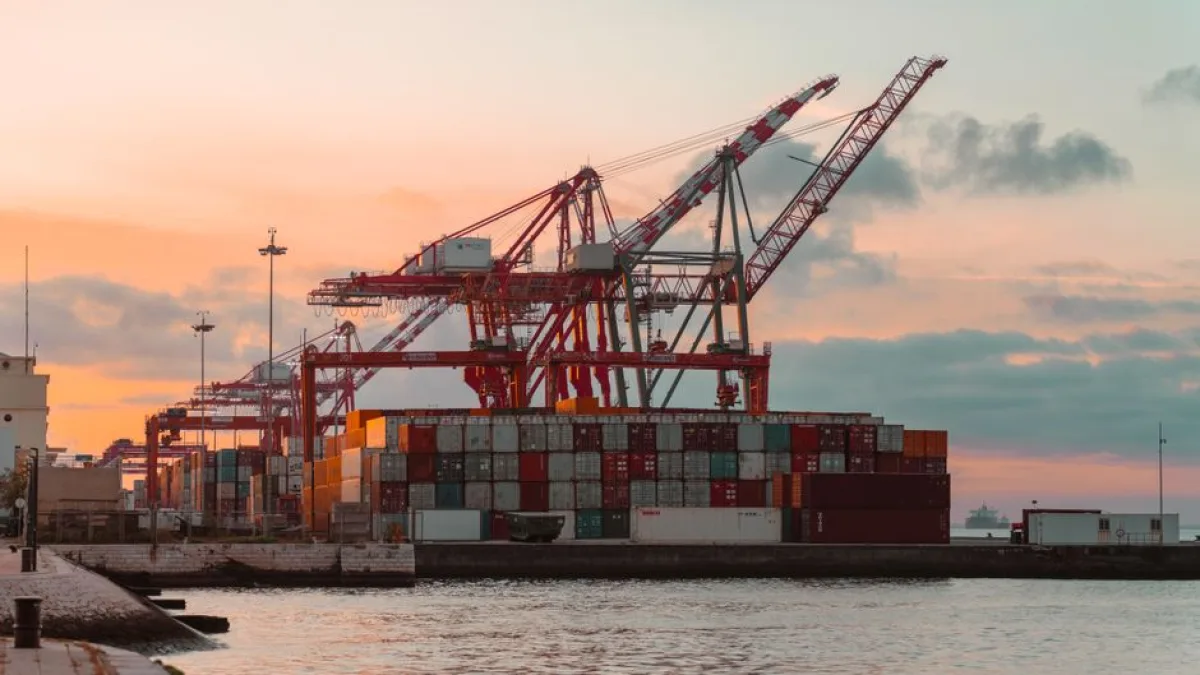
Efficient port management relies on the seamless coordination of physical assets and digital information flows. When freight forwarders utilize integrated software to monitor vessel arrivals and gate movements, they significantly reduce the downtime associated with manual communication and outdated document handling processes.
- Automated Gate Tracking: Real time updates on container gate activity allow teams to proactively manage drayage schedules and avoid costly demurrage charges caused by unexpected delays at the terminal entrance.
- Digital Documentation Flow: Eliminating paper based bills of lading and arrival notices accelerates the customs clearance process and ensures that all stakeholders have instant access to critical shipment information.
- Vessel Schedule Visibility: Integrated APIs provide live tracking of ocean vessels, enabling forwarders to inform clients about arrival changes instantly and adjust inland transport plans without manual intervention.
- Optimized Slot Booking: Software tools streamline the process of booking port slots for container pickups, reducing congestion and ensuring that transport partners operate with maximum efficiency every single day.
Adopting digital solutions for port operations effectively removes the layers of friction that have historically plagued international shipping. By automating repetitive tasks, your team can focus on complex exceptions rather than routine data entry. This shift not only improves overall accuracy but also drastically boosts your organization capacity to handle larger volumes without needing additional administrative staff to manage the underlying maritime logistical details.
Digital Carrier Management
Managing multiple carrier relationships is a core competency for successful freight forwarders. Modern digital platforms allow for centralized communication, enabling teams to compare rates, transit times, and service levels across various shipping lines through a single interface for better results.
- Instant Rate Comparison: Accessing live spot and contract rates across major ocean carriers empowers forwarders to offer the most cost effective routing options to their clients within seconds.
- Centralized Carrier Portals: Consolidating all shipping communications into one dashboard prevents important details from being lost in email threads and ensures that every team member stays informed.
- Performance Analytics Dashboards: Analyzing carrier performance metrics like transit time reliability and equipment availability helps forwarders make data driven decisions when selecting partners for their most critical shipping lanes.
- Automated Booking Requests: Submitting shipping instructions directly to carriers via electronic data interchange reduces human error and speeds up the confirmation process for every single outbound ocean shipment.
Consolidating carrier management into a unified digital environment fundamentally changes how freight forwarders negotiate and execute contracts. By replacing scattered spreadsheets with centralized software, managers gain a clear view of their entire supply chain ecosystem. This transparency fosters stronger relationships with carrier representatives and ensures that your agency remains informed about capacity changes, blank sailings, and bunker adjustments before they impact your clients.
Streamlining Documentation Workflows

Paperwork remains one of the largest bottlenecks in ocean freight shipping, often leading to costly delays at the port. Transforming these manual documents into structured digital data points ensures compliance and improves the speed of trade across global borders and jurisdictions.
- Structured Data Extraction: Advanced OCR technology automatically pulls data from commercial invoices and packing lists, populating your system records without requiring any manual typing from your dedicated operations team.
- Electronic Filing Systems: Storing all shipping documents in a secure cloud environment guarantees that teams can retrieve any file instantly during audits or specific client status check requests.
- Standardized Compliance Checks: Automated validation rules ensure that all documentation meets international customs standards before submission, effectively preventing rejection by authorities or missed vessel cut off times globally.
- Collaborative Document Editing: Multiple team members can work on shipment files simultaneously, ensuring that final versions are accurate and sent to the right parties without any unnecessary internal delays.
Optimizing your documentation workflow is the fastest way to increase your team internal productivity levels. When you remove the need for manual data entry and physical document handling, you minimize the risk of human error that can stall an entire shipment. These improvements allow your operations staff to dedicate their time to high value tasks, such as improving customer satisfaction and growing your business.
Enhancing Client Communication

In the age of instant gratification, clients expect total transparency regarding their shipments. Providing a self service portal enables customers to track their ocean freight in real time while reducing the number of repetitive status update inquiries for staff.
- Customer Tracking Portals: Giving clients 24/7 access to their shipment status empowers them to monitor their cargo journey independently and reduces the need for manual status update emails.
- Automated Status Alerts: Configuring personalized email or SMS notifications keeps stakeholders informed about milestones, delays, or arrival windows without requiring any manual effort from your customer service team.
- Digital Invoice Delivery: Generating and sending invoices electronically ensures that your clients receive payment requests promptly, which helps maintain healthy cash flow for your logistics firm throughout the year.
- Integrated Chat Support: Including a secure communication feature within the tracking interface allows clients to ask questions directly related to specific shipments, ensuring fast and accurate responses.
Transparent communication is the cornerstone of trust in the freight forwarding industry. When your clients feel confident because they have constant visibility into their cargo, they are far more likely to return for future business. Utilizing digital portals not only elevates your brand reputation but also gives you more control over the narrative during unexpected delays or unforeseen global logistics disruptions today.
Conclusion

Digital transformation is no longer optional for freight forwarders operating in the modern ocean freight sector. By adopting cloud based platforms to manage port data, carrier relations, documentation, and client communication, your firm can achieve unprecedented levels of efficiency. Start evaluating your current software stack today to identify gaps in your workflow. Implementing these upgrades will secure your future growth and success.